
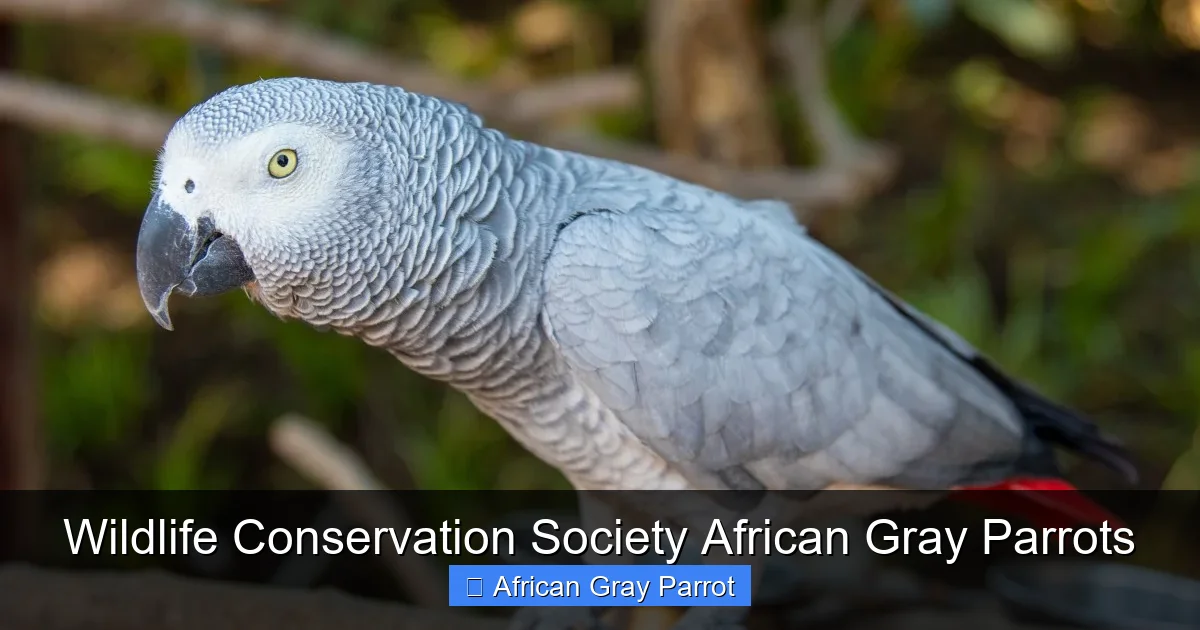
The Wildlife Conservation Society leads critical efforts to protect African gray parrots from extinction. Through anti-trafficking operations, habitat preservation, and community engagement, WCS works across Central and West Africa to safeguard these highly intelligent birds. Their science-based approach combines field research, policy advocacy, and local partnerships to address the complex threats facing both Congo and Timneh African gray parrots.
When you hear an African gray parrot speak, you are witnessing one of nature’s most extraordinary minds at work. These birds don’t just mimic words. They understand concepts. They solve puzzles. They form deep emotional bonds. Yet this very intelligence has made them targets. The global demand for “talking parrots” has fueled a devastating trade that pushes wild populations toward collapse.
The Wildlife Conservation Society African gray parrots programs stand as a beacon of hope. For decades, WCS has worked on the front lines across the Congo Basin and West African forests. Their teams track wild populations. They infiltrate trafficking networks. They partner with communities who share the forest with these birds. This article explores how one of the world’s leading conservation organizations fights for the survival of Africa’s most iconic parrots.
Key Takeaways
- WCS leads global conservation: The Wildlife Conservation Society operates in over 60 countries with dedicated African gray parrot programs across Central and West Africa.
- Trafficking is the primary threat: Illegal pet trade has decimated wild populations, with millions of parrots captured over recent decades.
- Two distinct species need protection: Both the Congo African gray parrot and Timneh African gray parrot face different but severe conservation challenges.
- Community-based solutions work: WCS engages local communities as conservation partners, creating sustainable alternatives to poaching.
- Science drives strategy: Population surveys, genetic research, and trade monitoring inform targeted conservation actions.
- Policy change creates lasting impact: WCS advocacy helped secure CITES Appendix I listing, banning international commercial trade.
- Everyone can contribute: Supporting WCS, reporting wildlife crime, and choosing ethical pets all help protect these remarkable birds.
Quick Answers to Common Questions
What is the Wildlife Conservation Society doing to protect African gray parrots?
WCS protects African gray parrots through anti-poaching patrols, population monitoring, community conservation programs, trafficking investigations, policy advocacy, and habitat protection across Central and West Africa.
Are there different types of African gray parrots?
Yes, there are two species: the larger Congo African gray parrot with a bright red tail, and the smaller, darker Timneh African gray parrot with a maroon tail. Both are endangered.
Why are African gray parrots endangered?
African gray parrots are endangered primarily due to massive trapping for the international pet trade, combined with habitat loss from logging, agriculture, and mining. Their slow reproduction makes recovery difficult.
Can I legally own an African gray parrot?
You can legally own captive-bred African gray parrots with proper documentation, but international commercial trade in wild-caught birds is banned under CITES Appendix I. Adoption from rescues is the most ethical option.
How can I help conserve African gray parrots?
Support WCS and other conservation organizations, adopt don’t shop for parrots, choose certified sustainable products, advocate for stronger wildlife protections, and report suspected wildlife crime to authorities.
📑 Table of Contents
- The Crisis Facing African Gray Parrots
- Wildlife Conservation Society: A Global Force for Nature
- On the Ground: WCS Field Programs Protecting Parrots
- Combating the Illegal Trade: From Forest to Market
- Community Conservation: People and Parrots Together
- Research That Drives Conservation
- Success Stories and Ongoing Challenges
- How You Can Help Protect African Gray Parrots
- Conclusion: A Future Where Parrots Thrive
The Crisis Facing African Gray Parrots
Two Species, One Dire Situation
Most people know “the African gray parrot” as a single bird. Science tells a different story. There are two distinct species. The Congo African gray parrot (Psittacus erithacus) is larger, with bright red tail feathers and a light gray body. The Timneh African gray parrot (Psittacus timneh) is smaller, darker, with a maroon tail and a horn-colored upper mandible. Both share remarkable cognitive abilities. Both face existential threats.
The Wildlife Conservation Society African gray parrots conservation work addresses both species. In the dense forests of Congo, Gabon, and Cameroon, teams monitor Congo grays. In the Upper Guinea forests of Sierra Leone, Liberia, and Ivory Coast, they focus on Timnehs. Each population faces unique pressures. Each requires tailored solutions.
The Numbers Tell a Grim Story
Historical population estimates are staggering. Researchers believe millions of African gray parrots once filled the continent’s forests. Today, the picture has changed dramatically. The Congo African gray parrot has declined by an estimated 90 to 99 percent across much of its range. The Timneh African gray parrot has vanished from large portions of its historical territory. Both species now carry the “Endangered” designation on the IUCN Red List.
What drove this collapse? The answer lies in a perfect storm of threats. Habitat loss from logging, agriculture, and mining fragments the forests these birds need. But the single greatest driver has been the international pet trade. Between 1982 and 2001 alone, over 1.3 million African gray parrots were legally exported from range countries. The illegal trade likely matched or exceeded this number. For a species that reproduces slowly and lives in complex social structures, this harvest was catastrophic.
Why These Parrots Are So Vulnerable
African gray parrots possess traits that make them especially susceptible to overexploitation. They are long-lived, potentially reaching 50 to 60 years in captivity. They mature slowly, not breeding until three to five years of age. They form monogamous pairs that may last a lifetime. They nest in large, old trees that take centuries to grow. When trappers remove adults from the wild, they don’t just lose those individuals. They lose future generations. They break pair bonds. They destroy nesting sites when they cut down trees to reach chicks.
Their intelligence compounds the tragedy. These birds have demonstrated cognitive abilities rivaling great apes and young children. They understand categories. They can count. They use tools. They show empathy. Each parrot removed from the wild represents an irreplaceable loss of genetic diversity and cultural knowledge passed between generations.
Wildlife Conservation Society: A Global Force for Nature
Origins and Mission
The Wildlife Conservation Society began in 1895 as the New York Zoological Society. Its founders envisioned an organization that would save wildlife and wild places worldwide. Today, WCS operates in more than 60 countries. They manage four zoos and an aquarium in New York City. But their heart beats in the field. Over 4,000 staff members work across the globe’s most critical ecosystems. Their mission remains clear: save wildlife and wild places through science, conservation action, education, and inspiring people to value nature.
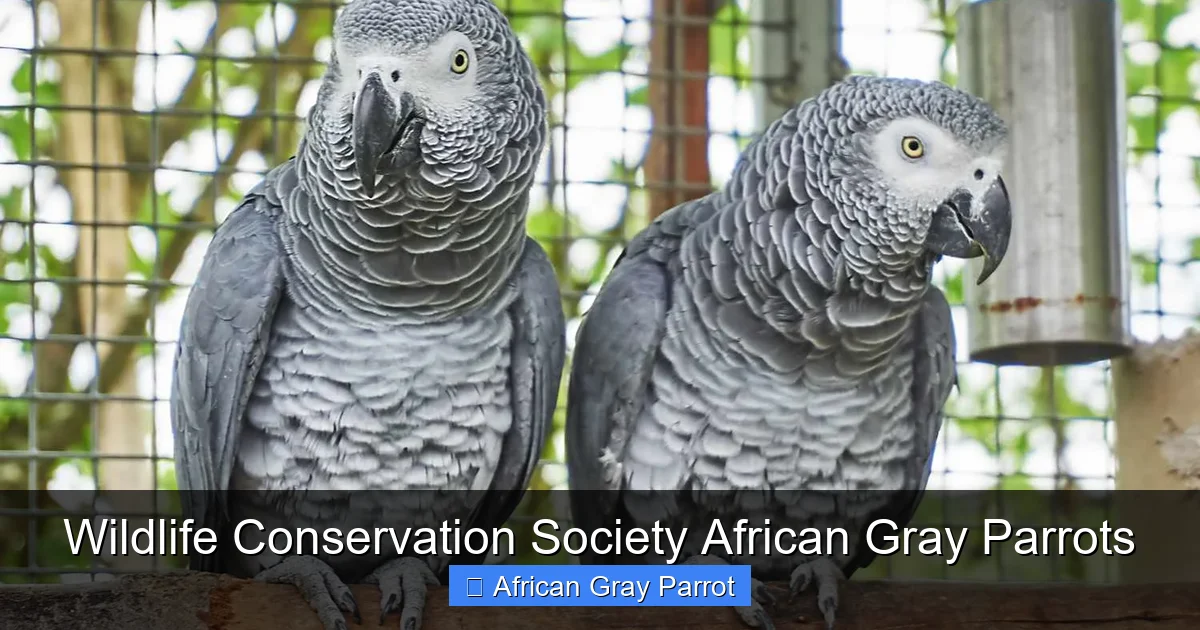
Visual guide about Wildlife Conservation Society African Gray Parrots
Image source: people.com
Why Parrots Matter to WCS
Birds have always been central to WCS conservation strategy. The organization helped pioneer the concept of “flagship species” — charismatic animals that rally public support for entire ecosystems. African gray parrots fit this role perfectly. Their intelligence captivates people worldwide. Their decline signals broader forest health crises. Protecting them means protecting the Congo Basin and Upper Guinea forests — two of Earth’s most biodiverse and carbon-rich ecosystems.
The Wildlife Conservation Society African gray parrots programs embody this ecosystem approach. When WCS establishes a parrot monitoring station in Nouabalé-Ndoki National Park, they also protect forest elephants, lowland gorillas, and countless plant species. When they work with communities to stop trapping, they build governance structures that benefit all wildlife. Parrots become the doorway to landscape-scale conservation.
Science as the Foundation
Every WCS action begins with data. Their scientists publish hundreds of peer-reviewed papers annually. For African gray parrots, this means rigorous population surveys using distance sampling and acoustic monitoring. It means genetic studies revealing population structure and trafficking routes. It means market surveys tracking trade volumes and prices. This evidence base ensures that conservation investments yield maximum impact.
On the Ground: WCS Field Programs Protecting Parrots
Congo Basin Strongholds
The Congo Basin holds the largest remaining populations of Congo African gray parrots. WCS operates in several key landscapes here. In the Republic of Congo, they co-manage Nouabalé-Ndoki National Park with the government. This vast wilderness harbors significant parrot populations. WCS rangers patrol against poaching. Researchers monitor nesting success. Community teams engage villages bordering the park.
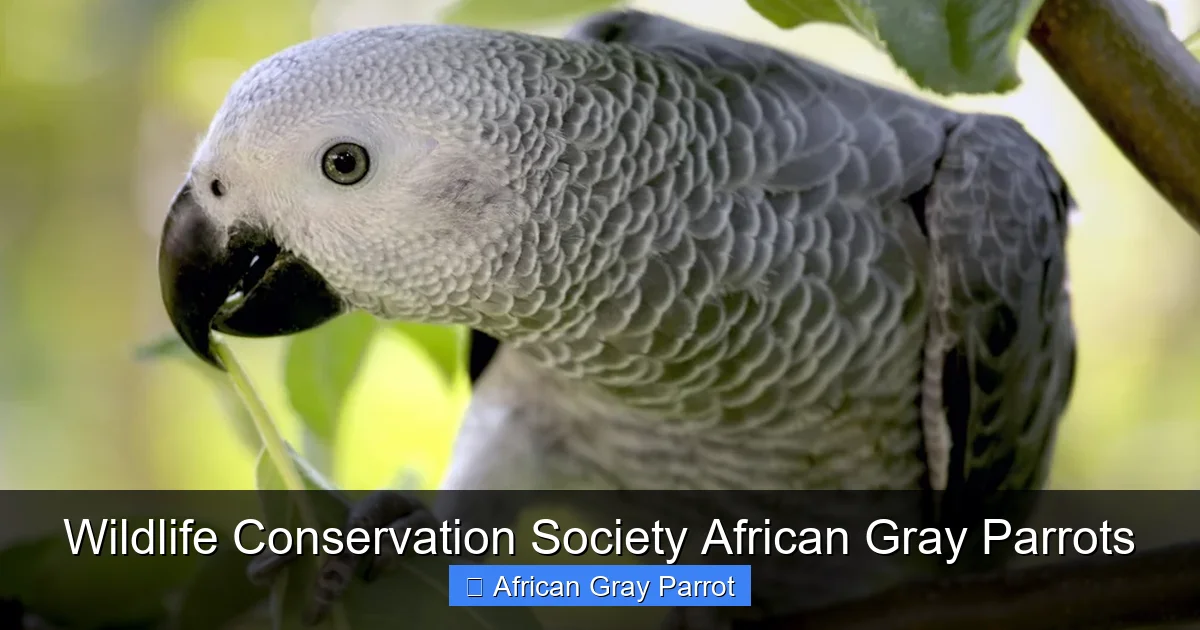
Visual guide about Wildlife Conservation Society African Gray Parrots
Image source: critterfacts.com
In the Democratic Republic of Congo, WCS works in the Okapi Wildlife Reserve and Maiko National Park. These areas face intense pressure from armed groups, mining, and agricultural expansion. Yet they remain critical parrot strongholds. WCS supports park authorities with training, equipment, and intelligence gathering. They help establish “no-take” zones where all extraction is prohibited. They monitor parrot populations as indicators of ecosystem health.
Gabon’s Minkébé National Park represents another priority. Once home to perhaps the highest parrot densities in Africa, Minkébé suffered catastrophic elephant poaching in the 2000s. The same networks trafficked parrots. WCS partnered with Gabon’s National Parks Agency to reclaim the park. Today, parrot populations show early signs of recovery where protection is effective.
Upper Guinea Forests: The Timneh’s Last Stand
The Timneh African gray parrot occupies a fraction of its former range. The Upper Guinea forest ecosystem — once a continuous belt from Guinea to Ghana — now exists as fragmented patches. WCS focuses on the Gola Rainforest landscape spanning Sierra Leone and Liberia. Here, they co-manage Gola Rainforest National Park with government and NGO partners.
This work involves unique challenges. The region is recovering from civil wars. Poverty drives resource extraction. Land tenure is complex. WCS addresses these through integrated conservation and development. They support cocoa agroforestry that maintains forest cover while providing income. They train community rangers. They monitor parrot populations using bioacoustic recorders that capture contact calls across the landscape.
Innovative Monitoring Techniques
Counting parrots in dense rainforest is notoriously difficult. WCS has pioneered several approaches. Acoustic monitoring arrays use automated recorders to capture parrot vocalizations. Software then identifies species-specific calls, providing density estimates without human observers disturbing the birds. This method works especially well for African gray parrots, which are highly vocal and have distinctive contact calls.
Genetic sampling from molted feathers provides another window. Researchers collect feathers below roosts and nesting sites. DNA analysis reveals population connectivity, inbreeding levels, and even the geographic origin of confiscated birds. This forensic capability directly supports law enforcement.
Satellite telemetry, though challenging with parrots due to their strong beaks, has been attempted with specially designed harnesses. Tracking movements reveals home range sizes, seasonal patterns, and critical habitat corridors. Every data point improves conservation planning.
Combating the Illegal Trade: From Forest to Market
Understanding the Trade Chain
The journey from forest tree to pet cage involves multiple actors. Local trappers capture birds using glue traps, mist nets, or by felling nesting trees. Middlemen aggregate parrots and transport them to urban centers. Exporters navigate (or bypass) permit systems. International dealers distribute birds globally. Each link presents intervention opportunities.
WCS studies this chain meticulously. Their investigators visit markets, pose as buyers, and map networks. They document prices, volumes, and mortality rates. This intelligence guides enforcement priorities. It also reveals the human dimension — many trappers are poor farmers supplementing income. Effective solutions must address this reality.
Strengthening Law Enforcement
WCS works directly with wildlife authorities across range countries. They provide training in investigation techniques, evidence handling, and wildlife law. They support specialized units targeting wildlife crime. In Congo, WCS helped establish a Wildlife Crime Unit that has achieved significant convictions. In Nigeria, a major transit hub, they support customs and wildlife officers at airports and seaports.
Technology amplifies these efforts. WCS deploys SMART (Spatial Monitoring and Reporting Tool) in protected areas. Rangers use rugged smartphones to record patrols, observations, and threats. Data flows to central databases, enabling rapid response to poaching hotspots. For parrots, this means faster detection of trapping camps and nesting tree destruction.
The CITES Victory
One of WCS’s most impactful contributions came through policy advocacy. For years, African gray parrots were listed on CITES Appendix II, allowing regulated trade. But quotas were routinely exceeded. Fraudulent permits were widespread. “Captive-bred” birds were often wild-caught. WCS scientists compiled overwhelming evidence of unsustainable trade. They presented this at the 2016 CITES Conference of Parties in Johannesburg.
The result was historic. African gray parrots were uplisted to Appendix I, effectively banning international commercial trade. This victory came from years of meticulous documentation, coalition building, and diplomatic engagement. The Wildlife Conservation Society African gray parrots team played a pivotal role. Today, this listing gives authorities worldwide stronger legal tools to seize shipments and prosecute traffickers.
Demand Reduction: Changing Hearts and Minds
Enforcement alone cannot solve the crisis. As long as demand exists, supply will find a way. WCS addresses demand through targeted campaigns. In consumer countries, they educate potential buyers about the cruelty and illegality of the trade. They highlight that captive-bred parrots from reputable breeders are the only ethical choice — and even then, these complex birds often suffer in captivity.
In range countries, WCS works with traditional leaders, religious figures, and media to shift cultural perceptions. In some communities, keeping parrots as status symbols is traditional. WCS engages these communities in dialogue, emphasizing the birds’ greater value alive in the forest — as seed dispersers, as tourism draws, as heritage.
Community Conservation: People and Parrots Together
Why Communities Are Essential
No protected area succeeds without local support. The forests where African gray parrots live are home to millions of people. These communities depend on forest resources for food, medicine, culture, and income. Conservation that ignores their needs fails. Conservation that embraces them succeeds.
WCS has learned this through decades of experience. Their community conservation model rests on three pillars: rights, benefits, and participation. Communities must have recognized rights to manage their resources. They must receive tangible benefits from conservation. They must participate meaningfully in decision-making.
Alternative Livelihoods That Work
In northern Congo, WCS supports sustainable cocoa farming around Nouabalé-Ndoki. Farmers receive training, improved seedlings, and market access. In exchange, they commit to zero deforestation and zero poaching. Cocoa agroforestry mimics natural forest structure, providing habitat for parrots and other wildlife. Farmers earn more than they would from trapping. The forest remains standing.
In Sierra Leone’s Gola landscape, WCS pioneered a “conservation cocoa” model. Farmers produce high-quality beans under forest canopy. Premium prices fund community development — schools, clinics, scholarships. A portion supports park management. Parrot monitoring shows stable populations in these agroforestry zones. The model is expanding across West Africa.
Community Rangers: Guardians of the Forest
WCS recruits, trains, and equips community rangers across program sites. These men and women come from local villages. They know the forest intimately. They have social license to operate where government rangers might face resistance. They patrol against poaching, monitor wildlife, and serve as conservation ambassadors.
For parrot protection, community rangers are especially valuable. They know traditional trapping sites. They understand seasonal parrot movements. They can engage trappers as peers, offering alternatives rather than just punishment. Many former trappers have become effective rangers, bringing invaluable knowledge to protection efforts.
Education and Awareness
Long-term change requires shifting values. WCS invests heavily in environmental education. Their teams visit schools with parrot-focused curricula. Children learn about parrot biology, ecological roles, and threats. They participate in art contests, theater productions, and forest visits. These programs create a generation that values parrots as living treasures, not commodities.
Adult education takes different forms. Community meetings discuss conservation agreements. Radio programs broadcast conservation messages in local languages. Traditional festivals incorporate wildlife themes. WCS respects cultural contexts while introducing new perspectives. The goal is not to impose outside values but to reveal alignment between traditional stewardship ethics and modern conservation.
Research That Drives Conservation
Population Genetics: Mapping the Family Tree
Understanding genetic structure is crucial for conservation planning. WCS geneticists collaborate with university partners to analyze DNA from across the parrots’ range. Their findings have practical implications. They identify distinct management units — populations that should be conserved separately. They reveal which populations are most genetically unique and therefore irreplaceable. They detect inbreeding in isolated fragments, signaling urgent need for habitat corridors.
This research also combats trafficking. Genetic assignment tests can determine the geographic origin of confiscated parrots. This helps authorities target enforcement at source populations. It aids repatriation efforts, ensuring rescued birds return to appropriate populations. The Wildlife Conservation Society African gray parrots genetics program maintains a growing reference database that strengthens with each sample.
Behavioral Ecology: Understanding Parrot Lives
Effective conservation requires knowing how parrots live. WCS researchers study nesting requirements, foraging ecology, social structure, and movement patterns. They’ve documented that African gray parrots need large, old trees with specific cavity characteristics for nesting. These trees take 200-plus years to develop. Logging selectively removes exactly these trees.
Foraging studies reveal seasonal movements tracking fruit availability. Parrots may travel dozens of kilometers daily. This means protected areas must be large or connected. Social studies show that parrots roost communally in huge numbers — sometimes thousands together. These roosts are critical for information exchange, mate finding, and predator avoidance. Protecting roost sites protects entire populations.
Disease Surveillance: A Growing Concern
Emerging diseases threaten wildlife worldwide. WCS’s Global Health Program monitors parrot health as part of One Health initiatives. They screen for psittacine beak and feather disease, avian bornavirus, and other pathogens. They investigate links between wildlife trade and disease spread. The stress of capture and transport compromises immune systems, creating disease amplifiers. This research connects parrot conservation to human and livestock health — a powerful argument for broader support.
Climate Change Vulnerability
Climate models project significant shifts in African forest ecosystems. WCS assesses how these changes may affect parrot habitats. Some models suggest range contractions, especially for the Timneh parrot in the already fragmented Upper Guinea forests. Others indicate potential range shifts requiring new protected areas and corridors. WCS integrates climate adaptation into conservation planning, ensuring today’s investments remain effective tomorrow.
Success Stories and Ongoing Challenges
Where Conservation Is Working
Despite the grim overall trend, there are bright spots. In Nouabalé-Ndoki National Park, parrot encounter rates have stabilized after years of decline. Community agreements around the park have reduced trapping by an estimated 80 percent. In Gola Rainforest, Timneh parrot populations persist in areas with active community management. Cocoa agroforestry zones show parrot densities approaching those in primary forest.
Law enforcement successes accumulate. The Congo Wildlife Crime Unit has prosecuted major traffickers, securing prison sentences that deter others. Nigeria’s customs seizures have increased dramatically with WCS-supported training. The CITES Appendix I listing has reduced legal exports to near zero, closing a major laundering pathway.
Repatriation efforts show promise. Confiscated parrots, after rehabilitation, have been released in protected areas with post-release monitoring. Survival rates are encouraging. Some released birds have integrated into wild flocks. These successes demonstrate that recovery is possible when protection is sustained.
Persistent and Emerging Threats
Challenges remain formidable. Armed conflict in eastern DRC and parts of the Sahel disrupts conservation. Economic crises drive increased resource extraction. New trade routes emerge as old ones are blocked. Online markets facilitate direct buyer-seller connections, bypassing traditional interdiction points.
Habitat loss accelerates. Industrial agriculture — oil palm, rubber, cacao — converts forest at unprecedented rates. Infrastructure projects fragment landscapes. Climate change alters fruiting patterns, potentially disrupting parrot breeding cycles. The COVID-19 pandemic reduced tourism revenue that funded protection, while increasing rural dependence on forest resources.
Funding gaps persist. Parrot conservation receives a fraction of resources directed at megafauna like elephants and apes. Yet parrots are equally important ecologically and equally threatened. WCS advocates for proportional investment, arguing that saving parrots saves forests — a high-return investment for biodiversity and climate.
Scaling Up: The Next Decade
WCS’s strategy for the coming decade focuses on scaling what works. They aim to expand community conservation models across the parrots’ range. They seek to integrate parrot monitoring into national biodiversity strategies. They push for stronger domestic legislation complementing CITES. They invest in the next generation of African conservation leaders through training and mentorship.
Technology will play growing roles. AI-powered acoustic monitoring could provide real-time population trends across vast areas. Blockchain-based supply chain tracking could eliminate laundering of wild-caught birds as captive-bred. Drone surveys could assess nesting tree availability at landscape scales. WCS embraces innovation while maintaining field presence — technology supports, not replaces, boots on the ground.
How You Can Help Protect African Gray Parrots
Make Informed Choices as a Consumer
If you want an African gray parrot, adopt — don’t shop. Reputable rescue organizations have many parrots needing homes. These birds often outlive their owners or become too challenging for unprepared caregivers. Adoption saves a life and doesn’t fuel demand for wild-caught birds. If you must purchase, verify the breeder’s credentials meticulously. Demand documentation of captive breeding for multiple generations. Visit the facility. Ask for veterinary records. Remember: no document guarantees a bird wasn’t wild-caught. The only certain choice is adoption.
Beyond parrots, your consumption choices affect their habitat. Choose certified sustainable products — FSC-certified wood, RSPO-certified palm oil, Rainforest Alliance cocoa and coffee. These certifications aren’t perfect, but they represent better practices than conventional production. Reduce overall consumption. Support companies with transparent supply chains. Your purchasing power shapes markets.
Support Conservation Organizations
Direct donations to WCS fund field programs protecting African gray parrots. Your contribution supports ranger patrols, community livelihoods, research, and advocacy. Consider monthly giving — predictable funding enables long-term planning. Designate your gift for parrot conservation if you wish, though unrestricted funds give WCS flexibility to address urgent needs.
Other organizations also do vital work. The World Parrot Trust focuses specifically on psittacine conservation. BirdLife International coordinates global bird conservation. Local NGOs in range countries often operate with minimal resources but maximum impact. Research before donating. Look for transparency, measurable outcomes, and community-centered approaches.
Advocate for Stronger Protections
Contact your elected representatives. Urge them to support funding for international conservation programs like the U.S. Fish and Wildlife Service’s Multinational Species Conservation Funds. Advocate for strong implementation of CITES and the Wild Bird Conservation Act. Support legislation addressing wildlife trafficking as serious organized crime.
Use your voice on social media. Share credible information about parrot conservation. Counter misinformation that romanticizes parrot ownership. Amplify voices of African conservationists. Public pressure influences policy. The CITES Appendix I victory came partly from global public outcry. Your voice matters.
Report Wildlife Crime
If you see African gray parrots for sale in suspicious circumstances — flea markets, online classifieds, pet stores without proper documentation — report it. In the U.S., contact the U.S. Fish and Wildlife Service tip line. In other countries, contact national wildlife authorities. Many nations have wildlife crime hotlines. Your report could disrupt a trafficking network.
Educate Others
Talk to friends and family about the reality behind “pet parrots.” Many people genuinely love animals but don’t know the cost of the trade. Share documentaries like “The Parrot Trade” or “Emptying the Skies.” Recommend books like “Alex & Me” by Irene Pepperberg, which reveals parrot intelligence while advocating conservation. Knowledge spreads. Attitudes change. Markets shift.
Conclusion: A Future Where Parrots Thrive
The story of African gray parrots is not yet written. The chapters so far are tragic — millions stolen from forests, populations shattered, forests silenced. But the current chapter holds hope. The Wildlife Conservation Society African gray parrots programs, alongside countless partners, are writing a different ending. One where the sound of parrot flocks once again fills the Congo Basin and Upper Guinea forests. Where communities benefit from living parrots rather than dead ones. Where intelligence is celebrated in the wild, not caged in living rooms.
This future requires sustained commitment. It requires funding that matches the scale of the challenge. It requires policies that value biodiversity as essential infrastructure, not optional luxury. It requires each of us to examine our choices and their consequences. The parrots cannot advocate for themselves in human halls of power. They cannot negotiate treaties or allocate budgets. They can only be parrots — magnificent, intelligent, irreplaceable parrots — in the forests where they evolved.
The Wildlife Conservation Society has shown that conservation works when science guides action, when communities lead, when persistence overcomes obstacles. African gray parrots can recover. Forests can regenerate. Trafficking networks can be dismantled. The question is not whether we can save them. The question is whether we will. Every person who learns their story, who changes a habit, who supports the work, who speaks up — each becomes part of the answer. The forests are listening. The parrots are calling. It’s time we respond.
Frequently Asked Questions
What is the current population status of African gray parrots in the wild?
Both Congo and Timneh African gray parrots are classified as Endangered by the IUCN. Congo grays have declined 90-99% in many areas, while Timnehs have disappeared from much of their historical range. Exact numbers are difficult to determine due to their vast, remote forest habitats.
How does the Wildlife Conservation Society monitor parrot populations?
WCS uses multiple methods including distance sampling surveys, acoustic monitoring with automated recorders, genetic analysis of molted feathers, and community-based monitoring. These techniques provide data on population trends, distribution, and genetic health.
What happens to African gray parrots confiscated from traffickers?
Confiscated parrots typically go to rehabilitation centers where they receive veterinary care. When possible, they are released back into protected areas after health screening and acclimation. Some cannot be released due to imprinting or health issues and remain in sanctuary care.
Why did CITES move African gray parrots to Appendix I?
CITES uplisted African gray parrots to Appendix I in 2016 because unsustainable trade volumes, widespread permit fraud, and population crashes demonstrated that regulated trade (Appendix II) was failing to protect the species. The ban on commercial trade provides stronger protection.
Do African gray parrots make good pets?
African gray parrots are extremely intelligent, long-lived (50-60 years), socially complex, and demanding animals. Most people cannot meet their needs for mental stimulation, social interaction, space, and specialized care. They often develop severe behavioral problems in captivity. Conservationists strongly recommend against keeping them as pets.
How does habitat loss specifically affect African gray parrots?
African gray parrots depend on large, old trees for nesting cavities — trees that take centuries to develop. Selective logging removes these exact trees. Forest fragmentation isolates populations, reduces genetic exchange, and increases edge effects. Agricultural conversion eliminates habitat entirely. The parrots cannot adapt to heavily modified landscapes.