
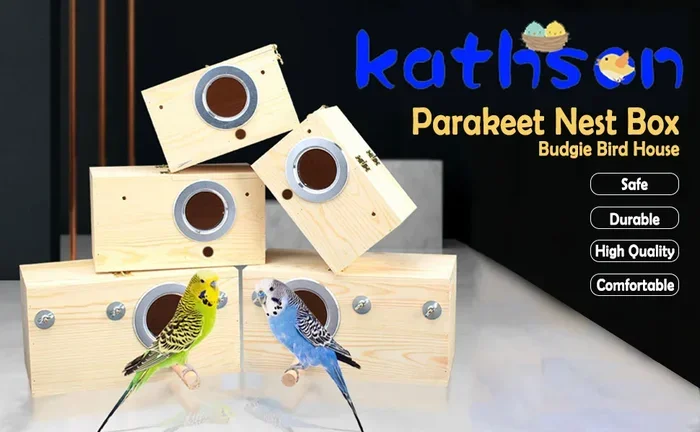
Featured image for parakeet pair nesting box
Image source: m.media-amazon.com
Breeding parakeets successfully starts with a safe, spacious cage, a compatible healthy pair, and a diet rich in calcium and protein. Follow a step‑by‑step routine — from courtship signs to egg incubation and chick weaning — to raise strong, social birds while avoiding common pitfalls.
Breeding parakeets can feel like opening a tiny, feathered nursery in your living room. Who should try it? Anyone with a stable home, a willingness to learn, and a pair of healthy, mature birds. What you need is a proper cage, a nest box, a balanced diet, and patience. Where does it happen? Inside a quiet corner of your house, away from drafts and loud traffic. When is the best time? Spring and early summer mimic the natural breeding season, but indoor lighting lets you breed year‑round. Why bother? Watching a clutch hatch and grow is one of the most rewarding experiences for bird lovers, and it deepens your bond with these intelligent companions.
Think of the nest box as a miniature apartment: it must be cozy, secure, and just the right size. If the “apartment” is too big, the parents feel exposed; too small, and the chicks can’t move. The same logic applies to lighting, temperature, and diet — each piece works together like a well‑tuned orchestra.
Key Takeaways
- Environment First: A quiet, temperature‑controlled cage with a proper nest box mimics a natural hollow and reduces stress.
- Pair Compatibility: Choose birds aged 1‑3 years, unrelated, and vetted for disease to maximize fertility.
- Nutrition Boost: Supplement the daily seed mix with cuttlebone, egg food, and fresh greens during the breeding cycle.
- Monitor Egg Timeline: Expect 4‑6 eggs laid 1‑2 days apart; incubation lasts 18‑21 days.
- Chick Care Routine: Hand‑feed only if parents neglect; otherwise, let parents feed and keep the nest clean.
- Ethical Rehoming: Plan for responsible placement of fledglings before breeding to avoid overpopulation.
- Record Keeping: Log dates, weights, and behaviors to spot problems early and improve future clutches.
📑 Table of Contents
Preparing the Environment
Choosing the Right Cage
Start with a cage at least 30 inches wide, 18 inches deep, and 24 inches tall. Horizontal space matters more than height because parakeets fly side‑to‑side. Use natural‑wood perches of varying diameters to exercise feet and prevent pressure sores. Place the cage on a sturdy stand, not on the floor, to reduce vibration from footsteps.
Lighting and Temperature
Parakeets need 12‑14 hours of light to trigger hormonal cycles. Full‑spectrum LED bulbs placed 12‑18 inches above the cage simulate sunlight without overheating. Keep the room temperature between 70‑75 °F (21‑24 °C). Sudden drops below 65 °F can halt egg production, while spikes above 80 °F stress the birds.
Nest Box Setup
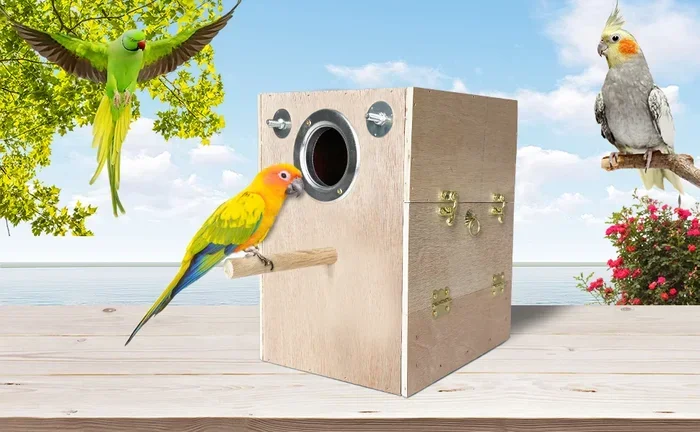
Attach a wooden nest box (about 6 × 6 × 8 inches) to the side of the cage, entrance hole facing inward. Line the floor with untreated pine shavings — never cedar, which releases toxic oils. Add a small handful of shredded paper for the female to arrange. Did you know? A study by the University of California found that parakeets given a choice of nesting material prefer soft, fibrous substrates, which correlates with higher hatch rates.
Selecting a Healthy Breeding Pair
Age and Maturity
Both birds should be at least 12 months old; younger birds often produce infertile eggs. Peak fertility occurs between 1‑3 years. After 4 years, egg quality declines, similar to how human fertility changes with age.
Visual guide about parakeet pair nesting box
Image source: m.media-amazon.com
Genetic Compatibility
Avoid pairing siblings or birds from the same clutch. Inbreeding raises the risk of congenital defects such as splayed legs or feather cysts. If you’re unsure of lineage, request a pedigree from the breeder or opt for unrelated birds from different sources.
Health Checks
Schedule a vet visit for a complete physical, fecal parasite screen, and blood work (CBC, chemistry). Look for clear eyes, smooth feathers, and a strong grip on perches. A healthy pair will display mutual preening and synchronized feeding — signs they’re bonded and ready.
Nutrition for Breeding Success
Calcium and Protein Boost
During egg formation, the female’s calcium demand skyrockets. Offer a cuttlebone or mineral block at all times, and sprinkle a pinch of powdered calcium carbonate on soft foods three times a week. Protein is equally vital; provide a commercial egg‑food mix (often called “breeder’s mash”) daily. Think of it as a prenatal vitamin for birds.
Fresh Foods and Supplements
Rotate dark leafy greens (kale, spinach), grated carrots, and sprouted seeds. These supply vitamins A, D, and E, which support embryo development. A weekly treat of cooked quinoa or brown rice adds complex carbs for sustained energy.
Water Quality
Change water twice daily. Add a few drops of avian‑safe electrolyte solution during the first week of incubation to prevent dehydration. Clean the water dish with hot water only — soap residues can deter drinking.
The Breeding Process
Courtship Behaviors
Watch for the male’s “song and dance”: head bobbing, wing flicking, and regurgitating food to the female. The female will respond by crouching, raising her tail, and allowing the male to mount. This ritual can last several days before the first egg appears.
Egg Laying Timeline
Typically, the hen lays one egg every 24‑48 hours until the clutch reaches 4‑6 eggs. Mark each egg with a soft pencil (date and number) to track development. Remove any cracked or infertile eggs after 10 days to keep the nest clean.
Incubation and Hatching
The female does most of the incubating, leaving the nest only briefly to eat and drink. The male feeds her at the nest entrance. After 18‑21 days, you’ll hear faint peeping — the chicks are pipping. Do not assist; the chick’s struggle strengthens its muscles. Once hatched, the parents will brood continuously for the first 48 hours.
Raising the Chicks
First Week Care
Chicks are altricial: naked, blind, and completely dependent. The parents feed a regurgitated “crop milk” rich in antibodies. Keep the nest box undisturbed; only check once daily to confirm all chicks are alive and gaining weight (aim for 10‑15 % daily gain). If a chick falls behind, a supplemental hand‑feeding formula (commercial parakeet hand‑feed) can be offered with a syringe, but only under veterinary guidance.
Weaning and Socialization
Around day 21, chicks develop pin feathers and start exploring the nest rim. By day 30‑35 they fledge — leaving the box for short flights. Provide a low perch near the nest for safe landings. Continue offering softened pellets and fresh foods; the parents will gradually reduce feedings. Socialize the fledglings by gentle handling 5‑10 minutes twice daily to produce tame, confident adults.
Common Health Issues
Watch for “splayed leg” (legs splay outward) — correct early with a small splint or vet‑approved tape. Respiratory infections show as tail bobbing, wheezing, or nasal discharge; treat promptly with avian antibiotics. Feather plucking in parents often signals stress; ensure the environment stays calm and the diet stays balanced.
Troubleshooting and Ethical Considerations
Infertile Eggs
If a clutch yields no hatch after 25 days, the eggs are likely infertile. Causes include poor nutrition, age mismatch, or environmental stress. Review diet, lighting, and pair compatibility before attempting another round.
Aggression and Stress
Occasionally the male becomes overly territorial, chasing the female away from food. Separate them with a divider for a few hours, then reintroduce with a shared treat. Persistent aggression may mean the pair isn’t a good match — consider re‑pairing.
Responsible Rehoming
Before you breed, line up homes for the expected fledglings. Contact local avian clubs, reputable pet stores, or friends who understand parakeet care. Never release captive‑bred birds outdoors; they lack survival skills and can disrupt native ecosystems.
Breeding parakeets is a journey of observation, patience, and gentle stewardship. By mastering the environment, nutrition, and daily routines outlined above, you give your birds the best chance to raise healthy, vibrant offspring. Remember, every clutch teaches you something new — keep a journal, stay curious, and enjoy the chorus of tiny chirps that soon fills your home.
Frequently Asked Questions
How long does it take for parakeet eggs to hatch?
Parakeet eggs typically hatch after 18 to 21 days of incubation. The female does most of the sitting, while the male feeds her at the nest entrance.
What should I feed a breeding pair of parakeets?
Provide a high‑quality seed mix supplemented with cuttlebone, egg‑food mash, fresh greens, and a calcium powder sprinkle three times a week. Fresh water must be changed twice daily.
Can I breed parakeets year‑round indoors?
Yes. By maintaining 12‑14 hours of full‑spectrum light and a stable temperature of 70‑75 °F, you can simulate spring conditions any time of year.
When should I intervene if a chick is not gaining weight?
If a chick falls behind by more than 15 % of the average daily weight gain after the first 48 hours, consult an avian veterinarian before attempting hand‑feeding.
How do I prevent inbreeding in my flock?
Keep detailed records of each bird’s lineage, avoid pairing siblings or parents with offspring, and source new birds from unrelated breeders whenever possible.
What is the best way to rehome fledglings responsibly?
Arrange adoptive homes before the eggs hatch, screen potential owners for knowledge and commitment, and provide a care sheet with diet, cage size, and veterinary contacts.