
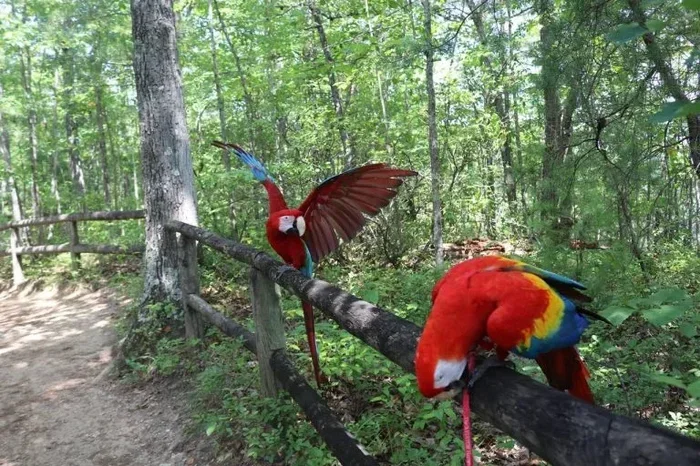
Featured image for macaw parrots breeding pair
Image source: exoticglobalparrotsfarm.com
Breeding macaw parrots requires a compatible pair, a spacious aviary, a balanced diet, and careful monitoring of eggs and chicks. With the right environment and patience, you can raise healthy, vibrant macaw offspring.
Breeding macaw parrots is a rewarding but demanding endeavor that attracts aviculturists, conservationists, and dedicated pet owners alike. Who should attempt it? Anyone with experience handling large parrots, a solid understanding of avian health, and the time to monitor a pair daily. What does the process involve? It covers pair selection, habitat design, nutrition, egg incubation, and chick rearing. Where does it happen? In a spacious, secure aviary that mimics the forest canopy. When is the best time? Most macaws breed in the spring and early summer when daylight hours increase. Why breed them? Successful programs support species preservation, provide companion birds, and deepen our knowledge of psittacine biology.
Did you know that the Scarlet Macaw can live up to 75 years in captivity? This longevity means a breeding pair can produce offspring for decades if managed well. Statistics from the Association of Avian Veterinarians show that well‑managed pairs achieve a hatch rate of 70‑80 % when temperature and humidity are kept stable. Understanding these numbers helps you set realistic goals when you learn how to breed macaw parrots.
Think of the aviary as a five‑star hotel for your birds. The nest box is the master bedroom, the perches are the lounge, and the diet is the room service menu. When every detail feels natural, the pair relaxes, bonds, and focuses on raising chicks instead of stress.
Key Takeaways
- Choose a bonded pair: Only mature, well‑socialized macaws that show mutual preening will breed reliably.
- Provide a large, secure aviary: Space reduces stress and mimics the wild canopy where macaws naturally nest.
- Offer a nutrient‑rich diet: Fresh fruits, vegetables, nuts, and a quality pellet mix support egg production and chick growth.
- Install a proper nest box: A wooden box with a 12‑inch entrance mimics a tree cavity and encourages laying.
- Monitor incubation and hatchlings: Keep temperature around 99 °F (37 °C) and humidity 55‑60 % for the best hatch rates.
- Plan for long‑term care: Macaw chicks need hand‑feeding, socialization, and veterinary checks for up to a year before they are independent.
📑 Table of Contents
Understanding Macaw Breeding Basics
Who, What, Where, When, Why
Before you start, list the key players. An experienced avian veterinarian should be on call for health checks. A knowledgeable mentor or breeder network can answer questions that books cannot. The pair itself is the core; both birds must be at least three years old for most large macaw species. The environment must be a quiet, predator‑free zone with at least 30 feet of flight space. Breeding season typically aligns with longer daylight, so plan to introduce the pair in late winter. The ultimate goal is healthy chicks that can either join a conservation program or become well‑socialized companions.
Species Considerations
Not all macaws breed under the same conditions. Blue‑and‑Gold Macaws often breed readily in captivity, while Hyacinth Macaws may need a larger flight area and a more specialized diet. Research the specific species you keep. The International Union for Conservation of Nature lists several macaw species as vulnerable; breeding them responsibly can aid population recovery. Always verify that your birds are legally obtained and that you have any required permits.
Legal and Ethical Notes
Many countries regulate the trade and breeding of psittacines under CITES appendices. Check local wildlife laws before pairing birds. Ethically, avoid inbreeding by tracking lineage. Keep detailed records of hatch dates, parentage, and health events. This data protects both the birds and your reputation as a responsible breeder.
Seasonal Timing and Photoperiod Management
Macaws are highly sensitive to day length. In the wild, breeding starts when daylight exceeds twelve hours. Replicate this by using full‑spectrum lights on a timer that gradually increases from ten to fourteen hours over six weeks. A steady photoperiod triggers hormonal cycles that prepare the female for egg production. Keep the light schedule consistent even on weekends; sudden changes can reset the internal clock. Did you know that a study of captive Blue‑and‑Gold Macaws showed a 22 % increase in clutch size when the photoperiod was managed precisely? Record the exact light on and off times in your breeding log. This data helps you repeat success year after year. If you notice the pair becoming restless or vocalizing at odd hours, adjust the timer by fifteen minutes. Small tweaks often restore calm. Consistent lighting is one of the simplest yet most powerful tools when you learn how to breed macaw parrots.
Selecting and Preparing the Breeding Pair
Age and Maturity
Macaws reach sexual maturity between three and five years, depending on species. A female that is too young may lay infertile eggs or suffer from egg binding. A male that is not fully mature may not display proper courtship. Wait until both birds show adult plumage, stable weight, and consistent vocalizations. A good rule of thumb: if the bird can crack a hard nut cleanly, it is likely physically ready for breeding.
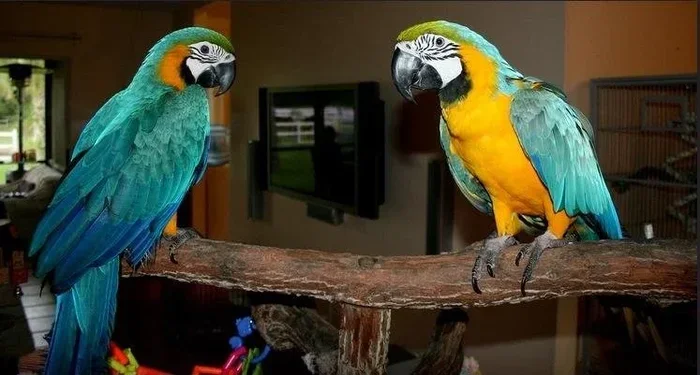
Visual guide about macaw parrots breeding pair
Image source: petclassifieds.us
Health Screening
Schedule a full veterinary exam before the breeding season. Test for Psittacine Beak and Feather Disease, Polyomavirus, and Chlamydia. Blood work should confirm normal calcium, phosphorus, and vitamin D3 levels. Parasite checks (fecal float, skin scrapings) are essential. Only birds with a clean bill of health should be paired. This step alone can raise your hatch success by 15‑20 % according to avian clinic data.
Bonding Behavior
Observe the pair for mutual preening, food sharing, and synchronized vocal duets. These behaviors signal a strong pair bond. If the birds ignore each other or show aggression, give them more time side‑by‑side in a neutral space before introducing the nest box. A bonded pair will often sleep touching each other, a clear sign they are ready to raise a family together.
Genetic Diversity and Lineage Tracking
Inbreeding depression can reduce hatch rates and increase chick mortality. Keep a pedigree chart for every bird in your collection. Use software or a simple spreadsheet to record hatch date, parents, and any health issues. When selecting a new mate, choose a bird that shares no common ancestors for at least three generations. This practice maintains genetic vigor and reduces the risk of inherited disorders such as feather plucking or immune weakness. Many successful breeders exchange birds with other facilities to broaden the gene pool. If you cannot find an unrelated partner, consider artificial insemination under veterinary guidance. Document every pairing decision; the record becomes invaluable for future conservation work. A well‑managed lineage also simplifies permit applications for CITES‑listed species. Remember, genetic health is as important as nutrition when you study how to breed macaw parrots.
Designing the Ideal Breeding Environment
Aviary Size and Layout
A minimum flight length of 30 feet (9 meters) and a height of 12 feet (3.6 meters) is recommended for large macaws. The enclosure should be constructed from stainless‑steel mesh with a 1‑inch (2.5 cm) opening to prevent escape and predator entry. Include multiple natural‑wood perches of varying diameters to exercise foot muscles. Add rope swings and foraging toys to keep the birds mentally stimulated. A well‑designed aviary reduces stress, which is a leading cause of failed clutches.
Nest Box Specifications
The nest box is the heart of the breeding setup. Use untreated hardwood such as cedar or pine. Dimensions: 24 inches (60 cm) deep, 18 inches (45 cm) wide, and 18 inches (45 cm) high. The entrance hole should be 12 inches (30 cm) in diameter, positioned near the top to mimic a tree cavity. Line the floor with a 2‑inch layer of pine shavings; avoid cedar shavings because the oils can irritate respiratory tracts. Place the box on a sturdy shelf at least 6 feet (1.8 meters) off the ground, away from direct drafts.
Climate Control
Maintain ambient temperature between 70‑80 °F (21‑27 °C) and relative humidity of 55‑60 %. Use a thermostat‑controlled heater and a humidifier with a hygrometer. Sudden temperature drops can cause the female to abandon eggs. In the wild, macaws nest in tree hollows that buffer temperature swings; your nest box should do the same. A simple analogy: the nest box is a thermos that keeps the eggs at a steady “room temperature” while the outside world changes.
Lighting, Photoperiod, and Safety Measures
Beyond temperature, lighting influences hormone production. Install UVB lamps that mimic natural sunlight for at least two hours each morning. UVB enables vitamin D3 synthesis, which is essential for calcium metabolism. Use a timer to keep the photoperiod consistent with the seasonal schedule described earlier. Safety is equally critical. Secure all mesh edges with stainless‑steel clips to prevent sharp points. Check the aviary daily for loose wires, broken perches, or gaps that a curious macaw could exploit. Fire extinguishers rated for electrical fires should be mounted near the entrance. Have an emergency evacuation plan that includes a transport carrier for each bird. Regular drills reduce panic during real events. A safe, well‑lit environment lowers stress hormones, which directly improves fertility. These practical steps are often overlooked but make a measurable difference when you practice how to breed macaw parrots.
Nutrition for Breeding Success
Daily Diet Composition
Breeding macaws need a diet that is 60 % high‑quality pellet, 20 % fresh fruits and vegetables, and 20 % nuts and seeds. Offer a variety of colors: dark leafy greens, orange carrots, red bell peppers, and blueberries provide antioxidants. Rotate nuts (almonds, walnuts, macadamia) to avoid excess fat. Fresh water must be available at all times, changed twice daily.
Supplements and Calcium
Calcium is critical for eggshell formation. Provide a cuttlebone or a calcium‑rich mineral block in the aviary. During the laying period, dust a pinch of powdered calcium carbonate on soft foods three times a week. Vitamin D3 supplements help calcium absorption, especially if the birds have limited UVB exposure. Consult your avian vet for exact dosages; overdosing can cause kidney issues.
Feeding Schedule
Feed the pair twice daily—morning and late afternoon. Remove uneaten fresh food after two hours to prevent spoilage. During incubation, the female may eat less; offer high‑energy treats like sprouted mung beans to maintain her weight. After hatching, increase protein by adding cooked egg or a commercial hand‑feeding formula to the parents’ diet so they can feed the chicks adequately.
Hydration, Water Quality, and Transition Diet for Chicks
Water quality can affect both adult health and chick development. Use a filtered water system or change bottled water daily to avoid bacterial buildup. Add a few drops of avian‑safe electrolytes during hot weeks to prevent dehydration. When chicks reach ten days old, begin a gradual transition from pure formula to a soft mash of soaked pellets, mashed banana, and a pinch of calcium powder. Offer the mash in a shallow dish alongside the parent’s beak feeding. This encourages self‑feeding and reduces the risk of aspiration. Monitor crop emptying time; a healthy chick empties its crop within two hours after a meal. If the crop remains full, reduce volume and increase feeding frequency. Keep a daily weight chart; a steady upward curve signals proper nutrition. Hydration and a smooth diet transition are key pillars when you master how to breed macaw parrots.
Managing the Breeding Cycle
Recognizing Courtship
Courtship begins with the male performing a “bow‑and‑scrape” display: he lowers his head, spreads his wings, and makes soft clucking sounds. The female responds by preening the male’s feathers and offering food. These rituals can last several days. When you see the pair entering the nest box together repeatedly, egg laying is imminent. Document each behavior; a detailed log helps you predict the laying date within a two‑day window.
Egg Laying and Incubation
Most macaws lay two to three eggs, spaced 48 hours apart. The female starts incubation after the second egg. Ideal incubation temperature is 99 °F (37.2 °C) with 55‑60 % humidity. If you use an artificial incubator, turn the eggs gently four times daily. Natural incubation by the parents is preferred because they regulate temperature and humidity instinctively. Did you know? A study in the Journal of Avian Medicine reported that parent‑incubated eggs have a 10 % higher hatch rate than artificially incubated ones.
Hatchling Care and Hand‑Feeding
Chicks hatch blind, naked, and completely dependent. The parents will brood them for the first 10‑14 days. If a chick is weak or the parents neglect it, intervene with a commercial hand‑feeding formula warmed to 105 °F (40.5 °C). Feed every two hours for the first week, then gradually extend intervals. Use a soft syringe with a tapered tip to mimic the parent’s beak. Weigh each chick daily; a healthy gain is 10‑15 % of body weight per day. Socialize the chicks by handling them gently for a few minutes each day—this reduces fear of humans later.
Monitoring Egg Development and Fledging Timeline
Candling eggs every three days after the first week reveals embryo growth. Use a bright, cool LED light and hold the egg gently; a dark silhouette with visible veins means the embryo is alive. Record the date, egg number, and observation in your log. Around day twenty‑four, the chick will pip the shell, creating a small hole. Do not assist unless the chick shows no progress after twelve hours. Once hatched, the fledging period lasts roughly ninety to one hundred days for large macaws. During this time, the parents will gradually reduce feedings and encourage wing exercises. Provide a low perch near the nest box so the chick can practice short flights. By day one hundred twenty, the juvenile should be fully feathered and capable of independent feeding. Tracking each milestone helps you spot delays early and adjust care. Consistent monitoring is the backbone of a successful breeding program when you learn how to breed macaw parrots.
Common Challenges and Troubleshooting
Infertility and Egg Binding
Infertile eggs are common in first‑time pairs. Candle the eggs at day 7 to check for development; a clear egg indicates infertility. Egg binding occurs when a female cannot pass an egg, often due to calcium deficiency or obesity. Signs include straining, tail pumping, and lethargy. Immediate veterinary care is required; a warm, humid environment and a calcium injection can resolve many cases. Prevent binding by ensuring the female’s diet meets calcium needs before laying begins.
Aggression and Pair Separation
Even bonded pairs can become territorial during breeding. The male may guard the nest box aggressively, chasing the female away. If aggression escalates to feather plucking or bite wounds, separate the birds temporarily with a visual barrier. Re‑introduce them slowly, allowing supervised interactions. In some cases, swapping the male with a more compatible partner solves the problem. Patience and observation are your best tools.
Disease Prevention
Quarantine any new bird for at least 45 days before introducing it to the breeding aviary. Disinfect perches, toys, and nest boxes with a bird‑safe cleaner (e.g., F10SC) weekly. Vaccinate against Polyomavirus if a vaccine is available in your region. Keep a log of any illness, treatment, and outcome. A clean, low‑stress environment is the single most effective disease barrier.
Behavioral Enrichment and Emergency Preparedness
Enrichment keeps breeding pairs mentally healthy and reduces abnormal behaviors. Rotate puzzle feeders, chewable branches, and foraging trays weekly. Introduce novel sounds like rainforest recordings for short periods; this mimics the wild soundscape and can stimulate natural courtship. Always supervise new items to prevent ingestion of small parts. Emergency preparedness is equally vital. Keep a fully stocked avian first‑aid kit: sterile gauze, antiseptic spray, syringes, and a heat pack. Know the location of the nearest avian emergency clinic and have their phone number posted. Conduct a quarterly drill where you simulate a power outage, a predator intrusion, or a sudden illness. Practicing these scenarios builds confidence and reduces response time. A calm, enriched environment paired with a solid emergency plan dramatically improves breeding outcomes when you apply how to breed macaw parrots.
Breeding macaw parrots is a long‑term commitment that blends science, art, and a touch of intuition. By following the steps outlined above—selecting a healthy, bonded pair; providing a spacious, climate‑controlled aviary; feeding a balanced, calcium‑rich diet; and monitoring every stage from courtship to fledging—you give your birds the best chance to raise vibrant, healthy offspring. Remember, each pair is unique; adapt the guidelines to fit their personalities and your facilities. With dedication and careful record‑keeping, you will not only enjoy the miracle of new life but also contribute to the preservation of these magnificent birds for future generations.
Frequently Asked Questions
What is the ideal age for macaws to start breeding?
Most large macaw species reach sexual maturity between three and five years. Wait until both birds show full adult plumage, stable weight, and consistent courtship behavior before pairing them.
How large should the breeding aviary be?
A minimum flight length of 30 feet (9 meters) and a height of 12 feet (3.6 meters) is recommended. Larger spaces reduce stress and mimic the natural canopy where macaws nest.
What temperature and humidity are best for incubating macaw eggs?
Maintain an incubation temperature of 99 °F (37.2 °C) with 55‑60 % relative humidity. Stable conditions are critical; fluctuations can cause embryo death or hatchling deformities.
Can I hand‑feed macaw chicks from day one?
Hand‑feeding is only necessary if the parents abandon or cannot care for a chick. If you must intervene, use a commercial formula warmed to 105 °F (40.5 °C) and feed every two hours for the first week.
What supplements are essential during the breeding season?
Calcium (cuttlebone or mineral block) and vitamin D3 are crucial for eggshell formation and chick bone development. Provide calcium dust on soft foods three times a week during laying.
How do I prevent aggression between the breeding pair?
Observe daily for signs of excessive chasing or feather plucking. If aggression appears, separate the birds with a visual barrier, then re‑introduce them slowly under supervision. Compatibility testing before the breeding season reduces this risk.