
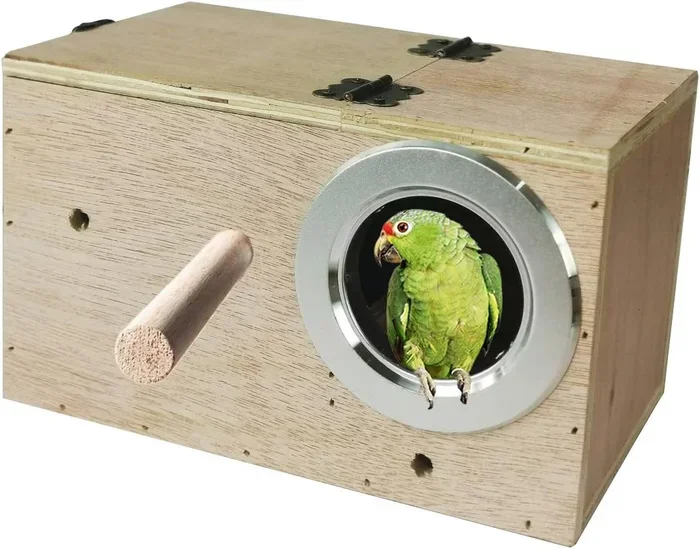
Featured image for breeding parrots nesting box
Image source: images-na.ssl-images-amazon.com
Breeding parrots at home requires careful pair selection, a secure nesting setup, specialized nutrition, and vigilant monitoring of eggs and chicks. With the right knowledge and patience, you can raise healthy fledglings while ensuring the well‑being of the parents.
Breeding parrots at home can be one of the most rewarding experiences for a bird lover. It lets you witness the miracle of life up close while contributing to the preservation of species that may be rare in the wild. However, it is not a casual hobby; it demands research, preparation, and a long‑term commitment to the health of both parents and offspring.
Before you place a nest box in the aviary, you need a solid understanding of the biological and behavioral needs of the species you intend to breed. This guide walks you through every critical step, from choosing the right pair to raising independent juveniles. Think of it as building a house: you need a strong foundation (knowledge), the right materials (environment and diet), and careful craftsmanship (daily monitoring) to ensure the structure stands the test of time.
Key Takeaways
- Species compatibility matters: Only pair parrots of the same species or proven compatible hybrids to avoid aggression and genetic issues.
- Environment mimics the wild: Provide a spacious aviary, proper lighting cycles, and a nest box that matches the species’ natural cavity size.
- Nutrition is the foundation: A balanced diet of pellets, fresh fruits, vegetables, and calcium supplements supports egg production and chick growth.
- Health checks prevent problems: Regular veterinary exams, parasite screening, and quarantine for new birds reduce disease risk.
- Incubation requires stability: Maintain consistent temperature (99–100 °F) and humidity (50–55 %) for successful hatch rates.
- Hand‑feeding is a skill: If parents reject chicks, a precise hand‑feeding schedule with a species‑specific formula is essential.
- Legal and ethical responsibility: Check local permits, CITES regulations, and commit to lifelong care for every bird you produce.
📑 Table of Contents
Understanding Parrot Breeding Basics
Why parrots breed differently than other pets
Parrots are highly intelligent, socially complex birds. In the wild they form lifelong pair bonds, defend territories, and invest heavily in a few offspring. This means breeding in captivity must replicate those social cues. A single bird kept alone will rarely show breeding behavior, and forced pairing often leads to stress or aggression.
Key biological milestones
- Sexual maturity: Most medium‑size parrots (e.g., African greys, Amazons) reach maturity at 3–5 years; larger macaws may take 5–7 years.
- Breeding season: In the northern hemisphere many species respond to increasing daylight, typically breeding from late winter to early summer.
- Clutch size: Average clutches range from 2–4 eggs for small conures to 2–3 for large macaws.
Did you know?
Parrot eggs are among the most nutrient‑dense of all bird eggs, containing about 12 % protein and 10 % fat by weight. This high energy content fuels rapid chick growth.
Selecting Compatible Pairs
Species and subspecies matching
Only pair birds of the same species or scientifically recognized subspecies. Hybrid pairs can produce offspring with health defects, behavioral confusion, or sterility. For example, a blue‑and‑gold macaw crossed with a scarlet macaw often yields chicks with compromised immune systems.
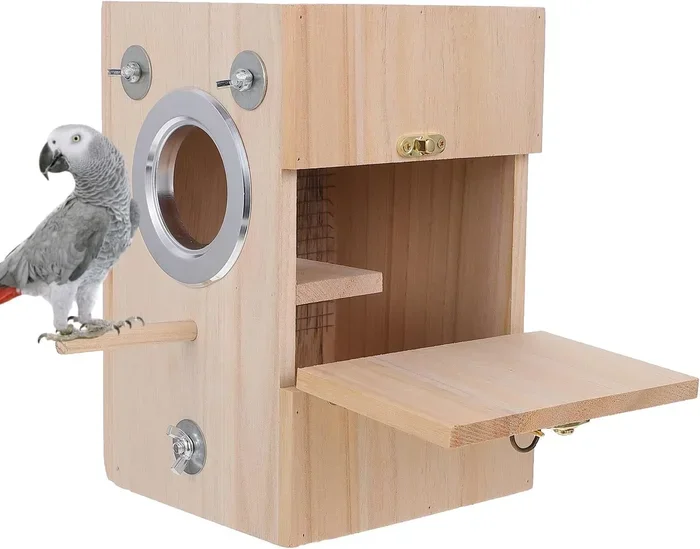
Visual guide about breeding parrots nesting box
Image source: m.media-amazon.com
Behavioral compatibility
Observe potential mates for at least 30 days in a neutral space. Look for mutual preening, food sharing, and synchronized vocalizations. Aggressive chasing, feather plucking, or constant squawking are red flags. A compatible pair will often sleep side by side and defend a shared perch.
Genetic health screening
Before breeding, have both birds tested for common hereditary diseases such as Psittacine Beak and Feather Disease (PBFD), Polyomavirus, and Chlamydia psittaci. A clean bill of health reduces the risk of passing infections to chicks.
Age and experience
First‑time breeders may need a “learning season” where they practice nest building and egg laying without the pressure of raising chicks. Allowing a pair to go through a dummy clutch (infertile eggs) can improve future success rates by up to 20 %.
Setting Up the Perfect Nesting Environment
Aviary size and layout
Provide at least 10 ft × 10 ft × 8 ft for medium parrots; larger macaws need 15 ft × 15 ft × 10 ft. Include multiple perches at varying heights, natural branches, and foraging toys to reduce boredom. A spacious environment mimics the territorial space a wild pair would defend.
Lighting and photoperiod
Use full‑spectrum UVB lighting on a timer to simulate natural day length. Gradually increase daily light from 10 hours to 14 hours over 4–6 weeks to trigger hormonal changes. Consistent photoperiod is as important as temperature for initiating breeding.
Nest box design
- Dimensions: Match the internal cavity to the species. For African greys, a 12 in × 12 in × 18 in box works well; for macaws, 18 in × 18 in × 24 in.
- Entrance hole: 3–4 in diameter, positioned near the top to discourage predators.
- Material: Untreated hardwood (e.g., pine, cedar) with a removable inspection door.
- Substrate: A 2‑inch layer of shredded paper or coconut fiber; avoid sawdust which can cause respiratory irritation.
Temperature and humidity control
Maintain ambient temperature between 70–80 °F. During incubation, a dedicated incubator or a brooder box set at 99–100 °F with 50–55 % humidity yields the highest hatch rates. Sudden fluctuations can cause embryonic death.
Security and privacy
Place the nest box in a quiet corner, shielded from direct human traffic. A visual barrier (e.g., a bamboo screen) reduces stress. Remember, a stressed hen may abandon eggs or pluck her own feathers.
Nutrition and Health Management
Foundation diet
Base the diet on a high‑quality pelleted formula (70 % of intake). Supplement with fresh vegetables (dark leafy greens, carrots, bell peppers) and fruits (berries, mango, papaya) making up 20 %. The remaining 10 % can be nuts, seeds, and occasional cooked grains.
Breeding‑specific supplements
- Calcium: Cuttlebone, calcium carbonate powder, or liquid calcium added to water (1 tsp per liter) during egg laying.
- Vitamin D3: Essential for calcium absorption; ensure UVB exposure or provide a D3 supplement.
- Omega‑3 fatty acids: Flaxseed oil or algae‑based DHA improves egg yolk quality.
Water and hygiene
Change water twice daily. Clean food dishes and perches weekly with a bird‑safe disinfectant. A clean environment prevents bacterial infections that can be fatal to embryos.
Veterinary schedule
Pre‑breeding exam (blood work, fecal parasite check). Mid‑incubation check (weight, feather condition). Post‑hatch exam at 7 days, 21 days, and before weaning. Early detection of issues like egg binding or yolk sac infection saves lives.
Did you know?
Parrots can store calcium in their medullary bones, a unique adaptation that allows females to mobilize calcium rapidly for eggshell formation. Providing adequate dietary calcium ensures this reserve stays full.
Monitoring Egg Laying and Incubation
Recognizing the laying cycle
The hen will spend increasing time in the nest box, often rearranging substrate. She may lay one egg every 1–2 days until the clutch is complete. Mark each egg with a soft pencil (date and order) to track development.
Candling technique
At day 7 and day 14, candle eggs in a dark room using a bright LED light. Look for a network of blood vessels (fertile) versus a clear yolk (infertile). Remove infertile eggs to prevent bacterial growth.
Artificial incubation vs. parental incubation
If parents are inexperienced or the environment is unstable, an incubator offers precise control. Set temperature to 99.5 °F, humidity 55 %, and turn eggs automatically 4–6 times daily. Parental incubation is natural but requires the hen to maintain consistent body heat; monitor her weight loss—excessive loss signals trouble.
Common incubation problems
- Egg binding: Hen strains, tail pumping, lethargy. Warm baths and calcium injection by a vet can resolve.
- Dead‑in‑shell: Embryo dies late; often due to humidity spikes.
- Malposition: Chick cannot pip; may need assisted hatch under veterinary guidance.
Raising Chicks to Independence
First 48 hours – critical window
Chicks hatch wet and exhausted. Parents usually brood them continuously. If a chick is ignored, intervene immediately: place it in a pre‑warmed brooder (95 °F) and begin hand‑feeding within 2 hours.
Hand‑feeding protocol
- Formula: Species‑specific commercial hand‑feeding formula (e.g., Kaytee Exact, Harrison’s). Mix to a pudding consistency at 105 °F.
- Frequency: Every 2 hours for the first week, then every 3 hours until 3 weeks.
- Volume: 10–12 % of body weight per feeding; weigh chicks daily.
- Technique: Use a syringe with a soft silicone tip; feed slowly to avoid aspiration.
Weaning and socialization
At 6–8 weeks, introduce softened pellets, chopped veggies, and millet sprays. Encourage self‑feeding by placing food in shallow dishes. Simultaneously, allow supervised interaction with the parents and other flock members to develop proper vocalizations and social skills.
Health monitoring
Track weight gain (10–15 % daily in the first week). Watch for signs of dehydration (sunken eyes), crop stasis (hard crop), or respiratory distress (tail bobbing). Prompt veterinary care improves survival dramatically.
Legal and ethical considerations
Many parrot species are listed under CITES Appendix I or II. Obtain necessary permits before breeding, selling, or gifting offspring. Commit to a lifetime care plan—parrots can live 30–80 years. Never release captive‑bred birds into the wild; they lack survival skills and can disrupt local ecosystems.
Conclusion
Breeding parrots at home is a journey that blends science, patience, and deep respect for these remarkable creatures. By mastering pair selection, creating a naturalistic nesting space, providing targeted nutrition, and vigilantly monitoring every stage from egg to fledgling, you give your birds the best chance for a healthy start. Remember, each successful hatch is not just a personal triumph—it contributes to the broader knowledge base that helps aviculturists worldwide protect and preserve parrot diversity. Stay curious, stay diligent, and enjoy the extraordinary privilege of watching new life unfold under your care.
Frequently Asked Questions
What is the minimum age a parrot should be before breeding?
Most medium‑size parrots reach sexual maturity at 3–5 years, while large macaws may need 5–7 years. Breeding before full maturity can cause health complications for both parents and chicks.
How do I know if my parrot pair is compatible?
Look for mutual preening, food sharing, synchronized vocalizations, and peaceful co‑roosting. Aggression, feather plucking, or constant chasing indicate incompatibility.
What temperature and humidity are ideal for incubating parrot eggs?
Maintain 99–100 °F (37.2–37.8 °C) with 50–55 % relative humidity. Consistent conditions are crucial; fluctuations can cause embryonic death.
Can I hand‑feed chicks if the parents reject them?
Yes. Use a species‑specific hand‑feeding formula at 105 °F, feeding every 2 hours for the first week, then every 3 hours. Weigh chicks daily to ensure proper growth.
Do I need a permit to breed parrots at home?
Many parrot species are protected under CITES and local wildlife laws. Check with your national wildlife agency and obtain any required permits before breeding or transferring offspring.
How long does it take for a parrot chick to become independent?
Most chicks fledge at 8–12 weeks and are fully weaned by 12–16 weeks, depending on species. Socialization with parents and flock members continues for several months after weaning.