
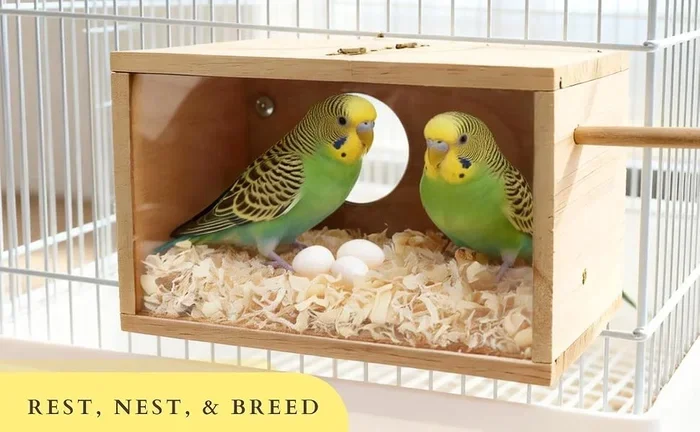
Featured image for parakeet pair breeding box
Image source: m.media-amazon.com
Breeding parakeets is rewarding when you start with healthy, mature birds, a proper nest box, and the right light cycle. This guide walks you through every stage — from pair selection to chick weaning — so you can raise vibrant, well‑socialized babies with confidence.
Breeding parakeets can feel like opening a tiny avian nursery in your living room. The excitement of hearing the first peep is unmatched, but success starts long before the first egg appears. This article gives you a clear, step‑by‑step roadmap so you can move from curiosity to confident breeder.
We’ll cover who should breed, what equipment you need, where to place the nest, when the birds are ready, and why each detail matters. Think of it as a recipe: each ingredient — healthy birds, proper lighting, a safe nest — must be measured correctly for the final dish to turn out well.
Key Takeaways
- Choose mature, bonded pairs: Birds should be at least 12 months old and show mutual preening.
- Provide a secure nest box: A 12‑inch deep box with soft bedding mimics a natural cavity.
- Control light exposure: 12–14 hours of light triggers breeding hormones.
- Monitor nutrition closely: High‑protein egg food and calcium supplements support egg production.
- Watch for common issues: Infertile eggs, egg binding, and aggression can be managed with early intervention.
- Socialize chicks early: Gentle handling from day 10 builds tame, friendly adults.
- Keep records: Note hatch dates, weights, and any health concerns for future reference.
📑 Table of Contents
Understanding Parakeet Breeding Basics
Who Should Breed Parakeets?
Anyone with a stable home, time for daily checks, and a willingness to learn can breed parakeets. You do not need a professional aviary. A quiet corner of a room works fine. However, you must be ready for the responsibility of caring for up to eight chicks at once. If you travel often or have limited space, consider waiting until your schedule settles.
What You Need Before You Start
Gather these essentials before introducing a pair:
- A spacious cage (minimum 30 × 18 × 18 inches) for the breeding pair.
- A wooden nest box, 12 inches deep, with a 2‑inch entrance hole.
- Soft nesting material such as shredded paper or coconut fiber.
- Full‑spectrum lighting on a timer.
- High‑quality pellet diet, fresh vegetables, and a calcium supplement.
- Egg‑food mix (commercial or homemade) for the breeding season.
Did you know? A well‑fed female can lay a clutch of 4‑8 eggs, with an average of 5. Proper nutrition directly influences clutch size.
Where to Set Up the Breeding Space
Place the cage in a low‑traffic area away from drafts, direct sunlight, and loud appliances. Parakeets prefer a calm environment that mimics the quiet of a tree hollow. A corner near a window with a sheer curtain provides natural light without overheating. Keep the temperature between 70‑75 °F (21‑24 °C) for optimal comfort.
When Is the Right Time?
Parakeets are photoperiodic — they breed when daylight lengthens. In the wild, this happens in spring. You can simulate spring by setting the timer to 12‑14 hours of light daily for 4‑6 weeks before introducing the nest box. Most pairs begin courtship within two weeks of the light change.
Why Breed Parakeets?
Breeding lets you preserve favorite color mutations, share birds with friends, or simply enjoy the miracle of new life. It also deepens your understanding of avian behavior. Many hobbyists find the experience therapeutic, similar to gardening — you nurture, watch growth, and reap colorful rewards.
Preparing the Pair
Selecting Healthy Birds
Choose birds with bright eyes, smooth feathers, and active curiosity. Avoid any bird showing signs of respiratory distress (tail bobbing, wheezing) or feather plucking. A veterinary check‑up before pairing is a smart investment. Healthy parents produce stronger chicks.
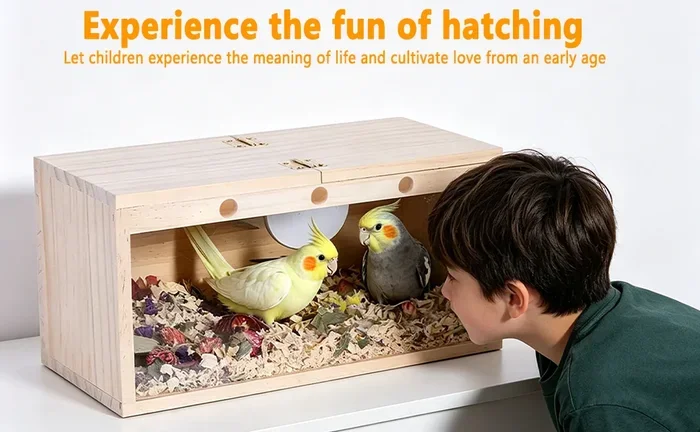
Visual guide about parakeet pair breeding box
Image source: m.media-amazon.com
Age and Maturity
Both male and female should be at least 12 months old. Younger birds may lay eggs, but fertility drops sharply before full maturity. Think of it like a teenager trying to run a marathon — possible, but not ideal.
Compatibility and Bonding
Introduce the pair in a neutral cage for a week. Watch for mutual preening, feeding each other, and sitting side by side. These behaviors signal a strong pair bond. If they fight or ignore each other, try a different partner. A bonded pair is the foundation of successful breeding.
Setting Up the Nesting Environment
Choosing the Right Nest Box
A wooden box measuring roughly 12 × 8 × 8 inches works well. The entrance hole should be 2 inches in diameter — large enough for the female to enter but small enough to keep predators out. Secure the box to the side of the cage with screws, not tape, to prevent wobbling.
Bedding Materials and Temperature
Line the box with 1‑2 inches of shredded paper or coconut fiber. Avoid cotton or synthetic fibers; they can wrap around tiny legs. Keep the nest area at the same temperature as the rest of the cage. A sudden chill can cause the female to abandon the eggs.
Lighting and Day Length
Maintain the 12‑14 hour light schedule throughout incubation and chick rearing. Consistency tells the birds that conditions remain favorable. Use a timer to avoid human error. If you notice the female spending less time in the box, check the timer first.
The Breeding Process Step by Step
Courtship Behaviors
When the pair is ready, the male will sing, bob his head, and offer food to the female. She may reciprocate by preening him. This “dance” can last several days. It’s the avian equivalent of a first date — both parties test compatibility before committing.
Egg Laying and Incubation
The female typically lays one egg every other day until the clutch is complete. She will start incubating after the second or third egg. Incubation lasts 18‑21 days. During this period, minimize disturbances. Only open the cage for essential feeding and water changes.
Hatching and Early Care
Chicks hatch blind, naked, and completely dependent. The parents will feed them a regurgitated “crop milk” rich in protein. Do not attempt to hand‑feed unless a chick is clearly neglected. In the first 48 hours, the parents’ instinct is usually flawless.
Raising the Chicks
Feeding the Parents and Chicks
Provide a constant supply of egg‑food, sprouted seeds, and fresh greens. The parents need extra calories to produce crop milk. Calcium supplements (cuttlebone or liquid calcium) prevent egg binding in the female and support chick bone development.
Monitoring Growth and Health
Weigh each chick daily using a small gram scale. Healthy chicks gain 10‑15 % of their body weight each day. Look for clear eyes, clean vents, and steady breathing. Any chick that falls behind should be examined by an avian vet promptly.
Weaning and Socialization
Around 3‑4 weeks, chicks begin exploring solid food. Offer millet spray, softened pellets, and chopped veggies. Gentle handling for a few minutes each day after day 10 builds trust. Think of it as “preschool” for birds — early social contact creates friendly adult pets.
Common Challenges and How to Overcome Them
Infertile Eggs
Infertile eggs are common in first‑time pairs. Candle the eggs (shine a bright light through) at day 7. Clear eggs are infertile; remove them to prevent the female from wasting energy. Improving diet and ensuring the male is mature often solves the issue for the next clutch.
Egg Binding
Egg binding occurs when a female cannot pass an egg. Signs include straining, tail pumping, and lethargy. Warm the bird gently (a heating pad on low under half the cage) and offer a few drops of liquid calcium. If the egg does not pass within an hour, seek veterinary help immediately.
Aggression and Stress
Overcrowding, sudden noise, or a mismatched pair can trigger aggression. The male may chase the female away from the nest. Provide visual barriers (a cloth drape) and ensure each bird has a perch away from the nest box. Reducing stressors restores calm breeding behavior.
Breeding parakeets for beginners is a journey of patience, observation, and gentle care. By following the steps above — selecting a bonded, mature pair, creating a safe nest, controlling light, and feeding a nutrient‑rich diet — you set the stage for healthy chicks and a rewarding experience. Remember, every breeder started with a single clutch. Your first successful hatch will teach you more than any book ever could. Enjoy the process, keep learning, and share the joy of new feathered lives with fellow bird lovers.
Frequently Asked Questions
How long does it take for parakeet eggs to hatch?
Parakeet eggs typically hatch after 18 to 21 days of incubation. The female begins incubating after the second or third egg, so chicks may hatch a day apart.
What should I feed breeding parakeets?
Offer a high‑quality pellet base, fresh vegetables, sprouted seeds, and a commercial egg‑food mix. Add a calcium source like cuttlebone or liquid calcium to support egg production and chick bone growth.
Can I breed parakeets in a regular pet cage?
Yes, if the cage meets the minimum size (30 × 18 × 18 inches) and you can attach a secure nest box. The cage must be in a quiet, draft‑free location with controllable lighting.
How do I know if my parakeet pair is bonded?
Look for mutual preening, feeding each other, sitting side by side, and the male singing to the female. These behaviors indicate a strong pair bond ready for breeding.
What is egg binding and how do I treat it?
Egg binding is when a female cannot pass an egg. Warm the bird gently, provide liquid calcium, and keep her calm. If the egg does not pass within an hour, contact an avian veterinarian immediately.
When can I start handling the chicks?
Begin brief, gentle handling around day 10 after hatching. Early socialization helps chicks become tame, friendly adults. Always wash hands before and after handling.