
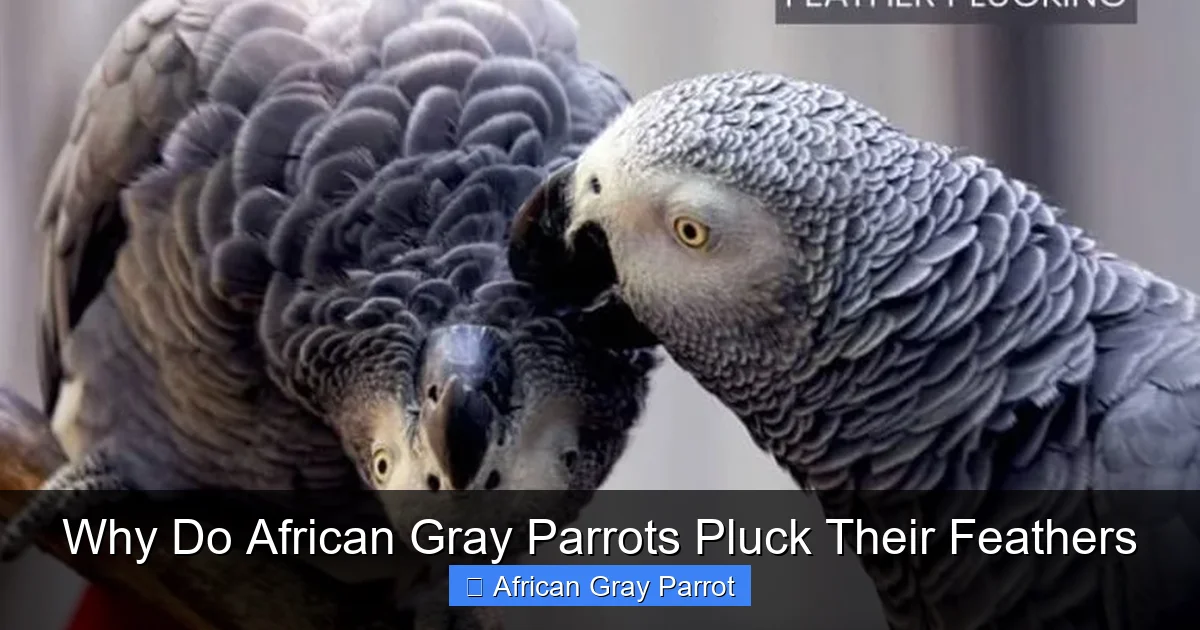
African Gray parrots pluck their feathers due to medical issues, psychological stress, poor nutrition, or environmental factors. Identifying the root cause requires veterinary testing and careful observation of your bird’s daily routine. With proper diagnosis and targeted treatment, most feather plucking cases can be significantly improved or resolved completely.
If you share your home with an African Gray parrot, you know these birds are brilliant, sensitive, and deeply bonded to their people. You also know the heartbreak of finding feathers scattered across the cage floor. Feather destruction is one of the most common and frustrating problems Gray owners face. Understanding why do African Gray parrots pluck their feathers requires detective work. The answer is rarely simple. Most cases involve multiple overlapping factors. This guide walks you through every major cause, from hidden infections to boredom, and gives you practical steps to help your bird heal.
African Grays rank among the most intelligent birds on the planet. Their cognitive abilities rival those of a young child. This intelligence makes them amazing companions. It also makes them vulnerable. A bored Gray doesn’t just sit quietly. A stressed Gray doesn’t shake it off. These birds internalize frustration. Feather plucking becomes a coping mechanism. Think of it like nail biting in humans, but with far more serious consequences. The behavior damages follicles. It leads to infection. It can become a lifelong compulsion. The good news? Most birds improve significantly when their specific triggers are identified and addressed.
Key Takeaways
- Medical conditions come first: Always rule out infections, parasites, organ disease, and hormonal imbalances with an avian veterinarian before assuming behavioral causes.
- Psychological stress is a major driver: Boredom, loneliness, lack of mental stimulation, and changes in routine trigger feather destruction in these highly intelligent birds.
- Nutrition plays a critical role: Deficiencies in vitamin A, calcium, amino acids, and essential fatty acids directly impact feather health and regrowth.
- Environmental factors matter: Low humidity, poor lighting, cigarette smoke, and inadequate cage size all contribute to why do African Gray parrots pluck their feathers.
- Early intervention improves outcomes: The longer plucking continues, the more likely it becomes a compulsive habit that resists treatment.
- Enrichment is essential: Foraging toys, puzzle feeders, training sessions, and social interaction reduce plucking by satisfying natural behavioral needs.
- Collars are a last resort: Elizabethan collars prevent damage but don’t address the underlying cause and can increase stress if used without concurrent treatment.
Quick Answers to Common Questions
Can feather plucking be completely cured?
Many cases resolve fully with proper treatment. Some birds have permanent follicle damage preventing regrowth. The goal is stopping the behavior and maximizing quality of life.
How long does it take to see improvement after dietary changes?
Feather quality improves during the next molt cycle. This can take 6 to 12 months. Behavioral improvements from better nutrition may appear within weeks.
Is it normal for African Grays to pluck during molting?
Some increased preening occurs during molt. Active feather pulling is never normal. Distinguish between removing loose sheaths and damaging live feathers.
Can I use a collar to stop my bird from plucking?
Collars prevent damage but don’t treat the cause. Use only under veterinary guidance while simultaneously addressing medical and behavioral triggers.
Will getting another bird stop my Gray from plucking?
Sometimes a companion helps loneliness driven plucking. Sometimes it adds stress. Never get a second bird solely to fix plucking. Quarantine and slow introduction are mandatory.
📑 Table of Contents
- Understanding Feather Plucking in African Grays
- Medical Causes Behind Feather Destruction
- Psychological Triggers and Environmental Stress
- Nutritional Deficiencies and Diet Impact
- Environmental Factors That Trigger Plucking
- How to Stop and Prevent Feather Plucking
- When to See an Avian Veterinarian
- Living With a Plucking Parrot: Long Term Management
Understanding Feather Plucking in African Grays
What Counts as Feather Plucking
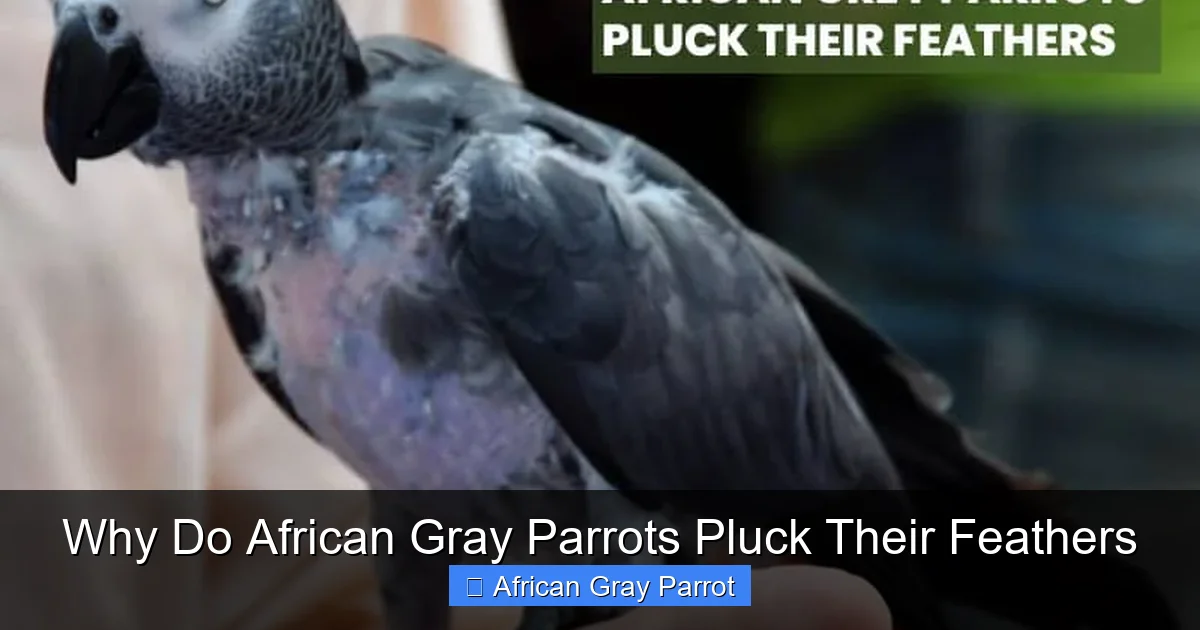
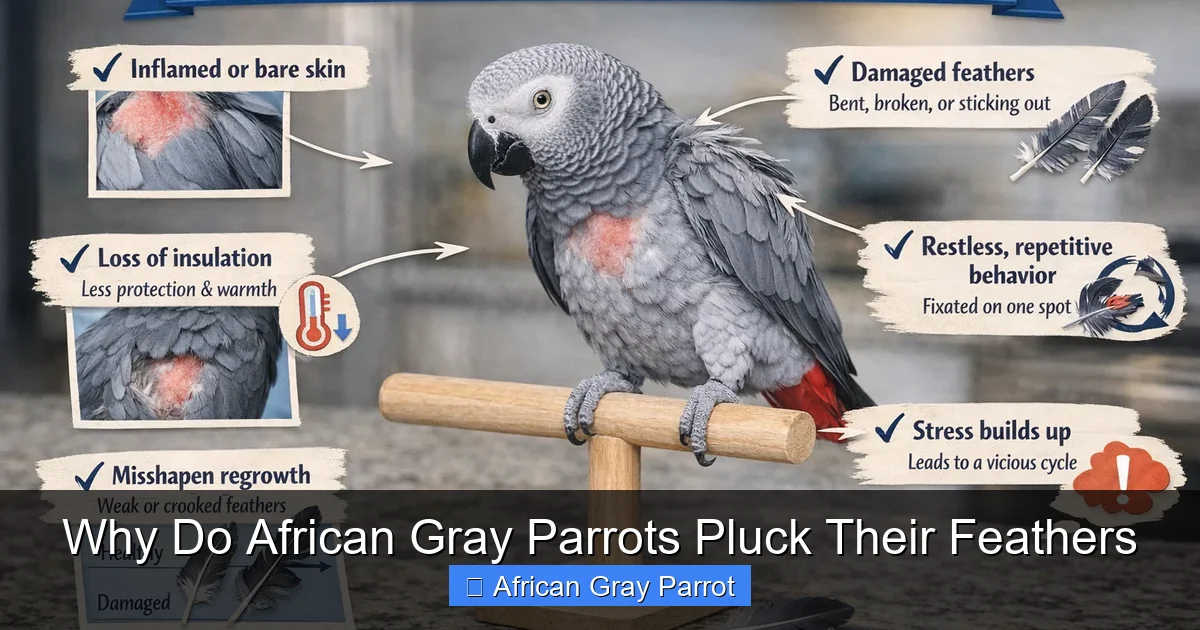
Not all feather loss is plucking. Normal molting happens once or twice yearly. You’ll see symmetrical feather loss. New pin feathers emerge. The bird looks a bit scruffy but acts normal. Plucking looks different. The bird actively pulls or chews feathers. Damage appears asymmetrical. You’ll see bare patches on the chest, legs, or wings. The head usually stays feathered because the bird can’t reach it. Some birds over preen. They fray feather barbs until shafts snap. Others pull feathers out completely. Both damage the follicle. Repeated trauma causes scarring. Scarred follicles stop producing feathers permanently.
Why African Grays Are Especially Prone
African Grays top the list for feather destruction. Several traits make them susceptible. Their intelligence demands constant mental engagement. Their sensitivity means small changes feel catastrophic. Their strong pair bonding creates separation anxiety. Their long lifespan means chronic conditions develop slowly. Wild Grays fly miles daily. They forage for hours. They live in complex social flocks. Captivity removes all of this. Even the best home can’t fully replicate wild conditions. The gap between what a Gray needs and what it gets drives many cases of why do African Gray parrots pluck their feathers.
The Difference Between Plucking and Mutilation
Feather plucking damages feathers. Skin mutilation damages tissue. Some birds progress from plucking to chewing skin. They create open wounds. This is self mutilation. It requires immediate veterinary intervention. Mutilation indicates severe distress or neurological issues. Birds that mutilate need pain management, antibiotics, and often psychotropic medication. Don’t wait. This is a medical emergency.
Medical Causes Behind Feather Destruction
Skin Infections and Parasites
Bacteria, fungi, and parasites irritate skin. The bird plucks to relieve itching. Common culprits include Staphylococcus bacteria, Malassezia yeast, and Giardia parasites. Mites are rare in indoor birds but possible. A vet performs skin scrapes, feather pulp cultures, and fecal tests. Treatment targets the specific organism. Antibiotics, antifungals, or antiparasitics clear the infection. The plucking often stops once the itch resolves.
Visual guide about Why Do African Gray Parrots Pluck Their Feathers
Image source: birdsadvice.com
Internal Organ Disease
Liver disease, kidney disease, and gastrointestinal disorders cause referred discomfort. The bird plucks over the affected organ. Liver issues often trigger plucking on the right side. Kidney problems may cause leg or lower abdomen plucking. Blood work reveals organ dysfunction. Dietary changes and medication manage many conditions. Resolving the internal issue frequently reduces the plucking drive.
Hormonal Imbalances
Reproductive hormones surge seasonally. Excess testosterone or estrogen creates frustration. The bird may pluck nesting areas. Broody hens pluck chest feathers to create a brood patch. Males may become aggressive and pluck. Light cycle manipulation reduces hormonal surges. Twelve hours of darkness nightly helps. Removing nest like materials helps. In severe cases, hormone therapy via injection suppresses reproductive drive.
Heavy Metal Toxicity
Lead and zinc poisoning cause neurological symptoms. Birds chew cage bars, toys, or hardware containing these metals. Symptoms include weakness, seizures, and feather destruction. Blood testing confirms toxicity. Chelation therapy removes metals. Identify and remove the source. Check cage powder coating, toy clasps, and household items.
Allergies and Sensitivities
Birds develop allergies to food ingredients, dust, pollen, or cleaning products. Skin becomes inflamed and itchy. An elimination diet identifies food triggers. Common allergens include corn, soy, peanuts, and artificial dyes. HEPA filters reduce airborne allergens. Switching to natural cleaning products helps sensitive birds.
Psychological Triggers and Environmental Stress
Boredom and Lack of Mental Stimulation
This is the number one behavioral cause. African Grays need jobs. In the wild, they solve problems all day. They find food. They navigate social dynamics. They avoid predators. A cage with three toys doesn’t cut it. The bird creates its own job: feather removal. It provides sensory feedback. It passes time. It becomes self reinforcing. The solution is enrichment. Rotate toys weekly. Use foraging systems for every meal. Teach new tricks. Provide puzzle feeders. A tired brain doesn’t pluck.
Visual guide about Why Do African Gray Parrots Pluck Their Feathers
Image source: cdn.shopify.com
Separation Anxiety and Social Isolation
Grays bond intensely. They view their human as a mate. When you leave, they panic. Some birds pluck only when alone. Others pluck in anticipation of departure. Video calls help some birds. Background noise helps. A consistent departure routine reduces anxiety. Don’t make a big deal of leaving. Don’t make a big deal of returning. Some birds benefit from a same species companion. Introduce slowly. Quarantine first. Not all Grays accept another bird.
Fear and Phobias
Grays startle easily. A hawk shadow. A balloon. A new piece of furniture. A loud truck. Chronic fear creates chronic stress. The bird plucks to self soothe. Identify triggers. Cover windows if raptors pass. Remove scary objects. Desensitize gradually. Play recordings of scary sounds at low volume. Pair with treats. Increase volume slowly over weeks.
Changes in Routine or Environment
Grays hate change. A moved cage. A new pet. A baby. A schedule shift. Even positive changes cause stress. The bird plucks to regain control. Prepare your bird for changes. Move the cage inches daily. Introduce new people slowly. Keep feeding and sleep times rigid. Consistency anchors them.
Sleep Deprivation
Grays need 10 to 12 hours of solid darkness. Artificial light disrupts circadian rhythms. TV noise disrupts sleep. Household activity disrupts sleep. Chronic sleep deprivation increases cortisol. High cortisol drives plucking. Use a sleep cage in a quiet room. Blackout curtains are essential. White noise masks household sounds. Never disturb a sleeping bird.
Nutritional Deficiencies and Diet Impact
Vitamin A Deficiency
Vitamin A maintains skin and feather integrity. Deficiency causes hyperkeratosis. Skin thickens and flakes. Feathers become brittle. The bird plucks irritated skin. Seed diets are notoriously low in vitamin A. Dark leafy greens, orange vegetables, and liver provide this nutrient. Sweet potato, carrot, kale, and red pepper are excellent sources. Supplementation requires veterinary guidance. Vitamin A toxicity is dangerous.
Protein and Amino Acid Shortfalls
Feathers are 90 percent protein. Methionine and lysine are critical amino acids. Plant proteins often lack these. Birds on seed or poor pellet diets become deficient. Feather quality deteriorates. New feathers grow in weak. The bird pulls them. High quality pellets provide balanced amino acids. Cooked egg, quinoa, and legumes supplement well. Growing birds and molting birds need extra protein.
Essential Fatty Acid Imbalance
Omega 3 and omega 6 fatty acids reduce inflammation. They support skin barrier function. They create feather shine. Most seed diets are high in omega 6, low in omega 3. This promotes inflammation. Flax seed, chia seed, walnuts, and fish oil provide omega 3. Add a tiny amount daily. Too much causes diarrhea. Balance is key.
Calcium and Vitamin D3 Issues
Calcium builds feather shafts. Vitamin D3 enables calcium absorption. Indoor birds lack UVB light. They cannot make D3. Deficiency causes soft feathers and muscle tremors. The bird may pluck from discomfort. Provide a UVB lamp designed for birds. Offer calcium rich foods: kale, broccoli, almonds. Cuttlebone helps. Liquid calcium supplements absorb well.
Dehydration
Dry skin itches. Birds often don’t drink enough. Water bowls get soiled. Some birds prefer moving water. A fountain encourages drinking. High water content foods help. Cucumber, melon, and grapes hydrate. Monitor droppings. Dry droppings indicate dehydration.
Environmental Factors That Trigger Plucking
Low Humidity
African Grays originate in humid forests. Home heating strips moisture from air. Winter humidity often drops below 20 percent. Ideal range is 50 to 70 percent. Dry air causes dry skin. Dry skin itches. The bird plucks. Use a humidifier near the cage. Monitor with a hygrometer. Clean the humidifier daily. Mold spores cause respiratory disease. Daily showers or misting help too.
Inadequate Lighting
Birds see ultraviolet light. Standard bulbs don’t provide it. Poor lighting affects mood, hormone regulation, and vitamin D synthesis. Full spectrum avian lamps help. Place them 12 to 18 inches from the perch. Replace bulbs every six months. UV output degrades before visible light dims. Natural sunlight is best. Supervised outdoor time in a secure carrier works.
Airborne Irritants
Cigarette smoke, aerosol sprays, scented candles, Teflon fumes, and cleaning chemicals irritate avian respiratory systems. Birds have extremely efficient lungs. They absorb toxins rapidly. Irritation causes systemic stress. The bird plucks. Keep the bird’s airspace pure. Use unscented products. Ventilate when cooking. Never use nonstick cookware near birds.
Cage Size and Configuration
A cage should allow full wing extension without touching bars. The bird needs multiple perch diameters. Natural branches are best. They exercise feet. They provide chewing outlets. Place perches to encourage movement. Food and water at opposite ends. Toys at varying heights. A cramped cage creates frustration. Frustration drives plucking.
Lack of Bathing Opportunities
Bathing maintains feather condition. It removes dust and dander. It hydrates skin. Some birds love showers. Others prefer shallow dishes. Some like misting. Offer daily. Morning is best. Feathers dry before sleep. Wet birds at night get chilled. Never use soap unless directed by a vet.
How to Stop and Prevent Feather Plucking
Step One: Veterinary Workup
Never assume behavioral. Always start medical. Find an avian veterinarian. Not a dog and cat vet who sees birds. A board certified avian specialist is ideal. The workup includes physical exam, blood panel, fecal analysis, skin scrapes, and possibly radiographs. This rules out the medical causes of why do African Gray parrots pluck their feathers. Treatment of underlying disease often resolves plucking completely.
Step Two: Diet Overhaul
Convert to a high quality pellet base. Harrison’s, Roudybush, and TOPS are trusted brands. Pellets should be 60 to 70 percent of diet. Fresh vegetables 20 to 30 percent. Fruit, nuts, and seeds as treats only. Transition slowly. Mix pellets with current food. Increase ratio weekly. Monitor weight daily during conversion. A gram scale is essential.
Step Three: Enrichment Overload
Make the bird work for food. Foraging is the single best anti plucking tool. Hide pellets in paper cups. Wrap treats in coffee filters. Stuff food in pine cones. Use commercial foraging toys. Rotate daily. Novelty matters. A toy seen yesterday is boring today. Training sessions provide mental exercise. Target training. Color discrimination. Recall. Five minutes twice daily changes the bird’s brain.
Step Four: Environmental Optimization
Fix humidity. Fix lighting. Fix air quality. Fix cage setup. Fix sleep. Each factor alone may not stop plucking. Together they create a foundation for healing. Track changes to heal. Think of it as building a recovery platform. The bird stands on it while you address behavioral roots.
Step Five: Behavior Modification
Identify the plucking trigger. Does it happen when you leave? When you’re on the phone? When the bird sees a hawk? When a specific person enters? Keep a log. Time, activity, location, duration. Patterns emerge. Then modify the antecedent. If phone calls trigger plucking, give a foraging toy before calling. If a person triggers it, that person becomes the treat dispenser. Change the association.
Step Six: Pharmaceutical Intervention
Some birds need medication. Haloperidol, fluoxetine, and clomipramine are used off label. They reduce compulsive drive. They lower anxiety. They allow behavioral therapy to work. Only an avian vet prescribes these. Dosing is precise. Side effects occur. Regular monitoring is required. Medication is not a standalone fix. It’s a tool that makes other interventions effective.
Step Seven: Protective Measures
While treatment takes effect, protect feathers. Soft collars allow some movement. They prevent access to torso. Neck braces prevent neck plucking. Vests cover the chest. These are temporary. They prevent follicle damage. They break the sensory feedback loop. Introduce gradually. Reward tolerance. Never use a collar without addressing the cause. The bird will pluck frantically when it’s removed.
When to See an Avian Veterinarian
Immediate Red Flags
Open wounds. Bleeding. Swelling. Lethargy. Appetite loss. Difficulty breathing. Tail bobbing. Inability to perch. Seizures. These are emergencies. Go now. Don’t wait for morning. Find a 24 hour exotic clinic. Program the number in your phone today.
Schedule an Appointment Soon
New plucking behavior. Increased plucking frequency. Bare patches expanding. Skin redness or flaking. Changes in droppings. Weight loss. Feather quality decline. Vocalization changes. Aggression increase. These warrant a visit within a week. Early intervention prevents chronicity.
Annual Wellness Exams
Even healthy birds need yearly checks. Blood work establishes baselines. Subclinical disease gets caught early. The vet assesses feather condition. They review diet and environment. They answer your questions. Prevention is cheaper and kinder than treatment.
Choosing the Right Veterinarian
Ask about avian experience. Board certification is gold standard. Membership in Association of Avian Veterinarians is good. Ask how many Grays they see monthly. Ask about in house lab capabilities. Ask about hospitalization facilities. A good vet welcomes questions. A good vet explains findings clearly. Trust your gut.
What to Bring to the Appointment
Photos of the plucking progression. A written log. Current diet list with brands. Supplement list. Cage photos. Lighting details. Humidity readings. Toy rotation schedule. Sleep schedule. Recent changes in home. The more data, the better the diagnosis.
Living With a Plucking Parrot: Long Term Management
Acceptance Without Giving Up
Some birds never fully regrow feathers. Follicles may be permanently damaged. The bird may always have bare patches. This doesn’t mean failure. It means management. Focus on quality of life. Is the bird happy? Eating? Playing? Vocalizing? Engaging? A happy plucked bird is better than a miserable fully feathered one. But keep trying. New treatments emerge. New insights happen. Miracles occur.
Seasonal Fluctuations
Many birds pluck seasonally. Hormones surge in spring. Humidity drops in winter. Molting causes discomfort. Expect fluctuations. Ramp up enrichment during high risk periods. Increase humidity before heating season. Adjust light cycles preemptively. Stay ahead of the curve.
The Human Emotional Toll
Watching your bird self harm hurts. You feel guilty. You feel helpless. You feel judged by other bird owners. Stop. You didn’t cause this. You’re fixing it. Join support groups. Talk to your vet. See a therapist if needed. Your mental health matters. A stressed owner stresses the bird. Breathe. You’re doing the work.
Building a Support Team
Avian veterinarian. Avian behavior consultant. Experienced parrot sitter. Supportive family. Online community. You need all of them. The behavior consultant designs enrichment plans. The sitter maintains routine when you travel. Family respects the bird’s needs. Community shares wins and resources. No one does this alone.
Tracking Progress
Take monthly photos in consistent lighting. Same angle. Same background. Compare side by side. Slow progress is still progress. Log plucking episodes. Frequency. Duration. Intensity. Decreasing trends mean the plan works. Plateaus mean adjust something. Increases mean investigate. Data removes emotion from evaluation.
When to Consider Rehoming
This is the last resort. If your life cannot meet the bird’s needs despite every effort. If the bird is suffering. If a specialized sanctuary offers better. Rehoming is not failure. It’s love making a hard choice. Sanctuaries like The Gabriel Foundation or Foster Parrots provide lifetime care. They have flocks. They have space. They have expertise. Your bird may thrive there.
Feather plucking in African Grays is complex. It’s rarely one thing. It’s a puzzle with medical pieces, nutritional pieces, environmental pieces, and behavioral pieces. Solving it takes time. It takes money. It takes patience. It takes a team. But the birds are worth it. Every Gray owner who has walked this path knows the joy of seeing a new feather unfurl. The pride of a foraging success. The relief of a good vet report. You can do this. Your bird is counting on you. Start with the vet visit. Fix the diet. Add one foraging toy today. One step. Then another. The feathers will follow.
Frequently Asked Questions
What is the most common reason African Gray parrots pluck their feathers?
The most common cause is a combination of boredom and lack of mental stimulation. African Grays are highly intelligent and need constant foraging opportunities, training, and environmental enrichment to prevent feather destruction.
How can I tell if my African Gray is plucking due to a medical problem?
Medical plucking often appears suddenly, affects specific body areas symmetrically, and may accompany other symptoms like weight loss, abnormal droppings, or behavior changes. Only veterinary testing can confirm medical causes.
What diet changes help stop feather plucking in African Grays?
Switch to a high quality pellet base (60 to 70 percent), add dark leafy greens and orange vegetables daily, provide omega 3 sources like flax seed, and ensure calcium and vitamin D3 through UVB lighting and supplements.
How much sleep does an African Gray need to prevent stress plucking?
African Grays require 10 to 12 hours of uninterrupted darkness each night. Use a separate sleep cage in a quiet room with blackout curtains and white noise to ensure quality rest.
Can feather plucking become a permanent habit in African Grays?
Yes, the longer plucking continues, the more likely it becomes a compulsive behavior that persists even after the original trigger is resolved. Early intervention dramatically improves outcomes.
Should I use bitter sprays or deterrents on my African Gray’s feathers?
No, taste deterrents rarely work and can damage the bird’s preening gland or cause ingestion of chemicals. They also increase stress without addressing the underlying cause of the plucking behavior.