
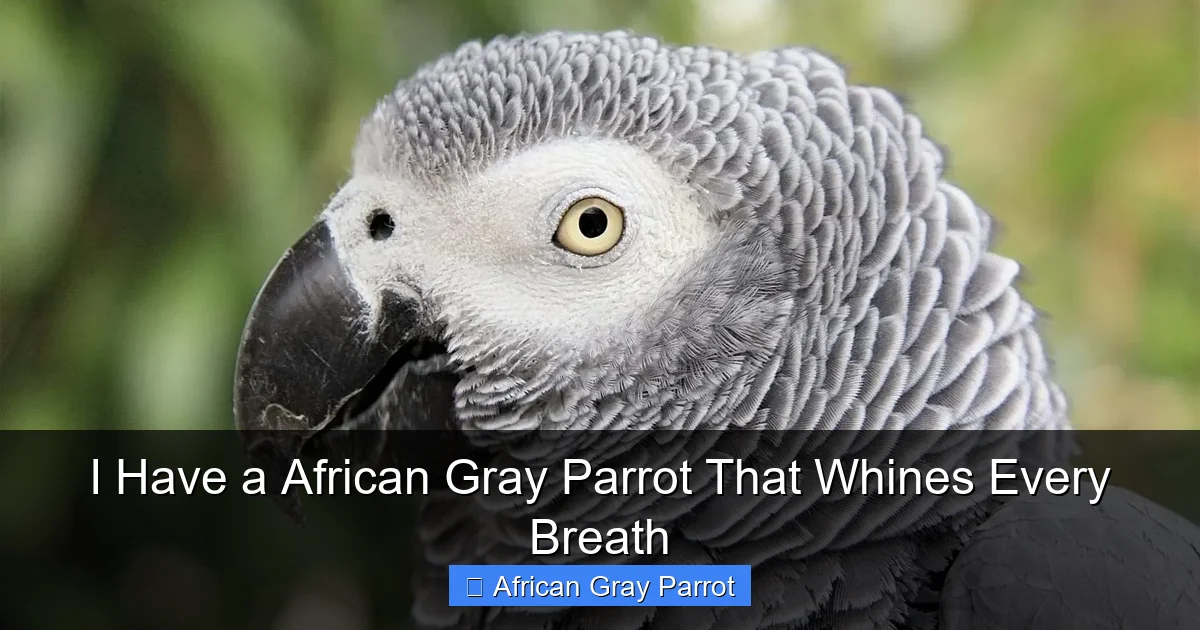
An African gray parrot whining with every breath often signals respiratory distress requiring immediate veterinary attention. Common causes include aspergillosis, bacterial infections, air sac mites, or environmental irritants. Prompt diagnosis and treatment are critical for recovery.
You hear it the moment you walk into the room. A soft, high-pitched whine. It happens with every single breath your African gray parrot takes. Inhale. Whine. Exhale. Whine. Inhale. Whine. Your heart sinks. You know something is wrong. African gray parrots are masters at hiding illness. By the time they show obvious symptoms, they have often been sick for days or even weeks. That rhythmic whining sound with each breath is one of the most alarming signs a parrot owner can hear. It is not a cute vocalization. It is not mimicry. It is a cry for help.
I have talked with many parrot owners who noticed this exact symptom. Some waited a few days to see if it would pass. Others rushed to the vet immediately. The ones who waited usually regretted it. Respiratory issues in African grays progress fast. What starts as a faint whine can become open-mouth breathing within hours. The good news? Many causes are treatable if caught early. The key is knowing what you are dealing with and acting fast. This guide walks you through everything you need to know about why your African gray parrot whines with every breath, what it means, and exactly what steps to take next.
Key Takeaways
- Whining with each breath is not normal: This sound typically indicates respiratory distress or pain in African gray parrots and should never be ignored.
- Aspergillosis is a leading cause: This fungal infection commonly affects African grays and creates characteristic breathing noises that worsen over time.
- Environmental factors matter greatly: Poor air quality, low humidity, Teflon fumes, and aerosol sprays can all trigger respiratory symptoms in sensitive parrots.
- Behavioral whining differs from medical distress: True respiratory whines occur rhythmically with each breath, while behavioral sounds are voluntary and intermittent.
- Emergency signs require immediate vet care: Open-mouth breathing, tail bobbing, lethargy, and loss of appetite alongside whining mean you need an avian vet now.
- Diagnostics are essential for proper treatment: X-rays, endoscopy, blood work, and cultures help pinpoint the exact cause for targeted therapy.
- Prevention focuses on air quality and nutrition: HEPA filters, proper humidity, vitamin A-rich foods, and regular checkups reduce respiratory risks significantly.
Quick Answers to Common Questions
Is it normal for an African gray parrot to make noise while breathing?
No, healthy African gray parrots breathe completely silently. Any audible sound like whining, wheezing, clicking, or rattling with each breath indicates a respiratory issue that needs veterinary evaluation.
What is the most common cause of breathing whines in African grays?
Aspergillosis, a fungal infection of the air sacs and lungs, is the most common serious cause of rhythmic breathing whines in African gray parrots, though bacterial infections, vitamin A deficiency, and air sac mites are also frequent culprits.
Can household products cause my parrot to whine when breathing?
Yes, Teflon fumes, scented candles, air fresheners, cleaning chemicals, smoke, and essential oil diffusers can all irritate a parrot’s sensitive respiratory tract and cause immediate breathing noises or distress.
How can I tell if the whining is behavioral or medical?
Medical whining occurs involuntarily with every single breath and doesn’t stop with distraction. Behavioral whining is voluntary, variable, stops when the bird is distracted, and the bird appears otherwise normal with bright eyes and sleek feathers.
When should I take my whining parrot to the emergency vet?
Seek emergency care immediately if you see open-mouth breathing, pronounced tail bobbing, lethargy, fluffed feathers, inability to perch, nasal discharge, or loss of appetite alongside the breathing whine.
📑 Table of Contents
Understanding Why Your African Gray Parrot Whines With Every Breath
Normal vs. Abnormal Breathing Sounds
Healthy African gray parrots breathe silently. You should not hear any wheezing, clicking, whistling, or whining. Their respiratory system is unique. Birds have air sacs that extend throughout their body, even into their bones. This system makes them incredibly efficient at oxygen exchange. It also makes them incredibly sensitive to airborne toxins. Any audible sound during breathing means something is obstructing airflow or irritating the respiratory tract. A whine that matches each breath cycle perfectly is almost always mechanical. It means air is forcing its way through a narrowed passage. Think of a kinked garden hose. The water still flows but it makes a noise. That noise is your warning sign.
Common Respiratory Issues in African Grays
African gray parrots are prone to several specific respiratory conditions. Aspergillosis tops the list. This fungal infection loves the warm, moist environment of a bird’s air sacs. Bacterial infections like chlamydophila psittaci cause psittacosis, also known as parrot fever. Air sac mites are tiny parasites that live inside the respiratory tract. Hypovitaminosis A, a vitamin A deficiency, causes the lining of the respiratory tract to thicken and slough off, creating blockages. Each of these conditions produces slightly different sounds. A wet gurgling suggests fluid. A dry whistle suggests a narrowed trachea. A rhythmic whine often points to air sac involvement or a partial obstruction in the syrinx, the bird’s voice box.
Behavioral Whining vs. Medical Distress
African grays are vocal geniuses. They whine, squeak, mimic microwaves, and imitate crying babies. How do you tell the difference? Behavioral whining is voluntary. Your bird chooses when to do it. It stops when distracted. It changes pitch and rhythm. Medical whining is involuntary. It happens with every single breath. It does not stop when you offer a treat. It does not change when you talk to your bird. Watch your bird’s body language. A bird with respiratory distress often sits fluffed up. The tail bobs with each breath. The wings may droop. The eyes look half-closed. The bird may lean forward, stretching the neck to open the airway. These postures are not normal. They mean your bird is working hard just to breathe.
Medical Causes of Breathing Whines in African Gray Parrots
Aspergillosis and Fungal Infections
Aspergillosis is the number one respiratory killer of African gray parrots. The fungus aspergillus lives everywhere. It is in soil, dust, decaying vegetation, and even some seed mixes. Healthy birds inhale spores daily and clear them without issue. Stress, poor nutrition, steroid use, or a dirty environment weaken the immune system. Then the spores take hold. They grow into fuzzy masses called granulomas inside the air sacs, lungs, or syrinx. The whining sound comes from air pushing past these growths. Early signs are subtle. A change in voice. Reluctance to talk. Slight exercise intolerance. As the masses grow, the whine becomes constant. Diagnosis requires endoscopy, X-rays, or CT scans. Blood work often shows elevated white blood cells. Treatment is long. Antifungal medications like itraconazole or voriconazole for months. Nebulization therapy helps deliver meds directly to the air sacs. Surgery may be needed to remove large granulomas. Prognosis depends on how early you catch it.
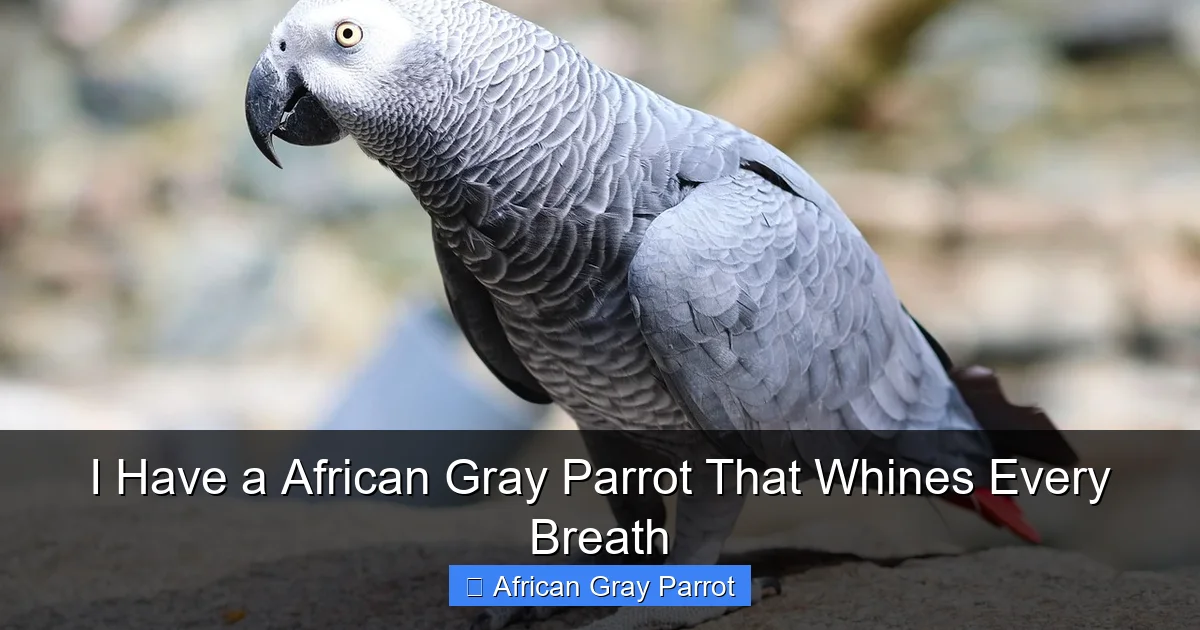
Visual guide about I Have a African Gray Parrot That Whines Every Breath
Image source: cdn.pixabay.com
Bacterial Respiratory Infections
Bacteria love the warm, moist respiratory tract of a parrot. Common culprits include klebsiella, e. coli, pseudomonas, and enterobacter. These often start as secondary infections after a viral illness or vitamin A deficiency damages the protective lining. Chlamydophila psittaci deserves special mention. It causes psittacosis, a zoonotic disease you can catch. Symptoms include nasal discharge, sneezing, conjunctivitis, and that telltale breathing whine. Bacterial infections often produce a wetter sound than fungal ones. You may hear clicking or rattling. Antibiotics tailored to culture results are the treatment. Doxycycline is the drug of choice for chlamydophila. Treatment lasts 45 days minimum. Supportive care includes heat, humidity, and nutritional support. Never use leftover antibiotics. Wrong drugs create resistance and waste precious time.
Air Sac Mites and Parasites
Sternostoma tracheacolum, the air sac mite, is a tiny parasite that lives in the trachea, air sacs, and lungs. It feeds on blood and tissue fluid. The irritation causes inflammation, mucus production, and that characteristic whine. You might also hear a high-pitched squeak or click. Heavily infested birds gasp, cough, and stretch their necks. Diagnosis is tricky. Mites are microscopic. Your vet may see them on tracheal swabs or endoscopy. Sometimes treatment is based on symptoms alone. Ivermectin or moxidectin are standard treatments. Multiple doses spaced weeks apart catch hatching mites. The environment must be cleaned thoroughly. These mites can spread to other birds. Quarantine new birds for at least 45 days. Wild birds near outdoor aviaries are common sources.
Nutritional Deficiencies Affecting Respiration
Vitamin A deficiency is shockingly common in seed-eating African grays. Seeds have almost no vitamin A. Pellets help but many birds pick around them. Vitamin A maintains the epithelial lining of the respiratory tract. Without it, the lining thickens, keratinizes, and sloughs off in sheets. These sheets block air passages. The bird whines as air forces through. White plaques may form in the mouth and choana. The immune system crashes. Secondary infections take hold. Fixing the diet is the cure but it takes weeks for tissue to heal. Dark leafy greens, sweet potatoes, carrots, red peppers, and mango are rich in beta-carotene, the safe precursor to vitamin A. Conversion happens as needed. No risk of toxicity. A avian vet can give an injectable vitamin A boost for severe cases.
Environmental Factors That Trigger Breathing Noises
Air Quality and Household Toxins
Your home air might be hurting your bird. African grays have the most sensitive respiratory systems of any pet. Teflon pans heated past 500 degrees release fumes that kill birds in minutes. The whine starts suddenly. The bird collapses. This is an absolute emergency. Self-cleaning ovens do the same. Scented candles, air fresheners, plug-ins, and essential oil diffusers coat air sacs with oils. Smoke from cigarettes, marijuana, incense, or fireplaces is toxic. Cleaning products with ammonia, bleach, or phenols irritate delicate tissues. New carpet off-gasses formaldehyde. Paint fumes linger for weeks. If your bird’s whine started after a household change, look there first. Move the cage to a clean air room. Open windows. Run a HEPA filter. The whine may resolve in hours if caught early.
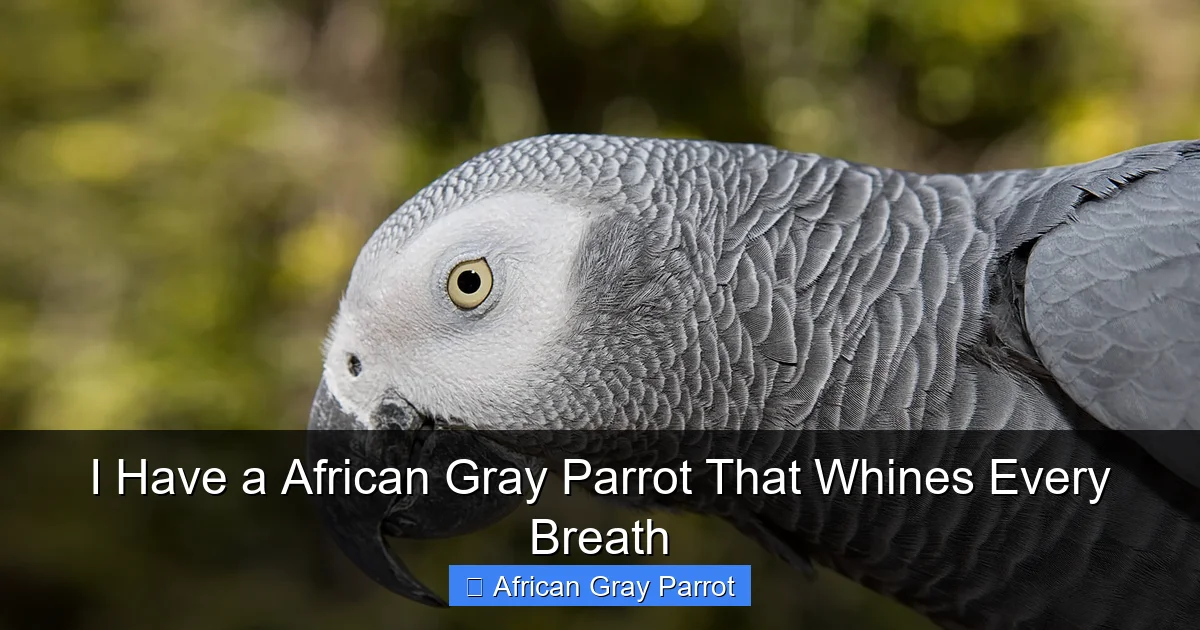
Visual guide about I Have a African Gray Parrot That Whines Every Breath
Image source: animals.sandiegozoo.org
Humidity and Temperature Concerns
African grays come from humid African rainforests. Your heated home in winter might be 20 percent humidity. Their air sacs dry out. The mucus thickens. Cilia stop moving. Bacteria and fungi thrive. Low humidity alone can cause a dry, whining breath sound. Aim for 50 to 60 percent humidity. A humidifier near the cage helps. Clean it daily or it becomes a fungus factory. Temperature swings stress the immune system. Drafts from AC vents or windows chill the bird. Overheating causes panting, which sounds like whining. Keep the room between 70 and 80 degrees. No direct sun on the cage without shade. No drafts. Stable conditions prevent so many problems.
Cage Placement and Ventilation
Where the cage sits matters. A cage against an outside wall gets cold in winter. A cage in the kitchen gets cooking fumes. A cage in a stuffy corner gets stale air. A cage near a window gets drafts and direct sun. The best spot? A well-ventilated room with stable temperature, away from kitchen and bathroom. Good airflow but no drafts. Natural light but not direct afternoon sun. Easy for you to monitor. The cage itself needs cleaning. Old droppings release ammonia. Wet food grows bacteria in hours. Paper lining changed daily. Deep clean weekly. A dirty cage is a respiratory hazard all by itself.
Behavioral and Psychological Causes
Attention-Seeking Vocalizations
African grays are smart. Like, toddler-smart. They learn fast. If whining gets a reaction, they do it more. You rush over. You talk sweetly. You offer a treat. The bird just trained you. This whine sounds different. It is louder. More variable. It stops when you leave the room. It starts when you enter. It happens when you are on the phone. It does not happen during sleep. The bird looks alert, feathers sleek, eyes bright. No tail bobbing. No fluffing. This is behavioral. The fix? Ignore the whine. Reward quiet. Teach an alternative sound. Whistle a tune. Say a phrase. When the bird copies that, give attention. Consistency is everything. Everyone in the house must follow the plan.
Stress and Anxiety Responses
Change stresses African grays. A new pet. A move. A schedule change. Construction noise. A favorite person leaving. Stress whines sound anxious. The bird paces. Feathers may be slightly ruffled. The whine is softer than attention-seeking but persistent. It may happen at specific times. When you put on shoes. When you pick up keys. When the garage door opens. This is separation anxiety. The bird fears abandonment. Counter-conditioning helps. Practice leaving for one minute. Return calmly. Gradually increase time. Leave a special toy only for alone time. Play soft music. Consider a bird-safe calming supplement like chamomile or L-theanine after vet approval. Never punish anxiety. It makes it worse.
Learned Behaviors and Mimicry
Your bird might be mimicking a sound. A squeaky hinge. A whining dog. A child’s toy. A medical device like a CPAP machine. African grays pick up sounds with eerie accuracy. The mimicry whine matches the source perfectly. It happens in bouts, not with every breath. The bird watches you for reaction. It may combine the whine with words. “Hello” in a whiny voice. This is harmless but annoying. Redirect to pleasant sounds. Play recordings of whistles, words, or nature sounds. Reward the bird for those. The whiny mimicry usually fades when it gets no reinforcement.
When to Seek Emergency Veterinary Care
Red Flag Symptoms Requiring Immediate Attention
Some signs mean go to the vet right now. Not tomorrow. Not after work. Right now. Open-mouth breathing at rest. Tail bobbing that is obvious from across the room. Wings held away from the body. Inability to perch, sitting on the cage bottom. Lethargy, not responding to favorite treats. Fluffed up feathers constantly. Eyes closed or half-closed. Nasal discharge or bubbles. Sneezing repeatedly. Coughing or gagging. Voice change or loss of voice. Regurgitation not related to bonding. Blood anywhere. Any one of these plus the breathing whine means critical condition. Birds die from respiratory failure fast. Their high metabolism needs constant oxygen. Minutes matter. Have an emergency vet number saved. Know the route. Have a travel carrier ready.
Diagnostic Tests Your Avian Vet May Perform
A good avian vet starts with a thorough physical exam. They listen with a stethoscope. They check the choana for plaques. They palpate the keel for weight loss. Then diagnostics. Radiographs (X-rays) show air sac opacity, pneumonia, or masses. Complete blood count reveals infection or anemia. Chemistry panel checks organ function. Chlamydia PCR test. Aspergillus antibody and antigen tests. Tracheal wash for culture and cytology. Endoscopy lets the vet see inside the air sacs and trachea directly. CT scan gives 3D detail for surgical planning. Fecal exam for parasites. Each test adds a piece to the puzzle. Costs add up but guessing wastes time and money. Pet insurance for exotics exists now. Look into it.
Treatment Options and Recovery Expectations
Treatment depends entirely on the cause. Antibiotics for bacteria. Antifungals for aspergillus. Antiparasitics for mites. Vitamin A injections for deficiency. Nebulization delivers meds deep into air sacs. Saline, antibiotics, antifungals, or steroids in the mist. Oxygen therapy in an incubator for critical birds. Fluid therapy for dehydration. Nutritional support via crop feeding if not eating. Pain management with meloxicam. Environmental changes happen alongside meds. Recovery timelines vary. Bacterial infections: two to six weeks. Aspergillosis: three to twelve months or lifelong management. Mites: two to four weeks. Vitamin A: four to eight weeks for tissue repair. Follow-up exams are non-negotiable. Relapse is common if treatment stops early. Your vet will schedule rechecks. Keep them.
Home Care and Prevention Strategies
Improving Air Quality for Respiratory Health
Clean air is the single best prevention. Invest in a true HEPA air purifier. Run it 24/7 in the bird room. Change filters on schedule. No ionizers. They produce ozone. No essential oil diffusers. No scented products. Cook with stainless steel, cast iron, or ceramic. Never Teflon. Vent the kitchen when cooking. Use natural cleaners. Vinegar, baking soda, steam. Change furnace filters monthly. MERV 13 or higher. Keep humidity 50 to 60 percent. A hygrometer costs ten dollars. Worth every penny. Vacuum with HEPA vacuum. Dust with damp cloths. No feather dusters. They just move dust around. Fresh air daily if weather permits. Screened windows. Supervise outdoor time.
Dietary Support for Strong Immunity
Food is medicine. A pellet base (70 percent) ensures balanced nutrition. Harrisons, Roudybush, Zupreem Natural are good brands. The other 30 percent is fresh. Dark leafy greens daily. Kale, collards, mustard greens, swiss chard. Orange veggies several times weekly. Sweet potato, carrot, butternut squash, pumpkin. Red bell pepper has more vitamin C than oranges. Berries for antioxidants. Sprouted seeds are living nutrition. Legumes, quinoa, brown rice for protein. Nuts as treats only. Walnuts, almonds, brazil nuts. No peanuts. Aflatoxin risk. No avocado, chocolate, caffeine, alcohol, onion, garlic, salt, sugar. Clean water changed twice daily. Stainless steel bowls. Wash daily. A healthy bird fights off spores and bacteria that would kill a malnourished one.
Stress Reduction Techniques
Stress kills immunity. Routine is everything. Same wake time. Same meal times. Same bedtime. Cover the cage at night. 12 hours dark. 12 hours light. Full spectrum lighting if no safe outdoor access. UVB helps vitamin D synthesis. Toys rotated weekly. Foraging toys daily. Work for food. It’s what they do in the wild. Social interaction. Talk to your bird. Train using positive reinforcement. Five minutes twice daily. Teach targeting, stationing, recall. Mental exercise tires them like physical exercise. Respect boundaries. Don’t force contact. Read body language. Pinned eyes, flared tail, raised feathers mean back off. A confident, engaged bird handles pathogens better than a bored, anxious one.
Regular Health Monitoring Routines
You are the first line of defense. Weigh your bird weekly. Same time. Same scale. Gram scale. Ten percent weight loss is an emergency. Five percent is a vet call. Keep a log. Watch droppings daily. Three parts: feces, urates, urine. Know normal. Changes in color, volume, consistency mean something. Check the nares. Clear and dry. Check the choana. Papillae sharp and pale. Feathers smooth, bright, no stress bars. Feet smooth, no scaling. Beak smooth, no overgrowth. Behavior: eating, playing, talking, preening, sleeping. Any change noted. Annual avian vet exam. Blood work baseline. Gram stain. Fecal exam. Early detection saves lives. It saves money. It saves heartbreak.
That whine you hear with every breath? It is not nothing. It is not cute. It is your African gray parrot telling you in the only way they can that something is wrong. Maybe it is a simple fix. A humidifier. A diet change. An air purifier. Maybe it is serious. Aspergillosis. Pneumonia. Air sac mites. You will not know until a qualified avian veterinarian examines your bird. Please do not wait. Do not ask Facebook groups. Do not try home remedies. Do not give leftover antibiotics. Every hour you wait, the problem gets harder to treat. Your bird trusts you completely. They rely on you for everything. Food. Water. Safety. Medical care. Honor that trust. Make the appointment. Drive to the clinic. Hold that carrier close. Tell the vet: “My African gray parrot whines every breath.” Those words will get you seen fast. And they might just save your best friend’s life.
Frequently Asked Questions
Can an African gray parrot recover from aspergillosis?
Yes, African grays can recover from aspergillosis with aggressive, long-term antifungal treatment, nebulization, and supportive care. Early diagnosis dramatically improves prognosis, though advanced cases with large granulomas have a guarded outlook.
How long does it take for vitamin A deficiency to cause breathing problems?
Vitamin A deficiency develops over months of poor diet. Respiratory symptoms appear once the epithelial lining has significantly deteriorated, typically after 6-12 months on an all-seed diet. Correction takes 4-8 weeks of proper nutrition for tissue repair.
Are air sac mites contagious to other birds or humans?
Air sac mites (Sternostoma tracheacolum) are contagious to other birds through close contact but do not infect humans. Quarantine affected birds and treat all birds in the household simultaneously under veterinary guidance.
What humidity level is best for an African gray parrot’s respiratory health?
African gray parrots thrive at 50-60% relative humidity. Levels below 40% dry out respiratory membranes and increase infection risk. Use a hygrometer to monitor and a clean humidifier to maintain optimal levels.
Can I give my parrot human antibiotics for a respiratory infection?
Never give human medications to parrots. Dosages are vastly different, many human antibiotics are toxic to birds, and inappropriate use creates antibiotic resistance. Only an avian veterinarian can prescribe the correct medication and dose.
How often should I take my African gray parrot for veterinary checkups?
Healthy adult African grays need annual wellness exams with blood work. Birds with chronic respiratory issues or prior aspergillosis need checkups every 3-6 months. Any new breathing sound warrants an immediate appointment regardless of schedule.