
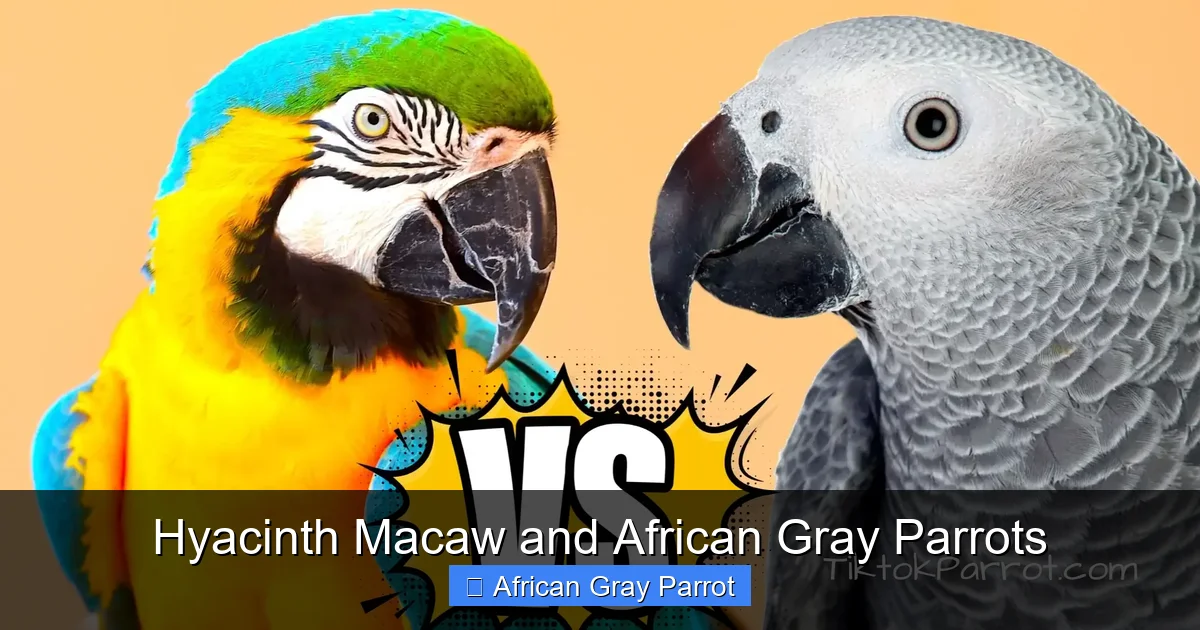
Hyacinth macaw and african gray parrots are two of the most striking pet birds. The hyacinth macaw dazzles with deep blue feathers and a massive beak, while the african gray parrot shines with silver plumage and unmatched talking ability. Both need space, mental stimulation, and a specialized diet to thrive.
Key Takeaways
- Size difference: Hyacinth macaws are the largest flying parrots, while african gray parrots are medium sized.
- Talking ability: African gray parrots are famous for clear speech; hyacinth macaws can mimic but less often.
- Diet needs: Hyacinth macaws require high‑fat nuts; african gray parrots need a balanced pellet mix with fresh fruit.
- Social demand: Both species crave daily interaction; loneliness leads to feather plucking.
- Lifespan: Hyacinth macaws can live 50‑60 years; african gray parrots often reach 40‑60 years.
- Legal status: Hyacinth macaws are protected under CITES; african gray parrots also face trade restrictions.
Quick Answers to Common Questions
What is the average lifespan of a hyacinth macaw?
A hyacinth macaw typically lives 50 to 60 years in captivity with proper care.
Can an african gray parrot talk like a human?
Yes, african gray parrots are renowned for clear speech and can learn hundreds of words.
Which bird needs a larger cage?
The hyacinth macaw requires a much larger cage due to its size and wingspan.
Are hyacinth macaws good for first time bird owners?
Generally they are not recommended for beginners because of their demanding care needs.
Do african gray parrots need special supplements?
They often need calcium supplements, especially females during breeding season.
📑 Table of Contents
Introduction
When you think about large pet birds the hyacinth macaw and african gray parrots often come to mind. These two species capture attention with bright colors and sharp minds. People love them for their beauty and their ability to bond with humans. Choosing between them can feel overwhelming because each bird has unique needs. This guide breaks down the facts so you can decide which feathered friend fits your lifestyle.
Both birds require a long term commitment. A hyacinth macaw can live fifty years or more. An african gray parrot can also reach sixty years. That means you must plan for decades of care. Understanding diet, housing, and social needs early will save you trouble later. The following sections compare the two species side by side.
Many future owners ask why the hyacinth macaw and african gray parrots are so popular. The answer lies in their intelligence and striking looks. A hyacinth macaw shows off a deep blue coat that shines in sunlight. An african gray parrot displays a sleek gray body with a bright red tail. Both birds can learn words, tricks, and even simple problem solving tasks. Their charm makes them stars in many homes.
Cost is another factor when you compare hyacinth macaw and african gray parrots. A hyacinth macaw often costs several thousand dollars. An african gray parrot is usually less expensive but still a significant investment. Ongoing expenses include large cages, specialized food, and veterinary care. Budget planning helps avoid surprises down the road.
Physical Characteristics
Hyacinth Macaw
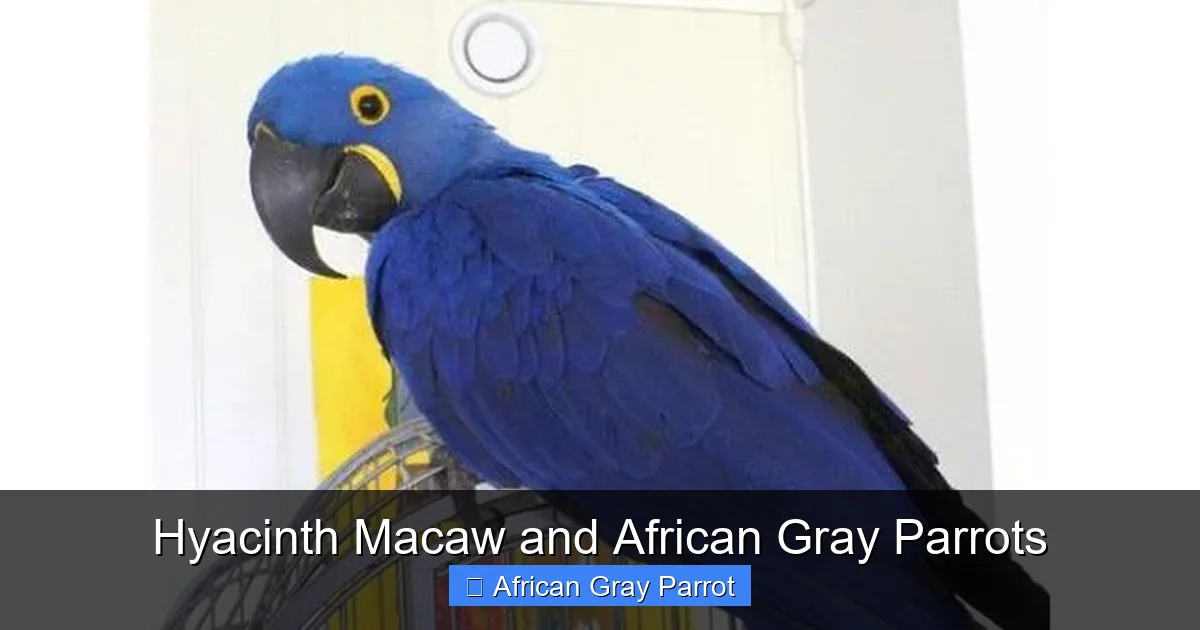
The hyacinth macaw is the biggest flying parrot in the world. Its body length can reach one meter from head to tail. The feathers are a deep cobalt blue that shines in sunlight. A massive black beak curves downward and can crack hard nuts. The eyes are dark and expressive. Strong legs and zygodactyl feet give a firm grip on branches.
Visual guide about Hyacinth Macaw and African Gray Parrots
Image source: classads.co.za
Weight ranges from 1.2 to 1.7 kilograms. The wingspan stretches up to 1.3 meters. This size demands a very large enclosure. The bird’s powerful beak can damage wood and metal if not given proper chew toys. Owners must provide sturdy perches and safe chewing material.
African Gray Parrot
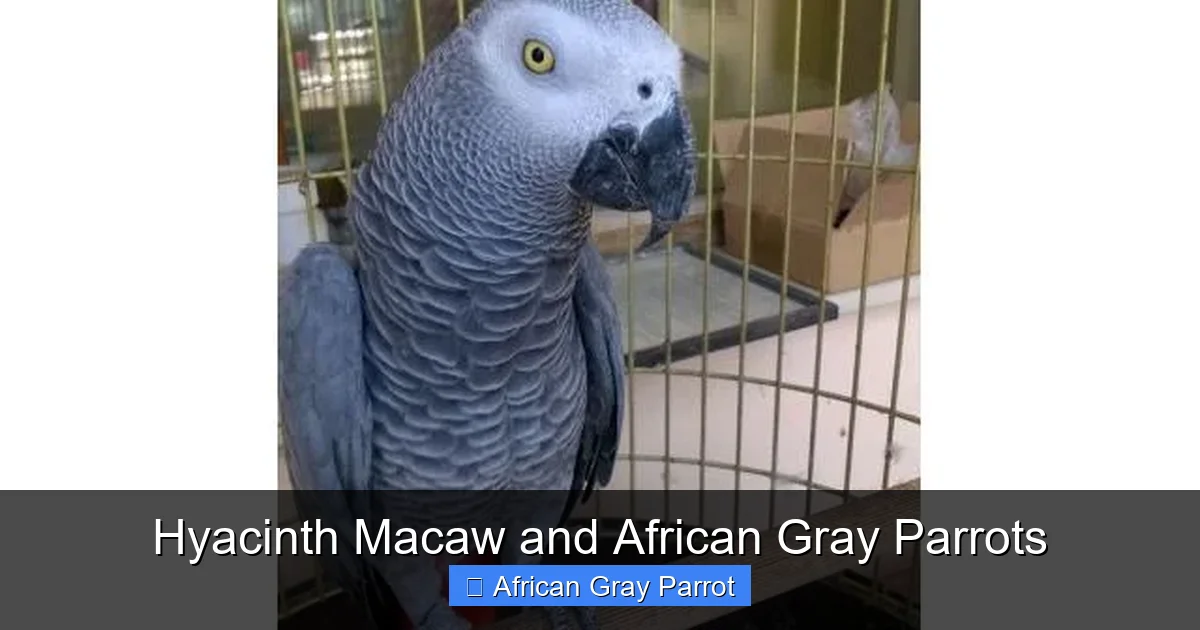
The african gray parrot is medium sized compared to the hyacinth macaw. Adult length is about 33 centimeters. The plumage is mostly a soft gray with a bright red tail. The beak is black and strong but smaller than the macaw’s. Eyes are a vivid yellow that stands out against the gray feathers.
Weight falls between 400 and 600 grams. Wingspan reaches roughly 50 centimeters. This size allows the bird to live in a moderately large cage. However the african gray parrot still needs room to stretch its wings and climb. A tall cage with horizontal bars works well.
Growth Stages
Young hyacinth macaws hatch with downy gray feathers that turn blue over several months. Juvenile african gray parrots start with a duller gray and develop the red tail after their first molt. Both species reach full adult plumage by age two to three. Monitoring feather changes helps you track health and nutrition.
During growth the hyacinth macaw and african gray parrots need extra calcium for bone development. Provide cuttlebone or calcium supplements during the first year. Proper lighting with UVB supports vitamin D synthesis. Regular weight checks ensure steady growth without obesity.
Behavior and Intelligence
Problem Solving
Both species rank among the smartest birds. The hyacinth macaw can solve puzzles that involve multiple steps. It can learn to open latches and manipulate objects with its beak. The african gray parrot is famous for advanced reasoning. Studies show it can understand concepts like same and different. It can also count small numbers.
Visual guide about Hyacinth Macaw and African Gray Parrots
Image source: classads.co.za
Owners often see these birds figuring out how to get treats from puzzle toys. Providing new challenges each week keeps the mind sharp. Boredom leads problems like screaming or feather plucking. Rotate toys and teach new tricks regularly.
Social Needs
The hyacinth macaw forms strong pair bonds in the wild. In captivity it seeks a primary human companion. It will follow that person around the house and demand attention. The african gray parrot also bonds deeply but can be more independent. It enjoys being part of family activities and will mimic household sounds.
Both birds need several hours of out‑of‑cage time daily. Interaction can include talking, training, or simply sitting together. Lack of social time often results in loud calls or self‑mutilation. Plan your schedule to give each bird quality time.
Training Tips
Positive reinforcement works best for hyacinth macaw and african gray parrots. Use a clicker or a verbal marker followed by a favorite treat. Keep sessions short, around five minutes, and repeat several times a day. Consistency builds trust and reduces problem behaviors.
Start with simple commands like step up, wave, or target. Gradually increase difficulty as the bird masters each step. Avoid punishment; it damages the bond and can cause fear. Celebrate small successes to keep motivation high.
Diet and Nutrition
Hyacinth Macaw Diet
The hyacinth macaw eats a high fat diet in the wild. Its main food is palm nuts especially the acuri and bocaiuva nuts. In captivity you must replicate this with a mix of macadamia nuts, walnuts, and Brazil nuts. Fresh fruit like mango and papaya adds vitamins. Vegetables such as carrots and sweet potato provide fiber.
Pelleted diets designed for large macaws can serve as a base. Supplement with nuts daily but watch total calories to avoid obesity. Fresh water must be available at all times. Avoid chocolate, avocado, and caffeine as they are toxic.
African Gray Parrot Diet
The african gray parrot thrives on a balanced pellet formula made for medium parrots. Add a variety of fresh fruits like apple, berries, and pomegranate. Leafy greens such as kale and spinach supply calcium. Small amounts of cooked grains like quinoa give energy.
Seeds and nuts should be treats only because they are high in fat. Offer a few almonds or sunflower seeds a few times a week. Calcium supplements may be needed especially for breeding females. Clean food dishes daily to prevent bacterial growth.
Feeding Schedule
Feed hyacinth macaw and african gray parrots twice a day, morning and evening. Remove uneaten fresh food after two hours to avoid spoilage. Provide a constant supply of pellets for grazing throughout the day. Adjust portions based on weight checks each month.
Offer a variety of textures to keep meals interesting. Rotate fruit and vegetable choices weekly. Use foraging toys to hide small food pieces for mental stimulation. A consistent routine reduces stress and supports digestion.
Housing and Enrichment
Space Requirements
A hyacinth macaw needs a flight cage at least 2.5 meters wide, 2 meters deep, and 2.5 meters tall. The bird also benefits from a safe outdoor aviary when weather permits. Bar spacing must be no larger than 2.5 centimeters to prevent escape. Strong stainless steel bars resist the powerful beak.
An african gray parrot does well in a cage 1 meter wide, 1 meter deep, and 1.5 meters tall. Horizontal bars allow climbing. Provide multiple perches of varying diameter to exercise feet. Place the cage in a family area where the bird can see activity.
Toys and Mental Stimulation
Both species love toys that challenge the mind. For the hyacinth macaw offer large wooden blocks, coconut shells, and puzzle feeders that require manipulation. Rotate toys weekly to keep interest high. For the african gray parrot provide foraging toys, shreddable paper, and mirrors for social interaction.
Training sessions using positive reinforcement count as enrichment. Teach simple commands like step up, wave, or retrieve. Short sessions of five minutes several times a day work best. Consistency builds trust and reduces problem behaviors.
Lighting and Safety
Provide full spectrum lighting with UVB for hyacinth macaw and african gray parrots. UVB helps synthesize vitamin D3 for calcium absorption. Replace bulbs every six months to maintain output. Keep cords and toxic plants out of reach.
Secure all cage locks to prevent accidental escapes. Check perches regularly for splinters or loose parts. Use non‑toxic cleaning products for cage maintenance. A safe environment lowers the risk of injury and illness.
Health and Common Issues
Hyacinth Macaw Health
The hyacinth macaw is prone to feather destructive behavior if stressed. Regular veterinary checks catch early signs of psittacine beak and feather disease. Obesity is a risk due to high fat diet; monitor weight monthly. Beak overgrowth can occur without enough chewing material.
Respiratory infections may arise from dusty environments. Keep the cage area clean and provide good ventilation. Annual blood work helps track organ function. Vaccinations are not routine but discuss with an avian vet.
African Gray Parrot Health
The african gray parrot often develops calcium deficiency leading to weak bones. Provide cuttlebone or calcium powder especially during egg laying. Feather plucking can signal boredom or medical issues. Psittacosis is a bacterial disease that can spread to humans; practice good hygiene.
Regular beak and nail trims prevent overgrowth. Watch for signs of sneezing, discharge, or changes in droppings. Early treatment improves outcomes. A qualified avian veterinarian should examine the bird at least once a year.
Preventive Care
Schedule a wellness exam for hyacinth macaw and african gray parrots every six months. Blood panels reveal hidden infections or organ stress. Fecal tests detect parasites early. Keep a health log with weight, diet changes, and behavior notes.
Quarantine any new bird for at least thirty days before introducing to the flock. Disinfect cages and accessories between birds. Practice hand washing before and after handling. Preventive steps save money and heartache later.
Deciding between a hyacinth macaw and african gray parrots depends on space, time, and experience. The hyacinth macaw demands a huge enclosure, a high fat diet, and constant companionship. The african gray parrot fits a smaller home but still needs mental challenges and social interaction. Both birds reward dedicated owners with loyalty, intelligence, and beauty. Research thoroughly, visit breeders or rescues, and prepare your home before bringing one home.
Frequently Asked Questions
What diet does a hyacinth macaw need?
A hyacinth macaw needs a high‑fat diet rich in palm nuts, macadamia nuts, walnuts, and fresh fruit. Pelleted food for large macaws can be a base.
How much out‑of‑cage time does an african gray parrot require?
An african gray parrot should have at least three to four hours of supervised out‑of‑cage time each day.
Are hyacinth macaws endangered?
Yes, hyacinth macaws are listed as vulnerable and protected under CITES Appendix I.
Can african gray parrots live with other pets?
They can coexist with calm dogs or cats if introductions are slow and supervised, but they prefer human company.
What are common signs of illness in these parrots?
Watch for changes in droppings, sneezing, feather loss, lethargy, and loss of appetite.
How do I prevent feather plucking in my parrot?
Provide ample mental stimulation, social interaction, a balanced diet, and regular veterinary care to reduce feather plucking.