
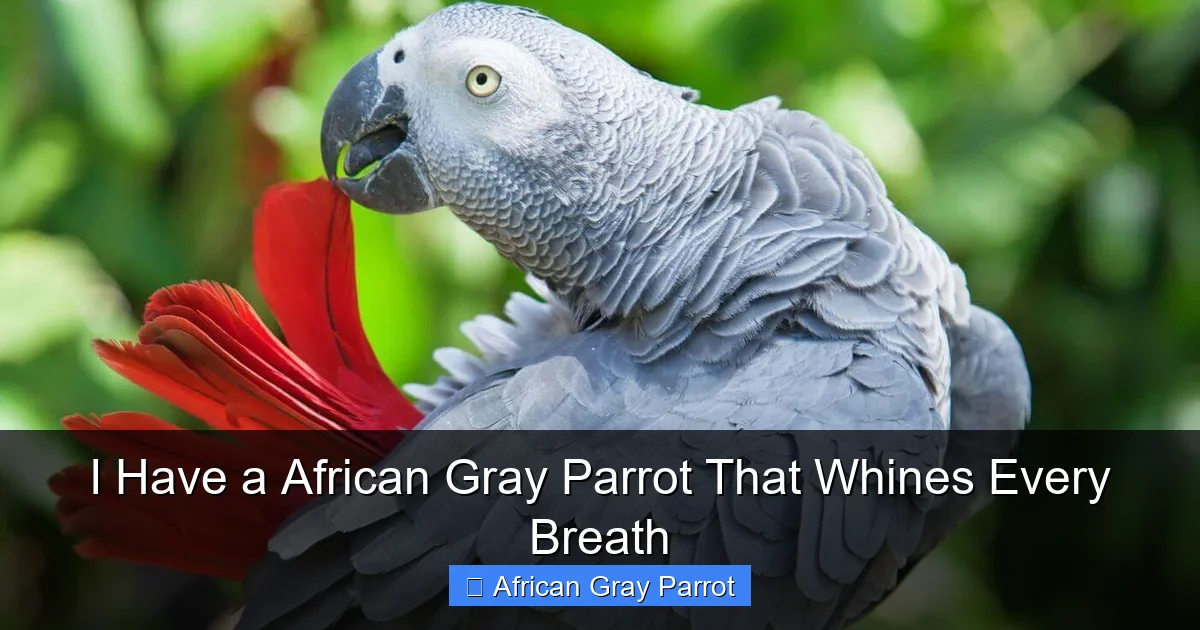
An African Gray Parrot whining with every breath signals potential respiratory distress or behavioral issues. This comprehensive guide covers medical causes like air sac mites and infections, environmental triggers, and step-by-step solutions to help your feathered friend breathe easier.
You walk into the room and hear it. A soft, high-pitched whine. Every single breath. Your African Gray sits on his perch, feathers slightly fluffed, making that sound with each inhale and exhale. Your heart sinks. You love this bird. He talks up a storm, mimics the microwave, and greets you by name. But this new sound? This constant whining with every breath? It is not normal. It is not cute. It is a red flag.
I have been there. Standing by the cage at 2 AM with a flashlight, listening to every breath, Googling symptoms with shaking hands. The internet is full of horror stories and conflicting advice. Some say it is just a quirk. Others scream “emergency vet now.” The truth lives somewhere in the middle, but it leans heavily toward “take this seriously.” Birds are masters of disguise. In the wild, a sick bird gets eaten. So they pretend to be fine until they physically cannot anymore. If you hear a noise with every breath, your bird has likely been struggling longer than you know.
Key Takeaways
- Respiratory whining is never normal: A healthy African Gray breathes silently; audible whining indicates an underlying issue requiring investigation.
- Medical causes are common: Air sac mites, bacterial infections, fungal growth, and vitamin A deficiency frequently cause breathing noises in parrots.
- Environmental factors matter: Dry air, dust, smoke, strong scents, and poor ventilation can irritate sensitive avian respiratory systems.
- Behavioral whining differs from medical: Attention-seeking sounds are typically intermittent and context-dependent, unlike constant respiratory noise.
- Immediate vet care is crucial: Birds hide illness well; by the time breathing sounds appear, the condition may be advanced.
- Humidity and air quality help: Maintaining 40-60% humidity and using HEPA filters can prevent and alleviate respiratory irritation.
- Never self-medicate: Avian medications require precise dosing; incorrect treatment can worsen the condition or cause toxicity.
Quick Answers to Common Questions
Is it normal for an African Gray to make noise while breathing?
No. Healthy African Grays breathe silently at rest. Any audible whine, click, whistle, or wheeze with each breath indicates a respiratory issue that needs veterinary evaluation.
Can dry air cause my parrot to whine when breathing?
Yes. African Grays originate from humid rainforests. Indoor air below 40% humidity dries their respiratory membranes, causing irritation and whining sounds. A humidifier set to 40-60% often resolves this.
How do I know if the whining is behavioral or medical?
Medical whining is constant, rhythmic, occurs during sleep, and accompanies signs like fluffed feathers, tail bobbing, or appetite loss. Behavioral whining is intermittent, context-dependent (when you’re present), and the bird otherwise appears healthy.
What should I do immediately if my African Gray whines every breath?
Record a video of the breathing, check humidity and air quality, provide warmth (85°F), offer fresh water and soft foods, and call an avian veterinarian immediately for an urgent appointment.
Can I treat my parrot’s breathing whine at home with antibiotics?
Never. Avian medications require precise dosing by weight. Wrong antibiotics or doses can kill your bird or create resistance. Only an avian vet can prescribe appropriate treatment after diagnostics.
📑 Table of Contents
- Understanding Normal vs. Abnormal Breathing in African Grays
- Medical Causes: When the Body Signals Distress
- Environmental Triggers: The Air They Breathe
- Behavioral vs. Medical: Knowing the Difference
- Immediate Steps: What to Do Right Now
- Diagnostic Journey: What the Vet Will Do
- Long-Term Management: Keeping the Silence
- When the Whine Persists: Chronic Management
- Conclusion: Listen to the Whisper
Understanding Normal vs. Abnormal Breathing in African Grays
What Healthy Breathing Looks and Sounds Like
A healthy African Gray breathes silently. You should not hear air moving in or out. Their respiratory system is unique. They have lungs, yes. But they also have air sacs. Nine of them. These air sacs act like bellows. They keep air flowing in one direction through the lungs. This makes them incredibly efficient at extracting oxygen. It also makes them incredibly sensitive to airborne toxins.
When your bird is at rest, you might see subtle movement. The tail may bob very slightly. The feathers over the keel might shift. But there is no sound. No whistle. No click. No whine. Just silence. After exercise or excitement, you might hear heavy breathing for a few minutes. That is normal. It should stop once they calm down.
The Sound of Trouble: Identifying the Whine
The whine you hear is usually a high-pitched squeak or whistle. It happens on the inhale, the exhale, or both. It is rhythmic. Breath in, whine. Breath out, whine. It does not stop when the bird relaxes. It does not stop when you talk to them. It is mechanical. It sounds like air forcing through a narrowed tube. Because that is exactly what is happening.
Some owners describe it as a “squeaky toy” sound. Others say it sounds like a “tea kettle” or a “balloon letting air out.” The pitch may change. It might be louder when the bird is stressed. It might be quieter when they sleep. But it is there. Every breath. Every hour. Every day. Until you fix the cause.
Medical Causes: When the Body Signals Distress
Air Sac Mites: The Hidden Invaders
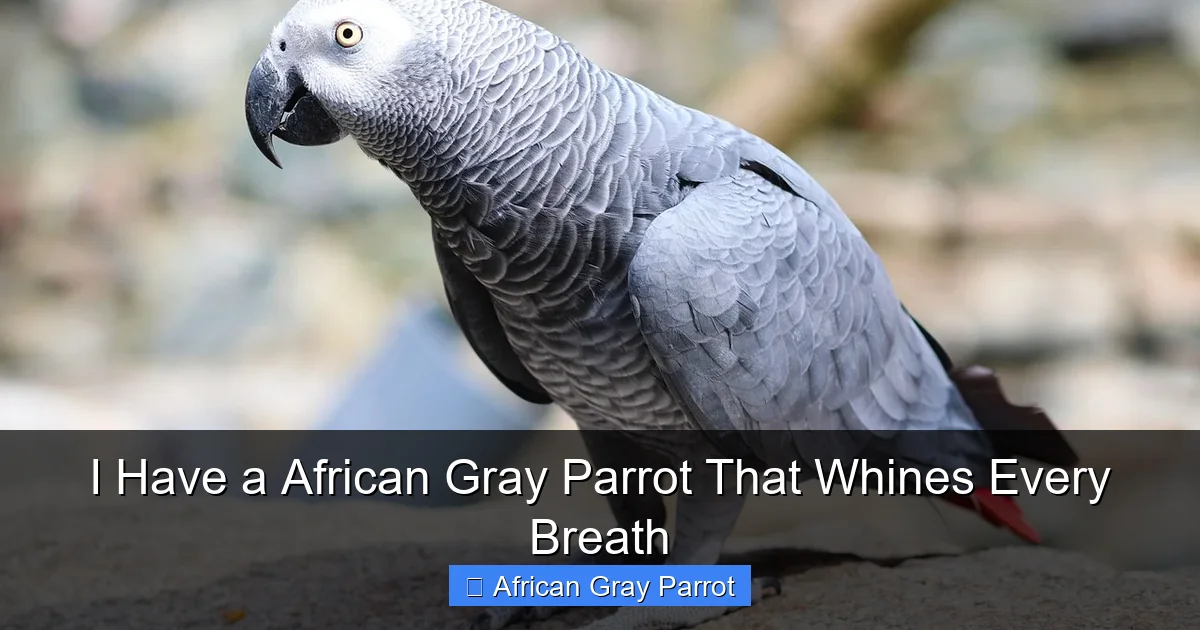
Air sac mites are tiny parasites. They live in the air sacs and trachea. They are common in finches and canaries. But African Grays get them too. The mites feed on blood and tissue. They cause inflammation. The airways swell. Mucus builds up. The bird struggles to move air. The result? A whine with every breath.
Visual guide about I Have a African Gray Parrot That Whines Every Breath
Image source: cdn.pixabay.com
You might also see tail bobbing. Open-mouth breathing. Clicking sounds. The bird may stop talking. They may stop eating. They lose weight. The feathers look dull. A vet diagnoses this with a tracheal swab or endoscopy. Treatment is usually ivermectin or moxidectin. But dosing is critical. Too much kills the bird. Too little breeds resistance. Never guess. Never use dog or cat products.
Bacterial and Fungal Infections
Aspergillus is a fungus. It lives everywhere. Soil. Dust. Old seed. Damp cages. Healthy birds handle it fine. Stressed birds? Malnourished birds? Birds on antibiotics? They get sick. The fungus grows in the air sacs. It forms plaques. It blocks airflow. The bird whines. They gasp. They change their voice. They become lethargic.
Bacterial infections like Chlamydia (psittacosis) or E. coli cause similar signs. Sinus infections spread to the lower airways. Pneumonia develops fast in birds. One day they seem fine. The next they are critical. Antibiotics or antifungals are needed. Culture and sensitivity testing tells the vet exactly which drug works. Guessing wastes time your bird does not have.
Vitamin A Deficiency: The Silent Saboteur
African Grays on seed-only diets often lack Vitamin A. This vitamin keeps the lining of the respiratory tract healthy. Without it, the cells change. They become thick and keratinized. They lose their cilia. Cilia are tiny hairs that sweep dust and germs out. Without cilia, junk builds up. Infections take hold. The airway narrows. The bird whines.
Signs include white plaques in the mouth. Swollen eyes. Sneezing. Poor feather quality. The fix is diet. Dark leafy greens. Orange vegetables. Sweet potato. Carrots. Red peppers. A high-quality pellet base. Supplements only if the vet prescribes them. Too much Vitamin A is toxic. Balance matters.
Foreign Bodies and Trauma
Parrots explore with their beaks. They chew toys. They shred wood. They taste everything. A splinter of wood. A piece of plastic. A seed hull. It can lodge in the trachea or bronchial tube. The bird whines. They may cough. They may gag. They may panic. This is an emergency. Do not try to remove it yourself. You can push it deeper. Rush to the vet. They have scopes and forceps. They can see and grab it safely.
Tumors and Growths
Older African Grays can develop tumors. Thymomas. Lymphomas. Adenocarcinomas. These grow in the chest cavity. They press on the trachea. They press on the air sacs. The bird breathes harder. The whine appears. It gets worse over weeks or months. X-rays or CT scans find them. Surgery is sometimes possible. Sometimes palliative care is the only option. Early detection helps. Regular vet checks catch things early.
Environmental Triggers: The Air They Breathe
Dry Air: The Invisible Irritant
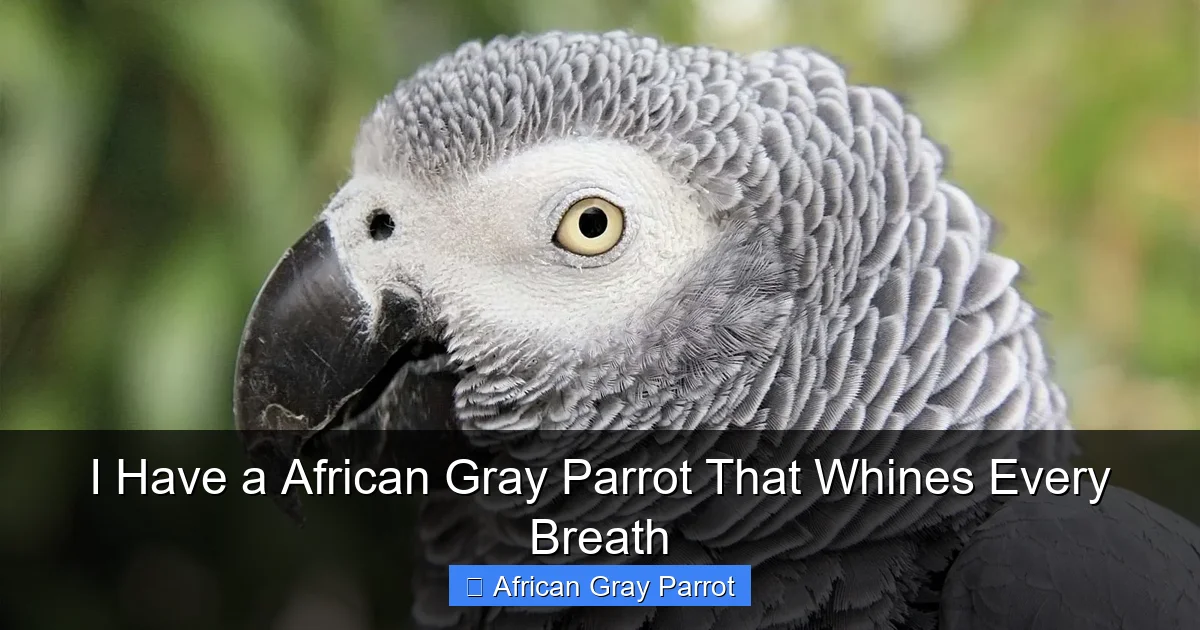
African Grays come from humid rainforests. Central Africa. West Africa. Humidity there is 70 to 90 percent. Your home? Maybe 20 percent in winter. Maybe 30 percent with AC. Dry air dries the mucous membranes. The cilia stop working. Mucus gets thick. The airway narrows. The bird whines.
Visual guide about I Have a African Gray Parrot That Whines Every Breath
Image source: colorpsychology.org
Fix it. Get a humidifier. Aim for 40 to 60 percent humidity. Use a hygrometer to check. Clean the humidifier daily. Mold in the machine blows spores into the bird. That causes Aspergillus. Use distilled water. Place it near the cage but not blowing directly on the bird. A shower helps too. Bring the bird in the bathroom. Run hot water. Steam clears the airways. Do this daily if the air is dry.
Airborne Toxins: What You Cannot See
Bird lungs are sensitive. Very sensitive. Things that do not bother you can kill them. Teflon pans. When overheated, they release fumes. Birds die in minutes. Self-cleaning ovens. Same thing. Scented candles. Air fresheners. Essential oil diffusers. Incense. Cigarette smoke. Vape aerosol. Cleaning sprays. Bleach. Ammonia. Perfume. Hairspray. Nail polish. Paint fumes. New carpet off-gassing.
If you use any of these, stop. Ventilate. Move the bird to a different room. Better yet, a different floor. Use bird-safe cleaners. Vinegar and water. Baking soda. Steam cleaners. Unscented everything. Your bird’s life depends on clean air.
Dust and Dander: The Constant Cloud
African Grays are powder-down birds. They produce fine white dust. It coats everything. It floats in the air. They breathe it back in. Other birds add dander. Seed hulls add dust. This constant particulate matter irritates the airways. It causes inflammation. It triggers whining.
HEPA filters are non-negotiable. Run one 24/7 in the bird room. Change filters per manufacturer instructions. Vacuum daily with a HEPA vacuum. Damp mop floors. Mist the bird before preening to settle dust. Wipe cage bars daily. Change cage paper daily. Less dust means easier breathing.
Temperature Extremes and Drafts
Sudden cold causes bronchospasm. The airways clamp down. The bird whines. Direct AC vents. Drafty windows. Cold floors. All trigger this. Keep the cage away from vents and doors. Maintain 70 to 80 degrees Fahrenheit. No sudden drops. Cover the cage at night if the room gets cold. But ensure ventilation. Never wrap the cage in plastic or heavy blankets. Air must flow.
Behavioral vs. Medical: Knowing the Difference
The Attention-Seeking Whine
African Grays are smart. Really smart. Toddler smart. They learn fast. If they make a sound and you react, they do it again. You look. You talk. You come over. You give a treat to “quiet them.” Jackpot. They just trained you. The behavioral whine is usually intermittent. It happens when you are in the room. It stops when you leave. It changes pitch. It mimics words. It happens at specific times. Morning. When you are on the phone. When you ignore them.
Medical whines do not care if you are there. They happen during sleep. They happen when the bird is alone. They are rhythmic. Mechanical. Unchanging. The bird looks sick. Fluffed. Quiet. Not eating. Tail bobbing. Eyes half-closed. If the bird looks normal, eats well, plays, talks, and only whines when you watch? It might be behavioral. But never assume. Rule out medical first. Always.
Anxiety and Stress Vocalizations
Change stresses Grays. New cage. New room. New person. New pet. Loss of a mate. Loss of a favorite human. Construction noise. Thunderstorms. Fireworks. Hormonal season. Stressed birds vocalize. They scream. They whine. They pluck. They pace. The whine here is emotional. It comes with other signs. Feather destruction. Aggression. Fear. Refusal to eat. Hiding.
Fix the stressor if you can. Keep routines rigid. Same wake time. Same meals. Same play. Same bedtime. Provide foraging. Puzzle toys. Shreddable things. Training sessions. Mental tiredness reduces anxiety. Calming supplements like chamomile or L-theanine only with vet approval. Never give human supplements. Dosing is totally different.
Mimicry Gone Wrong
Grays mimic everything. A squeaky door. A whining dog. A child’s toy. A smoke detector beep. They hear it once. They own it forever. If your bird whines and it sounds exactly like something in your house? It might be mimicry. Record the sound. Compare. Does it match the microwave beep? The car alarm? The neighbor’s dog? Mimicry is usually context-free. They do it randomly. They do it while playing. They do it while eating. They look happy. Medical whines never look happy.
Immediate Steps: What to Do Right Now
Step One: Observe and Document
Grab your phone. Record a video. Get close. Capture the sound. Capture the body. Show the tail. Show the nares (nostrils). Show the mouth. Note the time. Note the activity. Was the bird sleeping? Eating? Playing? Stressed? Send this to your vet. Many vets do telehealth triage. They can tell you “come now” or “monitor for 24 hours.” Do not wait days. Birds crash fast.
Step Two: Check the Environment
Walk the room. Smell the air. Feel the humidity. Check the filter. Look at the cage. Is it dusty? Are there old food bowls? Moldy toys? Wet paper? Chemical residue? Fix what you can instantly. Move the cage. Turn on the humidifier. Open a window (if safe). Run the HEPA. Remove scented items. This helps regardless of cause.
Step Three: Supportive Care
Keep the bird warm. 85 degrees if they look sick. A heating pad on low under half the cage. A ceramic heat emitter. A brooder lamp. Let them move away if too hot. Offer water. Fresh. Clean. Maybe add electrolytes (vet-approved only). Offer favorite foods. Soft foods. Warm sweet potato. Mashed banana. Sprouts. Keep calories up. Sick birds burn energy fast. Do not force feed. Aspiration risk is high.
Step Four: Call the Avian Vet
Not a dog vet. Not a cat vet. An avian vet. Board certified if possible. Exotic specialist at minimum. Call now. Describe the whine. Say “every breath.” Say “African Gray.” Ask for the earliest slot. If they say “next week,” call another. Drive two hours if needed. This is not a “wait and see” situation. If the bird is open-mouth breathing, tail bobbing hard, or collapsed? Emergency clinic. Now. Do not pass go.
Diagnostic Journey: What the Vet Will Do
Physical Exam: The First Clues
The vet watches first. From a distance. Breathing pattern. Effort. Posture. Feather condition. Weight. Keel score. Then hands on. They listen with a stethoscope. Bird lungs sound different. They hear clicks. Wheezes. Silence where sound should be. They check the nares. Blocked? Discharge? Swollen? They check the choana (the slit in the roof of the mouth). Papillae should be sharp. Blunt papillae mean Vitamin A deficiency. They palpate the abdomen. Fluid? Mass? Egg? They check the vent. Staining? Diarrhea?
Diagnostic Tests: Seeing Inside
Blood work. CBC and chemistry. Shows infection. Anemia. Organ function. Protein levels. Electrolytes. Chlamydia testing. Aspergillus titers. X-rays. Two views. Lateral and VD (ventrodorsal). Shows air sac clarity. Heart size. Liver size. Spleen size. Trachea width. Bone density. Metal density (toxicity). Endoscopy. A tiny camera. Goes in the trachea. Goes in the air sacs. Sees mites. Sees plaques. Sees tumors. Takes biopsies. Culture and sensitivity. Swabs the trachea. Grows bacteria. Tests antibiotics. Finds the exact drug. CT scan. For complex cases. 3D view. Surgical planning.
Treatment Plans: Tailored to the Cause
Mites? Antiparasitic. Injections or oral. Repeat in 2 weeks. Environment treated too. Bacteria? Antibiotics. Injectable first. Then oral. 14 to 30 days minimum. Fungus? Antifungals. Itraconazole. Voriconazole. Months of treatment. Nebulization. Medication in mist. Goes straight to air sacs. Saline. Antibiotics. Antifungals. Mucolytics. 10 to 15 minutes twice daily. Hospitalization for severe cases. Oxygen cage. IV fluids. Nutritional support. Surgery for foreign bodies or tumors.
Long-Term Management: Keeping the Silence
Diet: The Foundation of Health
Pellets. 60 to 70 percent. High quality. No artificial colors. Brands like Harrison’s, Roudybush, TOPS. Vegetables. 20 to 30 percent. Dark greens daily. Kale. Swiss chard. Collards. Mustard greens. Orange veggies daily. Sweet potato. Carrot. Butternut squash. Peppers. Fruits. 5 to 10 percent. Berries. Papaya. Mango. Pomegranate. Nuts and seeds. Treats only. Training rewards. Walnuts. Almonds. Pumpkin seeds. Fresh water. Changed twice daily. Bowls washed with hot soapy water.
Routine Vet Care: Prevention Beats Cure
Annual exams. Blood work baseline. Weight checks monthly at home. Gram stain annually. Chlamydia test if boarding or new birds. Aspergillus screening if high risk. Beak and nail trims only if needed. Vaccines? None routine for parrots. But discuss with your vet. New bird quarantine. 45 to 60 days. Separate air space. Separate supplies. Test before introduction.
Enrichment: A Busy Bird Is a Healthy Bird
Foraging. Every meal. Puzzle feeders. Hidden food. Wrapped treats. Shreddable toys. Palm leaves. Balsa wood. Vine balls. Paper. Cardboard. Rotate weekly. Novelty matters. Training. 5 minutes twice daily. Target training. Station training. Recall. Tricks. Mental exercise tires them more than physical. Social time. Out of cage. On you. Near you. Talking. Singing. Dancing. But respect boundaries. Consent matters.
Air Quality: A Lifelong Commitment
HEPA filter. Always on. Humidifier. Winter essential. Hygrometer. Always visible. No scented products. Ever. No Teflon. Ever. Smoke outside. Far away. Change clothes after smoking. Wash hands. Ventilate daily. Open windows 15 minutes. Bird in carrier or other room. Clean cage daily. Deep clean weekly. Steam clean monthly. Replace perches annually. Wood rots. Bacteria hides.
When the Whine Persists: Chronic Management
Chronic Respiratory Disease: The Long Haul
Some birds have permanent damage. Scarred air sacs. Narrowed trachea. Recurrent infections. They may always have a soft whistle. The goal is management. Not cure. Nebulization maintenance. Twice weekly. Or daily during flare-ups. Regular rechecks. Every 3 to 6 months. Blood work. X-rays. Adjust meds. Watch for resistance. Probiotics for gut health after antibiotics. Omega-3 supplements for inflammation. The vet guides this. You execute it. Consistency saves lives.
Quality of Life: The Ultimate Metric
Is the bird eating? Playing? Talking? Preening? Interacting? Sleeping well? Weight stable? Feathers good? Then the whine is managed. If the bird declines. Stops eating. Stops talking. Sleeps all day. Hides. Loses weight. Struggles for every breath. Then the conversation changes. Palliative care. Hospice. Euthanasia. It is the hardest decision. But it is the final act of love. Your vet helps you decide. You know your bird. Trust your gut.
Support for You: The Caregiver Burden
Caring for a sick bird is exhausting. Emotionally. Financially. Physically. You lose sleep. You miss work. You worry constantly. You feel guilty. “Did I cause this?” “Am I doing enough?” Join support groups. Online forums. Facebook groups. Reddit communities. Talk to others who understand. Share the load. Ask a friend to bird-sit for an hour. Take a walk. Breathe. You cannot pour from an empty cup. Your bird needs you strong.
Conclusion: Listen to the Whisper
That whine. Every breath. It is not nothing. It is a whisper from your bird saying “help me.” African Grays do not complain loudly. They whisper. They hide. They endure. Until they cannot. You heard it. That makes you a good owner. Now act. Call the vet. Fix the air. Check the diet. Watch the weight. Document everything. Be the advocate your bird cannot be for himself.
Most causes are treatable. Most birds recover. Most go back to talking, mimicking, demanding head scratches, and ruling the household. But time is the enemy. Birds do not have reserves. A day of waiting can mean a week of hospitalization. A week of waiting can mean goodbye. So move fast. Move smart. Move with love.
Your Gray is waiting. He trusts you. He believes you will fix it. Do not let him down. The silence of healthy breathing is the sweetest sound you will ever hear. Go get it back.
Frequently Asked Questions
What are the most common medical causes of breathing whines in African Grays?
The most common medical causes include air sac mites, bacterial infections (like Chlamydia or E. coli), fungal infections (especially Aspergillus), Vitamin A deficiency from poor diet, and foreign bodies lodged in the airway. Tumors in older birds can also compress the trachea.
How much does it cost to diagnose and treat respiratory issues in African Grays?
Initial exam and diagnostics (blood work, X-rays, cultures) typically range from $300-800. Treatment adds $100-500 for medications, nebulization, or hospitalization. Complex cases with endoscopy or CT scans can exceed $1,500. Pet insurance for exotics helps offset costs.
Can household products cause my African Gray to whine while breathing?
Absolutely. Teflon cookware fumes, scented candles, air fresheners, essential oil diffusers, cleaning chemicals, cigarette smoke, and perfume are all toxic to avian respiratory systems. Remove these immediately and ventilate the area.
How long can an African Gray survive with untreated respiratory whining?
Birds hide illness until critical. Once whining is audible, the condition is often advanced. Without treatment, survival may be days to weeks depending on the cause. Early veterinary intervention dramatically improves prognosis.
Will a humidifier alone fix my parrot’s breathing whine?
If dry air is the sole cause, yes—improvement often occurs within 24-48 hours of maintaining 40-60% humidity. However, if an infection, mites, or structural issue exists, humidity helps comfort but won’t cure the underlying problem. Veterinary diagnosis is still essential.
Can stress alone cause an African Gray to whine with every breath?
Stress can cause vocalizations that sound like whining, but these are typically intermittent and behavioral. True respiratory whining with every single breath—especially during sleep—is almost always physical. Stress weakens immunity, making medical issues more likely, so both factors often overlap.