
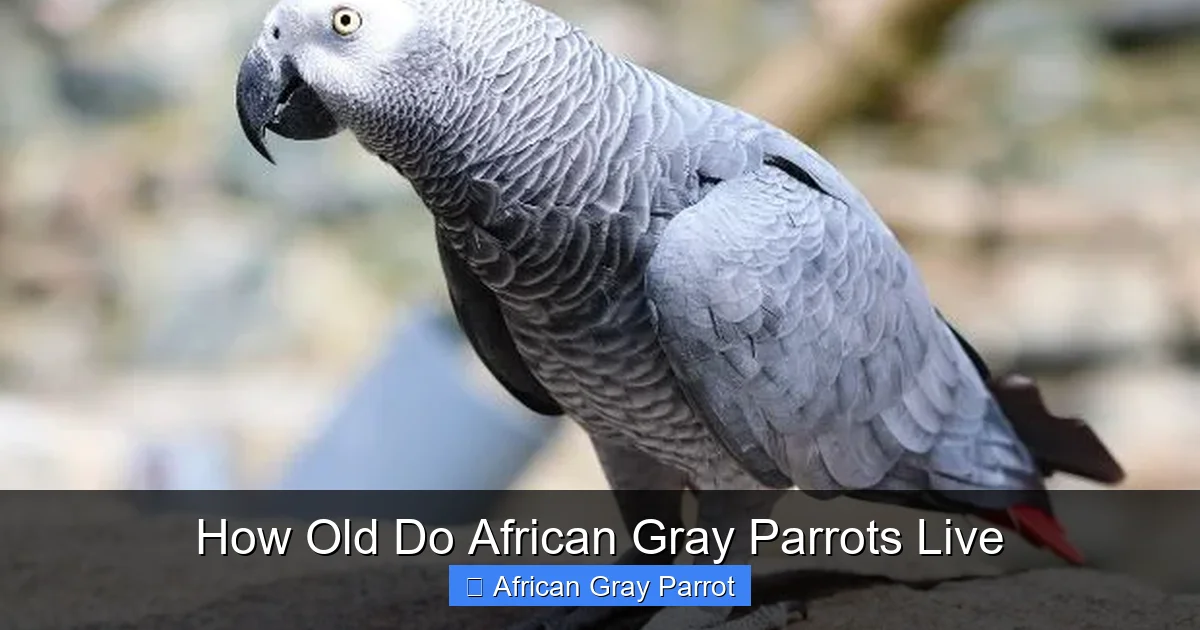
African Gray Parrots can live 40 to 60 years in captivity, with some individuals reaching 80 years when given optimal care. Their lifespan depends on diet, environment, veterinary attention, and mental stimulation. Understanding these factors helps owners plan for a lifelong commitment.
African Gray Parrots are famous for their intelligence and talking ability. Many people ask how old do african gray parrots live before they decide to bring one home. The answer can surprise new owners. These birds often become lifelong companions. Planning for decades of care is essential.
In the wild the average lifespan is shorter than in captivity. Predators, disease, and food shortages reduce survival. In a safe home a parrot can thrive. Proper nutrition, regular vet visits, and mental enrichment all add years. Owners who understand these needs see their birds thrive.
This guide covers everything you need to know about how old do african gray parrots live. We will explore typical ages, key factors, common health problems, and practical tips. By the end you will have a clear roadmap for a long, happy life together.
Key Takeaways
- Long lifespan: African Gray Parrots often live 40–60 years in captivity.
- Diet matters: A balanced diet of pellets, fresh fruits, and vegetables extends life.
- Regular vet visits: Annual check‑ups catch health issues early.
- Mental enrichment: Toys, training, and social interaction prevent boredom.
- Safe environment: Proper cage size, clean air, and temperature control are essential.
- Genetics play a role: Some lines live longer than others.
- Commitment required: Owners must plan for decades of care.
Quick Answers to Common Questions
What is the average lifespan of an African Gray Parrot in captivity?
African Gray Parrots typically live 40 to 60 years when cared for properly.
Can African Gray Parrots live longer than 70 years?
Yes, a few individuals have reached 80 years with exceptional care.
Does diet alone determine how old do african gray parrots live?
Diet is a major factor but genetics, environment, and veterinary care also matter.
How often should I take my African Gray Parrot to the vet?
Annual wellness exams are recommended, with more frequent visits if health issues arise.
What are the signs that my parrot may be aging?
Reduced activity, changes in feather quality, and slower learning can indicate aging.
📑 Table of Contents
Understanding the Typical Lifespan
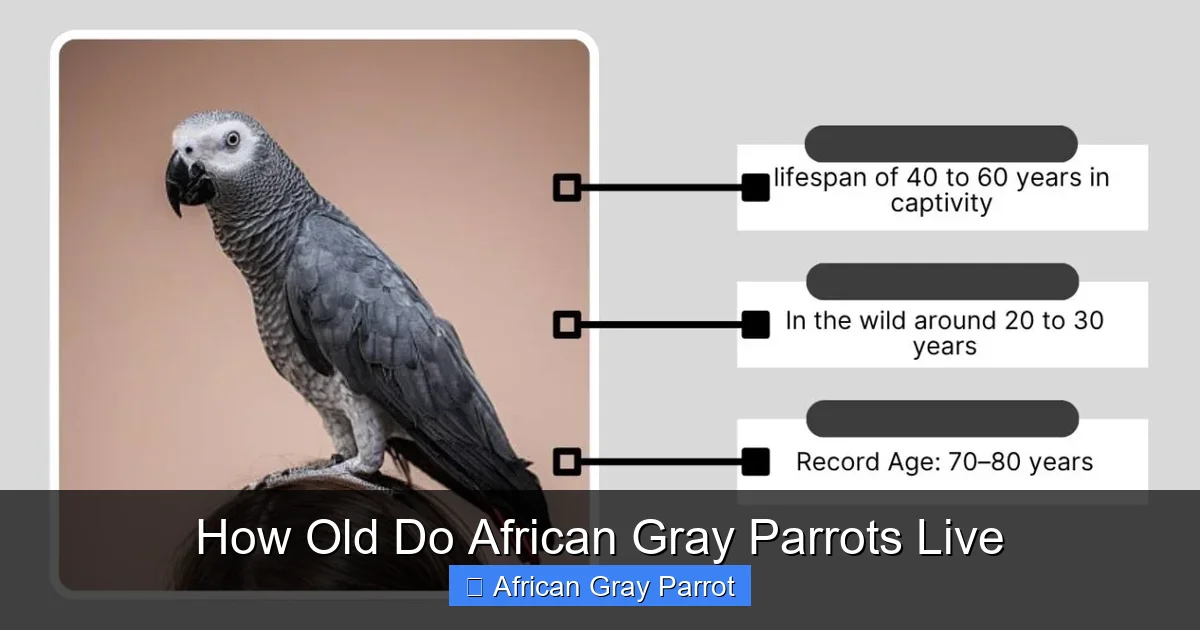
Most African Gray Parrots live between 40 and 60 years in captivity. Some birds have been documented at 70, 80, or even 83 years. The range depends on many variables. Genetics, diet, and environment all play a role. Knowing the typical range helps set realistic expectations.
Wild vs. Captive Lifespan
In the wild African Gray Parrots usually survive 20 to 30 years. Predators such as hawks and snakes take a toll. Seasonal food scarcity also limits longevity. Captive birds avoid these dangers. They receive consistent meals and medical care. This safety net explains the large gap between wild and captive ages.
Record Ages and Verified Cases
The oldest verified African Gray Parrot reached 83 years. This bird lived in a private home with a dedicated owner. Another well‑known case is a zoo resident that lived 78 years. These records show the upper potential when every need is met. They also highlight the importance of lifelong commitment.
Key Factors That Influence How Old Do African Gray Parrots Live
Several core factors determine how old do african gray parrots live. Nutrition stands at the top of the list. Veterinary care follows closely. Housing conditions, mental stimulation, and genetics round out the picture. Addressing each area gives your bird the best chance for a long life.
Visual guide about How Old Do African Gray Parrots Live
Image source: petdemy.com
Nutrition and Diet
A balanced diet is the foundation of health. High‑quality pellets should make up 60 to 70 percent of daily intake. Fresh vegetables like kale, carrots, and bell peppers provide vitamins. Fruits such as apples, berries, and mango add variety. Seeds and nuts are treats, not staples. Avoid avocado, chocolate, caffeine, and alcohol. Fresh water must be available at all times. Consistent feeding schedules prevent obesity and nutritional gaps.
Veterinary Care and Preventive Medicine
Annual wellness exams catch problems early. A qualified avian veterinarian can run blood work, fecal tests, and feather checks. Vaccinations are not routine for parrots but parasite screening is important. Beak and nail trims prevent overgrowth. Dental health is monitored during exams. Prompt treatment of infections stops complications. Keeping a health record helps track trends over decades.
Environment and Housing
The cage should be large enough for full wing extension. Minimum dimensions are 36 inches wide, 24 inches deep, and 48 inches high. Bar spacing of 3/4 inch prevents escape and injury. Place the cage in a well‑lit area away from drafts and direct sunlight. Temperature between 65 and 80 degrees Fahrenheit is ideal. Humidity around 50 percent supports respiratory health. Clean the cage daily and replace substrate weekly.
Mental Stimulation and Social Interaction
African Gray Parrots are highly intelligent. Boredom leads to feather plucking and aggression. Provide a rotating selection of toys: foraging puzzles, shreddable items, and chewable wood. Training sessions using positive reinforcement keep the mind sharp. Daily out‑of‑cage time allows flight and exploration. Social interaction with family members mimics flock dynamics. A lonely bird often shows stress behaviors that shorten lifespan.
Genetics and Breeding Background
Genetic lines vary in longevity. Birds from reputable breeders who health‑test parents tend to live longer. Inbreeding can concentrate hereditary diseases. Ask for health clearances before purchase. A strong genetic foundation combined with good care maximizes potential years.
Common Health Issues That Shorten Lifespan
Even with excellent care, certain diseases can reduce how old do african gray parrots live. Awareness and early detection are crucial. The following conditions are the most common threats.
Visual guide about How Old Do African Gray Parrots Live
Image source: thehappychickencoop.com
Psittacosis (Parrot Fever)
Psittacosis is a bacterial infection caused by Chlamydia psittaci. Symptoms include lethargy, nasal discharge, and greenish droppings. It spreads through dust and droppings. Prompt antibiotic treatment usually resolves the infection. Quarantine new birds for 30 days to prevent introduction.
Feather Plucking and Self‑Mutilation
Feather plucking often signals stress, boredom, or medical pain. It can lead to skin infections and permanent feather loss. Address the root cause: improve enrichment, check for pain, and consult a vet. Behavioral modification plans help many birds stop plucking.
Obesity and Fatty Liver Disease
Excess seed diets and lack of exercise cause weight gain. Fat accumulates in the liver, impairing function. Signs include a distended abdomen and labored breathing. Switching to a pellet‑based diet and increasing activity reverses early stages. Regular weight checks catch trends early.
Respiratory Infections
Parrots have sensitive air sacs. Dust, smoke, and strong fumes trigger infections. Symptoms: sneezing, wheezing, tail bobbing. Clean air, HEPA filters, and avoiding aerosol sprays protect the respiratory tract. Veterinary care with antibiotics or antifungals is often needed.
Beak and Nail Overgrowth
Overgrown beaks hinder eating and preening. Overgrown nails cause foot injuries. Provide natural wood perches and cuttlebone for wear. Schedule professional trims if natural wear is insufficient. Preventive maintenance avoids secondary infections.
Practical Tips to Help Your Bird Reach Its Full Potential
Applying daily habits makes a measurable difference in how old do african gray parrots live. Small consistent actions add up over decades. Below are actionable checklists you can start today.
Daily Nutrition Checklist
- Offer fresh pellets each morning.
- Provide a rotating mix of three vegetables.
- Give a small fruit portion as a treat.
- Limit seeds to one teaspoon per day.
- Refresh water twice daily.
Enrichment Ideas
- Rotate foraging toys every week.
- Teach a new word or trick monthly.
- Offer safe branches for chewing.
- Play soft music or nature sounds.
- Schedule supervised out‑of‑cage flight time.
Routine Veterinary Schedule
- Annual comprehensive exam.
- Blood panel every two years.
- Fecal parasite check yearly.
- Beak and nail assessment each visit.
- Discuss diet adjustments as the bird ages.
Environmental Maintenance
- Clean cage bars and trays daily.
- Replace substrate weekly.
- Inspect toys for wear and replace broken pieces.
- Monitor room temperature and humidity.
- Use a HEPA air purifier in the bird room.
Planning for a Lifetime Companion
Because African Gray Parrots can live 50 years or more, owners must plan for the future. Financial, legal, and caregiving arrangements ensure continuity of care.
Financial Considerations
Annual costs include high‑quality food, toys, veterinary bills, and cage upgrades. Budget roughly $1,500 to $2,500 per year. Emergency surgeries can exceed $5,000. Pet insurance for exotic birds is available and can offset large expenses. Setting aside a dedicated savings fund reduces stress during unexpected events.
Estate and Care Planning
Designate a trusted caregiver in your will. Provide a detailed care guide covering diet, medication, vet contacts, and daily routines. Consider a pet trust to allocate funds for the bird’s lifetime. Communicate the plan with family members to avoid disputes. A clear plan guarantees the bird’s well‑being even if you cannot provide care.
Long‑Term Health Monitoring
Track weight, feather condition, and behavior in a journal. Note any changes in appetite or vocalization. Share the journal with your veterinarian at each visit. Early detection of trends allows timely interventions. Consistent monitoring is a hallmark of owners whose birds reach the upper lifespan range.
Conclusion
Understanding how old do african gray parrots live empowers you to give your feathered friend the best possible life. The typical captive lifespan ranges from 40 to 60 years, with exceptional cases reaching beyond 80. Nutrition, veterinary care, housing, enrichment, and genetics all shape that outcome. By following the practical tips and planning ahead, you can help your parrot thrive for decades. Remember, a long life together starts with daily commitment and love.
Frequently Asked Questions
How old do african gray parrots live in the wild?
In the wild African Gray Parrots usually live 20 to 30 years due to predators and food scarcity.
What is the longest recorded age for an African Gray Parrot?
The oldest documented African Gray Parrot lived to be 83 years old.
Can a poor diet cut a parrot’s life in half?
Yes, malnutrition can reduce lifespan dramatically, often by 50 percent or more.
Do African Gray Parrots need companionship to live longer?
Social interaction reduces stress and can add years to their life.
Is it true that larger cages increase lifespan?
A spacious cage encourages exercise and mental health, which supports a longer life.
How can I tell if my parrot is getting proper nutrition?
Bright feathers, steady weight, and regular droppings are good indicators of a balanced diet.