
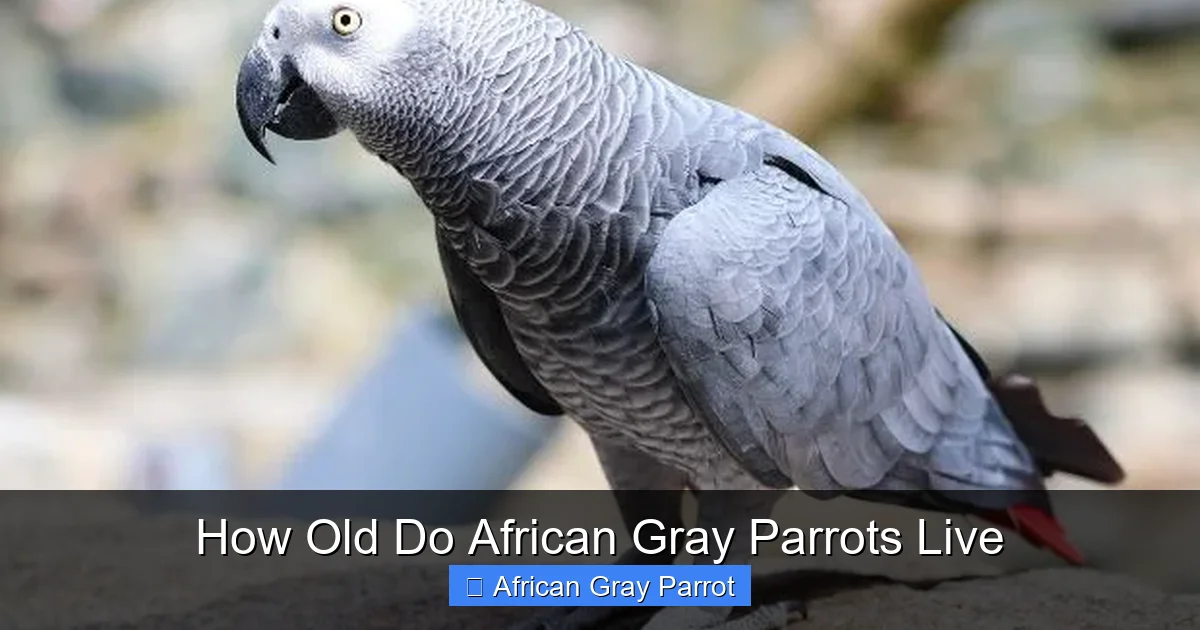
African Gray Parrots typically live 40-60 years in captivity with proper care, while wild birds average 20-30 years. Their impressive longevity makes them a lifelong commitment requiring dedicated nutrition, mental stimulation, and veterinary care. Understanding the factors that influence their lifespan helps owners provide the best possible life for these intelligent companions.
If you have ever wondered how old do African Gray Parrots live, you are not alone. These remarkable birds capture hearts with their intelligence, talking ability, and deep emotional bonds. But bringing one home means embracing a commitment that could span decades. Many new owners feel surprised when they learn just how long these feathered friends can share their lives.
Understanding the true lifespan of an African Gray helps you prepare for the journey ahead. It shapes decisions about diet, veterinary care, enrichment, and even estate planning. This guide explores every factor that influences how old do African Gray Parrots live, from genetics and environment to daily care choices that add years to their lives.
Key Takeaways
- Captive lifespan reaches 40-60 years: With excellent care, African Grays commonly live five to six decades in homes
- Wild birds live shorter lives: Natural predators, disease, and food scarcity limit wild parrots to 20-30 years typically
- Diet dramatically affects longevity: A varied diet of pellets, fresh vegetables, fruits, and limited seeds prevents malnutrition and organ failure
- Mental stimulation prevents early decline: These highly intelligent birds need daily enrichment to avoid stress-related health issues
- Regular vet checks catch problems early: Annual avian exams detect hidden illnesses before they become life-threatening
- Environmental safety prevents accidents: Toxin-free homes, safe toys, and supervised out-of-cage time reduce premature death risks
- Genetics and early life matter: Birds from reputable breeders with healthy parents and proper weaning tend to live longer
Quick Answers to Common Questions
How old do African Gray Parrots live in captivity?
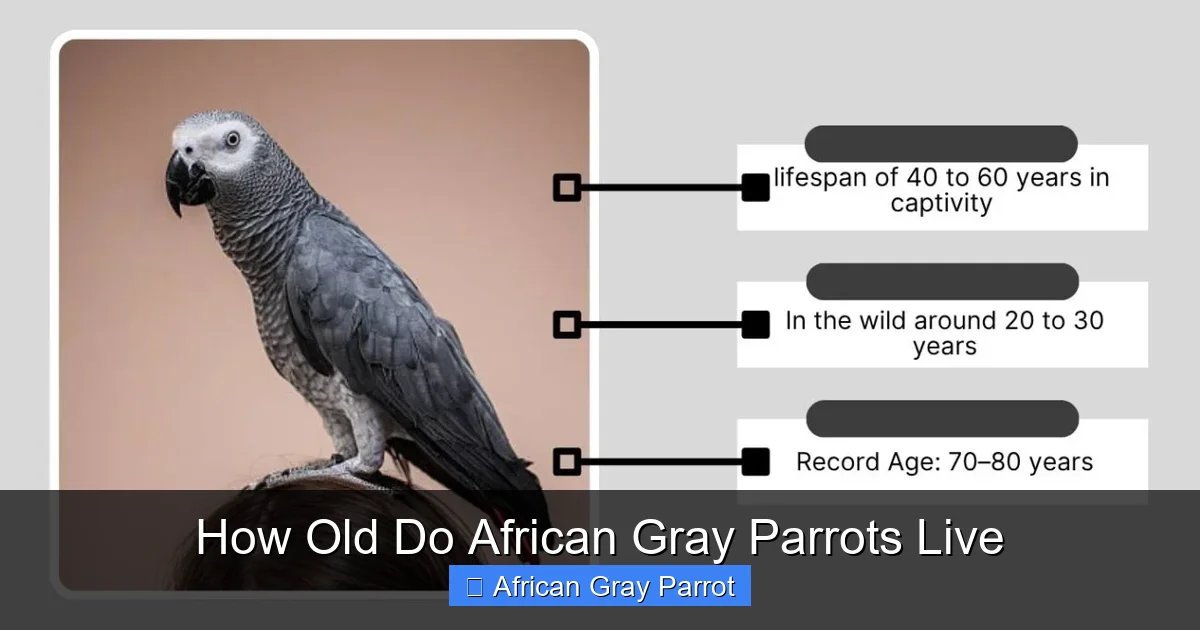
African Gray Parrots typically live 40-60 years in captivity with proper care, and some individuals reach 70-80 years in exceptional cases.
How old do African Gray Parrots live in the wild?
Wild African Gray Parrots average 20-30 years due to predators, disease, food scarcity, and habitat loss.
What is the most important factor for a long life?
Nutrition is the single most controllable factor. A diet of 60-70% quality pellets plus diverse fresh foods prevents malnutrition and organ disease.
Do Congo and Timneh African Grays have different lifespans?
No, both subspecies have similar lifespan potential of 40-60+ years with proper care.
At what age is an African Gray considered senior?
African Grays enter their senior years around age 40, requiring adapted care like lower perches, more frequent vet visits, and pain management.
📑 Table of Contents
- Average Lifespan in Captivity Versus the Wild
- Critical Factors That Determine How Long Your Bird Lives
- Healthcare and Disease Prevention for Maximum Lifespan
- Mental Wellbeing and Its Direct Impact on Longevity
- Environmental Safety and Housing for a Long Life
- The Role of Genetics and Early Life
- Planning for the Decades Ahead
- Common Myths About African Gray Lifespan
- Daily Habits That Extend Your Bird’s Life
- Conclusion
Average Lifespan in Captivity Versus the Wild
What Numbers Tell Us About Captive Birds
When people ask how old do African Gray Parrots live in homes, the answer often ranges from forty to sixty years. Some well cared for individuals reach seventy or even eighty years. These numbers reflect ideal conditions: balanced nutrition, preventative healthcare, mental stimulation, and safe environments. The median lifespan tends to fall around fifty years for birds receiving consistent quality care.
Congo African Grays and Timneh African Grays show similar longevity potential. Both subspecies benefit equally from good husbandry. Individual variation exists, just as it does in humans. Some birds simply possess hardier constitutions or luckier genetics.
Why Wild Birds Live Shorter Lives
In their native Central and West African forests, African Grays face challenges that reduce average lifespan to twenty to thirty years. Predators like hawks, eagles, and mammals take a toll. Disease spreads quickly in flocks. Seasonal food shortages weaken birds. Habitat loss forces them into dangerous areas. Human trapping for the pet trade removes healthy adults from the breeding population.
These pressures mean wild birds rarely reach their biological potential. The gap between wild and captive lifespan highlights how much environment matters. It also underscores our responsibility to provide the safety and resources wild birds lack.
Record Holders and Exceptional Cases
Documented cases exist of African Grays living into their seventies and eighties. One famous bird, a Congo African Gray named Tarbu, reportedly reached age fifty-five with verified records. Anecdotal reports suggest even older birds exist. These outliers share common threads: lifelong excellent nutrition, consistent veterinary care, rich social lives, and stable homes.
While you should not plan on your bird breaking records, knowing the upper limits shows what is possible. Every care choice you make moves your bird closer to or further from that potential.
Critical Factors That Determine How Long Your Bird Lives
Nutrition as the Foundation of Longevity
Diet stands as the single most controllable factor influencing how old do African Gray Parrots live. These birds evolved eating diverse wild foods: palm nuts, seeds, fruits, leaf buds, flowers, and occasional insects. Replicating this variety prevents the nutritional deficiencies that shorten lives.
Visual guide about How Old Do African Gray Parrots Live
Image source: petdemy.com
A high quality pellet should form sixty to seventy percent of the diet. Choose brands formulated specifically for African Grays with appropriate calcium and vitamin D3 levels. The remaining thirty to forty percent should be fresh vegetables, fruits, whole grains, and healthy proteins. Dark leafy greens like kale, collards, and Swiss chard provide calcium. Orange vegetables like sweet potatoes and carrots supply vitamin A. Berries offer antioxidants. Cooked quinoa, brown rice, and legumes add protein variety.
Seeds and nuts belong in the treat category, not the staple category. They are high in fat and low in essential nutrients. Overreliance on seed diets causes obesity, fatty liver disease, vitamin A deficiency, and calcium deficiency. These conditions dramatically reduce lifespan.
Calcium and Vitamin D3: The African Gray Special Need
African Grays have a unique metabolic requirement for calcium and vitamin D3. They utilize calcium differently than many other parrots. Hypocalcemia (low blood calcium) causes seizures, feather plucking, poor egg formation, and bone fractures. Chronic deficiency shortens life significantly.
Provide calcium rich foods daily. Offer cuttlebone or calcium blocks. Ensure access to natural sunlight or full spectrum UVB lighting for vitamin D3 synthesis. Discuss supplementation with your avian veterinarian. Blood tests can monitor calcium levels and guide adjustments.
Obesity Prevention Adds Years
Overweight African Grays face higher risks of atherosclerosis, fatty liver disease, heart disease, and joint problems. These conditions mirror human obesity complications. Monitor body condition weekly. You should feel the keel bone easily with a thin layer of muscle on each side. If the keel feels buried in fat, reduce high calorie foods and increase exercise opportunities.
Measure food portions rather than free feeding. Use foraging toys to make meals last longer and burn calories. Weigh your bird weekly on a gram scale. Sudden weight changes signal health problems requiring veterinary attention.
Healthcare and Disease Prevention for Maximum Lifespan
Finding an Avian Veterinarian
Not all veterinarians treat birds. African Grays need specialists with avian medicine training. Establish care before emergencies arise. Schedule a new bird exam within the first week of bringing your parrot home. This baseline helps track changes over time.
Visual guide about How Old Do African Gray Parrots Live
Image source: thehappychickencoop.com
Annual wellness exams should include physical examination, weight check, fecal parasite screening, and blood work. Complete blood counts and chemistry panels detect organ dysfunction before symptoms appear. Early intervention for kidney disease, liver disease, or infection can add years to your bird’s life.
Common Health Threats to Watch For
Several conditions disproportionately affect African Grays and impact how old do African Gray Parrots live. Psittacine beak and feather disease (PBFD) causes feather loss, beak deformities, and immune suppression. Proventricular dilatation disease (PDD) affects digestion and nervous system function. Aspergillosis, a fungal respiratory infection, thrives in damp, poorly ventilated environments. Atherosclerosis hardens arteries, especially in sedentary, high fat diet birds.
Heavy metal toxicity from chewing inappropriate items causes neurological damage. Zinc and lead are common culprits. Hormonal behaviors like chronic egg laying deplete calcium and cause reproductive tract problems. Feather destructive behavior often signals underlying medical or psychological issues.
Preventative Care Routines
Daily observation catches problems early. Note droppings: color, consistency, and volume changes indicate illness. Monitor appetite, water consumption, activity level, and vocalization patterns. Weigh weekly. Trim nails and beak only when necessary, preferably by a professional. Provide bathing opportunities several times weekly for feather and skin health.
Quarantine new birds for forty-five to sixty days before introducing them to your flock. Many diseases spread silently. Wash hands between handling different birds. Disinfect cages and toys regularly with avian safe products.
Mental Wellbeing and Its Direct Impact on Longevity
Intelligence Creates Special Needs
African Grays possess cognitive abilities comparable to young children. They understand concepts like same/different, bigger/smaller, and can use words contextually. This intelligence demands mental stimulation. Boredom leads to stress. Chronic stress elevates cortisol, suppressing immune function and accelerating aging.
Birds deprived of enrichment develop stereotypic behaviors: pacing, bar biting, feather plucking, self mutilation. These behaviors cause physical harm and indicate psychological suffering. A mentally healthy bird lives longer.
Daily Enrichment Strategies
Rotate toys weekly to maintain novelty. Offer foraging puzzles that require problem solving. Provide destructible toys: wood, paper, palm leaves, vine balls. Include toys that make noise, have different textures, and move in interesting ways. Teach new words, tricks, or games regularly. Training sessions provide mental exercise and strengthen your bond.
Social interaction matters immensely. African Grays are flock animals. They need several hours of direct interaction daily. This includes talking, playing, training, and simply being near you. If you work long hours, consider whether you can meet this need. A second bird may help but does not replace human interaction.
Managing Stress and Anxiety
Changes in routine, loud noises, unfamiliar people, and lack of sleep increase stress. Provide ten to twelve hours of dark, quiet sleep nightly. Cover the cage or use a separate sleep cage in a quiet room. Maintain consistent daily schedules. Introduce changes gradually. Use positive reinforcement, never punishment.
Recognize stress signs: feather fluffing, rapid breathing, wide eyes, aggression, withdrawal, appetite loss. Address causes promptly. Chronic stress shortens lifespan through physiological wear and tear.
Environmental Safety and Housing for a Long Life
Cage Size and Setup
Minimum cage dimensions for an African Gray: thirty-six inches wide, twenty-four inches deep, forty-eight inches tall. Bigger is always better. Bar spacing three-quarters to one inch. Horizontal bars on at least two sides for climbing. Multiple perches of varying diameters and textures: natural wood, rope, cement for nail maintenance. Place perches to avoid droppings contaminating food and water.
Include a foraging station, multiple toy attachment points, and separate areas for sleeping, eating, and playing. Clean cage daily. Deep clean weekly with avian safe disinfectant. Replace worn perches and toys promptly.
Air Quality and Toxin Avoidance
Birds have extremely efficient respiratory systems, making them sensitive to airborne toxins. Never use nonstick cookware (PTFE/PFOA), aerosol sprays, scented candles, air fresheners, incense, or cigarette smoke near your bird. These release fumes that can kill within minutes or cause chronic lung damage.
Use HEPA air purifiers. Ensure good ventilation without drafts. Keep birds away from kitchen fumes. Avoid essential oil diffusers. New furniture, carpets, and paints off gas volatile organic compounds. Allow new items to air out before bringing birds near them.
Household Hazards
Supervise all out of cage time. Common dangers: open toilets, uncovered pots, ceiling fans, hot stoves, electrical cords, toxic houseplants (philodendron, pothos, avocado), lead or zinc items (curtain weights, jewelry, hardware), other pets, open doors and windows. Bird proof rooms before allowing access.
Wing trimming decisions affect safety. Fully flighted birds navigate better but face window and mirror collisions. Clipped birds may fall and injure themselves. Discuss with your veterinarian based on your home layout and bird’s personality.
The Role of Genetics and Early Life
Choosing a Healthy Bird
How old do African Gray Parrots live partly depends on their genetic starting point. Birds from parents with longevity histories tend to live longer. Reputable breeders health test breeding stock for PBFD, polyomavirus, and other heritable conditions. They provide hatch certificates, parent information, and weaning records.
Avoid pet stores sourcing from bird mills. These facilities prioritize quantity over health. Birds may carry latent diseases, have poor immune systems, or suffer developmental issues from inadequate nutrition during growth.
Weaning and Early Socialization
Proper weaning takes time. Force weaned birds develop food insecurities and behavioral problems. Abundance weaning, where babies choose when to reduce formula as they eat solids, creates confident eaters. Early socialization with humans, novel objects, sounds, and experiences builds resilience.
Birds weaned too early or kept isolated during critical developmental windows (roughly eight to twenty weeks) often struggle with anxiety, phobias, and adaptation difficulties throughout life. These stressors can reduce lifespan.
Congo Versus Timneh: Any Lifespan Difference?
Both subspecies share similar lifespan potential. Timneh African Grays (Psittacus timneh) are slightly smaller, darker, with maroon tail feathers and horn colored upper mandibles. Congo African Grays (Psittacus erithacus) are larger, lighter gray, with bright red tails and black beaks. Care requirements and longevity expectations are essentially identical.
Planning for the Decades Ahead
Financial Commitment Over a Lifetime
Understanding how old do African Gray Parrots live means budgeting for forty to sixty years of care. Annual costs include: quality pellets ($400-600), fresh produce ($300-500), toys and enrichment ($200-400), routine veterinary care ($200-400), emergency fund ($1000+ recommended), cage replacement ($500-1500 every decade), and potential boarding or pet sitting. Lifetime costs easily exceed twenty thousand dollars.
Pet insurance for birds exists but varies widely. Research options early. Some owners create dedicated savings accounts. Others include birds in estate planning.
Estate Planning and Care Succession
Because African Grays often outlive their owners, responsible planning includes naming a guardian in your will. Choose someone who knows your bird, understands their needs, and agrees to the responsibility. Provide a care guide covering diet, medications, veterinary contacts, routines, preferences, and behavioral quirks. Fund a trust or leave assets for the bird’s care.
Discuss plans with family. Ensure the designated guardian can actually take the bird. Have backup guardians. Update documents as circumstances change.
Quality of Life in Senior Years
Geriatric African Grays (forty plus years) develop age related changes: arthritis, cataracts, reduced organ function, decreased mobility, thinner skin, altered sleep patterns. Adapt the environment: lower perches, padded cage floors, easier food access, supplemental heat, more frequent vet checks (every six months).
Pain management improves quality of life. Meloxicam and other NSAIDs help arthritis. Monitor for tumors, which increase with age. Adjust diet for changing nutritional needs. Senior birds still need mental stimulation but may prefer gentler activities.
Common Myths About African Gray Lifespan
Myth: Seeds Are a Natural Complete Diet
Wild birds eat seeds, so seeds must be perfect, right? Wrong. Wild birds eat dozens of seed types at different ripeness stages, plus fruits, nuts, vegetation, and insects. Commercial seed mixes offer four to six seed types, often old and nutrient depleted. Birds pick favorites, creating imbalance. Seed only diets cause premature death from malnutrition.
Myth: Birds Do Not Need Veterinary Care If They Look Healthy
Prey species hide illness instinctively. By the time an African Gray shows obvious symptoms, disease is advanced. Annual exams detect problems early when treatment succeeds. Skipping vet visits to save money costs more in emergency care and shortened lifespan.
Myth: A Big Cage Means the Bird Does Not Need Out Time
Even the largest cage cannot provide the exercise, exploration, and social interaction a parrot needs. Daily supervised out of cage time is essential for physical and mental health. Flight builds cardiovascular fitness. Exploration satisfies curiosity. Social time prevents loneliness.
Myth: African Grays Bond to Only One Person
While they often have a favorite, well socialized African Grays interact positively with multiple family members. Exclusive bonding creates problems when the preferred person is absent. Encourage all household members to participate in care, training, and play from day one.
Myth: Talking Ability Indicates Intelligence or Happiness
Some African Grays talk extensively. Others rarely speak. Talking ability varies by individual personality, not intelligence or contentment. A quiet bird may be perfectly happy and brilliant. Focus on overall behavior, not vocabulary size.
Daily Habits That Extend Your Bird’s Life
Morning Routine
Uncover cage at consistent time. Offer fresh water. Provide breakfast: pellets first, then fresh chop (mixed vegetables, grains, legumes) when hungry. Spend ten minutes talking and interacting. Quick visual health check: eyes clear, nostrils clean, feathers smooth, posture normal, droppings normal.
Midday Enrichment
Rotate a foraging toy with a healthy treat inside. Offer a destructible toy. Play music or nature sounds if alone. Ensure cage receives natural light (not direct sun) or UVB light is on. Check water bowl cleanliness.
Evening Wind Down
Supervised out of cage time: flight, play, training, cuddles. Offer dinner: remaining pellets, maybe a small nut treat. Remove fresh food after two hours to prevent spoilage. Ten minute calm interaction. Cover cage or move to sleep cage at consistent bedtime. Ensure twelve hours darkness.
Weekly Tasks
Weigh bird. Deep clean cage. Rotate all toys. Trim nails if needed. Prepare fresh chop for the week. Check toy safety. Review food supplies. Schedule vet appointment if due.
Monthly Tasks
Inspect cage for wear. Check perch condition. Review diet variety. Assess body condition. Update care guide. Test UVB bulb output (replace every six to twelve months).
Conclusion
When you ask how old do African Gray Parrots live, the answer carries weight. Forty to sixty years. Maybe more. This is not a pet you keep for a season. It is a companion for a significant portion of your life. The decisions you make daily (what goes in the food bowl, how you spend time together, whether you schedule that vet visit) compound over decades.
The birds reaching their sixties and seventies share no secret. They had owners who prioritized nutrition, prevented obesity, provided mental richness, ensured medical care, created safe homes, and planned for the future. They treated their parrots not as decorations but as the complex, sensitive, long lived beings they are.
Your African Gray’s lifespan largely rests in your hands. That responsibility is immense. But so is the reward: decades of conversation, companionship, laughter, and the unique privilege of sharing your life with one of nature’s most extraordinary minds. Start today with one better choice. Then another. The years will pass regardless. Make them count for both of you.
Frequently Asked Questions
Can African Gray Parrots live to be 100 years old?
While anecdotal claims exist, verified records rarely exceed 80 years. The maximum documented lifespan is around 70-80 years. Planning for 50-60 years is realistic; anything beyond is a bonus.
How can I tell if my African Gray is aging?
Signs include reduced activity, arthritis stiffness, cataracts (cloudy eyes), thinner foot skin, longer sleep, changed vocalizations, and decreased climbing. Regular vet checks distinguish normal aging from treatable conditions.
Does wing clipping affect lifespan?
Wing clipping itself does not directly shorten lifespan, but it reduces exercise capacity. Flighted birds maintain better cardiovascular health and muscle tone. Discuss pros and cons with your avian vet for your specific situation.
What foods are toxic and could kill my African Gray?
Avocado, chocolate, caffeine, alcohol, onions, garlic, mushrooms, fruit pits/seeds (apple, cherry, peach), rhubarb, and high salt/fat/sugar foods. Also avoid nonstick cookware fumes, which cause rapid fatal lung hemorrhage.
Should I get a second African Gray for companionship?
A second bird can provide companionship but does not replace human interaction. Introduce slowly with quarantine. Some birds prefer being only birds. Consider your space, budget, and time for two high maintenance pets.
How do I find a good avian veterinarian?
Search the Association of Avian Veterinarians directory. Ask local bird clubs. Call clinics and ask: “Do you see parrots regularly? What continuing education in avian medicine have you done? Do you have experience with African Grays specifically?”