
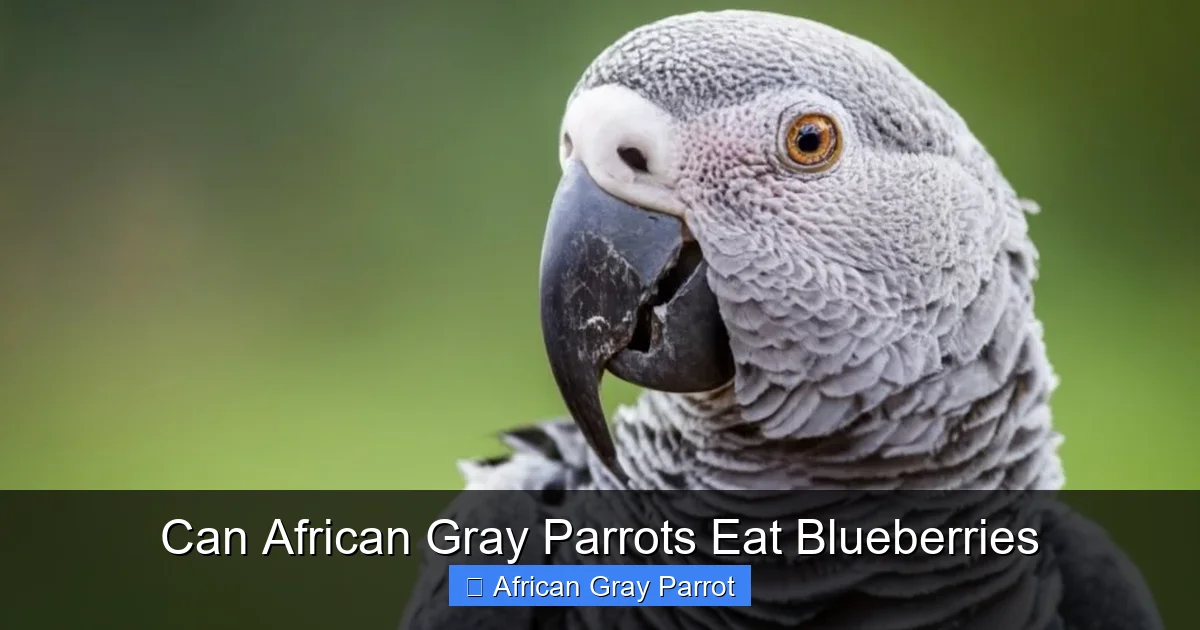
African Gray Parrots can safely eat blueberries as a healthy treat. These antioxidant-rich berries support immune health and cognitive function. Feed in moderation — 1-2 berries a few times per week — and always wash thoroughly before serving.
Featured image for
Image source: atractivopets.com
Many bird owners wonder about safe fruits for their feathered companions. Blueberries often top the list of recommended treats. But are they truly safe for African Grays? The short answer is yes. These small berries pack a nutritional punch. They offer vitamins, antioxidants, and fiber. However, portion control matters. Too much fruit can lead to health issues. This guide covers everything you need to know.
📑 Table of Contents
- Can African Gray Parrots Eat Blueberries?
- How Many Blueberries Can an African Gray Eat?
- What Are the Health Benefits of Blueberries for Parrots?
- Are There Any Risks to Feeding Blueberries?
- How Should You Prepare Blueberries for Your Parrot?
- What Other Berries Can African Grays Eat?
- Can Baby African Grays Eat Blueberries?
- Conclusion
Can African Gray Parrots Eat Blueberries?
Yes, African Gray Parrots can eat blueberries. They are non-toxic and safe for parrots. In fact, many avian veterinarians recommend them as a healthy snack. Blueberries contain vitamin C, vitamin K, and manganese. They also provide powerful antioxidants called anthocyanins. These compounds support brain health and reduce inflammation. Your parrot will likely enjoy the sweet taste and juicy texture.
Always introduce new foods slowly. Start with a single berry. Watch for any digestive upset. Most African Grays tolerate blueberries well. If you notice loose droppings, reduce the amount. Fresh, organic berries are the best choice. Avoid canned or sweetened varieties. Those contain added sugars and preservatives.
How Many Blueberries Can an African Gray Eat?
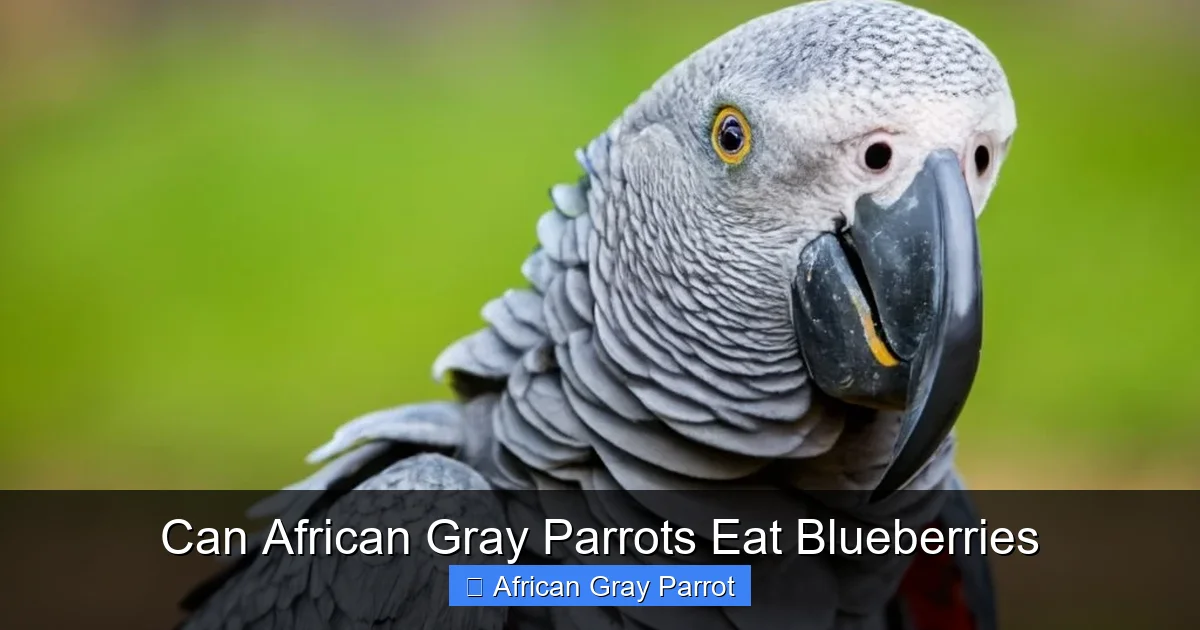
Moderation is key. Blueberries should be a treat, not a staple. A good rule is one to two berries per serving. Offer them two to three times per week. This prevents excess sugar intake. African Grays are prone to obesity and fatty liver disease. High-sugar fruits can contribute to these conditions. Balance blueberries with vegetables, pellets, and healthy grains.
Visual guide about
Image source: atractivopets.com
Consider your bird’s size and activity level. A more active parrot may handle slightly more fruit. An overweight bird needs stricter limits. Always factor blueberries into the total daily diet. Treats should not exceed 10 percent of total food intake. Use a small dish for fruit. Remove uneaten pieces after a few hours. This prevents spoilage and bacterial growth.
What Are the Health Benefits of Blueberries for Parrots?
Blueberries offer several health perks. The high antioxidant content fights free radicals. This supports cellular health and longevity. Vitamin C boosts the immune system. It helps your parrot resist infections. Vitamin K aids in blood clotting and bone health. Manganese supports metabolism and bone formation. The fiber content promotes healthy digestion.
Studies suggest anthocyanins may improve cognitive function. This is especially relevant for African Grays. These birds are known for intelligence and problem-solving. A diet rich in brain-supporting nutrients may help maintain mental sharpness. Blueberries also have a low glycemic index. They cause a slower rise in blood sugar compared to other fruits. This makes them a smarter fruit choice.
Are There Any Risks to Feeding Blueberries?
While generally safe, some risks exist. The main concern is pesticide residue. Blueberries often appear on the “Dirty Dozen” list for pesticides. Always wash berries thoroughly. Soak them in a vinegar solution for 15 minutes. Rinse well under running water. Better yet, buy organic when possible. This reduces chemical exposure significantly.
Choking is a minor risk for very small birds. African Grays are medium-large parrots. They can handle whole blueberries easily. However, you can halve them for younger or smaller birds. Excessive consumption leads to diarrhea. The high water and fiber content can cause loose stools. Monitor droppings after feeding. Reduce quantity if needed. Never feed moldy or overripe berries. These can contain harmful mycotoxins.
How Should You Prepare Blueberries for Your Parrot?
Preparation is simple. Wash berries thoroughly as described above. Pat them dry with a paper towel. Serve whole or halved. You can offer them in a separate treat bowl. Some owners mix them into chop — a blend of vegetables, grains, and fruit. This encourages foraging behavior. Frozen blueberries work too. Thaw them first. They make a refreshing summer treat.
Try threading blueberries on a stainless steel skewer. Hang it in the cage for enrichment. This mimics natural foraging. You can also stuff them into a foraging toy. Avoid cooking blueberries. Heat destroys some nutrients. Never add sugar, honey, or salt. The natural sweetness is plenty. Rotate blueberries with other safe fruits. Variety ensures a broad nutrient profile.
What Other Berries Can African Grays Eat?
African Grays can enjoy many berries. Strawberries, raspberries, and blackberries are all safe. Cranberries work well, especially fresh or unsweetened dried. Goji berries offer extra antioxidants. Acai berries are nutrient-dense but harder to find fresh. Always follow the same guidelines. Wash thoroughly. Serve in moderation. Rotate different types weekly.
Avoid berries with pits or large seeds. Cherry pits contain cyanide compounds. Remove pits from cherries before offering. Elderberries must be cooked — raw ones are toxic. Stick to common grocery store berries for safety. When in doubt, consult your avian veterinarian. They can provide species-specific advice.
Can Baby African Grays Eat Blueberries?
Weaned baby African Grays can eat blueberries. Wait until they are fully weaned and eating solid foods. This usually occurs around 12-14 weeks. Start with a tiny piece. Mash it slightly for easier eating. Monitor closely for any reaction. Young birds have sensitive digestive systems. Introduce only one new food at a time. This helps identify any intolerances quickly.
Hand-feeding formula should remain the primary nutrition source until weaning completes. Blueberries are a supplement, not a replacement. Ensure the baby bird is maintaining weight. Consult your breeder or avian vet for a weaning diet plan. They can guide portion sizes for growing birds.
Conclusion
Blueberries are a safe, nutritious treat for African Gray Parrots. They provide antioxidants, vitamins, and fiber. These nutrients support immune health, brain function, and digestion. Feed one to two berries a few times per week. Always wash thoroughly or buy organic. Watch for digestive changes. Balance fruit with a varied diet of pellets, vegetables, and grains. Your African Gray will enjoy this sweet, healthy snack. When in doubt, ask your avian veterinarian for personalized advice.