
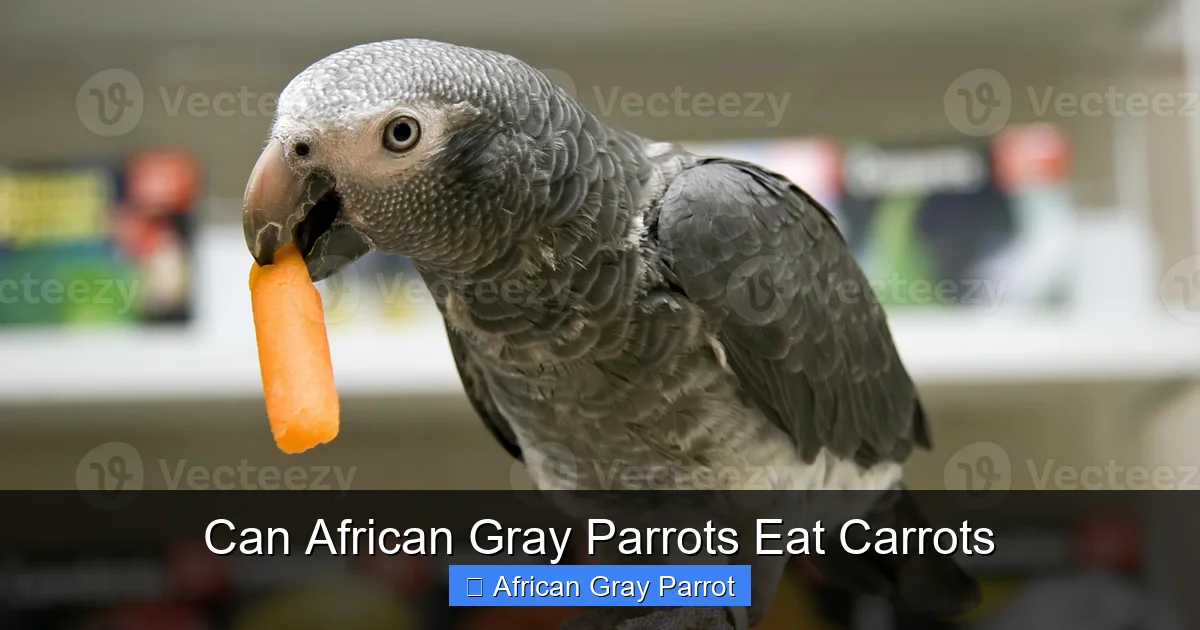
African Gray Parrots can safely eat carrots when offered in moderation. Carrots supply vitamin A and fiber, but they must be washed, cut into small pieces, and served raw or lightly steamed. Overfeeding may cause digestive upset or excess vitamin A.
Featured image for
Image source: static.vecteezy.com
📑 Table of Contents
Can African Gray Parrots Eat Carrots?
African Gray Parrots are curious eaters and many owners wonder if carrots belong on the menu. The short answer is yes, carrots are safe and nutritious when prepared correctly.
Are Carrots Safe for African Gray Parrots?
Carrots contain no toxic compounds for parrots. They are a common treat in avian diets and are recommended by many avian veterinarians. Always introduce any new food slowly to watch for allergic reactions.
Visual guide about
Image source: parrotwebsite.com
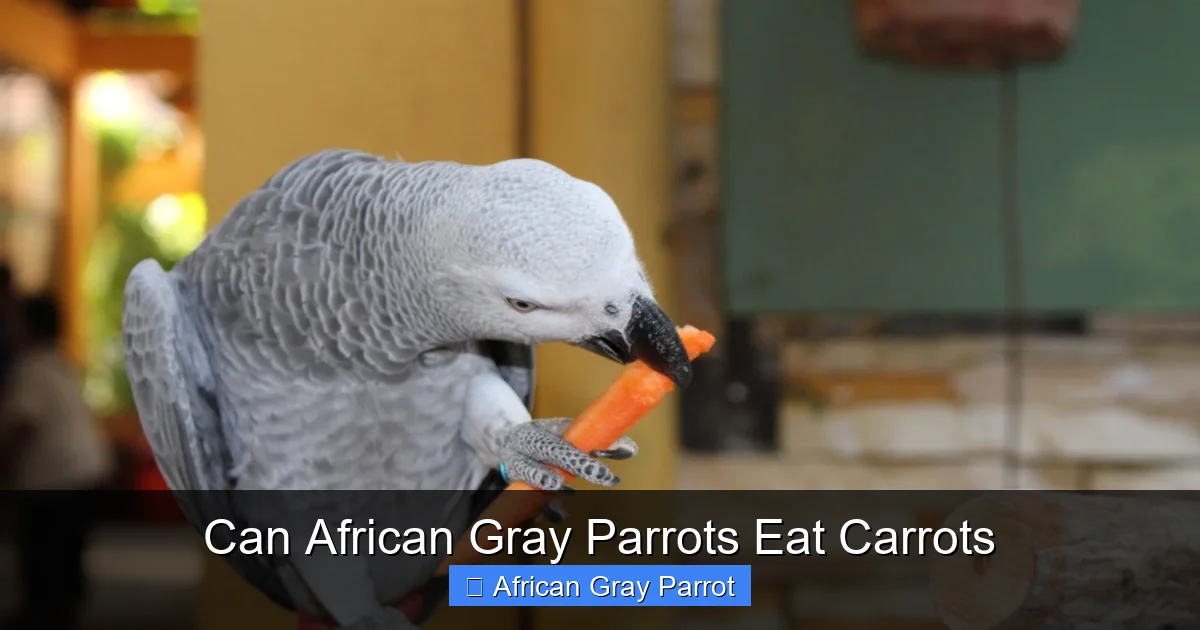
Raw carrots retain the most nutrients, but lightly steamed pieces are easier to chew for older birds. Avoid adding salt, butter, or seasoning.
What Nutritional Benefits Do Carrots Provide?
Carrots are rich in beta‑carotene, which the bird converts to vitamin A. Vitamin A supports vision, skin health, and immune function. The fiber in carrots aids digestion and helps prevent constipation.
They also supply small amounts of vitamin K, potassium, and antioxidants that protect cells from damage. A varied diet ensures the parrot receives a broad spectrum of nutrients.
How Should Carrots Be Prepared?
Wash the carrot thoroughly to remove pesticides. Peel if the skin is thick or waxed. Cut the carrot into bite‑size sticks or grate it for younger birds. Steaming for 2–3 minutes softens the texture without destroying nutrients.
Serve the pieces at room temperature. Remove any uneaten portions after a few hours to prevent spoilage.
How Much Carrot Can an African Gray Parrot Eat?
Treats should make up no more than 10 % of the daily diet. A few small sticks (about the size of a thumbnail) once or twice a week is sufficient. Overfeeding carrots can lead to excess vitamin A, which may cause liver issues.
Monitor the bird’s droppings; loose stools may indicate too much fiber or sugar from the carrot.
Are There Any Risks or Precautions?
Carrot tops are safe and nutritious, but they must be washed well. Avoid feeding large chunks that could cause choking. Birds with known kidney problems should have limited high‑oxalate foods, though carrots are low in oxalates.
If the parrot shows signs of vomiting, lethargy, or feather plucking after eating carrots, consult an avian vet immediately.
Conclusion
Carrots are a healthy, low‑calorie snack for African Gray Parrots when offered in moderation and prepared properly. They boost vitamin A intake and add variety to the diet. Follow portion guidelines, watch for any adverse reactions, and keep the overall diet balanced with pellets, fresh fruits, and vegetables.