
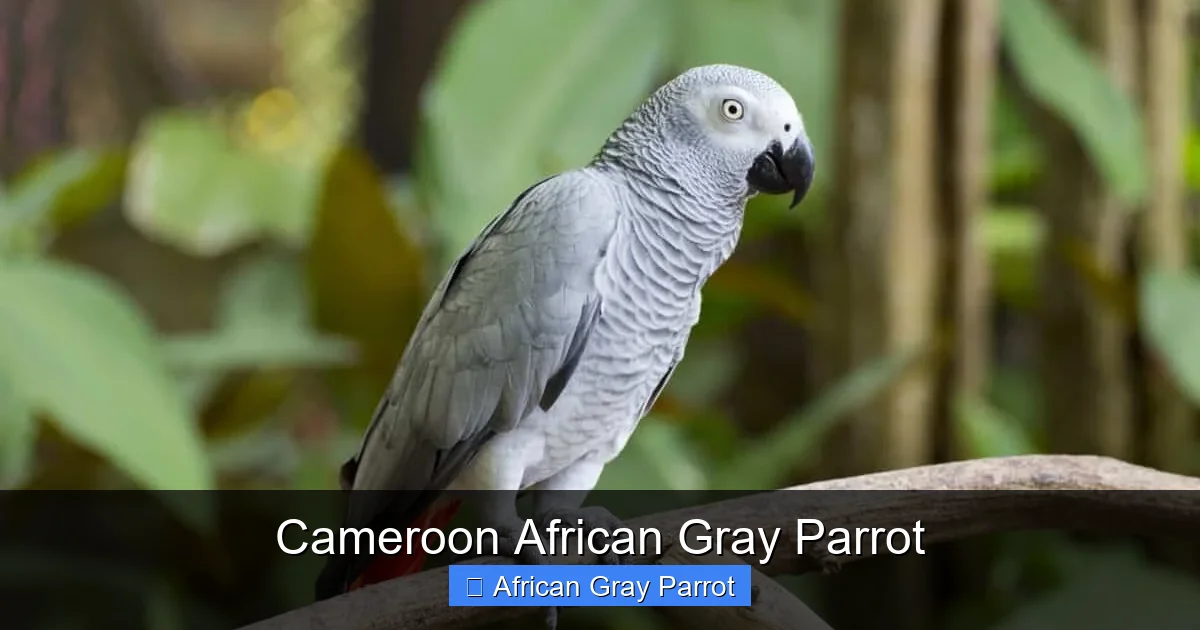
The Cameroon African Gray Parrot is a rare subspecies known for its striking silver plumage and exceptional mimicry skills. It thrives on a varied diet, mental stimulation, and regular veterinary care. Owners who provide proper enrichment enjoy a loyal, talkative companion for decades.
Featured image for
Image source: bubblypet.com
The Cameroon African Gray Parrot is a rare subspecies prized for its bright silver feathers and remarkable talking ability. It originates from the forests of Cameroon and nearby regions. Proper care helps it live 40 to 60 years.
📑 Table of Contents
What is a Cameroon African Gray Parrot?
It is a distinct population of the African Gray Parrot found mainly in Cameroon. The bird shows a lighter gray tone and a slightly larger beak. These traits set it apart from the nominate Congo and Timneh types.
Because of its limited range, the Cameroon African Gray Parrot is less common in the pet trade. Conservation laws protect wild populations, so most pets come from reputable breeders. Always verify legal paperwork before purchase.
How does it differ from other African Gray Parrots?
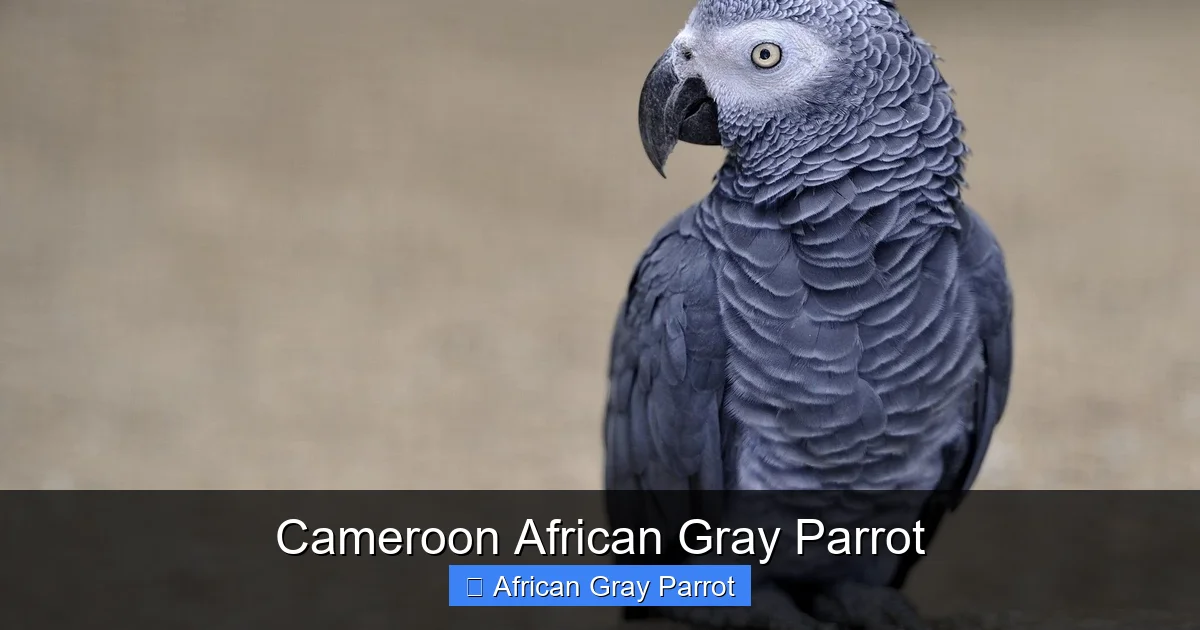
The Cameroon variant has a paler plumage and a more pronounced white eye‑ring. Its vocal repertoire is often richer, with clearer mimicry of human speech. Size differences are subtle but measurable.
Visual guide about
Image source: i.pinimg.com
Behaviorally, it can be more cautious around strangers. Early socialization reduces shyness. Compared to the Timneh, it tends to be louder and more demanding of attention.
What diet keeps a Cameroon African Gray Parrot healthy?
A balanced diet includes high‑quality pellets, fresh fruits, vegetables, and a small amount of nuts. Avoid avocado, chocolate, and caffeine. Fresh water must be available at all times.
Supplement with calcium sources like cuttlebone or mineral blocks. Rotate foods daily to prevent boredom and nutritional gaps. A varied diet supports feather condition and immune health.
Sample daily menu
- Morning: 30 g pellets + diced apple
- Midday: mixed veggies (carrot, broccoli, bell pepper)
- Evening: 5 g almonds + a slice of mango
What kind of housing and enrichment does it need?
Provide a spacious cage at least 36 in wide, 24 in deep, and 48 in tall. Bar spacing of ¾ in prevents escape. Include multiple perches of varying diameters.
Enrichment is crucial. Offer foraging toys, puzzle feeders, and safe chew items. Rotate toys weekly. Daily out‑of‑cage time encourages exercise and mental stimulation.
How do you train and socialize this parrot?
Start with short, positive sessions using a clicker or a consistent verbal cue. Reward desired behavior with a favorite treat. Consistency builds trust and reduces fear.
Expose the bird to different people, sounds, and environments gradually. Regular handling prevents aggression. A well‑socialized Cameroon African Gray Parrot becomes a confident, talkative companion.
What health issues should owners watch for?
Common concerns include feather plucking, respiratory infections, and psittacine beak and feather disease. Regular vet checks catch problems early. Keep the cage clean and avoid drafts.
Monitor weight weekly. Sudden loss or gain signals illness. Provide a balanced diet and mental enrichment to lower stress‑related disorders.
Conclusion
The Cameroon African Gray Parrot is a stunning, intelligent bird that thrives on proper nutrition, spacious housing, and daily interaction. Legal acquisition, a varied diet, and consistent training lead to a long, happy life. With commitment, this parrot rewards owners with remarkable speech and loyal companionship.