
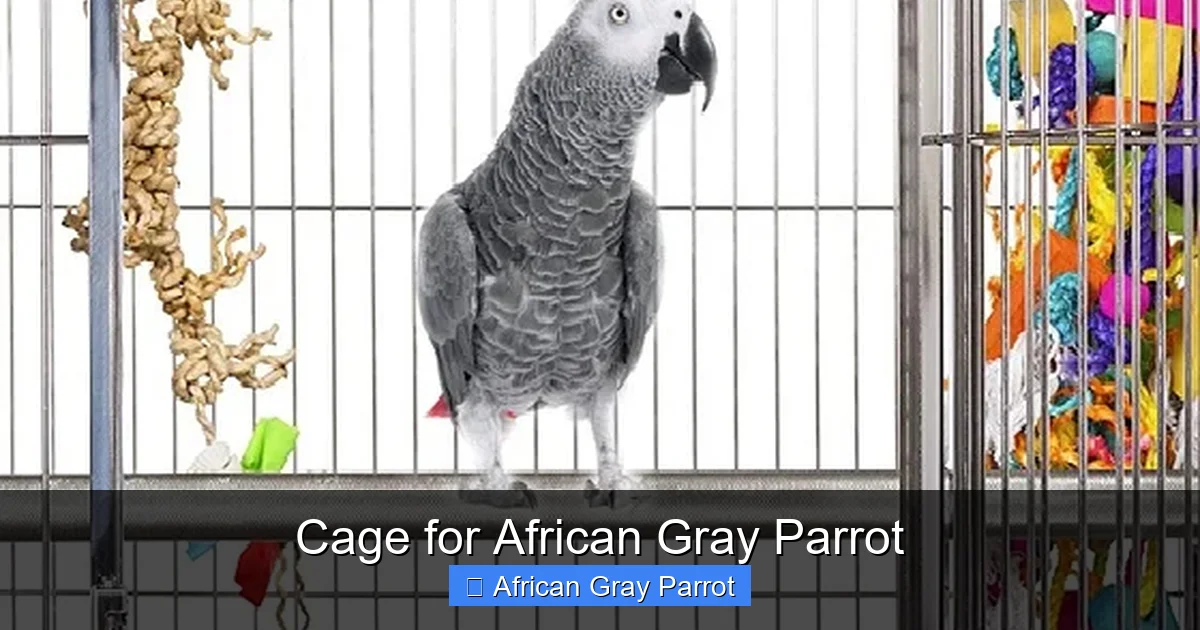
A proper cage for African Gray Parrot must be at least 36 × 24 × 48 inches, have ≤¾‑inch bar spacing, and be built from stainless steel or heavy‑gauge iron. Include removable trays, secure locks, varied perches, and rotating foraging toys to keep your bird healthy and entertained.
Featured image for
Image source: petovly.com
Choosing a cage for an African Gray Parrot is one of the most important decisions you will make for your bird’s health and happiness. A proper cage gives room to move, safe bar spacing, and space for toys and perches.
📑 Table of Contents
What size cage does an African Gray Parrot need?
African Gray Parrots are medium‑large birds with a wingspan of about 18‑20 inches. They need a cage that lets them fully extend their wings without hitting the bars. The general rule is a minimum interior space of 36 inches wide, 24 inches deep, and 48 inches high.
If you can provide a larger flight cage, your parrot will benefit from extra exercise and mental stimulation. A cage 48 inches wide, 30 inches deep, and 60 inches high is ideal for a single bird that spends several hours a day outside the cage.
Remember that height matters more than floor space for climbing. Add multiple horizontal perches at different levels to encourage natural movement.
Which bar spacing is safe for African Gray Parrots?
Bar spacing determines whether your bird can squeeze through or get stuck. For African Gray Parrots the safe maximum gap is ¾ inch (about 19 mm). Anything wider lets a curious head or foot slip through, leading to injury or escape.
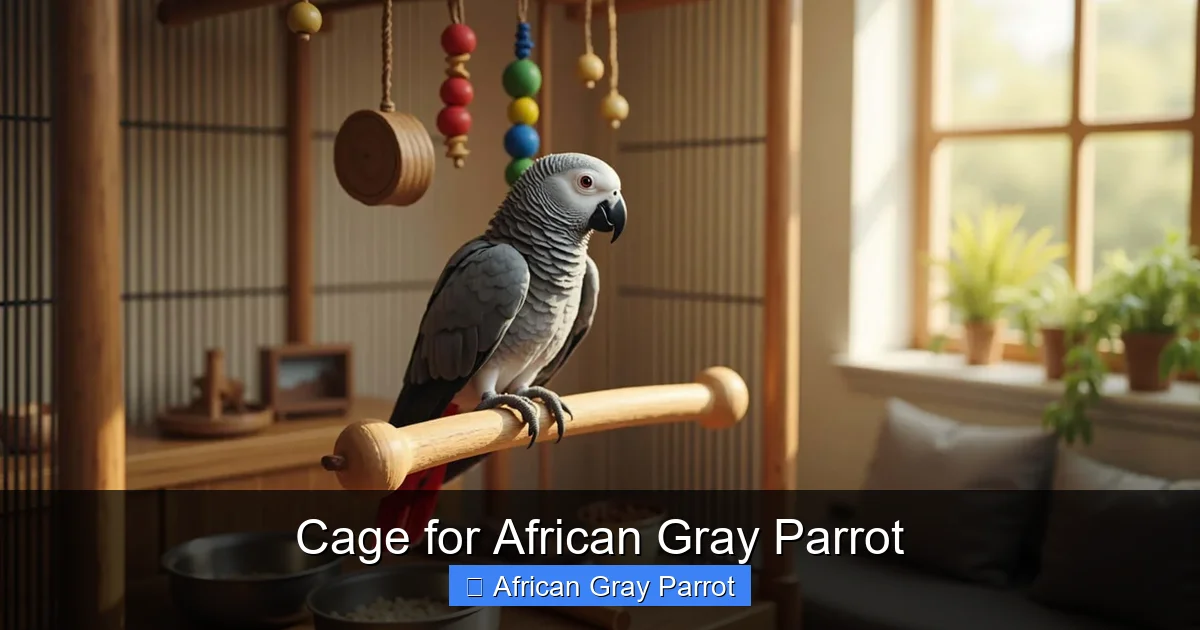
Visual guide about
Image source: cdn.shopify.com
Many manufacturers label cages as “parrot‑safe” but still use 1‑inch bars. Always measure the actual spacing before buying. If you already own a cage with wider bars, you can add a welded wire panel or a custom acrylic insert to reduce the gap.
A tighter spacing also prevents the bird from chewing on the bars, which can damage its beak. Choose powder‑coated or stainless‑steel bars for durability and easy cleaning.
What materials and features should I look for in a cage?
The cage frame must be strong enough to withstand a powerful beak. Stainless steel or heavy‑gauge wrought iron are top choices. Avoid thin painted wire that can rust or bend.
Look for a removable bottom tray for quick cleaning. A slide‑out tray with a non‑slip surface keeps droppings contained. Doors should have secure locks that a clever parrot cannot manipulate.
Useful features include multiple feeder cups, a built‑in water bottle holder, and at least two large access doors. A play‑top or external play gym adds extra space for out‑of‑cage time.
Quick checklist
- Stainless steel frame
- ¾‑inch bar spacing
- Removable tray
- Secure locks
How can I set up the cage for enrichment and safety?
Start with a variety of perches of different diameters and textures. Natural wood, rope, and cement perches keep feet healthy and prevent boredom. Place perches at multiple heights to mimic a tree canopy.
Add foraging toys, puzzle feeders, and chewable items made from bird‑safe wood or acrylic. Rotate toys weekly so the parrot always discovers something new. Avoid toys with small parts that could be swallowed.
Secure all loose items so they cannot fall and injure the bird. Use stainless‑steel quick‑links for hanging toys. Keep the cage away from drafts, direct sunlight, and kitchen fumes.
Finally, schedule daily out‑of‑cage time in a bird‑proof room. Supervised flight sessions give exercise and strengthen the bond with your African Gray.
Conclusion
A well‑chosen cage gives your African Gray Parrot room to stretch, safe bars, sturdy construction, and plenty of enrichment. Follow the size, spacing, material, and setup guidelines above, and your feathered companion will thrive for years.