
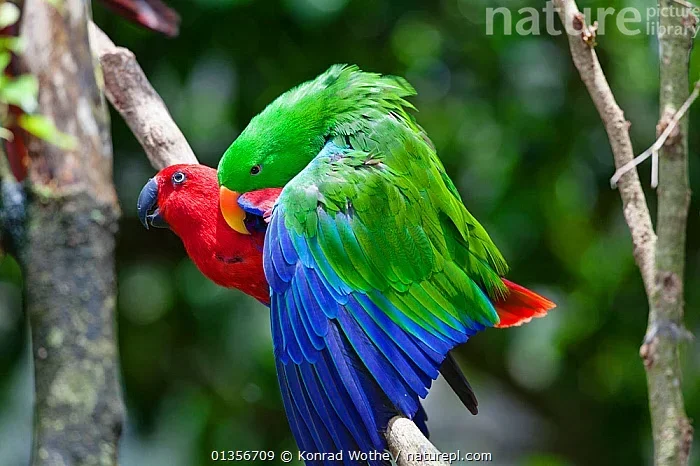
Featured image for pair of parrots mating
Image source: nplimages.infradoxxs.com
The breeding season for parrots is a natural cycle driven by daylight, temperature, and food availability. Most species breed once a year, usually during the warmer months, but exact timing varies by region and species. Proper preparation and monitoring can greatly improve hatch rates and chick survival.
The breeding season for parrots is one of the most exciting times for bird keepers. It is the period when adult birds become hormonally active, build nests, lay eggs, and raise young. Understanding this cycle helps you provide the right environment, nutrition, and care. In this guide we cover who breeds, what triggers the cycle, where it happens, when it occurs, and why each factor matters.
Parrots are found on every continent except Antarctica. Their breeding habits reflect the climates they evolved in. Some species breed during the dry season, others during the rainy season. Knowing the specific needs of your bird’s species is the first step to a successful breeding season for parrots.
Key Takeaways
- Season timing varies: Species and geography dictate when the breeding season for parrots begins.
- Environmental cues matter: Longer days, higher humidity, and abundant food signal readiness.
- Nest box design is critical: Proper size, material, and placement boost success.
- Nutrition before breeding: A diet rich in calcium and protein supports egg production.
- Monitor eggs carefully: Temperature and humidity control reduce embryo loss.
- Chick care is intensive: Hand‑feeding schedules and hygiene prevent disease.
- Common problems are preventable: Stress, infertility, and predation can be managed with planning.
📑 Table of Contents
- Understanding the Breeding Season for Parrots
- Timing Varies by Species and Geography
- Environmental Triggers That Signal the Breeding Season for Parrots
- Preparing Your Home for a Successful Breeding Season for Parrots
- Caring for Eggs and Chicks During the Breeding Season for Parrots
- Common Challenges During the Breeding Season for Parrots and How to Overcome Them
- Conclusion
Understanding the Breeding Season for Parrots
The breeding season for parrots is a yearly reproductive window. During this time, hormonal changes cause birds to seek mates, defend territories, and prepare nest sites. The length of the window can range from a few weeks to several months.
Who Breeds?
All sexually mature parrots can breed. Maturity age varies: small species like budgerigars may breed at 6 months, while large macaws often wait 4–6 years. Both males and females must be healthy, well‑fed, and free of disease.
What Happens?
Typical behaviors include increased vocalizations, mutual preening, nest building, and territorial aggression. Females develop a brood patch — a featherless area on the abdomen that transfers heat to eggs.
Why It Matters
A successful breeding season for parrots ensures species continuation in captivity and supports conservation programs. It also provides owners with the rewarding experience of raising chicks.
Timing Varies by Species and Geography
Not all parrots breed at the same time. The breeding season for parrots is tightly linked to local climate patterns.
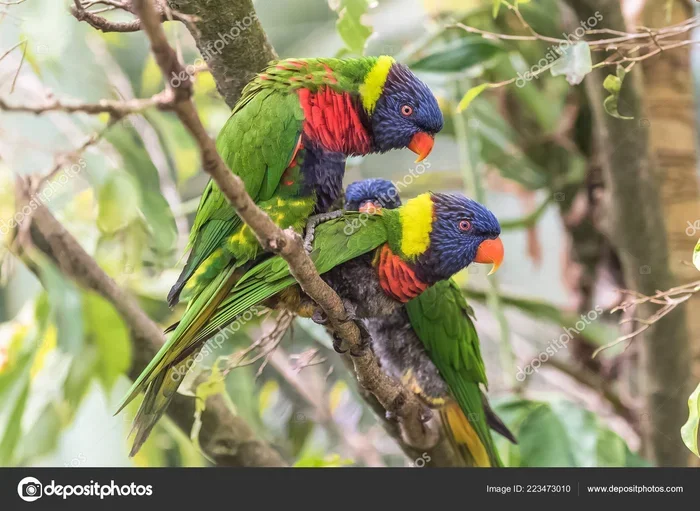
Visual guide about pair of parrots mating
Image source: st4.depositphotos.com
Tropical Species
Many tropical parrots, such as Amazon parrots and Eclectus, breed during the onset of the rainy season. Increased food availability and humidity trigger hormone surges. Did you know? In the wild, over 70 % of Amazon parrot nests are initiated within the first month of heavy rains.
Temperate Species
Species native to cooler regions, like the Monk Parakeet, often breed in spring when daylight lengthens. Longer days stimulate the pineal gland, which regulates reproductive hormones.
Southern Hemisphere vs. Northern Hemisphere
Birds kept in the opposite hemisphere may shift their cycle. A cockatoo from Australia housed in North America may breed in our autumn, matching its native spring. Adjust lighting schedules to mimic natural photoperiods.
Environmental Triggers That Signal the Breeding Season for Parrots
Three main cues tell a parrot it is time to breed: light, temperature, and food.
Photoperiod
Increasing day length is the strongest trigger. Provide 12–14 hours of bright light daily during the pre‑breeding period. Use full‑spectrum bulbs to simulate sunlight.
Temperature and Humidity
A rise of 2–4 °C (3.5–7 °F) above the yearly average, combined with higher humidity, mimics the start of the rainy season. Mist the aviary lightly each morning to raise humidity without causing dampness.
Food Abundance
Offer a varied diet rich in fresh fruits, vegetables, sprouted seeds, and high‑quality pellets. Add calcium sources such as cuttlebone or calcium‑fortified supplements. A sudden increase in protein signals that resources are sufficient for raising young.
Social Stimulation
Presence of a compatible mate or a small flock can accelerate hormonal changes. Isolation often delays or suppresses breeding behavior.
Preparing Your Home for a Successful Breeding Season for Parrots
Preparation begins weeks before the first egg appears. A well‑set environment reduces stress and increases hatch rates.
Choosing the Right Nest Box
Size matters. The box should be 1.5 times the bird’s body length in depth, with an entrance hole just large enough for the adult to enter. Use untreated wood; avoid cedar or pine oils that can irritate respiratory tracts.
Placement and Security
Mount the box high, away from drafts and direct sunlight. Secure it firmly to prevent wobbling. Add a predator guard if the aviary is outdoors.
Substrate and Nesting Material
Provide clean, dry wood shavings or shredded paper. Avoid cotton fibers that can wrap around toes. Replace soiled material weekly.
Dietary Supplements
Start a breeding diet 4–6 weeks before the expected breeding season for parrots. Include vitamin D3, vitamin E, and omega‑3 fatty acids. These nutrients improve egg shell quality and chick immunity.
Health Checks
Schedule a veterinary exam. Test for psittacosis, polyomavirus, and parasites. Treat any issues before pairing birds.
Caring for Eggs and Chicks During the Breeding Season for Parrots
Once eggs are laid, careful monitoring ensures the highest survival rates.
Egg Monitoring
Check eggs daily using a candling lamp. Look for fertile signs: a dark spot (embryo) and blood vessels by day 5. Maintain incubator temperature at 37.5 °C (99.5 °F) and humidity at 55 % for most species.
Turning Eggs
Turn eggs 3–5 times per day until day 25. Automatic turners reduce handling stress. Stop turning 3 days before expected hatch to allow the chick to position for pipping.
Hatch Assistance
Most chicks hatch unaided. If a chick struggles for >24 hours after pipping, gently enlarge the hole with sterile tweezers. Keep the environment warm and humid.
Hand‑Feeding Schedule
Newborn chicks need feeding every 2–3 hours, including night feeds. Use a commercial hand‑feeding formula mixed to a thin consistency. Gradually thicken as the chick grows. Weigh chicks daily; a healthy gain is 10–15 % of body weight per day.
Hygiene and Disease Prevention
Disinfect feeding syringes after each use. Keep the brooder clean; replace bedding daily. Watch for signs of dehydration, crop stasis, or respiratory distress.
Common Challenges During the Breeding Season for Parrots and How to Overcome Them
Even with perfect preparation, problems can arise. Knowing the usual pitfalls helps you act fast.
Infertility
Infertile eggs show no development after 10 days. Causes include poor nutrition, age mismatch, or genetic incompatibility. Rotate pairs or consult a breeder for genetic counseling.
Egg Binding
A female unable to pass an egg may strain, sit fluffed, and lose appetite. Provide a warm, humid environment and a calcium injection from a vet. Do not attempt manual extraction.
Aggression and Mate Aggression
Territorial disputes can injure birds. Offer multiple perches and visual barriers. If aggression persists, separate the pair temporarily and reintroduce slowly.
Chick Mortality
Common causes: chilling, dehydration, bacterial infection. Keep brooder temperature stable, feed on schedule, and use probiotic supplements approved for avian use.
Feather Plucking in Parents
Stress from overcrowding or noise can trigger plucking. Reduce disturbances, add enrichment toys, and ensure adequate space.
Legal and Ethical Considerations
Check local regulations on breeding permits, species restrictions, and record‑keeping. Prioritize welfare over profit; avoid over‑breeding and inbreeding.
Conclusion
The breeding season for parrots is a natural, predictable cycle when you understand the cues and needs of your birds. By aligning light, temperature, diet, and housing with the species’ wild rhythms, you create the ideal conditions for healthy eggs and thriving chicks. Patience, observation, and a willingness to adjust are your best tools. Whether you are a hobbyist or a conservation breeder, the rewards of watching a new generation take flight are well worth the effort.
Frequently Asked Questions
When does the breeding season for parrots usually start?
Most parrots begin breeding when daylight increases and food becomes abundant, typically in spring for temperate species and at the onset of the rainy season for tropical species.
How can I tell if my parrot is ready to breed?
Look for increased vocalizations, mutual preening, nest‑building behavior, and the development of a brood patch on the female’s abdomen.
What temperature should the incubator be set at for parrot eggs?
Set the incubator to 37.5 °C (99.5 °F) with humidity around 55 % for most parrot species; adjust slightly based on specific species guidelines.
How often should I hand‑feed a newly hatched chick?
Feed every 2–3 hours around the clock for the first week, then gradually extend intervals as the chick grows and gains weight.
What are the most common reasons for egg infertility?
Poor nutrition, age mismatch, genetic incompatibility, and insufficient lighting are leading causes of infertile eggs.
Do I need a permit to breed parrots at home?
Many regions require a breeding permit, especially for protected or endangered species. Check local wildlife regulations before starting a breeding program.