
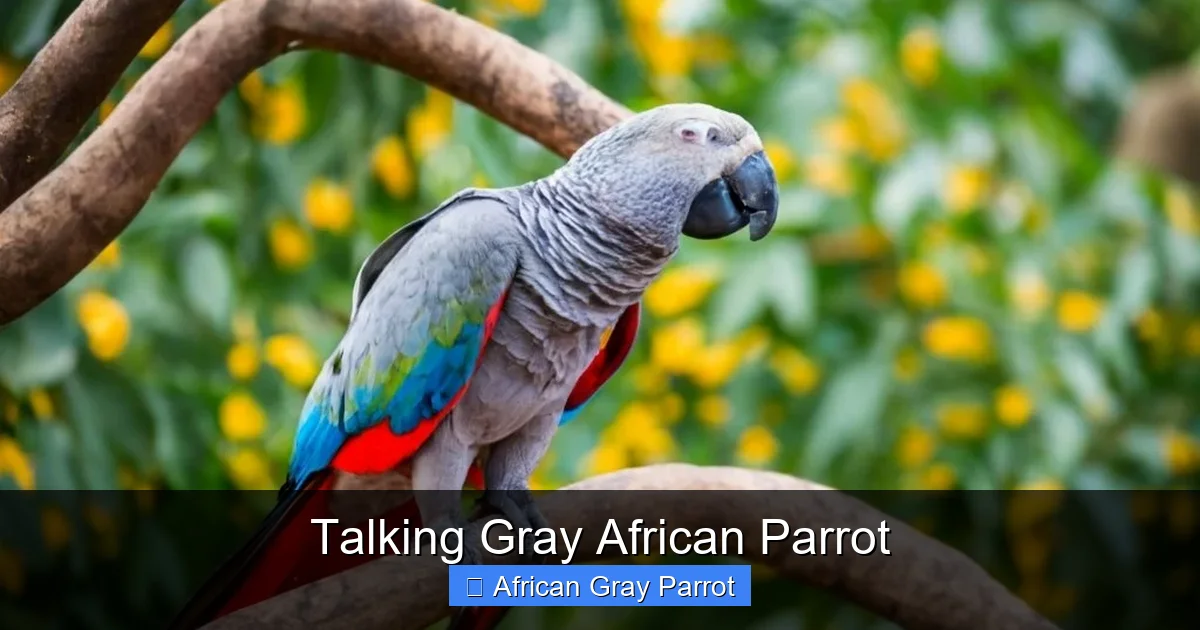
A talking gray African parrot is celebrated for its remarkable ability to mimic human speech and sounds. With proper training, socialization, and care, these intelligent birds can develop vocabularies of hundreds of words and form deep bonds with their owners.
Key Takeaways
- Exceptional mimicry: The species can learn hundreds of words and phrases with clear pronunciation.
- High intelligence: Problem‑solving skills rival those of young children, requiring mental stimulation.
- Long lifespan: Expect 40–60 years of companionship, so plan for a lifelong commitment.
- Social needs: Daily interaction prevents boredom and behavioral issues like feather plucking.
- Diet matters: A balanced mix of pellets, fresh fruits, vegetables, and occasional nuts supports health and vocal ability.
- Training consistency: Short, positive sessions several times a day yield the best speech results.
- Legal considerations: Verify local regulations and obtain any required permits before acquiring a bird.
Quick Answers to Common Questions
How many words can a talking gray African parrot learn?
With consistent training, a talking gray African parrot can learn 200–500 words or more, and some individuals exceed 1,000 words.
At what age should training begin?
Training can start as early as 6 months, but birds of any age can acquire new vocabulary with patience.
What is the best diet for optimal speech?
A pellet‑based diet supplemented with fresh fruits, vegetables, and occasional nuts supports vocal health and brain function.
Do they need a companion bird?
They thrive on human interaction; a second bird helps only if you cannot provide several hours of daily attention.
Are there legal restrictions on ownership?
Yes, many regions require CITES permits and some municipalities prohibit private ownership; always verify local laws first.
📑 Table of Contents
- Why the Talking Gray African Parrot Captivates Bird Lovers
- Understanding the Species: Natural History and Traits
- Creating the Ideal Home Environment
- Nutrition: Fueling Speech and Health
- Training a Talking Gray African Parrot to Speak
- Socialization, Enrichment, and Long‑Term Well‑Being
- Legal, Ethical, and Practical Considerations Before Purchase
- Conclusion: A Lifelong Feathered Conversation
Why the Talking Gray African Parrot Captivates Bird Lovers
When you first hear a talking gray African parrot repeat a phrase, it feels like magic. The bird’s voice can sound surprisingly human, and the clarity often amazes newcomers. This species, known scientifically as Psittacus erithacus, has earned a reputation as one of the best talkers in the avian world. Owners often describe the experience as having a feathered friend who truly converses.
Beyond speech, these parrots display curiosity, playfulness, and an almost uncanny ability to understand context. They can associate words with actions, such as saying “hello” when someone enters the room. This level of interaction makes them more than pets; they become family members who participate in daily routines.
However, the charm comes with responsibility. A talking gray African parrot needs mental challenges, social time, and a proper environment to thrive. Neglect can lead to loud screaming, feather destruction, or aggression. Understanding the full picture before bringing one home ensures a happy, healthy relationship for decades.
Understanding the Species: Natural History and Traits
Origin and Habitat
The talking gray African parrot hails from the rainforests and savannas of West and Central Africa. In the wild, they live in large flocks, foraging for seeds, nuts, fruits, and leaf buds. Their social structure relies on constant vocal communication, which explains their natural propensity for mimicry.
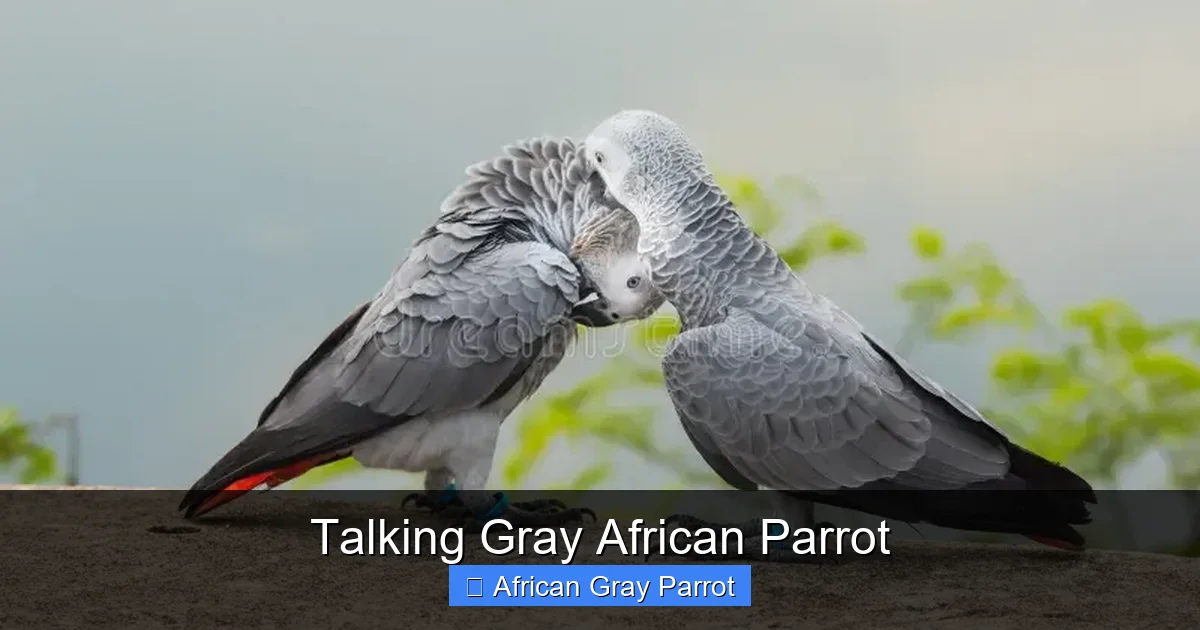
Visual guide about Talking Gray African Parrot
Image source: thumbs.dreamstime.com
Physical Characteristics
Adults sport a sleek charcoal‑gray plumage with a striking bright red tail. Their eyes are a vivid yellow, and the beak is strong enough to crack hard nuts. Size ranges from 12 to 14 inches in length, with a wingspan of about 18 inches. The bird’s robust build supports both powerful flight and precise manipulation of objects.
Cognitive Abilities
Research shows that a talking gray African parrot can solve multi‑step puzzles, use tools, and understand concepts like “same” and “different.” Their brain-to-body ratio rivals that of great apes. This intelligence fuels their speech learning but also demands enrichment to prevent boredom.
Creating the Ideal Home Environment
Cage Size and Setup
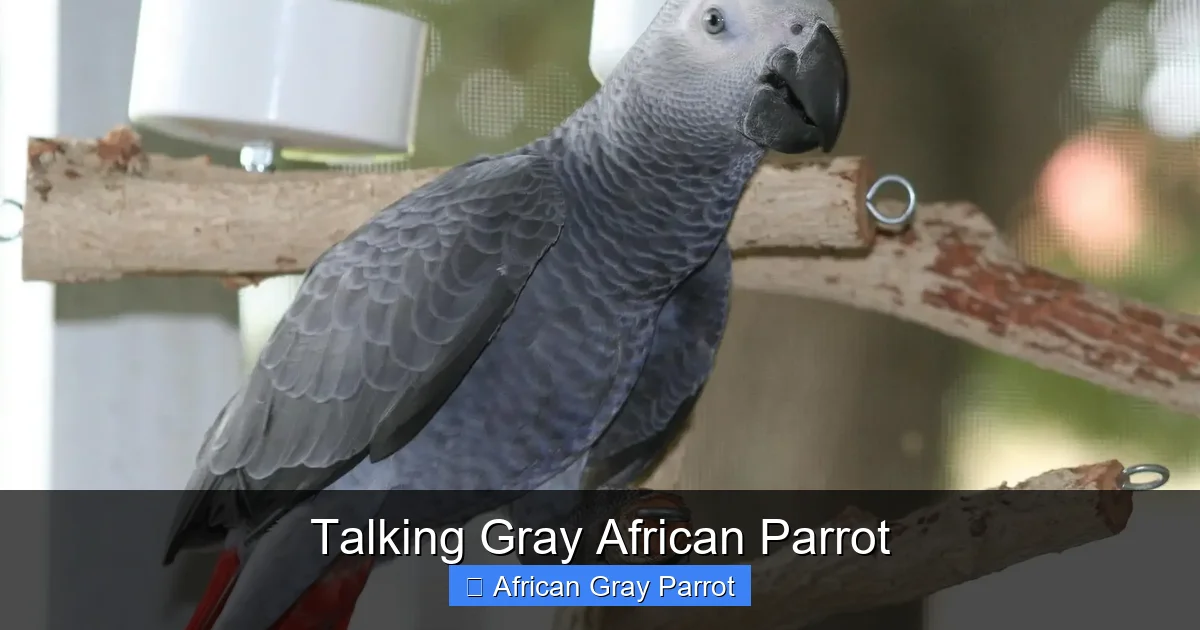
Choose a cage at least 36 × 24 × 48 inches (width × depth × height). Horizontal space matters more than vertical because the bird loves to climb and explore. Provide multiple perches of varying diameters, natural wood branches, and a few safe toys. Rotate toys weekly to keep novelty high.
Visual guide about Talking Gray African Parrot
Image source: earthnworld.com
Lighting and Temperature
Maintain a stable temperature between 70 °F and 80 °F. Avoid drafts and direct sunlight that can overheat the cage. Full‑spectrum UV lighting for 10–12 hours a day supports vitamin D synthesis and feather health.
Noise Management
A talking gray African parrot can reach 90 decibels when excited. Place the cage in a living area where family activity occurs, but avoid bedrooms if you need quiet at night. White‑noise machines or soft background music can mask sudden loud calls.
Nutrition: Fueling Speech and Health
Core Diet
High‑quality formulated pellets should make up 60–70 % of the diet. Pellets provide balanced vitamins, minerals, and amino acids essential for vocal cord health. Supplement with fresh vegetables (dark leafy greens, carrots, bell peppers) and fruits (berries, apple slices, mango) daily.
Healthy Treats and Foraging
Offer nuts like almonds or walnuts sparingly—no more than a few pieces per week. Use foraging toys to hide treats, encouraging natural problem‑solving. This mental work sharpens the brain, which directly benefits speech acquisition.
Foods to Avoid
Never feed chocolate, avocado, caffeine, alcohol, onions, garlic, or high‑salt snacks. These are toxic or harmful to parrots. Also limit seeds to a small portion; they are high in fat and low in nutrients.
Training a Talking Gray African Parrot to Speak
Start Early, Stay Consistent
Young birds (6–12 months) learn fastest, but adults can still acquire new words. Schedule two to three short sessions (5–10 minutes) each day. Consistency beats length; a daily routine builds anticipation and focus.
Use Clear, Repetitive Phrases
Speak slowly, enunciate, and repeat the target word or phrase 5–10 times per session. Pair the word with an action or object—say “apple” while offering a slice. The association speeds up comprehension.
Positive Reinforcement
Reward every attempt with a favorite treat, head scratch, or verbal praise (“good job!”). Avoid punishment; it creates fear and reduces willingness to vocalize. Clicker training works well: click the moment the bird mimics, then treat.
Expand Vocabulary Gradually
Begin with simple greetings (“hello,” “good morning”). Add names of family members, common objects, and short sentences (“want a nut”). Track progress in a notebook; celebrate milestones to stay motivated.
Addressing Common Challenges
If the bird screams instead of speaking, reduce background noise and increase one‑on‑one time. Feather plucking often signals boredom—add new puzzles or increase out‑of‑cage play. Patience and observation are key.
Socialization, Enrichment, and Long‑Term Well‑Being
Daily Interaction
A talking gray African parrot thrives on at least 2–3 hours of direct human contact each day. Talk, sing, read aloud, or simply sit nearby while you work. The bird learns rhythm, tone, and new words from your voice.
Out‑of‑Cage Time
Supervised free‑flight in a bird‑proofed room provides exercise and mental stimulation. Remove ceiling fans, open windows, and toxic plants. Offer a play gym with ropes, ladders, and foraging stations.
Companionship Options
If you work long hours, consider a second compatible parrot or a trusted caretaker who visits. Loneliness can trigger depression and self‑mutilation. Introduce new birds slowly, using neutral territory and supervised meetings.
Health Monitoring
Schedule avian vet check‑ups every 6–12 months. Watch for changes in droppings, appetite, feather condition, or vocal quality. Early detection of respiratory infections, psittacosis, or nutritional deficiencies saves lives.
Legal, Ethical, and Practical Considerations Before Purchase
Permits and Regulations
Many countries list the talking gray African parrot under CITES Appendix II, requiring export/import permits. Check local wildlife laws; some municipalities ban private ownership entirely. Obtain paperwork before any transaction.
Choosing a Reputable Source
Adopt from a rescue or buy from a breeder who provides health guarantees, parent‑bird records, and a clean environment. Avoid pet stores that cannot trace the bird’s origin. A well‑socialized juvenile adapts faster to a new home.
Budget Planning
Initial costs include cage ($300–$800), toys ($100–$200), vet exam ($150), and the bird itself ($1,500–$3,500). Ongoing expenses cover quality food ($40/month), toy rotation, and annual vet care. Factor in a 40‑year commitment.
Ethical Responsibility
These birds are not disposable novelties. Their intelligence and emotional depth demand a guardian who respects their needs. If life circumstances change, have a rehoming plan with a trusted avian sanctuary.
Conclusion: A Lifelong Feathered Conversation
Bringing a talking gray African parrot into your life opens a door to daily wonder. The bird’s ability to mirror human speech, solve puzzles, and show affection creates a bond unlike any other pet relationship. With proper housing, nutrition, training, and social time, your feathered companion can thrive for decades, filling your home with laughter, conversation, and the occasional mischievous squawk.
Remember that every word the bird learns reflects the care you invest. Consistent, kind interaction shapes a confident, happy talker. If you’re ready for the commitment, the reward is a friend who literally speaks your language—one that reminds you each morning that the world is a little brighter with a gray‑feathered conversationalist by your side.
Frequently Asked Questions
Can a talking gray African parrot understand what it says?
Research indicates they can associate words with meanings and use them contextually, showing a level of comprehension beyond simple mimicry.
How long does it take to teach a new phrase?
Typically a few weeks of daily 5‑minute sessions, but speed varies with the bird’s age, personality, and consistency of training.
What toys best stimulate a talking gray African parrot?
Foraging puzzles, shreddable wood, and interactive electronic toys that respond to touch keep the mind sharp and encourage vocalization.
Is feather plucking a sign of illness?
Feather plucking often signals boredom, stress, or nutritional deficits; a vet visit rules out medical causes before addressing environment.
Can they live with other pets like dogs or cats?
Supervised introductions are possible, but predatory instincts pose risk; always keep the bird in a secure cage when unsupervised.
What is the average cost of annual veterinary care?
Expect $150–$300 per year for routine exams, blood work, and occasional treatments, varying by location and clinic.