
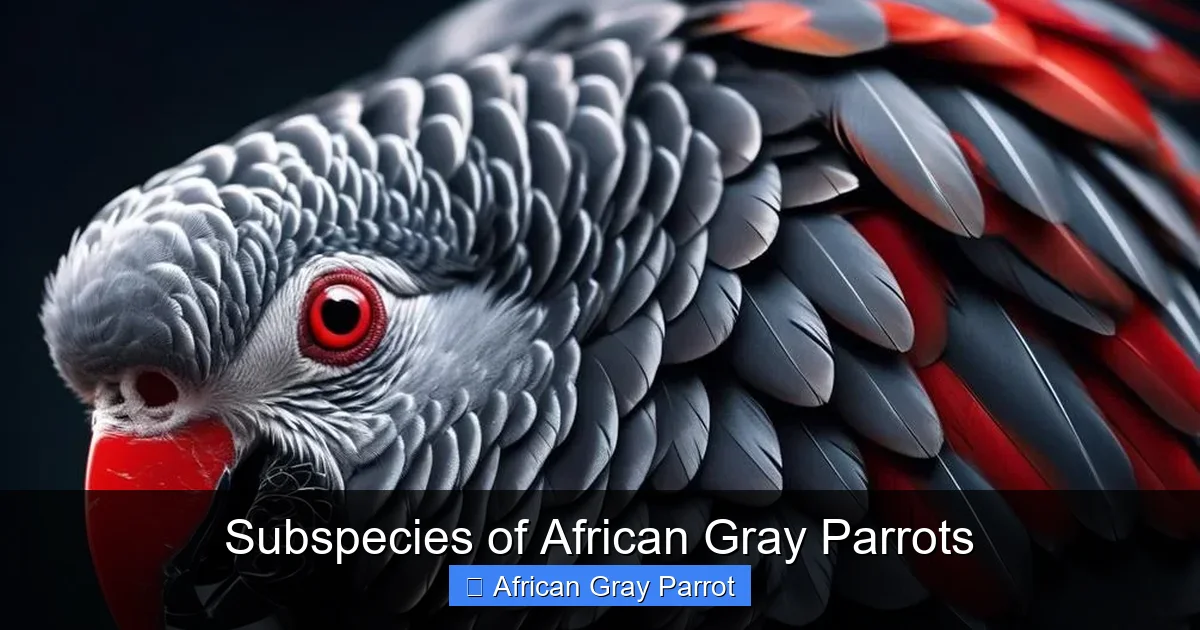
African gray parrots are celebrated for their intelligence and talking ability, and they come in two widely recognized subspecies: the larger Congo African gray and the smaller Timneh African gray. A possible third subspecies from Principe is still debated among experts.
Key Takeaways
- Two main subspecies: The Congo African gray and the Timneh African gray are the primary subspecies of African gray parrots recognized by most authorities.
- Size difference: Congo birds are larger, weighing up to 600 grams, while Timneh birds usually weigh around 350 grams.
- Color cues: Congo parrots show bright red tail feathers; Timneh parrots have darker maroon tail feathers.
- Vocal talent: Both subspecies mimic speech well, but Congo birds often develop larger vocabularies.
- Conservation status: Both are listed as vulnerable due to habitat loss and illegal trade.
- Care needs: A balanced diet, mental enrichment, and regular vet checks are essential for any subspecies of African gray parrots.
Quick Answers to Common Questions
What are the two main subspecies of African gray parrots?
The two main subspecies are the Congo African gray (Psittacus erithacus erithacus) and the Timneh African gray (Psittacus erithacus timneh).
How can I tell a Congo African gray from a Timneh African gray?
Look at tail color: Congo birds have bright red tails, while Timneh birds have dark maroon tails. Size and beak markings also differ.
Are African gray parrots good talkers?
Yes, both subspecies are excellent mimics and can learn large vocabularies with consistent training.
What is the conservation status of African gray parrots?
Both subspecies are listed as Vulnerable on the IUCN Red List and are protected under CITES Appendix I.
What basic care do African gray parrots need?
They need a spacious cage, a pellet‑based diet with fresh produce, daily mental enrichment, and regular avian vet visits.
📑 Table of Contents
Introduction
The subspecies of African gray parrots are famous for their intelligence and talking skill. Bird lovers often choose them as companions. These birds need mental stimulation and social interaction. A proper diet keeps them healthy. Understanding the subspecies of African gray parrots helps owners give the right care. This guide covers the main types and their needs. You will learn about size, color, and behavior. The information is practical for new and experienced keepers.
Read on to discover details about each subspecies of African gray parrots. The article explains habitat, diet, and conservation. It also gives tips for housing and enrichment. You will find clear advice you can use today. The goal is to support responsible ownership and species protection.
Overview of African Gray Parrots
Physical Characteristics
The subspecies of African gray parrots share a sleek gray body and a strong curved beak. Their eyes are dark and expressive. Tail feathers differ between types, showing red or maroon hues. The plumage is mostly uniform with subtle shading on the head. These features help identify each subspecies of African gray parrots in the field.
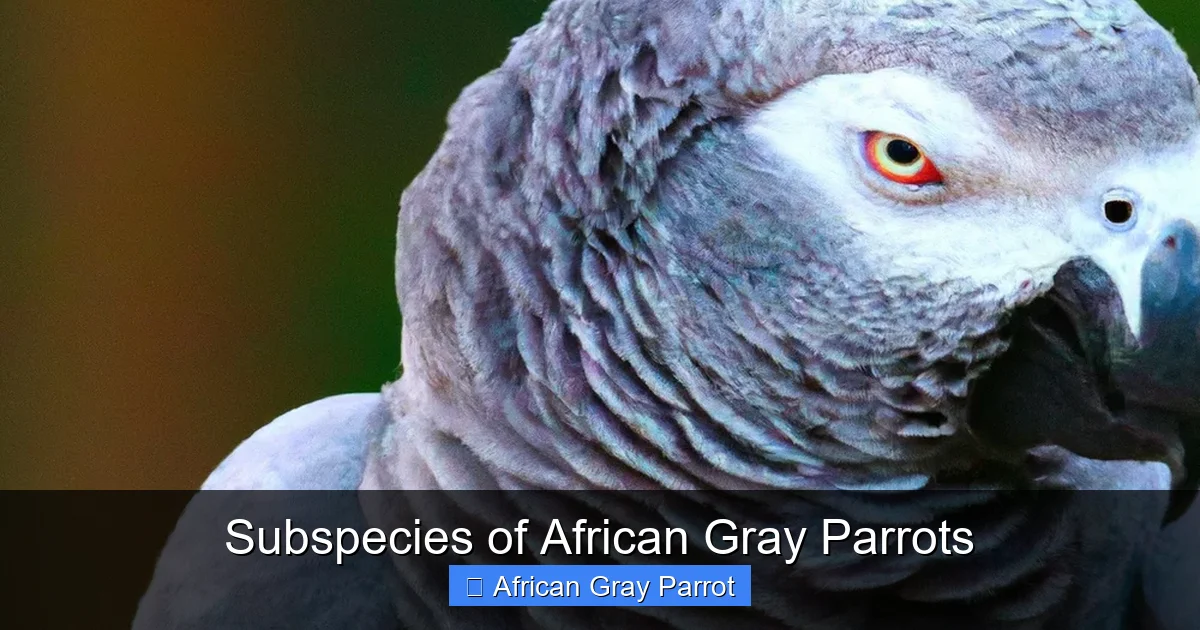
Visual guide about Subspecies of African Gray Parrots
Image source: atractivopets.com
Feet are zygodactyl, giving a firm grip on branches. Wings are broad, allowing agile flight through dense canopy. The beak can crack hard nuts and seeds. All subspecies of African gray parrots have a similar vocal apparatus. This anatomy supports their remarkable mimicry ability.
Natural Habitat
The subspecies of African gray parrots inhabit lowland rainforests and savanna woodlands. They prefer areas with tall trees for nesting and foraging. Their range extends across West and Central Africa. Each subspecies of African gray parrots shows slight habitat preferences. Forest edges and secondary growth are also used.
Seasonal movements occur in response to fruit availability. They may travel several kilometers daily. Water sources are visited regularly. The subspecies of African gray parrots rely on intact forest corridors. Habitat fragmentation threatens their long‑term survival.
Social Structure
The subspecies of African gray parrots live in flocks of varying size. Pairs form strong lifelong bonds. Both parents share incubation and chick feeding duties. Vocal communication includes whistles, squawks, and mimicry. Social interaction is vital for mental health in every subspecies of African gray parrots.
Juveniles learn by observing adults. Play behavior includes chasing and object manipulation. Flock cohesion helps locate food and avoid predators. The subspecies of African gray parrots display cooperative roosting at night. Disruption of flocks can cause stress and feather plucking.
Recognized Subspecies of African Gray Parrots
Congo African Gray
The subspecies of African gray parrots known as the Congo African gray is the larger form. Adults reach about 33 centimeters and weigh up to 600 grams. Their tail feathers are vivid scarlet red. The beak is solid black. This subspecies of African gray parrots occupies the Congo Basin and surrounding regions.
Owners note that Congo birds develop extensive vocabularies. They can learn hundreds of words with consistent training. Their larger size demands a spacious cage and daily out‑of‑cage time. The subspecies of African gray parrots thrives on puzzle toys and social interaction.
Timneh African Gray
The subspecies of African gray parrots called the Timneh African gray is smaller and darker. Adults measure roughly 28 centimeters and weigh 300 to 350 grams. Tail feathers are deep maroon, almost brown. A horn‑colored patch appears on the upper mandible. This subspecies of African gray parrots lives in Upper Guinean forests of West Africa.
Timneh birds are equally skilled mimics but often start speaking earlier. Their voice is slightly softer. They adapt to slightly smaller enclosures yet still need daily enrichment. The subspecies of African gray parrots benefits from foraging activities and regular human contact.
Possible Principe Subspecies
Some researchers propose a third subspecies of African gray parrots from Principe Island. The Principe bird shows intermediate size and a unique gray shade. Genetic studies are ongoing to confirm its status. Until consensus, most lists recognize only two subspecies of African gray parrots.
If validated, the Principe form would add to conservation priority. Its limited range makes it vulnerable to habitat loss. Protecting this potential subspecies of African gray parrots requires island‑specific actions. Awareness among aviculturists can prevent illegal capture.
Differences Between Subspecies
Size and Weight
The subspecies of African gray parrots differ markedly in size. Congo birds are about 15 percent longer and nearly double the weight of Timneh birds. This size gap influences cage dimensions and perch thickness. The subspecies of African gray parrots also need different food portion sizes.
Larger birds require stronger toys to avoid breakage. Heavier bodies need sturdier perches to prevent foot problems. The subspecies of African gray parrots should be matched with appropriately scaled equipment. Proper sizing supports physical health and reduces stress.
Plumage Coloration
The subspecies of African gray parrots can be identified by tail color. Congo parrots flash bright red tails while Timneh parrots show dark maroon tails. The beak of the Timneh has a pale horn patch absent in the Congo. These subtle cues help breeders sort the subspecies of African gray parrots quickly.
Feather condition reflects overall health in every subspecies of African gray parrots. Dull or frayed feathers may signal nutritional deficits. Regular misting maintains feather integrity. The subspecies of African gray parrots benefit from a diet rich in carotenoids for vibrant color.
Vocal Abilities
The subspecies of African gray parrots are renowned talkers. Research suggests Congo birds may acquire larger word repertoires. Timneh birds often begin speaking earlier and with clearer tone. Individual variation remains high across each subspecies of African gray parrots.
Consistent training and social interaction boost vocabulary in all subspecies of African gray parrots. Repetition and positive reinforcement work best. The subspecies of African gray parrots enjoy learning new sounds and phrases. Owners should schedule short daily sessions for optimal results.
Conservation Status and Threats
International Trade Regulations
All subspecies of African gray parrots are listed under CITES Appendix I. This bans commercial international trade of wild specimens. Despite the ban, illegal trapping still supplies black‑market demand. The subspecies of African gray parrots continue to decline in many regions.
Enforcement varies by country and resources. Some nations have strong penalties while others lack capacity. The subspecies of African gray parrots need coordinated cross‑border action. Supporting legal trade of captive‑bred birds reduces pressure on wild populations.
Habitat Loss
Deforestation for agriculture, logging, and mining fragments the forest homes of every subspecies of African gray parrots. Loss of nesting trees reduces breeding success. Protected areas cover only a fraction of the historic range. The subspecies of African gray parrots face shrinking corridors for movement.
Climate change may alter fruit phenology, affecting food supply. Edge effects increase exposure to predators and parasites. The subspecies of African gray parrots rely on large, intact forest blocks. Restoration of degraded lands can reconnect fragmented habitats.
Conservation Efforts
Organizations run community‑based monitoring and nest‑box programs for the subspecies of African gray parrots. Education campaigns raise awareness about the illegal pet trade. Captive breeding programs aim to maintain genetic diversity for possible re‑introduction. The subspecies of African gray parrots benefit from these combined actions.
Funding from international donors supports anti‑poaching patrols. Local communities receive incentives for protecting nesting sites. The subspecies of African gray parrots gain a safer future when people value them alive. Everyone can help by refusing wild‑caught birds and supporting reputable sanctuaries.
Caring for African Gray Parrots in Captivity
Housing Requirements
The subspecies of African gray parrots need a cage at least 90 cm wide, 60 cm deep, and 120 cm high. Bar spacing should not exceed 2 cm to prevent escape. Provide multiple natural wood perches of varying diameters. The subspecies of African gray parrots also require a safe play area outside the cage daily.
Place the cage in a well‑lit room away from drafts and direct sunlight. Include a hide box for security. The subspecies of African gray parrots thrive when they can observe household activity. Regular cleaning prevents bacterial buildup and feather damage.
Dietary Needs
A balanced diet for any subspecies of African gray parrots includes high‑quality pellets, fresh vegetables, fruits, nuts, and occasional seeds. Calcium‑rich foods like dark leafy greens prevent metabolic bone disease. Fresh water must be available at all times. The subspecies of African gray parrots should avoid chocolate, avocado, and caffeine.
Offer a variety of colors and textures to encourage foraging. Rotate food items weekly to maintain interest. The subspecies of African gray parrots benefit from supplemental vitamin D3 if indoor lighting lacks UVB. Monitor weight weekly to detect early health changes.
Enrichment and Socialization
Mental stimulation prevents boredom and feather plucking in every subspecies of African gray parrots. Rotate puzzle toys, foraging boards, and safe chew items daily. Schedule at least two hours of supervised out‑of‑cage interaction. The subspecies of African gray parrots benefit from learning new words and tricks.
Social contact with humans or compatible birds reduces stress. Positive reinforcement training builds trust. The subspecies of African gray parrots enjoy games that mimic natural foraging. Consistent routine and varied activities keep them mentally sharp and emotionally stable.
Conclusion
Knowing the subspecies of African gray parrots empowers you to choose the right bird, provide appropriate housing, and support conservation. The Congo and Timneh subspecies each bring unique charm and challenges. By offering proper nutrition, enrichment, and veterinary care, you help your feathered companion thrive for decades. Remember that protecting wild populations starts with responsible ownership and advocacy.
Stay informed about legal requirements and conservation updates for the subspecies of African gray parrots. Share knowledge with fellow bird enthusiasts to promote ethical practices. Together we can ensure these remarkable parrots remain a vibrant part of our world. Thank you for reading and caring for the subspecies of African gray parrots.
Frequently Asked Questions
Can African gray parrots live with other bird species?
They can cohabitate with calm, similarly sized birds if introduced slowly, but they often prefer human interaction and may become territorial.
How long do African gray parrots live in captivity?
With proper care, they commonly live 40 to 60 years, and some individuals reach 70 years.
Do African gray parrots require UV lighting?
Yes, providing full‑spectrum UVB light supports vitamin D synthesis and feather health for all subspecies of African gray parrots.
What toys are best for mental stimulation?
Foraging puzzles, shredding toys, and interactive speech‑training devices keep them engaged and reduce boredom.
Is it legal to own an African gray parrot in my country?
Legality varies; many countries require permits and proof of captive‑bred origin. Check local wildlife regulations before acquiring one.
How can I support wild African gray parrot conservation?
Donate to reputable NGOs, avoid buying wild‑caught birds, and spread awareness about habitat protection and anti‑poaching efforts.