
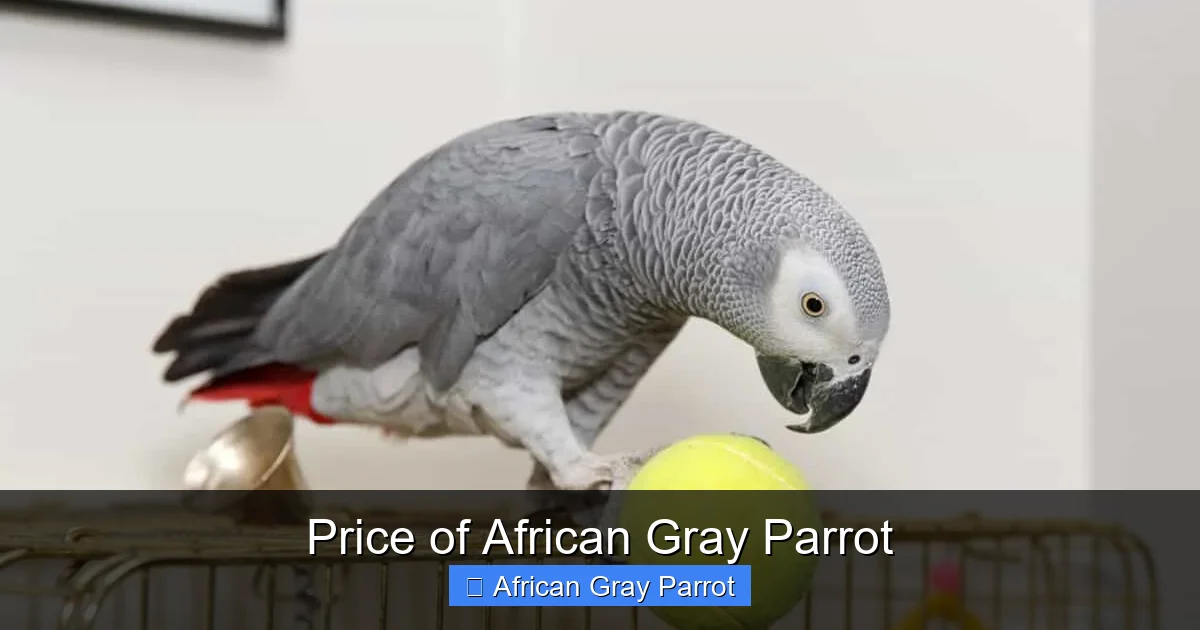
African gray parrots are prized for their intelligence and talking ability. The price of african gray parrot can range from $1,000 to $4,000 depending on source, age, and health. Buyers should budget for ongoing care, diet, and veterinary costs.
Key Takeaways
- Typical price range: $1,000–$4,000 for a healthy bird from a reputable breeder.
- Age matters: Younger birds often cost more than older, rehomed parrots.
- Source impacts cost: Breeders, pet stores, rescues, and online markets each have different pricing.
- Hidden expenses: Cage, toys, diet, and vet care add $2,000–$5,000 over the bird’s life.
- Health guarantees: A vet‑checked bird with paperwork can justify a higher upfront price.
- Long‑term commitment: African grays live 40–60 years, so total cost of ownership is high.
Quick Answers to Common Questions
What is the average price of african gray parrot?
The average price of african gray parrot from a reputable breeder falls between $2,000 and $4,000, depending on age and health guarantees.
Why do prices vary so much?
Prices vary because of factors like hand‑rearing effort, color mutations, breeder reputation, and whether the bird comes with a health certificate.
Are rescue parrots cheaper?
Yes, rescue adoption fees are typically $500 to $1,500, but the bird may be older or need extra behavioral work.
What hidden costs should I expect?
Expect to spend on a large cage, quality diet, annual vet exams, toys, and possible behavioral consultations over the bird’s lifetime.
How can I verify a breeder’s reputation?
Ask for references, check online reviews, request a live video of the bird, and confirm the breeder provides a written health guarantee.
📑 Table of Contents
Understanding the African Gray Parrot
The African gray parrot is a medium sized bird known for its remarkable talking skill. Many people call it the “Einstein of birds.” This reputation makes the bird highly sought after. Because of high demand the price of african gray parrot can be higher than many other pet birds. Potential owners should learn about the species before they commit.
These parrots need mental stimulation every day. They enjoy puzzles, foraging toys, and regular interaction with humans. A bored gray can develop feather plucking or loud screaming. Providing a rich environment adds to the overall cost of ownership. The price of african gray parrot reflects not only the bird but also the care it requires.
African grays live a long time, often 40 to 60 years in captivity. This longevity means a lifetime commitment. Buyers must plan for decades of food, vet visits, and enrichment. The price of african gray parrot is just the first line in a long budget.
Social Needs and Noise
African grays are highly social and need daily interaction. They can become loud if ignored. Their calls can reach 90 decibels. Neighbors may complain in apartments. Providing a playstand and scheduled talk time reduces screaming. The price of african gray parrot includes the responsibility to manage noise. Owners should budget for sound‑proofing if they live in close quarters. A well‑stimulated bird is quieter and happier. Daily training sessions also channel energy into learning new words. Consistent routine prevents boredom.
Legal Considerations
Some regions require permits for exotic birds. Check local wildlife laws before buying. Import restrictions may apply if the bird crosses borders. The price of african gray parrot can increase with permit fees. A reputable breeder will provide documentation proving legal acquisition. Failure to comply can lead to fines or confiscation. Always keep paperwork accessible for veterinary visits. Research state and municipal codes early to avoid surprises.
Training Basics
Basic training starts with target training and step‑up commands. Short sessions of five minutes work best. Positive reinforcement using treats builds trust. The price of african gray parrot does not cover professional trainer fees, but early owner‑led training saves money later. Consistent cues reduce behavioral problems. A trained bird adapts faster to new environments.
Health Monitoring
Weekly weight checks help spot illness early. Observe droppings for color changes. The price of african gray parrot includes the duty to monitor health daily. A sudden loss of appetite warrants a vet visit. Keep a health log for the veterinarian. Early detection lowers treatment costs.
Factors Influencing the Price of African Gray Parrot
Age and Hand‑Rearing
Young hand‑raised chicks usually command a higher price of african gray parrot than older birds. Hand‑rearing requires intensive labor, specialized formula, and constant monitoring. Breeders pass these costs to the buyer. A well‑socialized juvenile is often more adaptable to a new home.
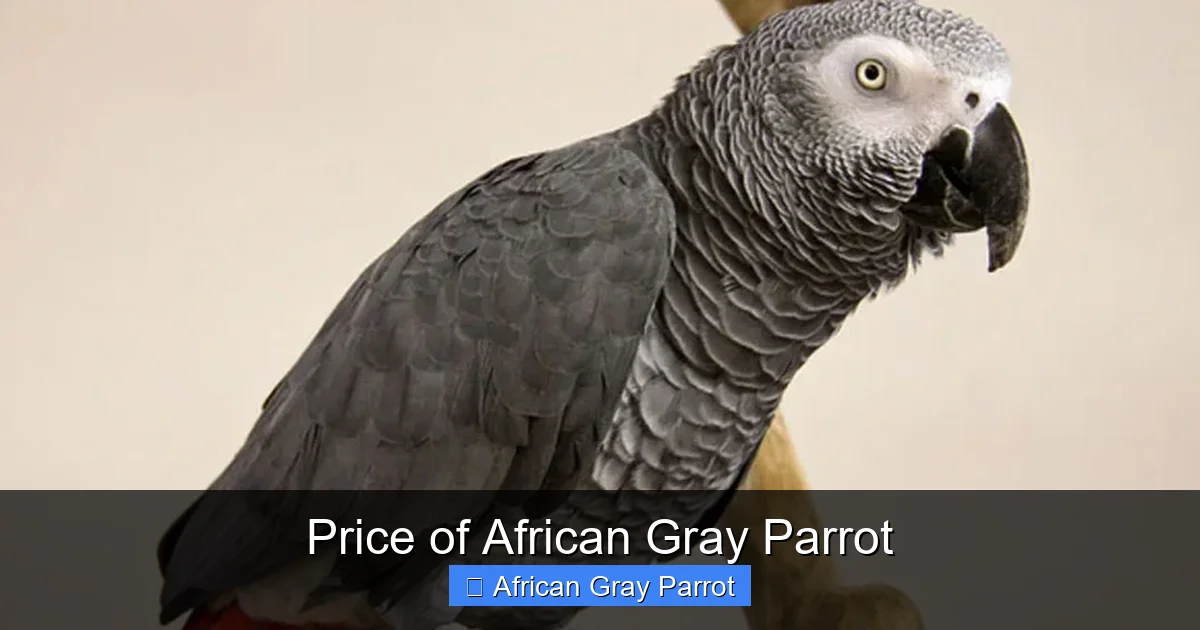
Visual guide about Price of African Gray Parrot
Image source: tajbirds.com
Genetics and Color Mutations
Standard gray plumage is the most common. Rare color mutations such as “blue” or “lutino” increase the price of african gray parrot significantly. These birds are produced in limited numbers. Collectors and enthusiasts pay a premium for unique appearances.
Health Guarantees and Veterinary Checks
A bird that comes with a recent health certificate, DNA sexing, and a vet exam will have a higher price of african gray parrot. These documents reduce risk for the buyer. They also show the breeder’s commitment to quality. Skipping health paperwork can lead to costly medical bills later.
Breeder Reputation and Location
Established breeders with a track record of healthy, well‑socialized birds often charge more. Their price of african gray parrot reflects years of experience and ethical practices. Geographic location also matters; shipping a bird across the country adds transport fees and stress risk.
Seasonal Demand
Demand spikes during holiday seasons and school breaks. Breeders often raise the price of african gray parrot in November and December. Summer months may see a slight dip. Planning a purchase in off‑peak months can save hundreds of dollars. Keep an eye on breeder waiting lists for timing clues. Early reservation secures a better price and healthier chick.
Legal Regulations
Federal law under the Wild Bird Conservation Act limits import of wild‑caught grays. Most pets are captive‑bred, which keeps the price of african gray parrot stable. State permits may require proof of captive breeding. Some cities ban ownership entirely. Verify all regulations before committing financially. Consult an exotic pet attorney if unsure.
Breeder Ethics
Ethical breeders prioritize bird welfare over profit. They limit clutch sizes and provide enrichment. The price of african gray parrot from such breeders may be higher but reflects humane practices. Ask about breeding frequency and parent bird health. Supporting ethical sources improves the overall market.
Market Trends
Online forums show rising interest in talking parrots. This trend can push the price of african gray parrot upward over time. Economic downturns sometimes lower discretionary spending, causing temporary price dips. Stay informed by following breeder newsletters and avian publications. Knowledge of trends helps you time a purchase wisely.
Typical Price Ranges by Source
Reputable Breeders
Buying directly from a reputable breeder usually sets the price of african gray parrot between $2,000 and $4,000. This range includes a health guarantee, starter diet, and sometimes a starter cage. The breeder often provides lifetime support and advice.
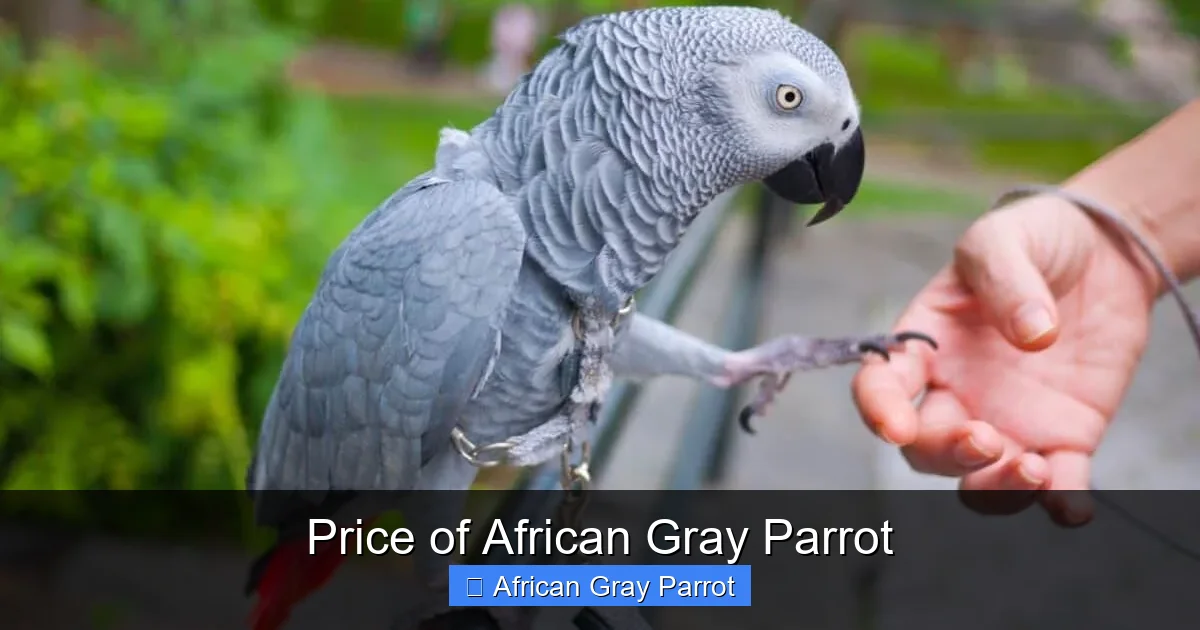
Visual guide about Price of African Gray Parrot
Image source: bubblypet.com
Pet Stores
Pet stores may list the price of african gray parrot from $1,500 to $3,000. However, store birds can come from large scale operations with less individual attention. Buyers should ask for health records and observe the bird’s behavior before purchasing.
Rescues and Shelters
Adoption fees at rescues are lower, often $500 to $1,500. The price of african gray parrot from a rescue reflects the organization’s costs for care, not profit. Adopted birds may be older or have behavioral quirks, but they deserve loving homes.
Online Marketplaces
Online listings show a wide price of african gray parrot spectrum, from $800 to $5,000. Scams are common. Always verify the seller, request video calls, and insist on a health certificate before sending money.
International Import Costs
Importing a gray from overseas adds shipping, quarantine, and customs fees. The price of african gray parrot can double after these expenses. Airline cargo rates vary by distance and crate size. Quarantine facilities charge daily rates for up to 30 days. Budget an extra $2,000 to $5,000 for international moves. Choose a breeder with export experience to simplify paperwork.
Local Club Discounts
Bird clubs sometimes negotiate group buys with breeders. Members may receive a 5‑10 % discount on the price of african gray parrot. Club events also provide mentorship for new owners. Joining a club costs a modest annual fee. The savings on the bird and ongoing advice often outweigh the fee. Networking with experienced keepers helps avoid costly mistakes.
Regional Price Variation
Prices differ across states due to cost of living and breeder density. The price of african gray parrot in the Northeast may be higher than in the Midwest. Rural areas sometimes have fewer breeders, raising transport costs. Compare regional listings before committing. Travel to a nearby state can yield a better deal.
Seasonal Promotions
Some breeders run spring sales to clear inventory. The price of african gray parrot may drop 10‑15 % during these events. Sign up for breeder newsletters to receive promotion alerts. Promotional periods often include free starter kits. Acting quickly secures the discount.
Hidden Costs Beyond the Purchase Price
Housing and Enrichment
A proper cage for an African gray costs $300 to $800. Add perches, toys, and foraging devices, and the setup can reach $1,200. The price of african gray parrot does not include these essentials. Ongoing toy replacement adds $100 to $200 per year.
Nutrition
High quality pellets, fresh fruits, vegetables, and nuts cost $40 to $70 per month. Over a 50 year lifespan that totals $24,000 to $42,000. The price of african gray parrot is a small fraction of the lifetime food bill.
Veterinary Care
Annual wellness exams run $100 to $200. Emergency visits or chronic conditions can cost thousands. Pet insurance for exotic birds is limited but can offset large bills. The price of african gray parrot should be viewed alongside these potential medical expenses.
Training and Behavioral Support
Professional avian behavior consultations cost $75 to $150 per session. Many owners invest in training to prevent screaming or feather plucking. The price of african gray parrot does not cover behavioral expertise, yet it is often needed.
Insurance Options
Exotic pet insurance can cover accidents and illness. Policies differ in coverage limits and exclusions. The price of african gray parrot insurance averages $20 to $40 per month. Compare plans for wellness visits, emergency care, and theft. A good policy reduces financial shock during a crisis. Read the fine print before signing.
Travel and Boarding
Vacations require reliable bird sitters or boarding facilities. Daily boarding rates range from $30 to $60. The price of african gray parrot travel carrier adds $50 to $150. Long trips may need a climate‑controlled carrier. Planning ahead avoids last‑minute price spikes. Ask for references from other parrot owners.
Emergency Fund
Set aside an emergency fund of at least $2,000. Unexpected surgeries can cost $1,500 to $4,000. The price of african gray parrot does not include these rare events. A dedicated savings account keeps you prepared. Regular contributions of $50 per month build the fund quickly. Peace of mind is worth the small monthly habit.
Grooming Supplies
Beak and nail trims require specialized tools or professional services. The price of african gray parrot grooming can add $50 to $100 per visit. Regular at‑home maintenance reduces frequency of vet trims. Invest in a quality nail clipper and beak file. Proper grooming prevents overgrowth and injury.
Environmental Enrichment Upgrades
As the bird ages, larger play gyms and puzzle feeders become necessary. The price of african gray parrot enrichment upgrades can reach $300 annually. Rotating toys prevents boredom and destructive behavior. Budget for new items each year. A stimulating environment supports mental health.
Tips for Getting a Fair Deal
Research Multiple Sources
Compare the price of african gray parrot across at least three breeders, one rescue, and one reputable pet store. Write down what each includes: health guarantee, starter kit, and after‑sale support. A spreadsheet helps you see the true value.
Ask for References
Reputable breeders will provide contacts of previous buyers. Call those references and ask about health, temperament, and ongoing support. A breeder who refuses references may be hiding problems that affect the price of african gray parrot.
Inspect the Bird In Person
Whenever possible, visit the bird before buying. Look for bright eyes, clean feathers, and active curiosity. A healthy bird justifies a higher price of african gray parrot. If the seller only offers photos, request a live video call.
Negotiate Extras, Not the Bird
Instead of haggling on the base price of african gray parrot, ask for a larger cage, a supply of pellets, or a free first vet visit. These add value without lowering the breeder’s margin. It also shows you respect the breeder’s work.
Consider Adoption First
Rescues often have wonderful birds needing homes. The adoption fee is lower, and you give a second chance to a deserving parrot. Even if the price of african gray parrot from a rescue is modest, the long term costs remain the same.
Timing Your Purchase
Buy during breeder off‑season for better pricing. Late winter often yields lower price of african gray parrot because demand drops. Avoid impulse buys at pet expos where prices are inflated. Patience lets you compare multiple offers. A well‑timed purchase can save $500 or more. Mark your calendar for breeder open houses.
Bundle Deals
Ask breeders for package deals that include cage, starter food, and first vet visit. Bundling reduces the overall price of african gray parrot ownership. Some breeders offer free training session vouchers. Compare the total value of each bundle before deciding. A good bundle can be worth $1,000 in savings. Negotiate politely and show you have done research.
Long-Term Support Agreements
Some breeders provide lifetime consulting for diet and behavior. This support can lower future costs related to the price of african gray parrot care. Written agreements clarify response times and fees. Choose a breeder who stands behind their birds for years. Ongoing guidance prevents expensive mistakes. A strong relationship benefits both bird and owner.
Payment Plans
Some breeders offer installment plans to spread the price of african gray parrot over several months. Interest‑free options reduce upfront cash flow pressure. Read the contract carefully for late‑payment penalties. A payment plan can make a high‑quality bird more accessible. Ensure the plan includes health guarantee transfer.
Post‑Purchase Follow‑Up
Schedule a vet check within the first week of arrival. The price of african gray parrot does not guarantee a smooth transition. Early veterinary assessment catches hidden issues. Keep a log of weight, droppings, and behavior changes. Prompt follow‑up protects your investment and the bird’s health.
Long‑Term Value and Commitment
Lifespan Planning
African grays can outlive their owners. Create a care plan that includes a trusted friend or family member who can step in. The price of african gray parrot is a lifelong investment, not a one‑time purchase.
Emotional Returns
Many owners describe the bond with their gray as deeply rewarding. The bird’s ability to mimic speech, solve puzzles, and show affection creates a unique companionship. This emotional return often outweighs the financial price of african gray parrot.
Resale and Rehoming Realities
Reselling a gray is difficult and often yields a fraction of the original price of african gray parrot. Ethical owners prioritize finding a suitable forever home over recouping money. Plan for the bird’s future from day one.
Budget Summary
First year costs: purchase $2,500, cage $600, food $600, vet $200, toys $200 = $4,100. Annual recurring: food $600, vet $150, toys $150 = $900. Over 50 years that equals roughly $49,000 plus the initial price of african gray parrot. Understanding these numbers helps you decide if you are ready.
Estate Planning
Include your gray in your will or trust. Designate a caregiver who understands avian needs. The price of african gray parrot is a lifelong responsibility that extends beyond your life. Legal documents ensure seamless transition. Discuss plans with family early to avoid disputes. A pet trust can fund care for decades.
Community Resources
Join online forums and local bird clubs for advice. Shared experiences help you anticipate costs linked to the price of african gray parrot ownership. Members often trade toys, food, and vet recommendations. Community support reduces isolation for both bird and owner. Knowledge sharing saves money and improves welfare. Attend meet‑ups to see other setups.
Legacy Stories
Many owners write journals of their gray’s life. These stories highlight the emotional payoff beyond the price of african gray parrot. Reading them can motivate prospective buyers. They also serve as guides for care milestones. A documented legacy honors the bird’s long journey. Share your own story to inspire others.
Senior Care Planning
Older grays may develop arthritis or vision loss. The price of african gray parrot senior care includes softer perches, heated pads, and more frequent vet visits. Adjust diet to lower fat and add joint supplements. Plan for increased medical budget after age 30. Proactive care extends quality years.
Memorial Options
When the time comes, consider cremation or a memorial plaque. The price of african gray parrot memorial services ranges from $100 to $500. Some owners plant a tree in the bird’s honor. A respectful farewell acknowledges the decades of companionship. Choose an option that fits your budget and sentiment.
In conclusion, the price of african gray parrot varies widely based on age, source, health guarantees, and rare traits. The upfront cost is only the beginning. Ongoing care, nutrition, veterinary bills, and enrichment add up to a substantial lifetime expense. By researching thoroughly, choosing a reputable source, and budgeting for the long haul, you can enjoy the incredible companionship of an African gray without financial surprises. Remember, a well‑cared‑for gray can be a feathered family member for decades.
Final thoughts: The price of african gray parrot is only the entry ticket. Real cost includes time, patience, and love. Prepare a detailed budget covering food, vet, enrichment, and emergency fund. Choose a breeder who offers health guarantees and ongoing support. Join a community for shared learning. With proper planning, an African gray becomes a cherished family member for generations.
Frequently Asked Questions
What is the typical lifespan of an African gray parrot?
African gray parrots commonly live 40 to 60 years in captivity with proper care.
Do African grays need a special diet?
Yes, they thrive on a balanced pellet base supplemented with fresh fruits, vegetables, nuts, and occasional seeds.
Can I keep an African gray in a small cage?
No, they require a spacious cage at least 36 inches wide, 24 inches deep, and 48 inches tall plus daily out‑of‑cage time.
Are African grays good for first‑time bird owners?
They are highly intelligent and demanding, so they suit owners willing to invest significant time and resources.
What health issues are common in African grays?
Feather plucking, respiratory infections, and calcium deficiency are frequent concerns that need veterinary attention.
Is pet insurance available for African grays?
Exotic bird insurance exists but options are limited; research policies carefully to cover illness and emergency care.