
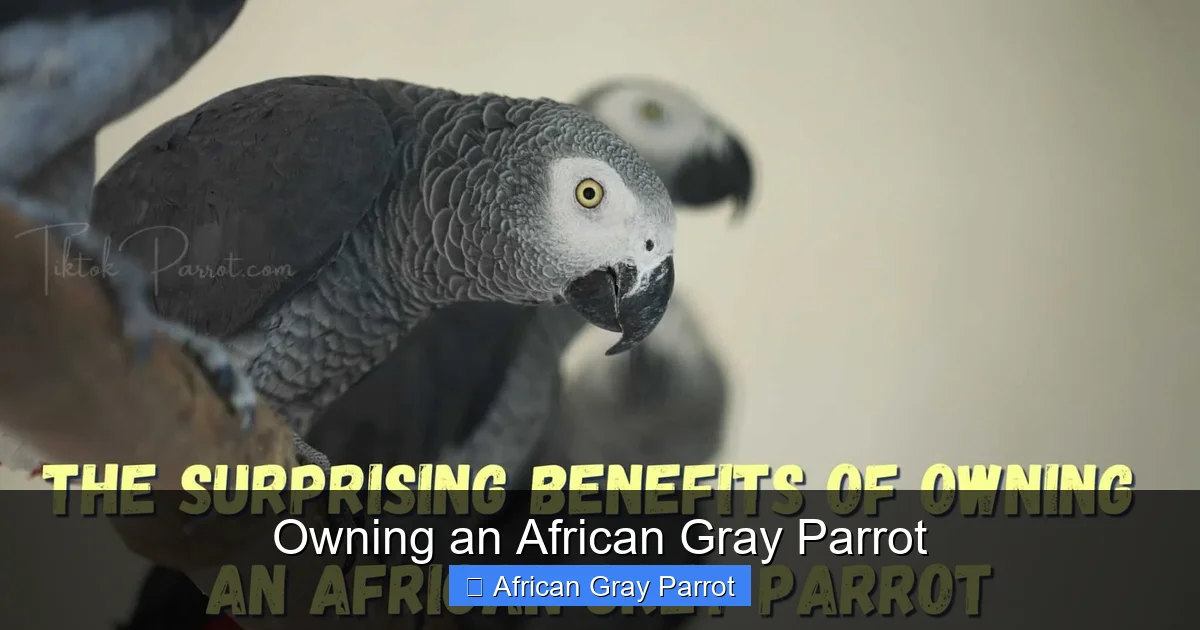
Owning an African Gray Parrot is a rewarding but demanding experience that requires a spacious cage, a varied diet, daily mental stimulation, and regular veterinary care. These highly intelligent birds can learn hundreds of words and form deep bonds, yet they also need consistent social interaction to avoid behavioral problems. With proper preparation and commitment, an African Gray can become a lifelong feathered family member.
When you first consider owning an african gray parrot, you imagine a bright feathered friend that can talk, play, and bond deeply. These birds are famous for their intelligence and their ability to mimic human speech. However, they also need a lot of time, space, and mental stimulation. Understanding the commitment early helps you prepare for a happy life together.
Before you bring a bird home, research the species thoroughly. The African Gray comes in two main types, the Congo and the Timneh, each with subtle size and color differences. Both share the same high cognitive abilities and long lifespan. Knowing which type fits your lifestyle makes the transition smoother for everyone.
Owning an african gray parrot means you become a caregiver, teacher, and companion all at once. You will spend hours each day talking, training, and providing enrichment. The reward is a loyal friend that can learn hundreds of words and solve puzzles. This guide walks you through every essential step.
Key Takeaways
- Lifespan: African Gray Parrots can live 50‑60 years, so plan for a multi‑decade commitment.
- Intelligence: They rank among the smartest birds, capable of learning hundreds of words and solving puzzles.
- Housing: A minimum cage size of 36×24×48 inches with horizontal bars is essential for climbing.
- Nutrition: Base the diet on high‑quality pellets (70 %) supplemented with fresh fruits, vegetables, and occasional treats.
- Training: Daily short sessions using positive reinforcement build trust and a functional vocabulary.
- Health: Annual avian vet exams, a health journal, and prompt attention to illness signs are critical.
- Legal & Ethical: Verify permits, source from reputable breeders or rescues, and create a long‑term care plan.
Quick Answers to Common Questions
What is the average lifespan of an African Gray Parrot?
African Gray Parrots typically live 50 to 60 years in captivity with proper care.
How large should the cage be for an African Gray?
A minimum cage size of 36 × 24 × 48 inches is recommended to allow climbing and wing stretching.
Can African Gray Parrots learn to talk?
Yes, they are renowned for their ability to mimic human speech and can learn hundreds of words.
What should make up the core of their diet?
High‑quality pelleted food should comprise about 70 % of the diet, supplemented with fresh fruits and vegetables.
Do African Gray Parrots need regular veterinary check‑ups?
Annual wellness exams with an avian veterinarian are essential for early disease detection.
📑 Table of Contents
Understanding the African Gray Parrot
Species Overview
When you start owning an african gray parrot, you quickly learn that there are two main subspecies. The Congo African Gray is larger with a bright red tail, while the Timneh is smaller and has a darker maroon tail. Both have the same striking gray plumage and a powerful beak. Choosing the right subspecies depends on the space you can provide.
Owning an african gray parrot also means you must accept a long‑term commitment. These birds can live 50 to 60 years in captivity with proper care. A lifespan that long requires planning for future caregivers, veterinary needs, and possible lifestyle changes. Think of it as adopting a child who will stay with you for decades.
Researching the natural habitat of the African Gray helps you recreate a comfortable environment. In the wild they inhabit dense forests and savannas, foraging in flocks. Mimicking this social setting with regular interaction reduces stress. A well‑informed owner can anticipate behavioral needs before they arise.
Intelligence and Speech
One of the biggest draws of owning an african gray parrot is its remarkable intelligence. Studies show these birds can understand concepts like shape, color, and number. They can also use words in context, not just mimic sounds. This cognitive ability makes training both fun and challenging.
When you practice owning an african gray parrot speech training, start with simple words like hello and goodbye. Repeat the word clearly, reward the bird with a treat, and keep sessions short. Consistency builds a vocabulary that can exceed 200 words over time. Patience is key because each bird learns at its own pace.
Incorporating new words into daily routines accelerates learning. Say the bird’s name during feeding, and label toys during play. The parrot begins to associate sounds with actions, turning mimicry into functional communication. Consistent labeling creates a living dictionary for your feathered companion.
Lifespan and Commitment
Owning an african gray parrot means planning for a lifetime that can span half a century. You should arrange a trusted person who can care for the bird if you become unable. Legal documents like a pet trust can protect the bird’s future. Early planning prevents stressful transitions later.
The daily routine of owning an african gray parrot includes feeding, cleaning, and interaction. A predictable schedule reduces anxiety and feather‑plucking behavior. Set aside at least two hours of focused play each day. Consistency in routine builds trust and a strong bond.
Financial planning is equally important. Budget for high‑quality pellets, fresh produce, toys, and veterinary care over decades. An emergency fund for unexpected illness ensures you never compromise on care. Long‑term financial readiness mirrors the bird’s long life.
Preparing Your Home for an African Gray Parrot
Cage Requirements
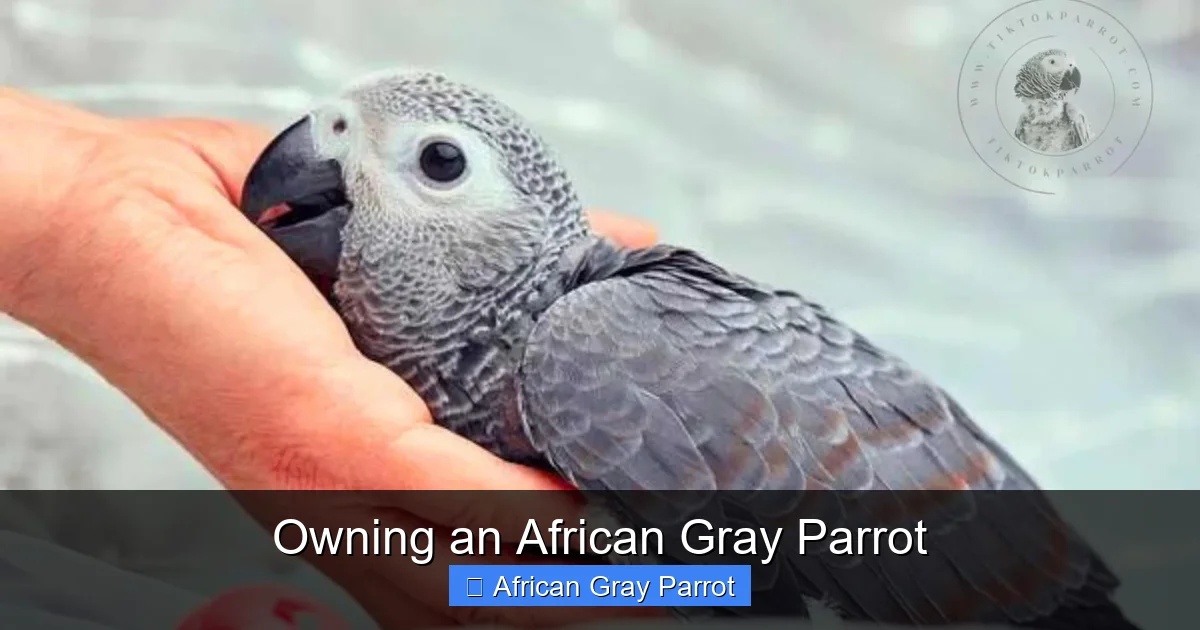
When you begin owning an african gray parrot, the cage becomes the bird’s primary home. Choose a cage at least 36 inches wide, 24 inches deep, and 48 inches tall. Horizontal bars allow climbing, and a sturdy lock prevents escapes. A spacious cage reduces stress and encourages natural movement.
Visual guide about Owning an African Gray Parrot
Image source: tiktokparrot.com
Owning an african gray parrot also means providing multiple perches of varying diameters. Natural wood perches help keep feet healthy and nails trimmed. Add a few rope perches for grip variety. Rotate perches regularly to prevent pressure sores and boredom.
Place the cage in a family‑centric room where the bird can observe daily activity. Avoid direct sunlight, drafts, and kitchen fumes. A stable temperature between 65‑80 °F supports health. Proper placement makes the cage a safe hub rather than an isolated box.
Environmental Enrichment
A stimulating environment is essential when owning an african gray parrot. Provide toys that encourage foraging, shredding, and problem solving. Puzzle feeders, wooden blocks, and safe household items like cardboard tubes work well. Rotate toys weekly to keep curiosity high.
Owning an african gray parrot also benefits from a view of the outdoors. Place the cage near a window with a safe screen so the bird can watch birds, clouds, and sunlight. Natural light supports vitamin D synthesis and mood. Avoid direct drafts or extreme temperature changes.
Introduce novel objects regularly to spark exploration. A new branch, a mirror, or a safe bell can trigger investigative behavior. Rotate these items every few days to maintain novelty. Continuous enrichment prevents stereotypic behaviors such as pacing or feather plucking.
Safety Considerations
Safety is a top priority when owning an african gray parrot. Remove toxic plants, non‑stick cookware fumes, and open water sources like toilets. Secure electrical cords and keep ceiling fans off when the bird is out. A bird‑proof room prevents accidents during free‑flight time.
Owning an african gray parrot means you must also plan for emergencies. Keep a avian vet’s number handy and have a travel carrier ready. Practice a quick evacuation drill so the bird stays calm. Preparedness saves lives in fire, storm, or sudden illness situations.
Install smoke detectors and carbon monoxide alarms near the bird’s area. Birds are highly sensitive to airborne toxins. Regularly test alarms and replace batteries. A safe environment protects both the parrot and the household.
Nutrition and Feeding
Core Diet
A balanced diet is the foundation of owning an african gray parrot health. High‑quality pelleted food should make up about 70 percent of the daily intake. Pellets provide essential vitamins, minerals, and protein in a consistent form. Avoid seed‑only mixes because they lack key nutrients.
When owning an african gray parrot, offer fresh water at all times and change it twice daily. Clean food dishes each morning to prevent bacterial growth. Monitor the bird’s weight weekly; sudden loss or gain signals a diet issue. Consistency in feeding times supports digestion.
Supplement the pellet base with a small portion of cooked grains like quinoa or brown rice. These add variety and extra fiber without excess fat. Offer grains a few times a week, watching for any digestive upset. A diverse core diet promotes optimal feather condition.
Fresh Foods
Fresh fruits and vegetables add variety and phytonutrients when owning an african gray parrot. Offer dark leafy greens like kale, broccoli florets, and orange vegetables such as carrots and sweet potatoes. Rotate produce daily to avoid boredom and ensure a broad nutrient profile. Wash all items thoroughly to remove pesticides.
Owning an african gray parrot also means limiting high‑sugar fruits like grapes and mango to occasional treats. Too much sugar can lead to obesity and fatty liver disease. Introduce new foods slowly and watch for allergic reactions. A varied fresh menu keeps the bird excited about meals.
Include a calcium source such as cuttlebone or a mineral block in the cage. Calcium supports strong bones and beak health, especially for breeding females. Replace the block when it becomes worn. Consistent calcium access prevents metabolic bone disease.
Supplements and Treats
Supplements can fill gaps in the diet when owning an african gray parrot. Calcium powder on fresh foods supports strong bones and egg production in females. A multivitamin spray once a week adds extra insurance. Always follow the manufacturer’s dosage instructions.
Treats should be no more than 10 percent of the total diet when owning an african gray parrot. Nut pieces, unsalted popcorn, and small bits of whole‑grain bread work well. Use treats as training rewards to reinforce positive behavior. Overfeeding treats leads to nutritional imbalance.
Offer a weekly “forage feast” by hiding treats inside paper rolls or puzzle toys. This mimics natural foraging and provides mental stimulation. Rotate the types of hidden treats to keep the activity fresh. Enrichment feeding turns snack time into a rewarding game.
Training, Socialization, and Mental Stimulation
Basic Commands
Training starts the moment you begin owning an african gray parrot. Teach simple commands like step up, step down, and stay using a clicker and a favorite treat. Keep sessions under ten minutes to match the bird’s attention span. Repetition and patience build reliable responses.
Owning an african gray parrot also means you must reinforce good behavior consistently. Ignore unwanted actions like screaming or biting, then redirect to a toy. Positive reinforcement creates a trusting relationship. Over time the bird learns to anticipate your cues.
Practice target training with a small stick to guide the bird to specific spots. This builds precision and confidence. Gradually increase distance and complexity. Target training becomes a foundation for more advanced tricks and handling.
Speech Training
Speech training is a highlight of owning an african gray parrot. Speak clearly, repeat the target word, and reward any attempt with a treat. Use a calm tone and avoid shouting, which can frighten the bird. Daily practice yields a growing vocabulary.
When owning an african gray parrot, incorporate words into everyday routines. Say “good morning” when you uncover the cage, and “good night” at bedtime. The bird associates phrases with actions, making speech functional. Consistency turns mimicry into meaningful communication.
Record short audio clips of your voice saying target words and play them back during quiet periods. The bird hears consistent pronunciation even when you are busy. This supplemental exposure accelerates vocabulary acquisition without extra hands‑on time.
Puzzle Toys and Games
Mental stimulation prevents boredom when owning an african gray parrot. Puzzle toys that hide treats encourage problem solving and foraging instincts. Rotate puzzles weekly to keep the challenge fresh. A mentally engaged bird shows fewer destructive behaviors.
Owning an african gray parrot also benefits from interactive games like target training and hide‑and‑seek. Use a stick to guide the bird to a target, then reward. Hide a favorite toy under a cup and let the bird find it. These activities strengthen the bond and sharpen cognition.
Create a DIY foraging box using a shallow tray, shredded paper, and hidden nuts. Let the bird dig and discover rewards. Change the substrate and hidden items regularly. Simple homemade puzzles provide endless variety at low cost.
Health Care and Common Issues
Veterinary Visits
Regular avian vet checks are essential when owning an african gray parrot. Schedule a wellness exam at least once a year, more often for seniors. The vet will assess weight, feather condition, beak alignment, and organ function. Early detection of problems extends the bird’s lifespan.
Owning an african gray parrot also means you should keep a health journal. Record weight, droppings, behavior changes, and any medication. This log helps the vet spot trends quickly. A detailed history can be lifesaving during an emergency.
Ask your vet about baseline blood work and fecal exams during the first visit. Establishing normal values makes future abnormalities easier to detect. Preventive diagnostics are a cornerstone of long‑term avian health.
Signs of Illness
Knowing the warning signs is crucial when owning an african gray parrot. Fluffed feathers, loss of appetite, changes in droppings, and labored breathing all signal trouble. A sudden decrease in vocalization can also indicate pain. Prompt veterinary attention improves outcomes.
Owning an african gray parrot requires you to act fast if you see any of these symptoms. Isolate the bird in a quiet, warm area and call the vet immediately. Do not attempt home remedies unless directed by a professional. Quick action often prevents a minor issue from becoming fatal.
Monitor feather quality daily; dull or broken feathers may hint at nutritional deficits or stress. Early intervention with diet adjustments or environmental changes can reverse feather problems. Consistent observation catches issues before they escalate.
Preventive Care
Preventive care keeps the bird thriving when owning an african gray parrot. Provide a clean cage, fresh water, and a balanced diet daily. Offer regular bathing opportunities with a shallow dish or misting. Clean perches and toys weekly to reduce bacterial buildup.
Owning an african gray parrot also means you should monitor beak and nail growth. Overgrown beaks can hinder eating; long nails cause foot injuries. Schedule a trim with the vet or learn safe trimming techniques. Routine grooming prevents discomfort and health complications.
Vaccinate against common avian diseases if recommended by your vet. While not all parrots need vaccines, some regions require them for travel or boarding. Staying current on preventive medicine protects the bird and the household.
Legal, Ethical, and Long‑Term Commitment
Permits and Regulations
Before owning an african gray parrot, check local laws and permit requirements. Some regions classify the species as protected and require a license. Import restrictions may apply if you purchase from abroad. Compliance avoids fines and ensures the bird’s legal status.
Owning an african gray parrot also means you must follow CITES guidelines for international trade. Keep all paperwork organized and accessible. A reputable breeder or rescue will provide the necessary documents. Proper documentation protects both you and the bird.
Stay informed about changes in wildlife legislation that could affect ownership. Join local avian clubs or online forums for updates. Proactive legal awareness prevents unexpected compliance issues.
Ethical Sourcing
Choosing an ethical source is vital when owning an african gray parrot. Avoid pet stores that cannot verify the bird’s origin. Seek breeders who prioritize health testing, socialization, and transparent records. Adoption from a reputable rescue gives a second chance to a displaced bird.
Owning an african gray parrot from a responsible breeder reduces the risk of genetic diseases. Ask for health guarantees and visit the breeding facility if possible. A well‑socialized chick adapts faster to a new home. Ethical choices support conservation and animal welfare.
Consider fostering before adopting to ensure compatibility. A trial period lets you assess the bird’s temperament and your ability to meet its needs. Responsible fostering reduces returns and improves long‑term outcomes.
Planning for the Future
Long‑term planning is a hallmark of responsible owning an african gray parrot. Create a care guide that includes diet, medication, vet contacts, and daily routines. Share this guide with a trusted friend or family member. A clear plan ensures continuity if you cannot care for the bird.
Owning an african gray parrot also means you should consider a pet trust or will provision. Financial resources for food, vet care, and enrichment must be allocated. Discuss the arrangement with an attorney familiar with animal law. Peace of mind comes from knowing the bird’s future is secure.
Review and update the care guide annually or after any major life change. Keeping the document current guarantees that a new caregiver has accurate information. Ongoing maintenance of the plan reflects the lifelong commitment you made.
Owning an african gray parrot is a journey filled with laughter, learning, and deep companionship. The bird’s intelligence and personality make every day unique. With proper preparation, nutrition, training, and health care, you can enjoy a thriving relationship for decades. Remember that patience and consistency are your greatest tools.
If you are ready to commit time, space, and love, owning an african gray parrot will reward you with a feathered friend that talks, plays, and bonds like no other pet. Start your research today, connect with avian experts, and prepare your home for a lifelong adventure. The journey begins with a single step.
Frequently Asked Questions
How much daily interaction does an African Gray Parrot need?
At least two hours of focused play, training, and social time each day are recommended to prevent boredom and behavioral issues.
What are common signs of illness in African Gray Parrots?
Fluffed feathers, loss of appetite, changes in droppings, labored breathing, and reduced vocalization are key warning signs.
Can I keep an African Gray Parrot in an apartment?
Yes, provided you can offer a large cage, daily out‑of‑cage time, and manage noise levels for neighbors.
What toys are best for mental stimulation?
Puzzle feeders, shredding toys, foraging boxes, and target‑training sticks keep the bird engaged and mentally sharp.
Is it legal to own an African Gray Parrot everywhere?
Regulations vary; some areas require permits or prohibit ownership. Always check local wildlife laws before acquiring a bird.
How do I prepare for the bird’s care if I become unable to care for it?
Create a detailed care guide, designate a trusted caregiver, and consider a pet trust or will provision to secure the bird’s future.