
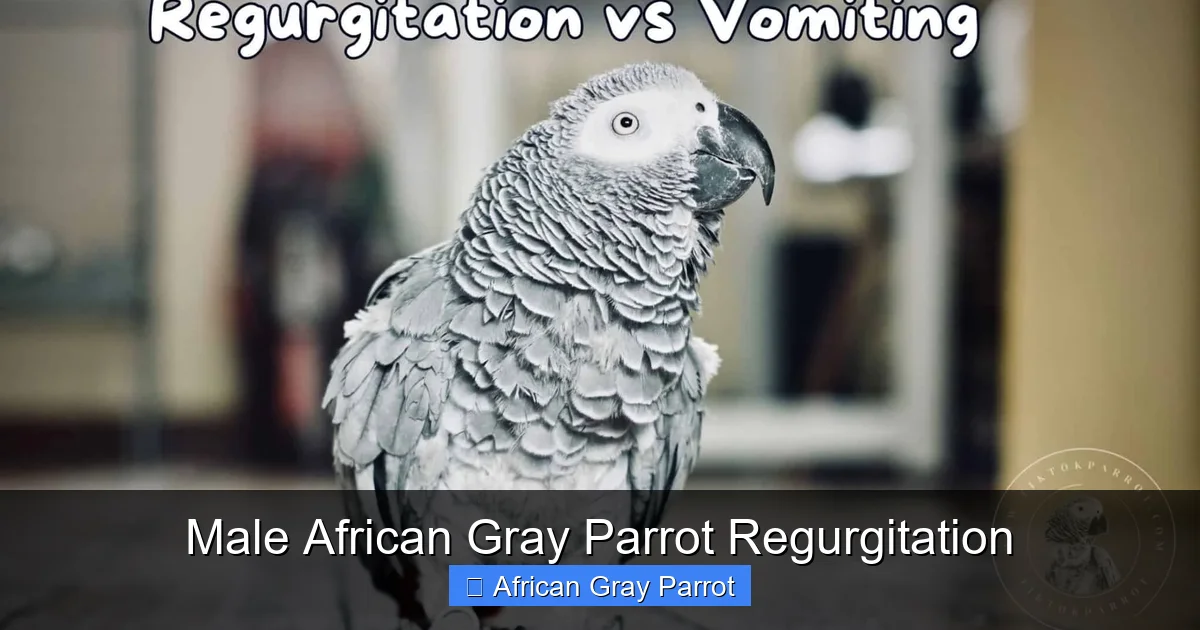
Male african gray parrot regurgitation is often a natural bonding behavior, especially during breeding season. Understanding the triggers helps you tell the difference between affection and a health issue. Proper diet, environment, and vet care keep the behavior healthy and safe.
Key Takeaways
- Normal bonding: Regurgitation can be a sign of affection toward a mate or trusted human.
- Hormonal cycles: Breeding season spikes the urge to feed a partner.
- Diet matters: Balanced nutrition reduces excessive regurgitation.
- Health red flags: Frequent, forceful, or foul‑smelling episodes may signal illness.
- Environmental enrichment: Toys and foraging lower hormonal drive.
- Training tips: Redirect the behavior with positive reinforcement.
- Veterinary support: Regular check‑ups catch underlying problems early.
Quick Answers to Common Questions
Why does my male african gray parrot regurgitate on me?
It’s a bonding gesture; the bird sees you as a trusted flock member and offers food as a sign of affection.
Is regurgitation ever a sign of illness?
Yes, if it’s frequent, forceful, foul‑smelling, or accompanied by weight loss, lethargy, or abnormal droppings.
How can I reduce excessive regurgitation?
Limit daylight hours, remove nesting cues, provide foraging toys, and redirect the behavior with positive reinforcement training.
What diet changes help?
Feed a pellet‑based diet with plenty of vegetables, limit soft treats, and ensure calcium and vitamin D3 are adequate.
When should I see a vet?
Any time regurgitation is paired with other symptoms, occurs many times an hour, or the bird appears unwell.
📑 Table of Contents
Introduction
If you share your home with a male african gray parrot regurgitation episode, you might wonder whether it’s a sweet gesture or a warning sign. Many owners first notice the bird bobbing its head, then offering a small, semi‑digested morsel. This behavior can look alarming, but in most cases it’s a perfectly normal part of parrot social life. Understanding why it happens gives you confidence to respond appropriately.
In this guide we’ll explore the biology behind male african gray parrot regurgitation, the common triggers, how to tell normal from problematic episodes, and practical steps you can take today. Whether you’re a new bird parent or a seasoned keeper, the information here will help you keep your feathered friend happy and healthy.
Understanding Regurgitation in Male African Gray Parrots
What Is Regurgitation?
Regurgitation is the voluntary bringing up of partially digested food from the crop. Unlike vomiting, it’s a controlled action often accompanied by a gentle head bob and a soft “click” sound. In the wild, a male african gray parrot regurgitation serves to feed a mate or chicks, reinforcing pair bonds and ensuring offspring survival.
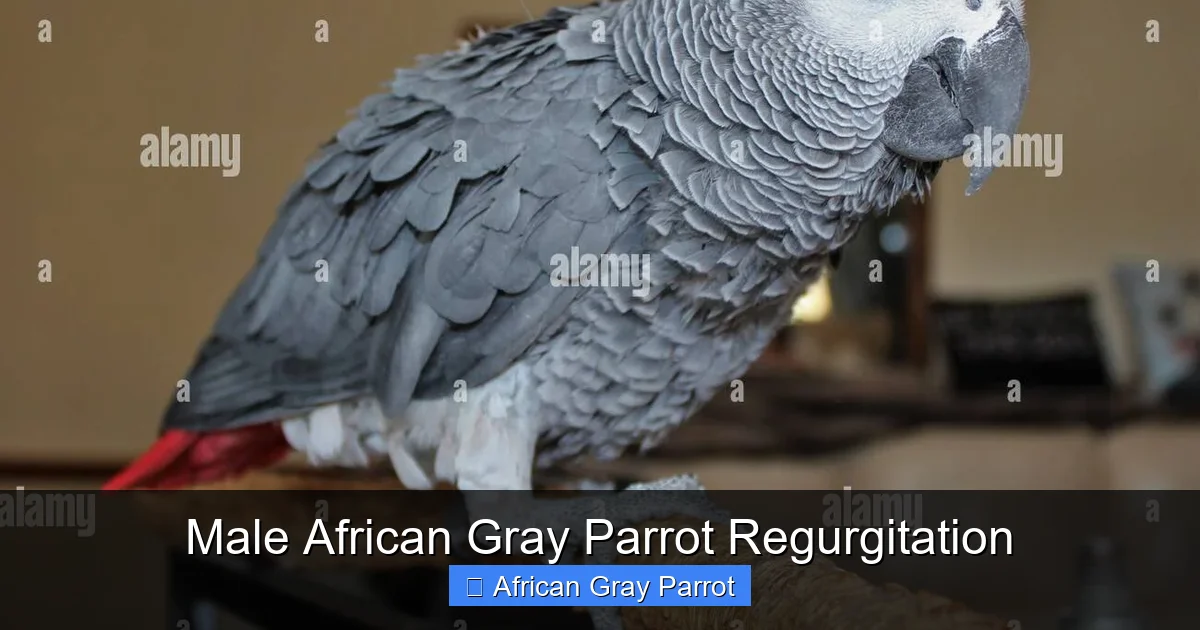
Visual guide about Male African Gray Parrot Regurgitation
Image source: c8.alamy.com
Normal vs. Abnormal Episodes
Normal regurgitation is usually brief, occurs during calm moments, and the bird appears relaxed afterward. Abnormal regurgitation may be frequent, forceful, accompanied by weight loss, lethargy, or a change in droppings. If you notice any of these red flags, a vet visit is warranted.
Hormonal Triggers
Seasonal hormone surges, especially in spring, ramp up the drive to court and feed a partner. A male african gray parrot regurgitation episode during this time is often a courtship display. Light cycles, temperature changes, and even the presence of a perceived mate (human or bird) can trigger the behavior.
Common Causes of Male African Gray Parrot Regurgitation
Breeding Season
During breeding season, testosterone and prolactin rise, prompting the bird to offer food. This is a natural instinct, not a problem. Providing a nesting box or allowing a compatible mate can satisfy the urge.
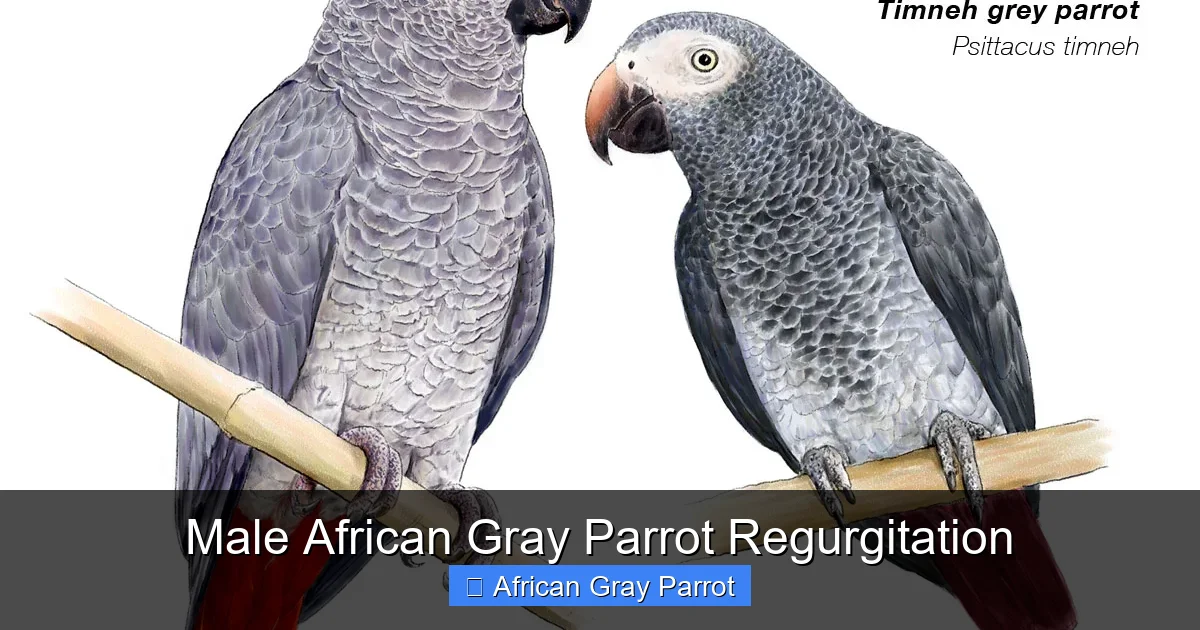
Visual guide about Male African Gray Parrot Regurgitation
Image source: africageographic.com
Bonding With Humans
Parrots often view their primary caregiver as a flock member. A male african gray parrot regurgitation directed at you is a sign of trust and affection. While endearing, it can become excessive if the bird learns that the behavior earns attention.
Dietary Imbalances
A diet high in soft, moist foods can make regurgitation easier and more frequent. Seeds, pellets, fresh fruits, and vegetables should be balanced. Too many treats or a lack of fiber may increase crop fullness and the urge to empty it.
Health Issues
Crop infections, gastrointestinal parasites, or metabolic disorders can cause abnormal regurgitation. If the bird regurgitates undigested food, shows blood, or has a foul odor, seek veterinary care immediately.
When to Be Concerned
Signs of Illness
Watch for regurgitation paired with weight loss, ruffled feathers, decreased appetite, or changes in vocalization. These symptoms suggest the behavior is not purely social.
Frequency and Volume
Occasional episodes (once or twice a day) are typical during hormonal peaks. Multiple episodes per hour, especially outside breeding season, warrant investigation.
Accompanying Symptoms
Diarrhea, vomiting, labored breathing, or a swollen crop are urgent signs. A male african gray parrot regurgitation that includes any of these should be evaluated by an avian veterinarian without delay.
How to Manage and Reduce Unwanted Regurgitation
Environmental Adjustments
Reduce daylight exposure to 10–12 hours during non‑breeding months to dampen hormonal spikes. Remove nesting materials unless you intend to breed. Provide plenty of foraging toys to redirect the bird’s energy.
Training Techniques
When the bird begins to regurgitate toward you, calmly say “no” and offer a preferred toy or a brief training session. Reward alternative behaviors like stepping up or targeting. Consistency teaches the bird that regurgitation isn’t the only way to earn interaction.
Veterinary Care
Schedule a wellness exam at least once a year. Discuss any regurgitation patterns with the vet. Blood work, fecal exams, and crop swabs can rule out hidden disease. Early detection makes treatment easier and less stressful for the bird.
Nutrition and Supplements for a Healthy Crop
Balanced Diet
Offer a high‑quality pellet base (70 % of diet), supplemented with fresh vegetables, limited fruit, and occasional nuts. Avoid excessive soft foods that fill the crop quickly.
Calcium and Vitamin D3
Calcium supports strong bones and proper muscle function, including the crop. Provide a cuttlebone or calcium block, and ensure UVB lighting or a vitamin D3 supplement if natural sunlight is limited.
Hydration
Fresh water should be available at all times. Dehydration thickens crop contents, making regurgitation more likely. Mist the bird lightly or offer a shallow bath to encourage drinking.
Conclusion
Male african gray parrot regurgitation is a fascinating window into the bird’s social world. Most of the time it’s a harmless expression of affection or hormonal drive. By learning the normal patterns, recognizing warning signs, and providing a balanced diet, enriching environment, and regular veterinary care, you can keep the behavior healthy and enjoy a deeper bond with your feathered companion. Remember, every bird is unique—observe, adapt, and celebrate the quirks that make your parrot special.
Frequently Asked Questions
Can a male african gray parrot regurgitation be completely stopped?
Complete cessation isn’t necessary or realistic; it’s a natural behavior. Management focuses on reducing excessive or unwanted episodes.
Does neutering affect regurgitation?
Surgical neutering is rarely performed in parrots and not a standard solution; hormonal management via light cycles is preferred.
What toys help redirect the behavior?
Foraging puzzles, shreddable toys, and chewable wood pieces keep the bird mentally engaged and less focused on courtship feeding.
Is regurgitation contagious to other birds?
No, it’s not a disease. However, if an underlying infection causes abnormal regurgitation, that illness could spread.
How often is normal during breeding season?
Several times a day can be normal when hormones peak; frequency usually drops after the season ends.
Should I hand‑feed the regurgitated food back to the bird?
It’s unnecessary and can reinforce the behavior. Simply acknowledge the gesture and offer a toy or training cue instead.