
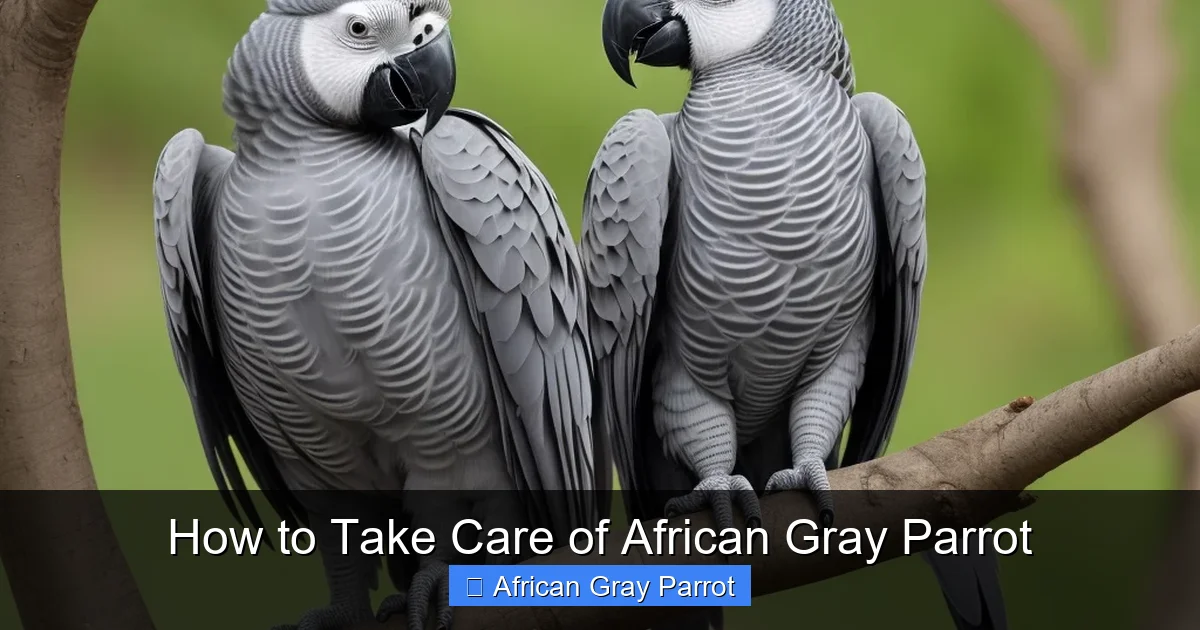
This comprehensive guide teaches you how to take care of African Gray Parrot from day one. You will learn proper nutrition, cage setup, mental stimulation, training techniques, and health monitoring to help your feathered companion thrive for decades.
Key Takeaways
- Spacious cage is essential: African Gray Parrots need a minimum cage size of 36 x 24 x 48 inches with horizontal bars for climbing.
- Balanced diet prevents disease: Feed 60-70% high-quality pellets, 20-30% fresh vegetables, 10% fruits, and limited nuts and seeds.
- Daily mental stimulation prevents boredom: Provide foraging toys, puzzle feeders, and at least 3-4 hours of supervised out-of-cage time daily.
- Consistent training builds trust: Use positive reinforcement with short 10-15 minute sessions to teach commands and reduce behavioral issues.
- Regular vet visits catch problems early: Schedule annual checkups with an avian veterinarian and monitor weight weekly at home.
- Social interaction is non-negotiable: These highly intelligent birds need daily interaction with their human flock to prevent feather plucking and screaming.
- Environmental safety protects your bird: Remove toxic plants, avoid Teflon cookware, secure windows, and keep ceiling fans off during flight time.
Introduction
Welcome to the complete guide on how to take care of African Gray Parrot companions. These remarkable birds rank among the most intelligent parrots in the world. Their cognitive abilities rival those of a young child. They can learn hundreds of words. They solve complex puzzles. They form deep emotional bonds with their caregivers.
But intelligence comes with responsibility. An African Gray Parrot needs more than food and water. They need mental challenges. They need social connection. They need a safe environment. They need specialized veterinary care. Without these things, they develop serious behavioral and health problems.
This guide covers everything you need to know. We start with choosing the right cage. We move through nutrition, enrichment, training, health care, and troubleshooting common issues. Whether you are a first-time owner or looking to improve your current care routine, you will find practical, actionable advice here.
Let us begin your journey to becoming an exceptional African Gray Parrot guardian.
Understanding Your African Gray Parrot
Species Overview
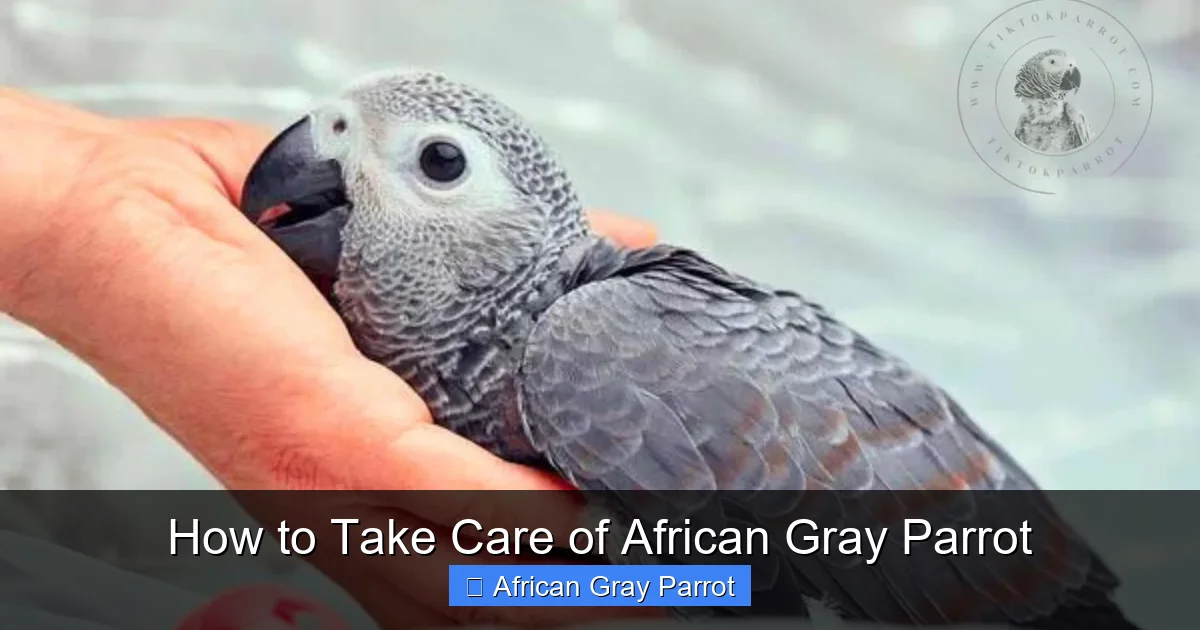
Two main subspecies exist in the pet trade. The Congo African Gray Parrot is larger. It has bright red tail feathers. The Timneh African Gray Parrot is smaller. It has darker charcoal plumage and a maroon tail. Both share the same care requirements. Both possess extraordinary intelligence.
Visual guide about How to Take Care of African Gray Parrot
Image source: tiktokparrot.com
These birds originate from the rainforests of West and Central Africa. They live in large flocks. They fly long distances daily. They forage for nuts, seeds, fruits, and vegetation. They mate for life. Understanding their natural history helps you meet their needs in captivity.
Lifespan and Commitment
An African Gray Parrot lives 40 to 60 years with proper care. Some reach 70 years. This is a lifelong commitment. Plan for their care in your will. Identify a trusted backup caregiver. This bird will likely outlive other pets. They may outlive you.
Personality Traits
Each bird has a unique personality. Most share common traits. They are sensitive. They are observant. They are cautious with new things. They bond intensely with one person. They can be aloof with strangers. They thrive on routine. They hate sudden changes.
Setting Up the Perfect Home
Choosing the Right Cage
The cage is your bird’s primary habitat. Size matters enormously. The absolute minimum for an African Gray Parrot is 36 inches wide, 24 inches deep, and 48 inches tall. Bigger is always better. Width matters more than height. Birds fly horizontally, not vertically.
Visual guide about How to Take Care of African Gray Parrot
Image source: tiktokparrot.com
Bar spacing should be 3/4 inch to 1 inch. Horizontal bars on at least two sides allow climbing. Stainless steel or powder-coated wrought iron lasts longest. Avoid zinc-coated or galvanized wire. These cause heavy metal toxicity. The cage needs a secure lock. African Gray Parrots are escape artists.
Cage Placement
Place the cage in a social area. The living room or family room works well. Your bird wants to be part of daily activity. Avoid the kitchen. Cooking fumes and Teflon particles are deadly. Avoid direct sunlight. Avoid drafts from vents or windows. Keep the cage at chest height or slightly higher. This gives your bird a sense of security.
Perches and Foot Health
Provide 4-6 perches of varying diameters and textures. Natural wood branches are best. Manzanita, dragonwood, and java wood last long. Include a rope perch for comfort. Include a cement or sand perch for nail maintenance. Place perches at different heights. Do not place perches directly over food or water bowls. Droppings contaminate them.
Food and Water Stations
Use stainless steel or ceramic bowls. Plastic harbors bacteria. Provide three bowls minimum. One for pellets. One for fresh foods. One for water. Consider a water bottle as backup. Clean all bowls daily. Replace water twice daily. African Gray Parrots often dunk food in water. This creates bacterial soup quickly.
Cage Lining and Cleaning
Use plain newspaper, paper towels, or cage liner paper. Avoid corn cob bedding. Avoid walnut shells. Avoid cedar or pine shavings. These cause respiratory issues and crop impaction. Change cage liner daily. Deep clean the cage weekly. Use bird-safe cleaner or vinegar solution. Rinse thoroughly. Dry completely before returning your bird.
Nutrition: The Foundation of Health
Understanding Dietary Needs
Wild African Gray Parrots eat diverse foods. Palm nuts, seeds, fruits, leaf buds, and occasional insects. Captive diets must replicate this variety. Poor nutrition causes most health problems. Feather plucking, respiratory infections, fatty liver disease, and calcium deficiency all link to diet.
Pellets: The Dietary Base
High-quality pellets should comprise 60-70% of daily intake. Choose brands formulated for African Gray Parrots. Harrison’s, Roudybush, and TOPS are reputable. Avoid pellets with artificial colors, flavors, or preservatives. Avoid seed mixes labeled as “complete.” They are not. Transition slowly if your bird eats mostly seeds. Mix pellets with favorite foods. Gradually increase pellet ratio over weeks.
Fresh Vegetables: Daily Essential
Vegetables provide vitamins, minerals, and phytonutrients. Offer 20-30% of diet as fresh vegetables. Dark leafy greens are crucial. Kale, collard greens, mustard greens, swiss chard, and dandelion greens. Orange vegetables provide vitamin A. Sweet potato, carrots, butternut squash, pumpkin. Cruciferous vegetables support detoxification. Broccoli, cauliflower, Brussels sprouts. Rotate daily. Variety prevents nutritional gaps.
Fruits: Treats in Moderation
Fruits provide antioxidants but contain sugar. Limit to 10% of diet. Berries are best. Blueberries, raspberries, blackberries, strawberries. Tropical fruits work well. Papaya, mango, pomegranate, kiwi. Remove pits and seeds from apples, cherries, peaches, plums. These contain cyanide compounds. Wash all produce thoroughly. Organic preferred.
Healthy Fats and Protein
African Gray Parrots need more fat than many parrots. Palm nuts are traditional. Red palm oil supplements work. Offer raw, unsalted nuts daily. Walnuts, almonds, pecans, macadamia, Brazil nuts. Limit to 2-3 nuts daily. Cooked legumes provide protein. Lentils, chickpeas, mung beans. Sprouted seeds are nutritional powerhouses. Sprout sunflower, mung, lentil, alfalfa. Offer 1 tablespoon daily.
Calcium and Vitamin D3
African Gray Parrots are prone to calcium deficiency. This causes seizures, egg binding, and weak bones. Provide cuttlebone or calcium block always. Offer calcium-rich foods daily. Dark greens, broccoli, almonds, figs. Vitamin D3 enables calcium absorption. Natural sunlight is best. 15-20 minutes direct sunlight (not through glass) 3-4 times weekly. Full-spectrum avian lighting works indoors. Supplement only under veterinary guidance.
Foods to Never Feed
Some foods are toxic or dangerous. Never feed avocado. Never feed chocolate. Never feed caffeine. Never feed alcohol. Never feed onions or garlic. Never feed mushrooms. Never feed rhubarb. Never feed tomato leaves or stems. Never feed fruit pits or apple seeds. Never feed salt. Never feed sugar. Never feed fried foods. Never feed dairy (birds lack lactase). Never feed meat (high uric acid).
Feeding Schedule and Presentation
Offer fresh foods in morning. Remove after 2-4 hours. Prevents spoilage. Pellets available all day. Refresh daily. Nuts and treats for training or evening. Forage feeding mimics nature. Hide food in toys. Wrap in paper. Stuff in pine cones. Scatter in clean substrate. This extends feeding time. Reduces boredom. Engages problem-solving.
Mental Stimulation and Enrichment
Why Enrichment Matters
An African Gray Parrot has the intelligence of a 3-5 year old child. The emotional maturity of a toddler. In the wild, they spend 6-8 hours foraging. They socialize constantly. They navigate complex environments. Captivity removes these challenges. Without enrichment, they develop stereotypic behaviors. Feather plucking. Screaming. Pacing. Self-mutilation. Aggression. Depression.
Foraging Toys and Activities
Foraging is the single most important enrichment. Start simple. Cover food bowl with paper. Poke holes. Progress to commercial foraging toys. Puzzle boxes. Treat balls. Vine balls stuffed with shredded paper and treats. Hide nuts in cardboard tubes. Freeze vegetables in ice cubes. Rotate toys weekly. Novelty maintains interest. Make 50% of diet require effort to obtain.
Chewable and Destructible Toys
Chewing is natural and necessary. Beaks grow continuously. Chewing wears them down. Provide safe woods. Pine, balsa, yucca, cactus skeleton, vine, palm leaf. Avoid pressure-treated wood. Avoid painted wood. Avoid glue-heavy toys. Rotate chew toys weekly. Expect destruction. That is the point. Budget $20-40 monthly for toys.
Puzzle and Manipulative Toys
African Gray Parrots love mechanical challenges. Nuts and bolts toys. Lock and key toys. Sliding puzzles. Rings on pegs. Stacking cups. Start easy. Increase difficulty as skills develop. Supervise initially. Ensure no small parts can be swallowed. Praise success. This builds confidence.
Social Enrichment
You are your bird’s flock. Talk to them throughout the day. Narrate activities. Include them in routines. Meal prep. Bill paying. Reading. Watching TV. Shoulder time while you work. 3-4 hours minimum daily interaction. More is better. If you work long hours, consider a second bird. But introduce slowly. Quarantine 45 days. Not all birds accept companions.
Audio and Visual Enrichment
Play nature sounds. Rainforest recordings. Bird calls. Classical music. Some enjoy TV. Nature documentaries. Cartoons. Avoid predator sounds. Avoid loud, jarring noises. Mirror use is controversial. Some birds bond with reflection. Others become aggressive. Monitor closely. Remove if problems arise.
Training as Enrichment
Training sessions provide mental exercise. 10-15 minutes, 2-3 times daily. Teach practical behaviors. Step up. Step down. Target training. Recall. Crate training. Harness training. Teach fun tricks. Wave. Turn around. Retrieve. Sort shapes. Identify colors. Count. Training strengthens bond. Reduces problem behaviors. Tires the brain.
Training and Behavior Management
Positive Reinforcement Basics
Positive reinforcement is the only ethical, effective method. Reward desired behaviors. Ignore unwanted behaviors. Never punish. Never yell. Never spray water. Never hit. Never force. These destroy trust. They increase fear and aggression. African Gray Parrots remember negative experiences for years.
Finding the Right Rewards
Every bird has a hierarchy of treats. Top tier: almond slivers, pine nuts, sunflower seeds. Mid tier: millet spray, dried fruit pieces, nutri-berries. Low tier: pellets, verbal praise, head scratches. Reserve high-value treats for difficult behaviors. Use variable reinforcement once learned. Sometimes treat. Sometimes praise. Sometimes nothing. This maintains behavior long-term.
Target Training: The Foundation
Target training teaches your bird to touch a stick with their beak. This is the gateway to all other training. Use a chopstick or target stick. Hold near beak. When they touch, click (or say “good”) and treat. Repeat. Move target further. Up, down, left, right. Eventually they follow target anywhere. This enables station training, crate training, and medical behaviors.
Step Up and Step Down
Step up is essential for daily management. Offer hand or forearm at belly level. Say “step up.” Target train onto hand if needed. Reward immediately. Step down is equally important. Lower hand to perch. Say “step down.” Reward. Practice 5-10 times daily. Never grab from above. This mimics predator attack. Always offer choice.
Recall Training
Recall saves lives. If your bird flies off, they return on cue. Start indoors. Short distances. Say “come” or use whistle. Reward generously. Increase distance. Add distractions. Practice in different rooms. Never call for something unpleasant. Never call then clip nails. Recall must always predict good things.
Crate and Carrier Training
Vet visits and emergencies require carrier compliance. Leave carrier open in room. Place treats inside. Feed meals near it. Then in doorway. Then deeper inside. Add comfortable perch. Practice closing door for 1 second. Then 5. Then 30. Then minutes. Take short car rides. End with fun activity. Carrier predicts adventure, not just vet.
Harness Training for Outdoor Time
Outdoor time provides UV light and enrichment. Aviator harness is the gold standard. Never use leg chains. Never take unharnessed bird outside. Even clipped wings catch wind. Training takes weeks. Start with harness visibility. Then touch. Then drape over back. Then head through loop. Then wings through. Buckle. Indoor practice. Short outdoor sessions. Always supervise.
Addressing Common Behavioral Issues
Screaming: Usually attention-seeking. Ignore completely. Reward quiet. Teach “whisper” or alternate contact call. Ensure needs are met first. Biting: Communication, not aggression. Read body language. Pinning eyes. Flared tail. Raised feathers. Stiff posture. Respect “no.” Back off. Reward calm. Feather Plucking: Medical first. Vet workup. Then environmental. Increase humidity. Increase foraging. Reduce stress. Check for allergies. Collars are last resort. One-Person Bonding: Have others feed treats. Train with others. Share care duties. Prevent over-attachment to one person.
Health Care and Monitoring
Finding an Avian Veterinarian
Dog and cat vets cannot treat birds properly. You need a board-certified avian veterinarian. Or a vet with significant avian experience. Search AAV.org for members. Interview before emergency. Ask about experience with African Gray Parrots. Ask about after-hours emergency protocol. Ask about hospitalization facilities. Establish care within first month.
The Initial Wellness Exam
Schedule within 2 weeks of bringing bird home. Bring fresh droppings sample. Vet will perform physical exam. Weight check. Oral exam. Palpation. Auscultation. Baseline blood work: CBC and chemistry panel. Chlamydia testing. Polyomavirus testing. Psittacine beak and feather disease testing. Fecal gram stain and parasite check. Discuss vaccination options. Polyomavirus vaccine available.
Annual Checkups
Yearly exams catch problems early. Birds hide illness instinctively. Annual blood work tracks trends. Weight monitoring is critical. Weigh weekly at home. Same time. Same scale. Empty crop (morning before breakfast). 5% weight loss = vet visit. 10% = emergency. Keep written log. Share with vet.
Signs of Illness
Learn subtle signs. Fluffed feathers. Sleeping more. Decreased appetite. Changed droppings. Tail bobbing. Open-mouth breathing. Sneezing. Nasal discharge. Eye discharge. Voice change. Balance issues. Lumps. Swelling. Bleeding. Any change from normal warrants vet call. Better false alarm than missed emergency.
Common Health Issues
Hypocalcemia: Low calcium. Seizures. Weakness. Falling off perch. Emergency. Calcium gluconate injection. Long-term diet correction. Respiratory Infections: Common. Sensitive air sacs. Aspergillus fungus. Bacterial. Vitamin A deficiency increases risk. Fatty Liver Disease: High-fat seed diets. Obesity. Enlarged liver. Sudden death risk. Diet and exercise reverse early stages. Psittacine Beak and Feather Disease: Viral. Feather abnormalities. Beak deformities. Immune suppression. No cure. Supportive care. Proventricular Dilatation Disease: Bornavirus. Weight loss. Undigested food in droppings. Neurological signs. No cure. Management only. Heavy Metal Toxicity: Zinc, lead, copper. Neurological signs. Anemia. Chelation therapy. Remove sources.
Grooming Needs
Nail Trims: Every 4-8 weeks. Concrete perch reduces frequency. Learn to trim or have vet do it. Avoid quick. Styptic powder ready. Wing Trims: Controversial. Many owners choose flighted. If trimming, conservative trim. 4-5 primaries. Allow gliding. Prevent crash landings. Molts regrow feathers. Reassess each molt. Beak Care: Normal beak self-maintains with chewing. Overgrowth indicates illness. Vet only for beak trims. Bathing: 2-3 times weekly minimum. Mist with spray bottle. Shower perch. Shallow bowl. Wet leaves. Some love sink spray. Never blow dry. Air dry in warm room. Bathing reduces dust. Improves feather condition. Aids respiratory health.
Emergency Preparedness
Create avian first aid kit. Styptic powder. Gauze. Vet wrap. Scissors. Tweezers. Heating pad. Carrier ready. Emergency vet number posted. Poison control: ASPCA 888-426-4435. Pet Poison Helpline 855-764-7661. Know nearest 24-hour avian ER. Practice carrier loading. Have evacuation plan for fire, hurricane, earthquake.
Environmental Safety
Airborne Toxins
Birds have extremely efficient respiratory systems. They absorb toxins rapidly. Teflon/PTFE: Overheated non-stick cookware releases odorless fumes. Kills birds in minutes. Replace all non-stick. Use stainless steel, cast iron, ceramic, glass. Self-cleaning ovens: Emit fumes. Ventilate. Remove bird from house during cycle. Scented candles, air fresheners, plug-ins: Contain essential oils and chemicals. Use simmer pots with citrus, cinnamon, cloves instead. Smoke: Cigarette, marijuana, incense, fireplace. All harmful. Cleaning products: Bleach, ammonia, aerosol sprays. Use vinegar, baking soda, bird-safe cleaners. Paint fumes: VOCs. Use zero-VOC paint. Remove bird during painting. Ventilate 48 hours before return.
Physical Hazards
Ceiling fans: Major cause of death. Turn off during out-of-cage time. Windows and mirrors: Birds fly into them. Use decals. Curtains. Blinds. Open doors: Escape risk. Double-door system. Screen doors. Toilets: Drowning hazard. Keep lids closed. Standing water: Pots, sinks, buckets. Cover or empty. Electrical cords: Chewing causes burns, electrocution. Use cord covers. Toxic plants: Remove philodendron, pothos, dieffenbachia, avocado, oleander, azalea, rhododendron, yew, mistletoe, poinsettia. Provide safe plants: spider plant, bamboo, african violet, herbs, wheatgrass.
Other Pets
Cats and dogs are predators. Never trust them unsupervised. Bacteria in saliva kills birds. Separate rooms when unsupervised. Train dogs “leave it.” Keep cats out of bird room. Ferrets, snakes, lizards also pose risks. Fish tanks need secure lids.
Daily, Weekly, and Monthly Care Routines
Daily Routine
Morning: Uncover cage. Greet bird. Change water. Offer fresh vegetables. Offer pellets. Medication if needed. Weigh bird (weekly minimum). Quick visual health check. Eyes clear. Nostrils clean. Feathers smooth. Posture normal. Droppings normal. Supervised out-of-cage time. Training session 1. Midday: Check water. Refresh if needed. Foraging toy rotation. Social interaction. Training session 2. Evening: Remove fresh foods. Offer nuts/treats. Training session 3. Final social time. Cover cage for 10-12 hours darkness. Quiet environment.
Weekly Routine
Deep clean cage. Wash all perches. Wash all toys. Rotate toy selection. Clean cage bars. Clean play stands. Check toy safety. Discard damaged toys. Trim nails if needed. Misting bath or shower. Review food supplies. Restock. Weigh and record weight. Clean water bottle nozzle.
Monthly Routine
Inspect cage for rust, chipping paint, loose welds. Check perch condition. Replace worn perches. Evaluate toy inventory. Order new. Review diet variety. Add new vegetables. Schedule vet if annual due. Check first aid kit supplies. Test smoke detectors. Test carbon monoxide detectors. Review emergency plan.
Seasonal Considerations
Spring
Hormonal season. Increased daylight triggers breeding behavior. Reggression. Nesting. Aggression. Egg laying (females). Manage by: Strict 10-12 hours darkness. Remove nest-like spaces. No petting back or under wings. Limit high-fat foods. Increase exercise. Redirect to training. Never punish hormonal behavior. It passes.
Summer
Heat stress risk. Birds overheat at 85°F+. Signs: Wings held away. Panting. Lethargy. Provide shade. Misting. Frozen treats. Cool room. Never leave in car. AC failure plan. Outdoor time early morning or evening. Harness only. Mosquito protection. West Nile virus risk.
Fall
Molting season. Increased nutritional needs. Extra protein. Extra healthy fats. Extra bathing. Pin feathers sensitive. Avoid handling new pins. Irritability normal. Extra patience. Humidity helps. Humidifier or frequent misting.
Winter
Dry air from heating. Respiratory risk. Humidifier essential. 40-60% humidity. Drafts from windows. Cage placement check. Shorter days. Maintain 10-12 hours sleep with cage cover. Holiday hazards. Teflon cooking. Scented candles. Guests. Open doors. Tree water (bacteria, fertilizer). Ornaments (heavy metal, choking). Supervise closely.
Travel and Boarding
Short Trips
Car travel in secured carrier. Seatbelt carrier. No loose bird in car. Airbag danger. Temperature control. No direct sun. No direct AC vent. Cover carrier partially. Reduces stress. Bring water. Offer every hour. Familiar toys inside. Practice drives before long trips.
Air Travel
In-cabin only. Cargo hold kills birds. Temperature extremes. Pressure changes. Noise. Stress. Book direct flights. Airline-approved carrier. Health certificate within 10 days. CITES permit for international. African Gray Parrots are CITES Appendix I. Complex paperwork. Allow 6+ months preparation. Consider pet transport specialist.
Boarding Options
Avian vet boarding preferred. Medical supervision. Disease protocols. In-home pet sitter second best. Bird stays in familiar environment. Daily visits minimum. Twice daily better. Boarding facilities vary widely. Tour first. Check ventilation. Quarantine protocols. Staff experience. Emergency plan. Never board at pet store. Disease risk too high.
Troubleshooting Common Problems
Refusing New Foods
African Gray Parrots are naturally neophobic. New foods scare them. Strategies: Eat the food yourself enthusiastically. Offer at morning hunger peak. Mix with favorite food. Change presentation. Chopped. Mashed. Whole. Warm. Frozen. Sprouted. Hang from cage top. Clip to bars. Persist. It takes 20-50 exposures sometimes. Never starve to force acceptance.
Night Frights
Sudden panic in darkness. Thrashing. Falling. Injury risk. Causes: Shadows. Noises. Vibrations. Dreams. Solutions: Night light. Red or blue LED. Partial cage cover. White noise machine. Remove hanging toys that swing. Secure perches. Check for mites. Vet if frequent.
Regurgitation vs. Vomiting
Regurgitation: Head bobbing. Neck stretching. Controlled deposit. Normal bonding behavior. Directed at person, toy, mirror. Vomiting: Violent head shaking. Messy splatter. Feathers matted on head. Sign of illness. Vet immediately.
Excessive Egg Laying
Females lay without mate. Chronic laying depletes calcium. Life-threatening. Management: Reduce daylight to 8-10 hours. Remove nesting materials. Change cage layout frequently. Limit petting to head only. Remove eggs if laid (replace with dummy eggs). Lupron injections vet-administered. Hysterectomy last resort.
Aggression Toward Family Members
Resource guarding. Mate guarding. Fear. Solutions: Target person feeds all treats. Target person does training. Others ignore bird initially. Gradual positive association. Never force interaction. Respect bird’s space. Consult behaviorist if severe.
Building a Lifelong Bond
Respect and Consent
The foundation of your relationship is respect. Your African Gray Parrot is not a toy. Not a decoration. Not a performing monkey. They are a sentient being with preferences, boundaries, and rights. Ask before touching. Offer hand. Wait for step up. If they lean away, respect that. If they lunge, back off. Consent builds trust. Force destroys it.
Quality Time vs. Quantity Time
Three hours of distracted phone scrolling near cage beats 30 minutes of focused interaction? No. Quality matters. Put phone away. Make eye contact. Talk. Listen. Play. Train. Preen (if invited). Share meals (safe foods). These moments build the bond. Your bird knows when you are present.
Understanding Body Language
Learn your bird’s dialect. Relaxed: Feathers slightly fluffed. One foot up. Beak grinding. Eyes half-mast. Alert/Interested: Feathers sleek. Eyes wide. Head tilting. Leaning forward. Fear: Feathers tight. Eyes wide. Body flattened. Backing away. Aggression: Feathers raised (especially nape). Pinned eyes. Tail flared. Wings slightly out. Beak open. Lunging. Playful: Hanging upside down. Wing flapping. Vocalizing. Beak wrestling toys. Hormonal: Panting. Wing drooping. Tail lifting. Regurgitating. Nesting behavior.
Celebrating Milestones
Mark adoption anniversary. Hatch day if known. Training breakthroughs. First word. First voluntary step up. First bath. First forage success. Photo journal. Video diary. Share with bird community. These memories sustain you through difficult times. They remind you why you chose this journey.
Conclusion
You now have a comprehensive roadmap for how to take care of African Gray Parrot companions. This journey demands patience, dedication, and continuous learning. Your bird will challenge you. They will frustrate you. They will amaze you. They will love you in their unique, complex way.
Remember the pillars: Spacious, safe housing. Nutrient-dense, varied diet. Relentless mental enrichment. Positive reinforcement training. Specialized veterinary care. Environmental vigilance. Daily meaningful interaction. Respect for their autonomy.
No guide covers every situation. Join avian communities. Read current research. Attend workshops. Build relationships with experts. Your African Gray Parrot deserves the best you can give. In return, they give you a window into one of nature’s most extraordinary minds.
Start today. Implement one improvement. Then another. Progress, not perfection. Your feathered companion is counting on you.