
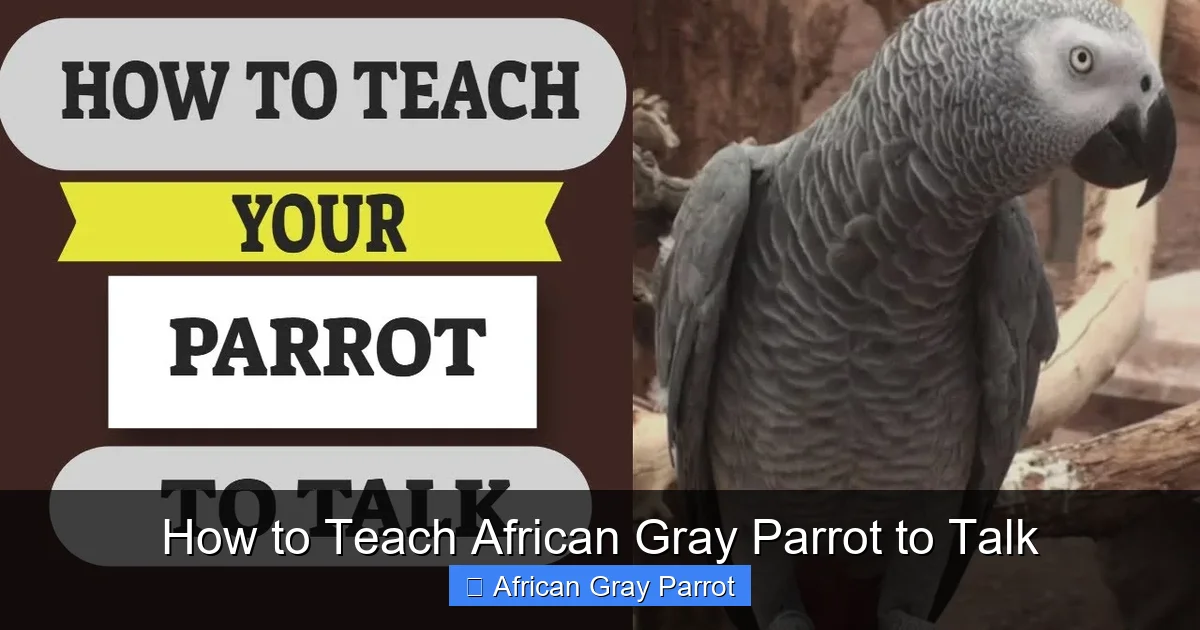
Teaching an African Gray Parrot to talk is a rewarding process that relies on consistency, positive reinforcement, and a stimulating environment. With daily practice and the right techniques, most birds begin mimicking words within a few months.
Key Takeaways
- Start early: Young African Gray Parrots learn faster than older birds.
- Be consistent: Daily short sessions work better than long irregular ones.
- Use clear speech: Speak slowly and repeat each target word many times.
- Reward instantly: Give a treat or praise the moment the bird mimics a sound.
- Keep it fun: Play recordings and sing songs to keep the bird engaged.
- Watch for stress: Stop training if the bird shows signs of fatigue or fear.
Introduction
Welcome to the complete guide on teaching your African Gray Parrot to talk. This guide shows you each step from setting up a quiet space to expanding vocabulary. You will learn how to build trust with your African Gray Parrot. You will discover the best words to start with. You will see how to use treats and praise effectively. You will also find tips for solving common problems. Follow the steps and enjoy hearing your African Gray Parrot speak.
Step 1: Prepare the Environment
Choose a Quiet Space
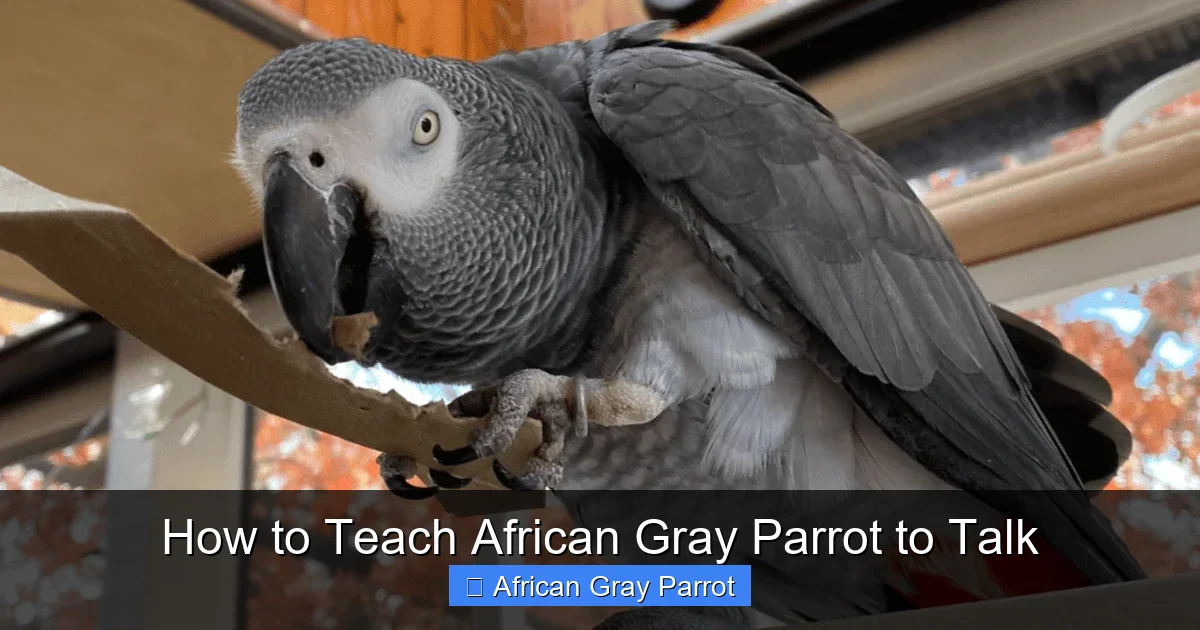
Choose a quiet space for your African Gray Parrot training sessions. A calm room helps the bird focus on your voice. Turn off loud appliances like televisions or vacuums. Close windows to reduce outside noise. Place the cage on a stable table away from drafts. Make sure the lighting is soft but bright enough to see the bird. A quiet space tells your African Gray Parrot that it is time to learn. Consistency in the environment builds a strong learning habit.
Visual guide about How to Teach African Gray Parrot to Talk
Image source: birdybirdybirdy.com
Set Up a Comfortable Perch
Set up a comfortable perch for your African Gray Parrot inside the training area. Use a natural wood branch that feels secure under the feet. Avoid plastic perches that can be slippery. Position the perch at eye level so you can see the bird’s beak movements. Add a soft rope swing nearby for variety. A comfortable perch keeps the African Gray Parrot relaxed and ready to mimic. Check the perch daily for wear or splinters. Replace it if it looks damaged.
Remove Distractions
Remove distractions that can interrupt your African Gray Parrot during lessons. Put away toys that make noise or move suddenly. Keep other pets out of the room while you train. Silence phone notifications and alarms. Cover mirrors if the bird tries to talk to its reflection. A distraction free zone helps the African Gray Parrot stay focused on your voice. Reward the bird for ignoring background sounds. Consistency in a clean space speeds up learning.
Step 2: Build Trust and Bond
Spend Time Near the Cage
Spend time near the cage to build trust with your African Gray Parrot. Sit quietly and read a book while the bird watches you. Talk softly about your day using simple words. Let the African Gray Parrot see your face and hands move slowly. Offer a gentle smile when the bird looks at you. Daily presence teaches the African Gray Parrot that you are safe. Trust grows when the bird feels no pressure to perform. Patience is the foundation of every talking lesson.
Visual guide about How to Teach African Gray Parrot to Talk
Image source: tiktokparrot.com
Offer Treats by Hand
Offer treats by hand to strengthen the bond with your African Gray Parrot. Choose a favorite seed or a small piece of fruit. Hold the treat between your thumb and index finger. Let the African Gray Parrot take it gently from your palm. Speak the target word as the bird eats the treat. The bird links the word with a positive experience. Repeat this process several times each session. Hand feeding builds confidence and encourages vocal attempts.
Use Gentle Voice
Use a gentle voice when you talk to your African Gray Parrot. Speak slowly and clearly so each syllable can be heard. Avoid sudden loud tones that may startle the bird. Keep your pitch steady and warm. The African Gray Parrot mirrors the rhythm of your speech. A calm voice signals safety and invites imitation. Practice the same tone during every training session. Consistency in voice helps the bird recognize patterns faster.
Step 3: Choose Target Words
Start With Simple Words
Start with simple words for your African Gray Parrot to learn first. Choose one‑syllable words like hello, bye, or your name. Say the word clearly and pause before repeating. The African Gray Parrot learns best when the word is short and distinct. Avoid long phrases in the beginning. Repeat the chosen word at least ten times per session. Consistency with a single word builds a strong foundation. Celebrate each correct mimic with a treat.
Repeat Words Clearly
Repeat words clearly so your African Gray Parrot can hear every sound. Face the bird directly when you speak. Keep your mouth visible to show lip movements. Say the word at a moderate pace, not too fast. The African Gray Parrot copies the exact articulation it hears. Use a calm tone each time you say the word. Repetition builds muscle memory in the bird’s vocal cords. Clear repetition leads to faster and cleaner mimicry.
Use Consistent Tone
Use a consistent tone for each target word with your African Gray Parrot. Choose a cheerful pitch and keep it the same every session. The bird learns to associate the tone with the word. Changing pitch confuses the African Gray Parrot and slows progress. Practice the tone before you start training. Record yourself to check consistency. A steady tone becomes a cue the bird recognizes instantly. Consistency in tone reinforces memory and confidence.
Step 4: Create a Daily Training Routine
Set a Fixed Time
Set a fixed time each day for training your African Gray Parrot. Morning sessions work well when the bird is alert. Choose a 10‑minute window and stick to it. The African Gray Parrot learns to expect the lesson at that hour. Consistency in timing creates a reliable habit. Avoid skipping days unless the bird is sick. A regular schedule speeds up vocabulary growth. Mark the time on a calendar to stay accountable.
Keep Sessions Short
Keep sessions short to match the attention span of your African Gray Parrot. Ten minutes is ideal for a focused lesson. Long sessions cause fatigue and reduce mimic quality. End each session on a positive note with a treat. The African Gray Parrot will look forward to the next short lesson. Short bursts also fit easily into a busy schedule. Consistency matters more than length. Gradually increase time only if the bird stays engaged.
Track Progress
Track progress by writing down each word your African Gray Parrot attempts. Note the date, the word, and how clear the mimic was. Use a simple notebook or a phone app. Review the log weekly to see patterns. The African Gray Parrot may master some words faster than others. Adjust your word list based on the data. Celebrate milestones with a special treat. Tracking keeps you motivated and guides future lessons.
Step 5: Use Positive Reinforcement
Reward Immediately
Reward immediately when your African Gray Parrot mimics a target word. Timing is critical for the bird to connect action and reward. Offer a favorite seed or a quick head scratch. The African Gray Parrot learns that speaking brings good things. Delayed rewards confuse the bird and weaken the link. Keep treats within reach during every session. Immediate reinforcement builds a strong speaking habit. Consistency in timing yields faster results.
Use Favorite Treats
Use favorite treats to motivate your African Gray Parrot during training. Identify the top three foods the bird loves most. Rotate treats to keep interest high. The African Gray Parrot works harder for a prized snack. Avoid overfeeding by using tiny pieces. Pair each treat with verbal praise for double reinforcement. A varied treat menu prevents boredom. Healthy treats support overall well‑being and vocal stamina.
Praise with Enthusiasm
Praise with enthusiasm each time your African Gray Parrot says a word correctly. Use a bright tone and clap gently. The bird reads your excitement as a reward. The African Gray Parrot thrives on social feedback. Combine praise with a treat for maximum effect. Avoid monotone praise that the bird may ignore. Consistent enthusiastic feedback accelerates learning. Your energy becomes a powerful training tool.
Step 6: Encourage Mimicry Through Play
Play Recordings
Play recordings of clear speech for your African Gray Parrot to hear. Choose short clips of single words spoken slowly. Loop the recording during a relaxed period. The African Gray Parrot absorbs the rhythm and pitch. Keep volume low to avoid stress. Rotate recordings daily to expose the bird to new sounds. Consistent exposure builds a mental library of words. Recordings supplement live training sessions effectively.
Sing Simple Songs
Sing simple songs to your African Gray Parrot during playtime. Use repetitive lyrics with clear syllables. The melody helps the bird remember word order. The African Gray Parrot often joins in by mimicking lines. Keep songs short, under thirty seconds. Sing the same song each day for consistency. Musical rhythm engages the bird’s auditory pathways. Fun songs make learning feel like a game.
Use Interactive Toys
Use interactive toys that speak or play sounds for your African Gray Parrot. Choose toys that repeat a single word when pressed. The bird learns cause and effect while hearing the word. The African Gray Parrot may press the toy to hear the sound again. Rotate toys weekly to keep novelty high. Supervise play to ensure safety. Interactive toys add variety to the training routine. Variety prevents boredom and encourages vocal exploration.
Step 7: Expand Vocabulary Gradually
Add One New Word at a Time
Add one new word at a time to your African Gray Parrot vocabulary list. Master the current word before introducing the next. The African Gray Parrot consolidates memory during rest periods. Overloading causes confusion and slows progress. Choose words that are useful in daily life. Practice the new word in the same tone as before. Celebrate each addition with a special treat. Slow, steady growth builds a lasting speaking repertoire.
Combine Words Into Phrases
Combine words into short phrases once your African Gray Parrot knows several single words. Start with two‑word combos like hello friend or good morning. Say the phrase slowly and pause between words. The African Gray Parrot learns to link words in sequence. Practice each phrase repeatedly during a session. Reward the bird for any correct part of phrase. Gradually increase phrase length as confidence grows. Phrase training expands conversational ability.
Practice in Different Contexts
Practice in different contexts to generalize speech for your African Gray Parrot. Use the words during feeding, play, and cage cleaning. The African Gray Parrot learns that words apply everywhere. Change rooms occasionally to vary acoustics. Invite family members to say the words too. Consistent use across situations strengthens recall. Context variety prevents the bird from speaking only in training mode. Real‑world practice makes talking natural.
Maintaining Long‑Term Speech
Review Words Weekly
Review words weekly to keep your African Gray Parrot vocabulary fresh. Set aside a short session each week to run through the mastered list. The African Gray Parrot benefits from spaced repetition. Say each word clearly and reward correct mimics. Note any words that fade and give them extra practice. A weekly review prevents vocabulary loss over time. Consistency in review builds a permanent speaking library.
Introduce New Challenges
Introduce new challenges to keep your African Gray Parrot mentally stimulated. Teach a short song or a simple question‑answer routine. The African Gray Parrot enjoys problem solving and will try harder. Change the training location to a new room for variety. Offer a puzzle toy that releases a treat after a spoken cue. Novelty fuels curiosity and prevents plateaus. Regular challenges maintain enthusiasm for learning.
Monitor Health
Monitor health closely because illness can affect speech in your African Gray Parrot. Watch for changes in appetite, feather condition, or energy level. The African Gray Parrot may stop talking if it feels unwell. Schedule regular avian vet check‑ups. Keep the cage clean and provide a balanced diet. A healthy bird retains vocal ability longer. Early detection of problems protects the talking progress you have built.
Troubleshooting Common Problems
Bird Refuses to Speak
If your African Gray Parrot refuses to speak, check the environment first. Ensure the room is quiet and the bird feels safe. Verify that training sessions are short and positive. The African Gray Parrot may need more trust building before talking. Offer extra hand‑feeding time without demanding words. Reduce pressure and let the bird set the pace. Patience often restores willingness to mimic. Consult an avian vet if silence persists for weeks.
Bird Repeats Unwanted Sounds
If your African Gray Parrot repeats unwanted sounds, identify the source. Common sources include doorbells, phone rings, or TV commercials. Remove or mute the source during training hours. The African Gray Parrot mimics what it hears most often. Replace the unwanted sound with a target word recording. Reinforce the desired word each time the bird says it. Consistency shifts the bird’s repertoire toward preferred speech. Monitor progress and adjust the environment as needed.
Loss of Interest
If your African Gray Parrot shows loss of interest, vary the routine. Introduce a new toy or a fresh treat. Change the training time to a different part of day. The African Gray Parrot thrives on novelty and challenge. Keep sessions upbeat and end before boredom sets in. Observe body language for signs of fatigue. A short break can reset motivation. Rotate activities to keep the bird eager to learn.
Conclusion
Teaching your African Gray Parrot to talk is a journey of patience and joy. Follow the steps in this guide and celebrate each small victory. Consistency, positive reinforcement, and a calm environment are the keys. Your African Gray Parrot will reward you with clear words and happy chatter. Keep training fun and adapt the plan as your bird grows. The bond you build will last a lifetime. Enjoy every conversation with your feathered friend.