
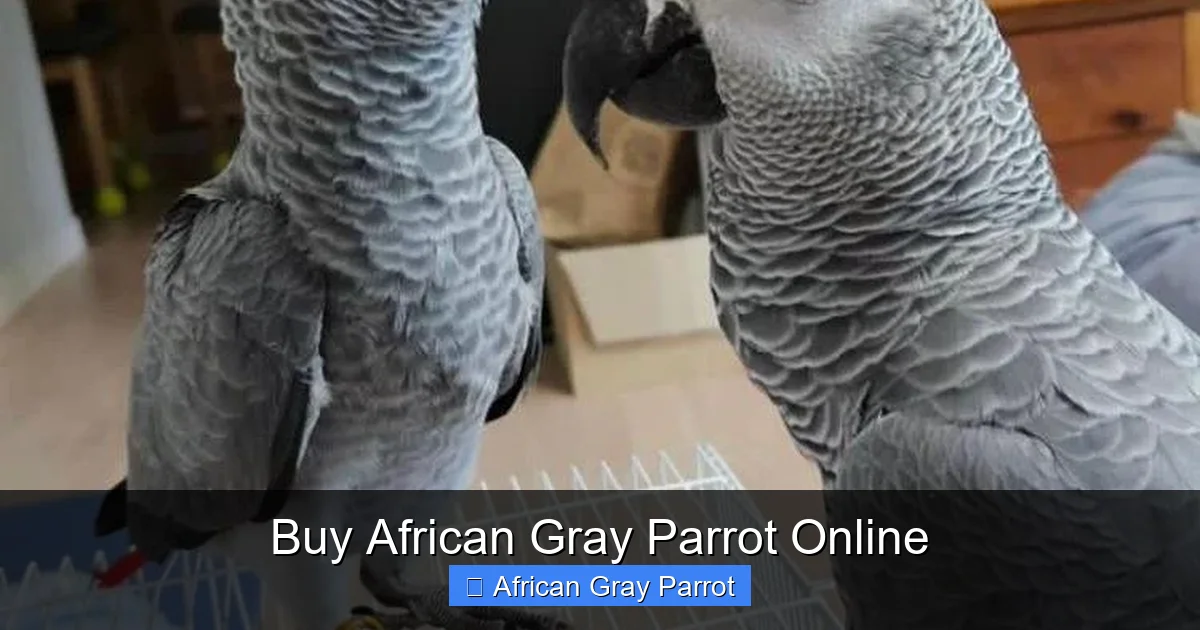
Buying an African Gray Parrot online requires careful research to ensure you get a healthy, legally sourced bird. This guide covers everything from finding reputable breeders to understanding permits, health checks, and long-term care costs.
Featured image for
Image source: exoticparrotpetstore.com
African Gray Parrots are among the most intelligent and sought-after pet birds in the world. Their remarkable talking ability and deep emotional bonds make them incredible companions. However, purchasing one online comes with serious responsibilities and risks. This guide answers the most common questions to help you make a safe, informed decision.
📑 Table of Contents
- Is It Legal to Buy an African Gray Parrot Online?
- How Do I Find a Reputable Online Breeder?
- What Health Guarantees Should I Expect?
- How Much Does an African Gray Parrot Cost?
- How Does Shipping Work for Live Birds?
- What Should I Prepare Before the Bird Arrives?
- What Are Red Flags When Buying Online?
- Can I Adopt Instead of Buying?
- Conclusion
Is It Legal to Buy an African Gray Parrot Online?
Yes, but strict regulations apply. African Gray Parrots are listed under CITES Appendix I, meaning international trade is heavily restricted. In the United States, you must comply with the Wild Bird Conservation Act and Endangered Species Act. Any legal sale requires proper documentation proving the bird was captive-bred, not wild-caught.
Always verify that the seller provides a CITES permit or equivalent captive-bred documentation. Reputable breeders will have these records ready. Never buy from sellers who cannot prove legal origin. Penalties for illegal trade include heavy fines and confiscation of the bird.
How Do I Find a Reputable Online Breeder?
Start by researching breeders with established websites, clear contact information, and transparent policies. Look for membership in organizations like the American Federation of Aviculture or Model Aviculture Program. These affiliations indicate adherence to ethical breeding standards.
Visual guide about
Image source: parrothaven.uk
Read reviews on independent platforms, not just testimonials on the breeder’s site. Ask for references from recent buyers. A trustworthy breeder will welcome questions about their facility, breeding practices, and bird health protocols. They should also offer a health guarantee and allow you to speak with their avian veterinarian.
What Health Guarantees Should I Expect?
A responsible seller provides a written health guarantee covering at least 7 to 14 days after delivery. This should include a requirement for a veterinary checkup within a specified timeframe. The breeder should also supply records of vaccinations, deworming, and any genetic testing performed.
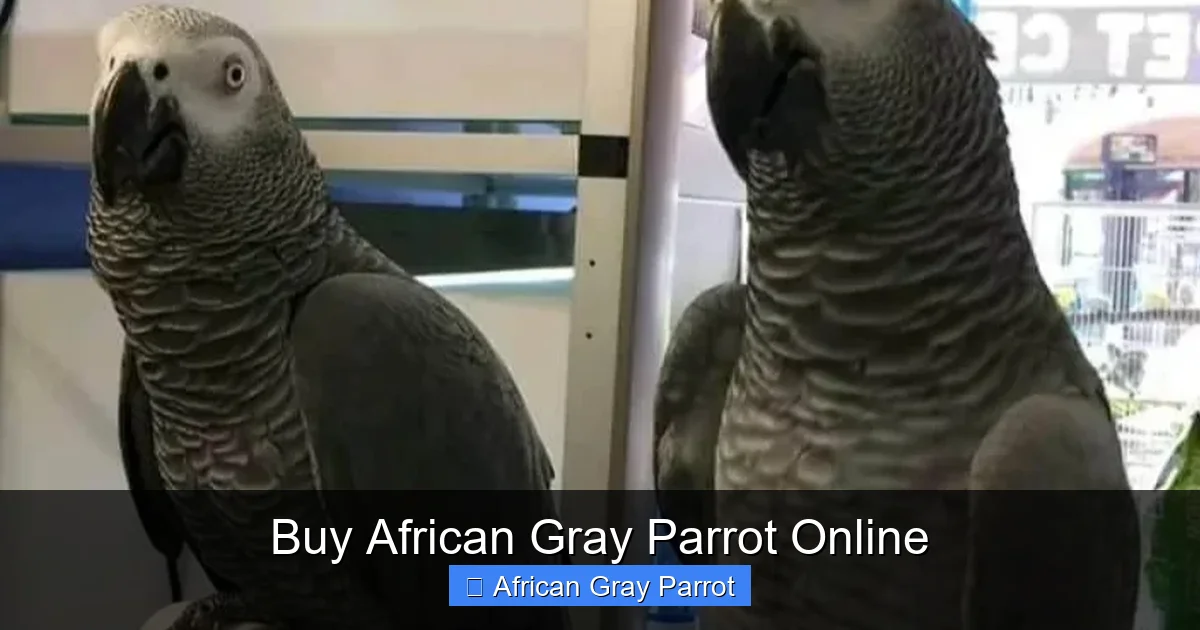
Ask for recent photos and videos of the specific bird you are buying. Request a live video call to observe the bird’s behavior, feather condition, and breathing. Healthy African Grays are alert, have smooth feathers, clear eyes, and clean vents. Avoid birds showing signs of lethargy, fluffed feathers, or discharge.
How Much Does an African Gray Parrot Cost?
Expect to pay between $2,000 and $4,500 for a hand-raised, weaned African Gray Parrot from a reputable breeder. Prices vary based on age, talking ability, and subspecies (Congo vs. Timneh). This cost does not include shipping, which can add $300 to $600 for safe, climate-controlled transport.
Budget for initial setup costs too. A proper cage costs $300 to $600. Toys, perches, food, and the first veterinary visit add another $200 to $400. Annual costs for food, toys, and routine vet care average $500 to $1,000. These birds live 40 to 60 years, so lifetime costs are significant.
How Does Shipping Work for Live Birds?
Professional breeders use specialized pet shipping services like Delta Dash or United PetSafe. Birds travel in climate-controlled, pressurized cargo holds — not as checked baggage. The breeder should provide a USDA-approved travel carrier with perches, food, and water sources.
Shipping is typically arranged for early morning or evening to avoid temperature extremes. You must be available to pick up the bird at the airport cargo facility within a short window after arrival. Have a carrier ready for transport home. Inspect the bird immediately upon receipt and contact the breeder and vet if any issues arise.
What Should I Prepare Before the Bird Arrives?
Set up the cage in a quiet, draft-free room away from kitchens and direct sunlight. Stock high-quality pellets, fresh vegetables, and safe toys. Remove any non-stick cookware, scented candles, and air fresheners — fumes from these can be fatal to parrots.
Schedule a wellness exam with an avian veterinarian within the first week. Locate an emergency vet who treats birds. Bird-proof your home: cover windows, secure ceiling fans, and remove toxic plants. Plan for daily interaction time — African Grays need several hours of mental stimulation and social contact to thrive.
What Are Red Flags When Buying Online?
- Prices significantly below market rate
- No health guarantee or veterinary records
- Pressure to pay via wire transfer, gift cards, or cryptocurrency
- Refusal to provide live video of the actual bird
- Claims of “hand-fed” but bird is unweaned or too young
- No CITES or captive-bred documentation
- Seller located overseas without proper import permits
Trust your instincts. If something feels off, walk away. Scams targeting parrot buyers are common. Legitimate breeders prioritize bird welfare over quick sales.
Can I Adopt Instead of Buying?
Absolutely. Many African Grays end up in rescues due to owner life changes, not behavioral issues. Organizations like Mickaboo Companion Bird Rescue and Phoenix Landing adopt out vetted, healthy birds. Adoption fees range from $500 to $1,500 and often include cage, supplies, and medical history.
Adopted birds may need patience and training, but they can form deep bonds. Rescues provide support and behavior resources. This option saves a life and reduces demand for breeding. Check Petfinder or Adopt-a-Pet for African Grays near you.
Conclusion
Buying an African Gray Parrot online is possible, but it demands diligence. Verify legal compliance, breeder reputation, and bird health before committing. Prepare your home and budget for a decades-long commitment. Consider adoption as a compassionate alternative. With proper research and preparation, you can welcome a brilliant, loving companion into your life safely and ethically.