
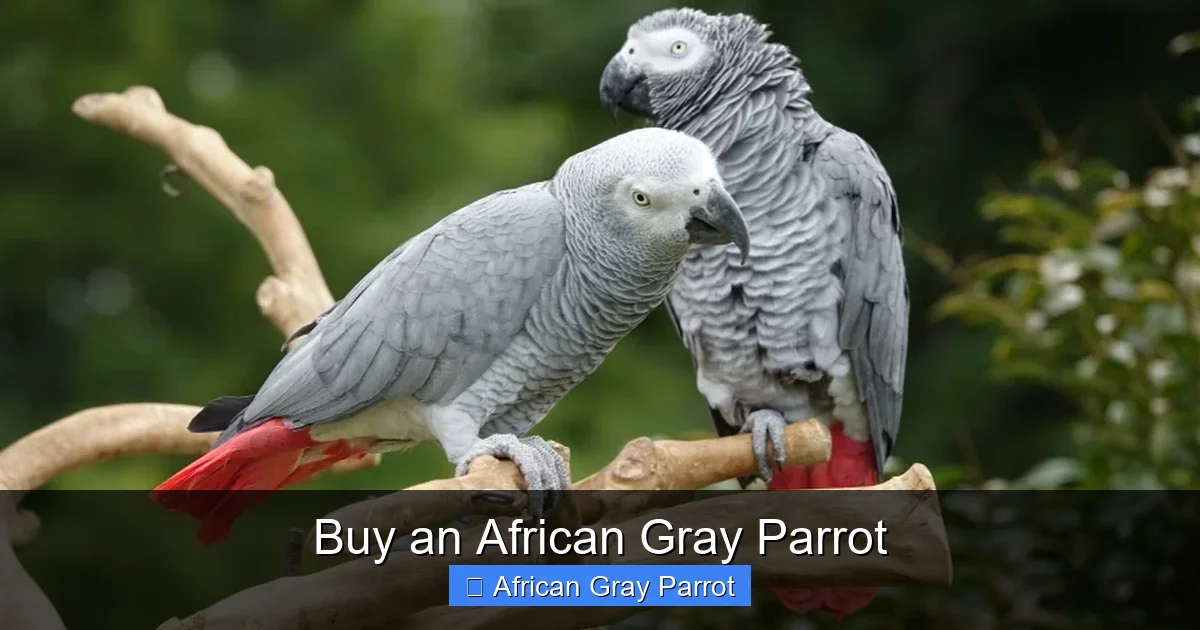
Buying an African Gray Parrot requires research, patience, and a long-term commitment. These intelligent birds can live 50 to 60 years and need daily mental stimulation. This guide covers costs, legal paperwork, health screening, and how to choose a trustworthy source.
Featured image for
Image source: aviculturehub.com.au
African Gray Parrots are among the most intelligent and talkative pet birds in the world. Their ability to mimic human speech and solve problems makes them highly sought after. However, they are not beginner pets. They demand time, money, and emotional investment. Before you bring one home, you need to understand the full picture.
📑 Table of Contents
- Where Can I Buy an African Gray Parrot?
- How Much Does an African Gray Parrot Cost?
- What Legal Paperwork Do I Need?
- How Do I Know the Bird Is Healthy?
- What Should I Ask the Breeder or Rescue?
- How Do I Prepare My Home?
- Is an African Gray Parrot Right for Me?
- What Are Common Mistakes to Avoid?
- Conclusion
Where Can I Buy an African Gray Parrot?
You have three main options: licensed breeders, avian rescues, and specialized pet stores. Licensed breeders often provide health guarantees, genetic history, and hand-raised babies that bond easily. Rescues offer adult birds that need second chances; these parrots may have behavioral quirks but can become loving companions with patience. Pet stores vary in quality. Always visit in person. Check for clean cages, active birds, and knowledgeable staff.
Avoid online classifieds, social media marketplace posts, or anyone shipping a bird without a health certificate. These sources often sell wild-caught or sick birds. Illegal trade harms wild populations and puts you at legal risk.
How Much Does an African Gray Parrot Cost?
Expect to pay $2,000 to $4,000 for a hand-raised baby from a reputable breeder. Congo African Grays typically cost more than Timnehs. Rescues charge adoption fees of $500 to $1,500, which usually include vet checks and basic supplies. The purchase price is only the start. Budget for a large cage ($300 to $800), toys ($50 to $100 per month), high-quality pellets and fresh food ($50 to $80 monthly), and annual avian vet exams ($150 to $300). Emergency care can run into thousands.
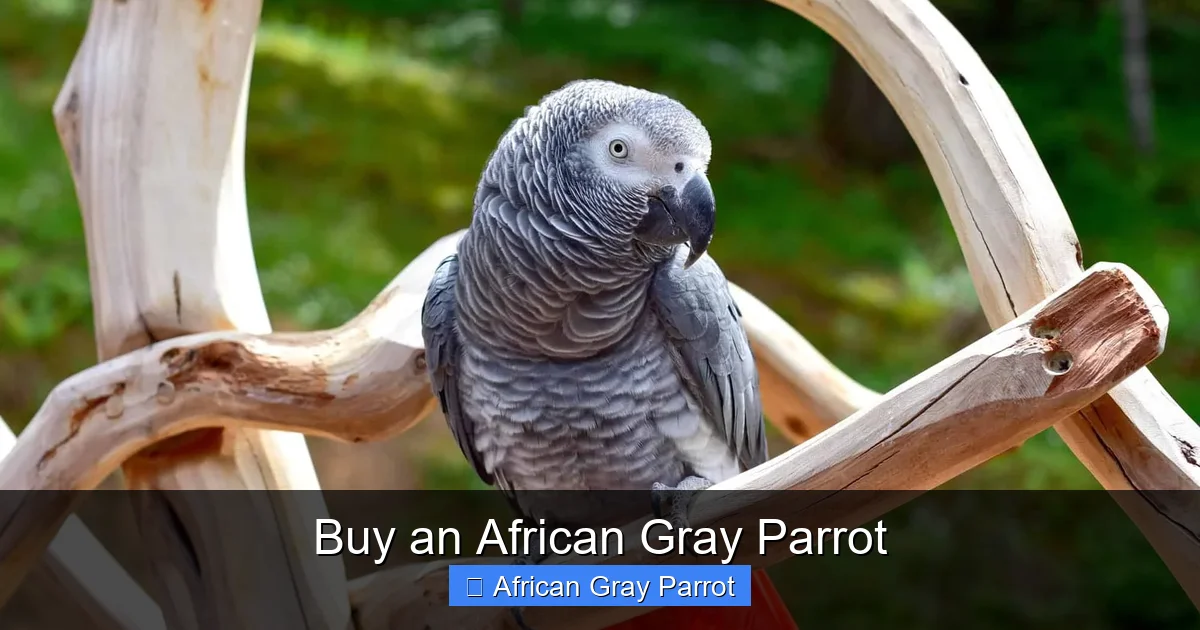
Visual guide about
Image source: bubblypet.com
What Legal Paperwork Do I Need?
African Gray Parrots are listed under CITES Appendix I. International trade is banned. Domestic sales require proof of legal origin. In the U.S., ask for a Captive-Bred Wildlife (CBW) permit or a breeder’s documentation showing the bird was hatched in captivity. Some states and cities require additional permits or ban ownership entirely. Check your local Fish and Wildlife office and municipal codes before you commit. Never buy a bird without paperwork. You could face fines, confiscation, or criminal charges.
How Do I Know the Bird Is Healthy?
Request a recent avian veterinary health certificate. The exam should include a physical check, fecal gram stain, blood work (CBC and chemistry), and testing for Psittacine Beak and Feather Disease (PBFD), Polyomavirus, and Chlamydia. Watch the bird in person. Healthy signs: bright eyes, smooth feathers, alert posture, strong grip, and curiosity. Red flags: fluffed feathers, tail bobbing, discharge from eyes or nares, sneezing, or sitting on the cage floor. Ask the seller for a 72-hour vet check contingency. A reputable source will agree.
What Should I Ask the Breeder or Rescue?
- Can I see the parents or the breeding facility?
- What diet has the bird been raised on?
- Has the bird been socialized with people, other birds, and household noises?
- What is the hatch date and band number?
- Do you offer a health guarantee or return policy?
- Will you provide mentorship after the sale?
Good breeders welcome questions. They want their birds in the right homes. Rescues will be honest about behavior history. If a seller avoids answers or pressures you, walk away.
How Do I Prepare My Home?
Set up the cage before the bird arrives. Choose a powder-coated or stainless steel cage at least 36 x 24 x 48 inches. Place it in a social area away from drafts, direct sun, and kitchen fumes. Stock perches of varying diameters and textures. Provide foraging toys, shreddable items, and puzzle feeders. Remove non-stick cookware, scented candles, air fresheners, and smoke sources. These release toxins fatal to parrots. Bird-proof windows, ceiling fans, and open doors. Have an avian vet lined up for a wellness visit within the first week.
Is an African Gray Parrot Right for Me?
Ask yourself: Can I spend 3 to 5 hours daily interacting with my bird? Can I handle loud vocalizations, including screams and mimicry of alarms or phones? Am I ready for a 50-year commitment that may outlive me? Do I have a plan for care during travel, illness, or life changes? If you hesitate on any answer, consider volunteering at a rescue first. Experience helps you decide. Many surrendered Grays come from owners who underestimated the demand.
What Are Common Mistakes to Avoid?
Buying on impulse at a bird fair or pet store without research. Choosing price over source quality. Skipping the vet check. Feeding a seed-only diet. Clipping wings without training recall. Ignoring early signs of feather plucking or aggression. Expecting a “talking” guarantee; not all Grays talk. Treating the bird like a decoration instead of a sentient partner. These mistakes lead to suffering and surrender.
Conclusion
To buy an African Gray Parrot responsibly, you need knowledge, preparation, and honesty about your lifestyle. Choose a legal, ethical source. Verify health and paperwork. Prepare your home and budget for decades of care. These birds reward dedication with deep bonds, humor, and astonishing intelligence. But they deserve owners who respect their complexity. Do the work first. The right match changes two lives for the better.