
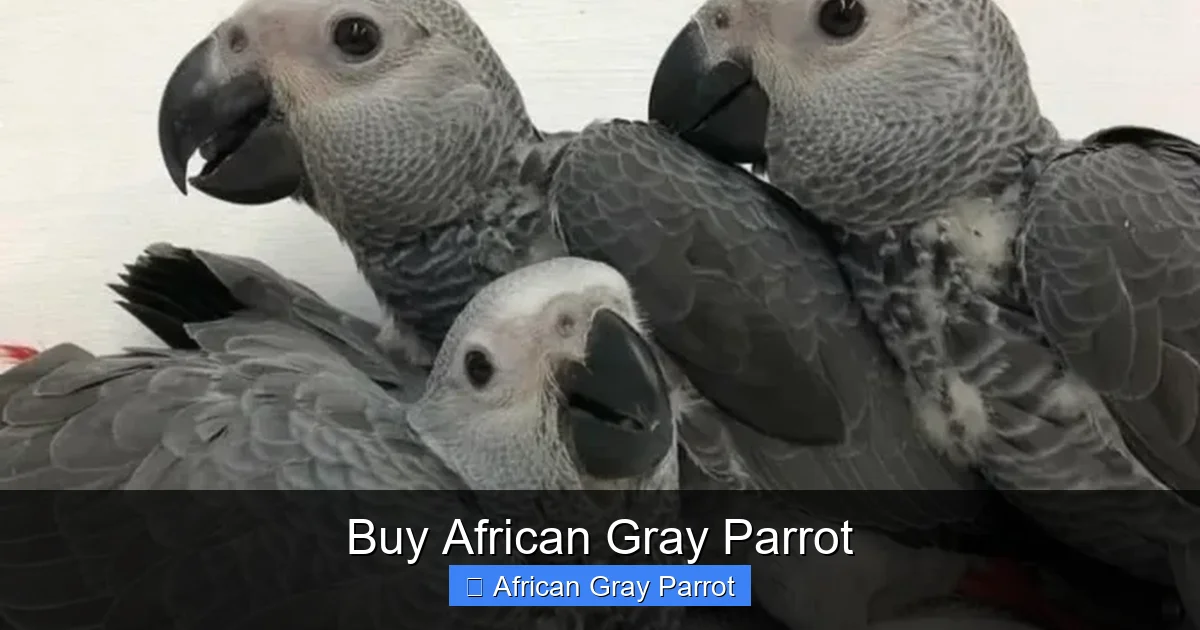
African Gray Parrots are intelligent, long-lived companions requiring significant commitment. Expect to invest $1,500 to $4,000 upfront plus ongoing costs for diet, vet care, and enrichment. Always choose a reputable breeder or rescue to ensure a healthy, well-socialized bird.
Featured image for
Image source: parrothaven.uk
Buying an African Gray Parrot is a major decision. These birds live 40 to 60 years. They need daily interaction, mental stimulation, and specialized care. This guide answers the most common questions so you can make an informed choice.
📑 Table of Contents
- How Much Does an African Gray Parrot Cost?
- Where Should I Buy an African Gray Parrot?
- What Health Checks Are Essential Before Buying?
- What Are the Daily Care Requirements?
- How Do I Prepare My Home for an African Gray?
- What Behavioral Challenges Should I Expect?
- Is an African Gray Parrot Right for Me?
- Conclusion
How Much Does an African Gray Parrot Cost?
The purchase price ranges from $1,500 to $4,000. Congo African Grays typically cost more than Timnehs. Hand-raised, weaned babies from reputable breeders sit at the higher end. Older birds or rescues may cost less.
Factor in setup costs. A large cage runs $300 to $800. Toys, perches, and foraging items add $200 to $400 initially. First vet visit with bloodwork costs $150 to $300. Budget $3,000 to $5,000 for the first year total.
Where Should I Buy an African Gray Parrot?
Reputable Breeders
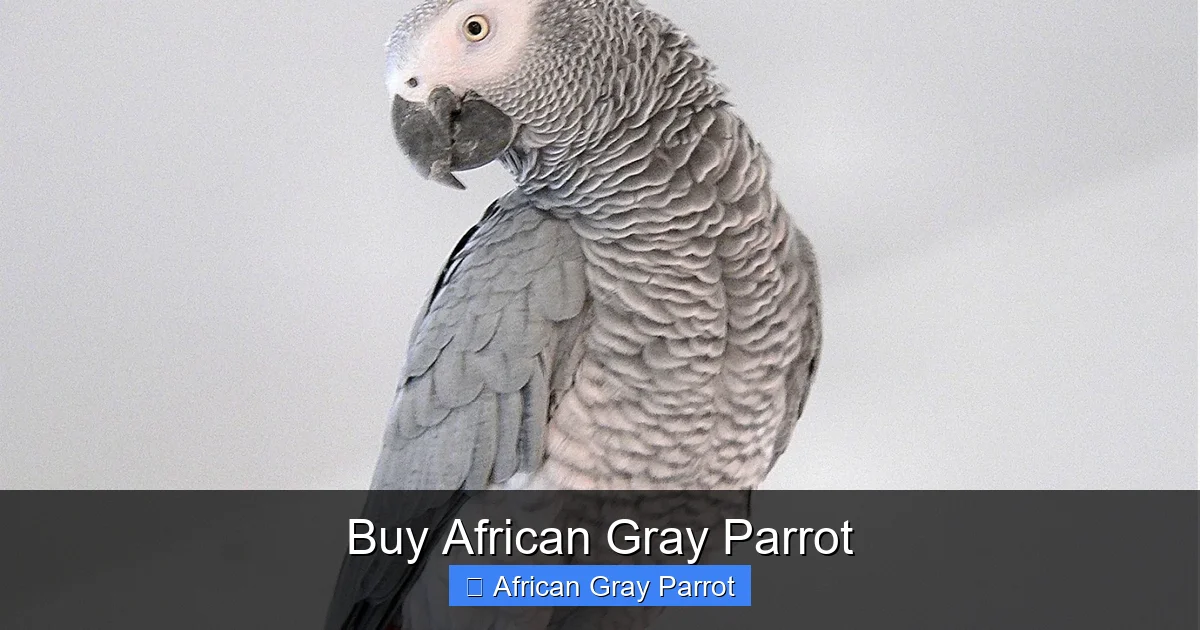
Choose breeders who specialize in African Grays. They should let you visit their facility. Birds should be raised in clean, spacious conditions. Ask to see the parents. Good breeders provide health guarantees, hatch certificates, and diet records.
Visual guide about
Image source: 2.bp.blogspot.com
Avian Rescues and Sanctuaries
Many Grays need homes due to owner life changes. Rescues screen adopters carefully. You get a bird with known personality and health history. Adoption fees range $500 to $1,500. This often includes vet checks and starter supplies.
Avoid Pet Stores and Online Classifieds
Pet store birds often come from mass-breeding operations. They may lack socialization. Online scams are common. Never buy a bird you cannot see in person or have shipped without verified references.
What Health Checks Are Essential Before Buying?
Require a pre-purchase veterinary exam by an avian specialist. This includes a physical exam, blood panel (CBC and chemistry), and testing for Psittacine Beak and Feather Disease (PBFD), Polyomavirus, and Chlamydia. Fecal parasite checks are standard.
Ask for written results. A healthy bird has bright eyes, smooth feathers, clean nares, and good body condition. The keel bone should feel muscled, not sharp. Watch for tail bobbing, wheezing, or discharge.
What Are the Daily Care Requirements?
African Grays need 3 to 4 hours of direct interaction daily. They are not cage ornaments. Out-of-cage time on play stands is essential. Rotate toys weekly to prevent boredom. Foraging toys mimic natural feeding behavior.
Diet is critical. Base diet: high-quality pellets (60 to 70 percent). Fresh vegetables daily. Limited fruit. Healthy nuts as treats. No avocado, chocolate, caffeine, alcohol, or salt. Fresh water changed twice daily.
Sleep needs: 10 to 12 hours in a dark, quiet room. Cover the cage or use a sleep cage. Consistent schedule prevents hormonal issues and screaming.
How Do I Prepare My Home for an African Gray?
Bird-proof the space. Remove Teflon cookware — fumes kill birds. Secure ceiling fans. Cover windows initially. Hide electrical cords. Remove toxic plants. No candles, air fresheners, or smoke.
Place the cage in a social area against a wall. Not in direct drafts or sunlight. Kitchen is unsafe due to fumes. Bedroom may disturb your sleep. Living room or family room works best.
Set up a separate play stand. Provide multiple perch types: natural wood, rope, cement for nails. Include a shower perch for bathing. Grays love misting or shallow water dishes.
What Behavioral Challenges Should I Expect?
Feather plucking signals stress, boredom, or medical issues. Address immediately with vet and behaviorist. Screaming is communication. Ignore noise, reward quiet. Never yell back.
Biting often stems from fear or overstimulation. Learn body language: pinned eyes, flared tail, raised feathers mean “back off.” Respect boundaries. Train using positive reinforcement only.
One-person bonding is common. Socialize with all household members early. Have others feed, train, and play with the bird. Prevent mate aggression during hormonal seasons (spring).
Is an African Gray Parrot Right for Me?
Ask yourself honestly: Can I commit 50+ years? Do I have 3+ hours daily for interaction? Can I afford $2,000+ annually for care? Is my household stable? Will the bird outlive me — who takes over?
Grays suit experienced bird owners or dedicated beginners who research thoroughly. They are not good for apartments with thin walls. They are not good for frequent travelers. They thrive on routine.
Consider fostering first. Volunteer at a rescue. Spend time with adult Grays. This reveals the reality beyond the talking videos.
Conclusion
Buying an African Gray Parrot means welcoming a complex, sensitive, long-lived family member. The upfront cost is just the beginning. Daily interaction, proper diet, avian vet care, and mental enrichment are non-negotiable. Choose a reputable breeder or adopt from rescue. Prepare your home thoroughly. Commit to the journey. Done right, you gain an extraordinary companion for decades.