
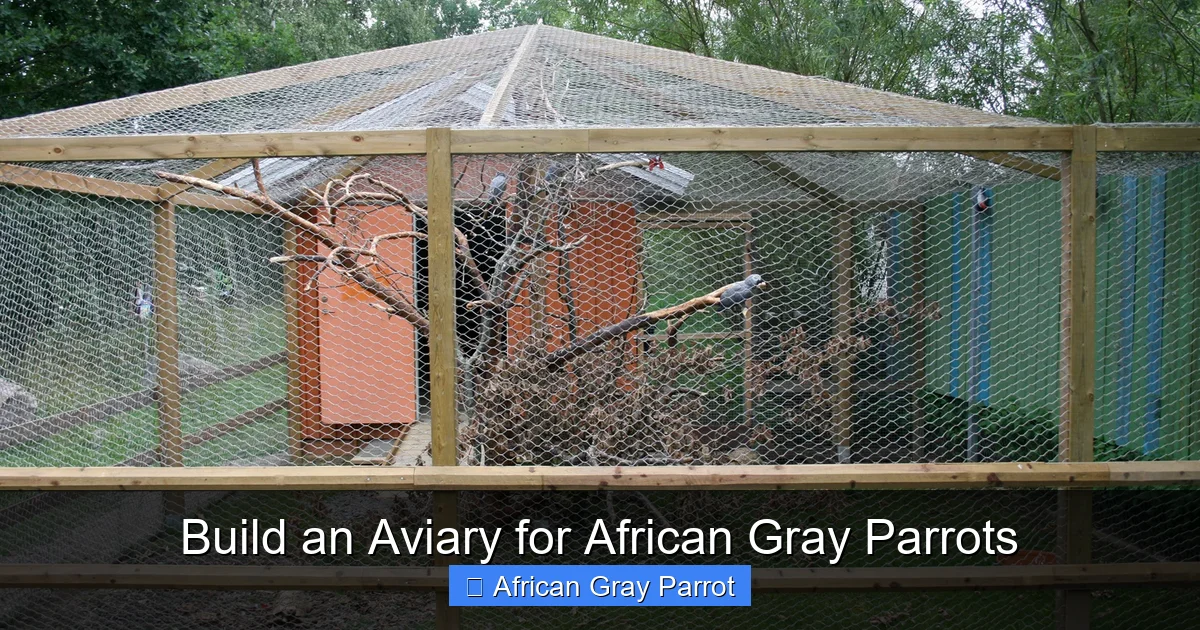
Building an aviary for African Gray Parrots requires careful planning for size, safety, and enrichment. This guide covers essential dimensions, bird-safe materials, and must-have features to create a thriving home for your intelligent companion.
Featured image for
Image source: zoochat.com
African Gray Parrots are brilliant, sensitive birds that need space to fly, explore, and play. A well-built aviary gives them the freedom they crave while keeping them safe. This guide answers your top questions about designing and building the perfect aviary for your feathered friend.
📑 Table of Contents
- What Size Aviary Does an African Gray Parrot Need?
- Which Materials Are Safe and Durable?
- How Do I Predator-Proof the Aviary?
- What Enrichment Features Are Essential?
- How Do I Manage Temperature and Weather?
- What Maintenance Does an Aviary Require?
- Can I Build It Myself or Should I Hire a Pro?
- Final Thoughts on Building Your Parrot’s Paradise
What Size Aviary Does an African Gray Parrot Need?
African Grays need room to stretch their wings and fly short distances. The minimum recommended size for a single bird is 6 feet long, 4 feet wide, and 6 feet high. Bigger is always better. If you have a pair, double the length to at least 12 feet.
Height matters as much as floor space. These parrots love to climb. A tall aviary lets them use vertical space with ropes, ladders, and perches at different levels. Aim for at least 6 feet of height so you can walk inside for cleaning and interaction.
Consider your available space. An outdoor aviary works well in mild climates. Indoor aviaries need good ventilation and natural light. Either way, the footprint should allow at least two full wing spans in width.
Which Materials Are Safe and Durable?
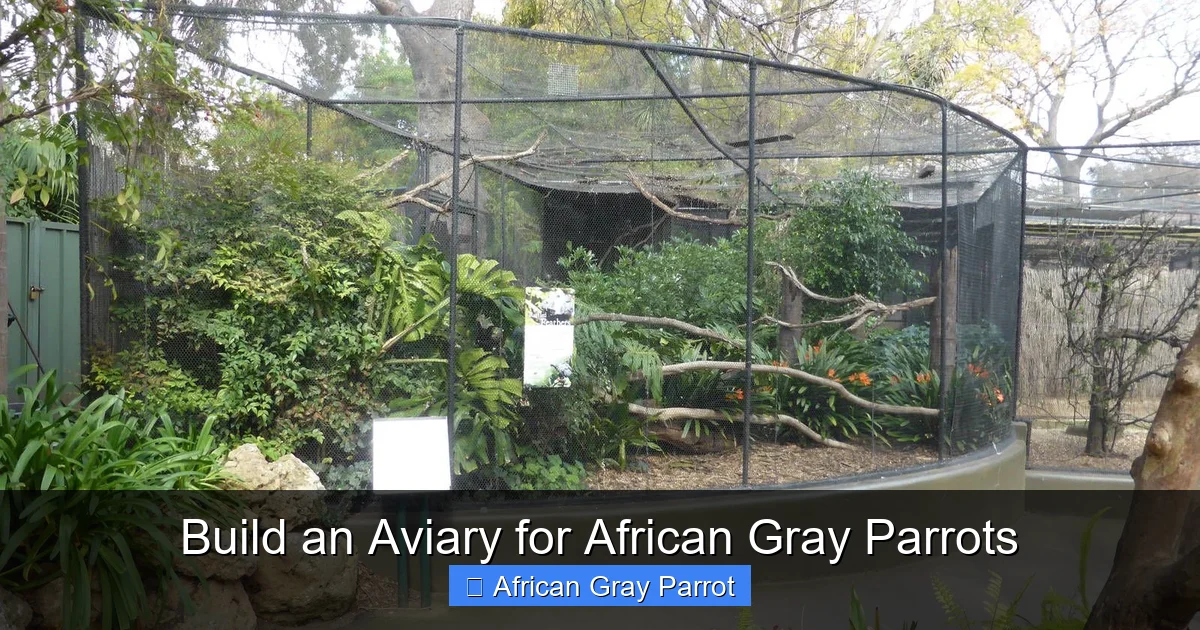
Wire mesh is the backbone of any aviary. Use stainless steel or powder-coated galvanized wire with 1-inch by 1-inch openings. Avoid hardware cloth — it rusts fast and can cause zinc toxicity if chewed. Stainless steel costs more but lasts decades.
Visual guide about
Image source: i.pinimg.com
Frame the structure with aluminum or powder-coated steel. Wood frames look nice but harbor bacteria and get destroyed by strong beaks. If you use wood for perches only, choose hardwoods like manzanita, dragonwood, or java wood. Never use pressure-treated lumber, cedar, or redwood — the oils and chemicals are toxic.
Flooring needs to be easy to clean. Concrete with a textured finish works well outdoors. Indoors, use rubber stall mats over sealed plywood. Add a layer of newspaper or paper pellets for daily waste collection. Avoid sand, gravel, or wood chips — they hide bacteria and cause impaction if eaten.
How Do I Predator-Proof the Aviary?
Predators are a serious threat. Rats, raccoons, hawks, and neighborhood cats can harm or kill your parrot. Use 1/2-inch hardware cloth buried 12 inches deep around the perimeter to stop digging animals. Cover the top completely with the same 1-inch mesh used on walls.
Secure all doors with double latches. Parrots are escape artists. Add a safety porch — a small enclosed entry area — so birds can’t dart out when you enter. Locks should be padlock-compatible for nighttime security.
Check for gaps daily. A determined raccoon can reach through 1-inch mesh. Add a solid kick plate 2 feet high on the outside bottom edge. This blocks paws and prevents birds from climbing down to ground level where predators wait.
What Enrichment Features Are Essential?
An empty aviary is a boring prison. African Grays need mental stimulation. Install multiple perches of varying diameters and textures. Natural branches with bark intact are best. Place them at different heights and angles to encourage movement.
Add a bathing station. A shallow concrete basin or large plant saucer works. Position it away from perches so droppings don’t foul the water. Mist systems on timers provide humidity and encourage preening.
Rotate toys weekly. Include foraging toys, puzzle feeders, shreddable items, and foot toys. Hang a few from the ceiling mesh. Provide a covered sleeping area — a wooden nest box or fabric tent — for security and darkness at night.
How Do I Manage Temperature and Weather?
African Grays thrive between 65 and 80 degrees Fahrenheit. They tolerate brief dips to 50 degrees if acclimated slowly. In hot climates, provide full shade and misting. In cold areas, you need a heated indoor section or a fully enclosed, insulated shelter with a safe ceramic heater.
Roof the aviary with clear polycarbonate panels over at least half the top. This keeps rain off while letting light through. Slope the roof for drainage. Install gutters to direct water away from the foundation.
Wind breaks matter. Solid panels on the prevailing wind side reduce stress. Plant non-toxic shrubs outside the mesh for extra shelter and visual barriers. Never use heat lamps — they cause fires and burn curious beaks.
What Maintenance Does an Aviary Require?
Daily tasks take 15 minutes. Change water, remove soiled paper, wipe perches, and check for damage. Spot-clean messes immediately. Weekly, scrub perches with vinegar solution, rotate toys, and inspect mesh for broken wires.
Monthly deep clean: pressure wash concrete, disinfect surfaces with avian-safe cleaner like F10, and check all bolts and latches. Trim any vegetation touching the mesh. Test the safety porch door alignment.
Annually, inspect the foundation for settling. Repaint powder-coated surfaces if chipped. Replace worn perches. Check buried barrier mesh by digging a test spot. Keep a maintenance log — it helps spot patterns and proves due diligence if issues arise.
Can I Build It Myself or Should I Hire a Pro?
Handy owners can build a basic aviary in a weekend with two people. You need a drill, level, measuring tape, wire cutters, and a come-along for tensioning mesh. Pre-cut kits simplify the process. Budget $2,000 to $5,000 for materials depending on size and mesh choice.
Hire a pro if you lack tools, time, or confidence. Custom builds run $8,000 to $20,000+. Get references from other bird owners. Ensure the contractor understands parrot safety — no toxic materials, proper mesh gauge, no sharp edges.
Permits may be required. Check local zoning for structure size, setbacks, and noise ordinances. Some HOAs prohibit outdoor aviaries. An indoor conversion avoids most permits but needs HVAC upgrades for air quality.
Final Thoughts on Building Your Parrot’s Paradise
Building an aviary for African Gray Parrots is a labor of love that pays off in a healthier, happier bird. Prioritize space, safety, and stimulation. Use stainless steel mesh, non-toxic materials, and predator-proof construction. Add rich enrichment and plan for easy maintenance.
Your African Gray will spend years in this space. Every extra foot of flight room, every natural perch, every foraging opportunity improves their quality of life. Start with the largest footprint you can manage. You’ll never regret building too big — only too small.