
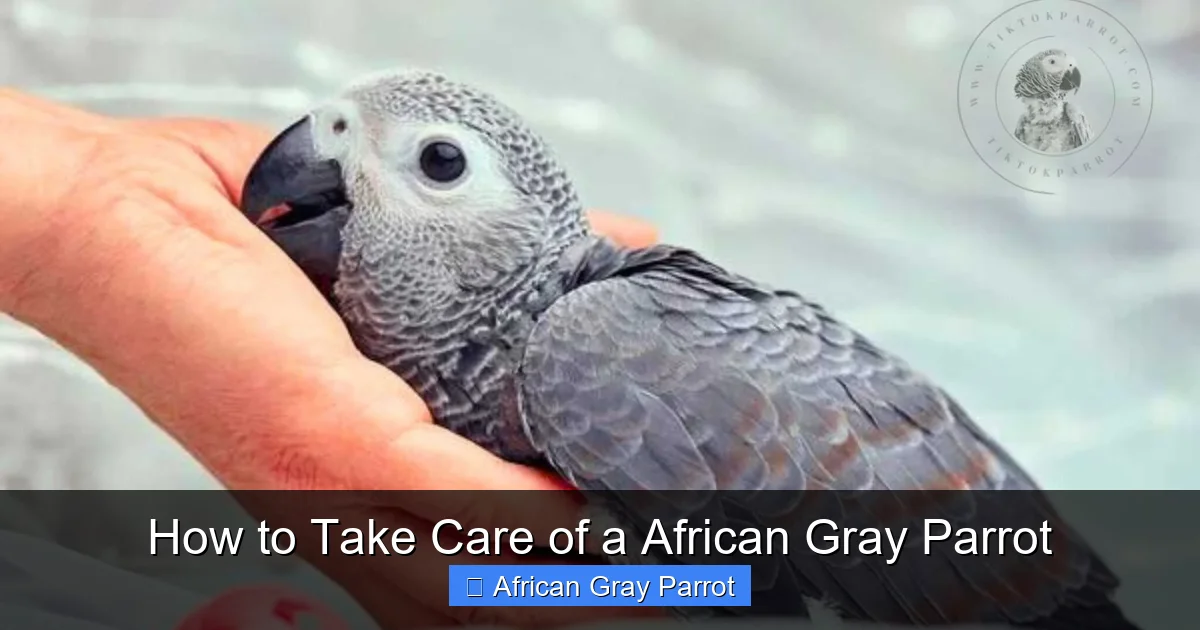
African gray parrots are intelligent, social birds that need a spacious cage, a varied diet, daily interaction, and regular vet care. Providing mental stimulation and a safe environment helps prevent behavior problems and keeps your feathered friend thriving.
Key Takeaways
- Choose a large cage: Minimum 36 inches wide with bar spacing no larger than ¾ inch.
- Feed a balanced diet: High‑quality pellets, fresh vegetables, fruits, and clean water daily.
- Spend time each day: At least two hours of supervised interaction and training.
- Schedule vet visits: Annual check‑ups and immediate care for any sign of illness.
- Provide enrichment: Rotate toys, foraging puzzles, and safe chewing materials.
- Monitor behavior: Watch for biting, screaming, or feather plucking and address causes early.
- Keep the environment stable: Consistent temperature, humidity, and a natural light cycle.
Getting Started with Your African Gray Parrot
Welcome to the complete guide on how to care for an african gray parrot. This article walks you through every step from choosing a cage to keeping your bird mentally sharp. By the end you will know the daily routine, the best foods, the health signs to watch, and the enrichment ideas that make a happy home for your feathered companion.
Step 1: Choosing the Right Cage
The cage is the foundation of your african gray parrot’s life. A small cage leads to stress and health issues. Follow these guidelines to pick the best home.
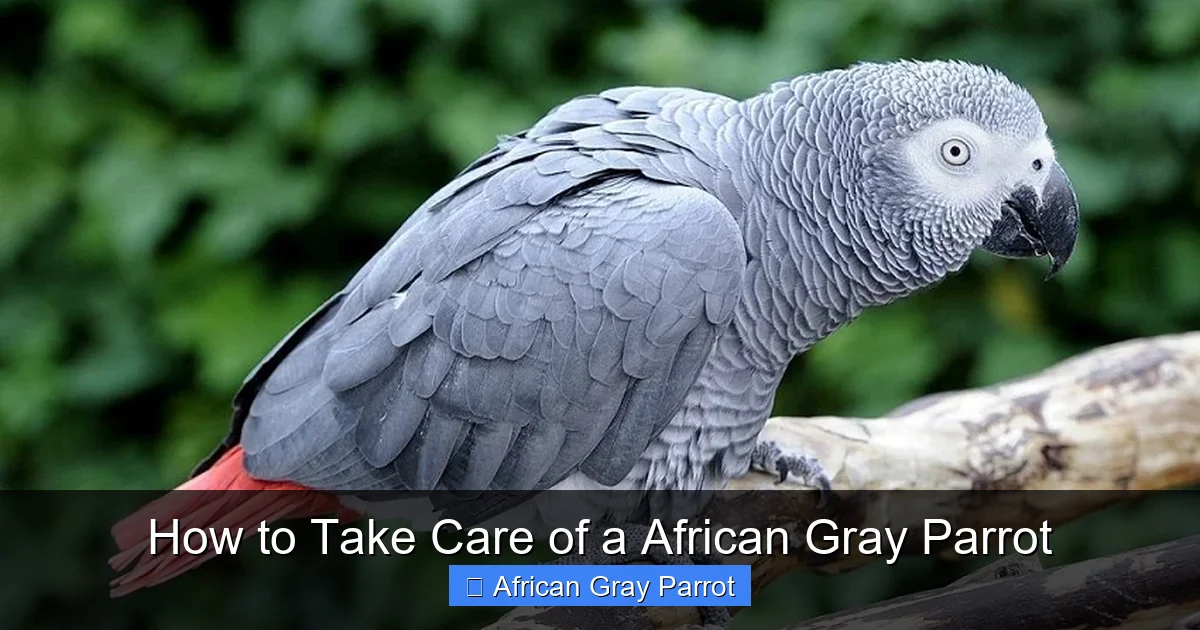
Visual guide about How to Take Care of a African Gray Parrot
Image source: singing-wings-aviary.com
Size Matters
Select a cage at least 36 inches wide, 24 inches deep, and 48 inches tall. Bigger is always better. Your african gray parrot needs room to stretch wings and climb.
Bar Spacing
Bar spacing should not exceed three‑quarters of an inch. Wider gaps let the bird escape or get stuck. Check the spacing before you buy.
Material and Finish
Stainless steel or powder‑coated wrought iron are safe choices. Avoid painted cages with lead‑based paint. A non‑toxic finish protects your african gray parrot from poisoning.
Access Doors and Locks
Look for a large front door and a secure lock. You will open the door often for cleaning and interaction. A sturdy lock prevents accidental escapes.
Step 2: Setting Up the Environment
A well‑designed environment keeps your african gray parrot active and content. Arrange the interior before the bird arrives.

Visual guide about How to Take Care of a African Gray Parrot
Image source: i.ytimg.com
Perches of Different Diameters
Provide at least three natural wood perches of varying thickness. Different diameters exercise foot muscles and prevent pressure sores. Replace perches when they become smooth.
Toys for Mental Stimulation
Offer a mix of chew toys, puzzle toys, and foraging toys. Rotate toys weekly to keep interest high. Your african gray parrot loves to solve problems and shred safe materials.
Lighting and Day‑Night Cycle
Place the cage near a window with indirect sunlight. Use a full‑spectrum bird lamp for 10‑12 hours of light each day. Cover the cage at night to mimic a natural dark period.
Temperature and Humidity
Maintain a room temperature between 68 and 78 degrees Fahrenheit. Keep humidity around 50 percent. Sudden drafts or extreme heat stress the african gray parrot.
Step 3: Nutrition and Feeding
Proper nutrition fuels the brain and body of your african gray parrot. A varied diet prevents deficiencies and boredom.
Base Pellet Diet
Choose a high‑quality pellet formulated for large parrots. Pellets should make up 60‑70 percent of the daily intake. Avoid seed‑only mixes; they lack essential nutrients.
Fresh Vegetables and Fruits
Offer a colorful assortment each day. Dark leafy greens, carrots, bell peppers, and berries are excellent. Wash all produce thoroughly and remove uneaten pieces after a few hours.
Healthy Treats
Use nuts, seeds, or small pieces of whole grain bread as training rewards. Limit treats to 10 percent of the diet to avoid obesity.
Clean Water
Provide fresh water in a stainless‑steel bowl. Change water twice daily and clean the bowl to stop bacterial growth.
Step 4: Social Interaction and Training
African gray parrots are highly social. Daily interaction builds trust and prevents behavioral problems.
Daily Time Out of Cage
Allow at least two hours of supervised out‑of‑cage time each day. Use a play gym or a bird‑safe room. This freedom encourages exercise and exploration.
Positive Reinforcement Training
Reward desired actions with a favorite treat or praise. Keep sessions short, five to ten minutes, and end on a high note. Consistency teaches your african gray parrot words, tricks, and good manners.
Speech and Mimicry
Talk to your bird throughout the day. Repeat simple phrases clearly. Over time the african gray parrot will mimic words and sounds, strengthening the bond.
Step 5: Health Care and Vet Visits
Regular health monitoring catches problems early. A qualified avian veterinarian is essential.
Annual Wellness Exam
Schedule a check‑up once a year. The vet will weigh the bird, examine feathers, beak, and nails, and run blood work if needed.
Signs of Illness
Watch for changes in appetite, droppings, breathing, or feather condition. Lethargy, sneezing, or a fluffed appearance mean a vet visit is urgent.
Grooming Basics
Trim nails and beak only if they become overgrown. Provide a cuttlebone or mineral block for natural wear. Bathing with a shallow dish or misting keeps feathers clean.
Step 6: Mental Stimulation and Enrichment
A bored african gray parrot develops destructive habits. Enrichment keeps the mind sharp and the bird happy.
Foraging Activities
Hide pellets or treats inside paper rolls, cardboard boxes, or commercial foraging toys. The bird works to retrieve food, mimicking natural behavior.
Puzzle Toys
Use toys that require sliding, lifting, or turning to release a reward. Increase difficulty as the bird masters each level.
Rotate and Refresh
Swap toys every week. Introduce new textures, colors, and shapes. Novelty prevents habituation and encourages exploration.
Troubleshooting Common Issues
Even with perfect care, challenges can arise. Here are quick fixes for the most frequent problems.
Biting
Identify the trigger. Fear, hormonal changes, or lack of sleep often cause bites. Give the bird space, then resume calm interaction. Never punish; it worsens trust.
Excessive Screaming
Check for boredom, loneliness, or environmental noise. Increase out‑of‑cage time, add new toys, and ensure a consistent routine. Reward quiet moments with attention.
Feather Plucking
Rule out medical causes first. Stress, poor diet, or lack of enrichment are common culprits. Improve diet, add foraging, and consult an avian vet for a behavior plan.
Conclusion
Caring for an african gray parrot is a rewarding journey that demands time, patience, and knowledge. By providing a spacious cage, a balanced diet, daily social interaction, regular veterinary care, and continuous mental enrichment, you give your bird the best chance for a long, vibrant life. Remember that each african gray parrot has a unique personality; observe, adapt, and enjoy the remarkable bond you will share.