

Discover the most reliable methods to determine the sex of an African Gray Parrot. This guide covers DNA testing, visual differences, and behavioral signs so you can confidently identify male or female birds.
Key Takeaways
- DNA testing is the gold standard: It provides 99.9% accuracy for sex determination.
- Visual cues can help but are not definitive: Size, head shape, and feather color vary between sexes.
- Behavioral clues add context: Males often sing more and show courtship displays.
- Surgical sexing is rarely needed: It is invasive and reserved for special cases.
- Proper sample collection avoids errors: Clean feathers or blood give the best DNA results.
- Combine methods for confidence: Use DNA plus visual and behavioral checks.
- Consult an avian veterinarian for guidance: Professional advice reduces stress on the bird.
Introduction: Why Knowing the Sex Matters
When you ask how to sex an african gray parrot, the answer influences breeding plans, health monitoring, and behavior management. Male and female birds can show different nutritional needs, vocal patterns, and territorial instincts. Knowing the sex early helps you provide the right environment and avoid unwanted aggression. This guide walks you through every reliable method, from laboratory DNA tests to simple visual checks, so you can choose the approach that fits your situation and budget.
how to sex an african gray parrot: Overview of Methods
There are four main ways to determine the sex of an african gray parrot. The most accurate is DNA testing using a feather or blood sample. Visual inspection looks at size, head shape, beak dimensions, and feather coloration. Behavioral observation watches for courtship calls, nesting activity, and aggression levels. Surgical sexing, performed by a veterinarian, is an invasive option used only when other methods fail. Each method has pros and cons that we will explore in detail.
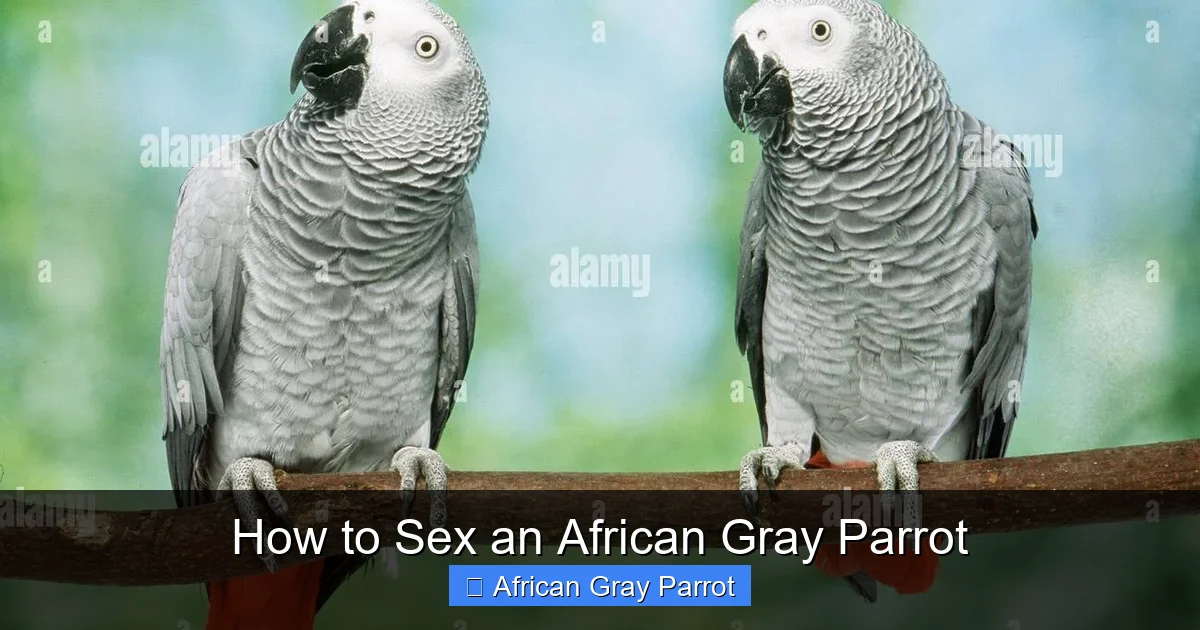
Visual guide about How to Sex an African Gray Parrot
Image source: c8.alamy.com
DNA Testing
DNA testing works by analyzing the bird’s chromosomes. A tiny piece of feather shaft or a drop of blood contains enough genetic material. Laboratories use PCR amplification to detect the sex‑specific gene. Results are usually returned within a week and are 99.9% accurate. This method works at any age, even on chicks still in the nest. The cost ranges from $30 to $60 per sample, making it affordable for most owners.
Visual Inspection
Visual sexing relies on subtle physical differences. Males tend to be slightly larger with a broader head and a more pronounced beak. Females often have a narrower skull and a softer feather sheen. The eye ring color can also differ; males may show a brighter orange ring while females display a paler hue. However, these traits overlap, so visual clues alone cannot guarantee a correct answer.
Behavioral Observation
Behavior offers additional hints. Male african gray parrots frequently sing complex songs and mimic sounds to attract mates. Females may spend more time exploring nesting sites and shredding paper. During the breeding season, males can become territorial and defend a chosen perch. These patterns are useful but can vary with individual personality and environment.
Surgical Sexing
Surgical sexing involves a minor endoscopic procedure under anesthesia. A veterinarian inserts a small camera to view the gonads directly. This method provides immediate, definitive results but carries surgical risks such as infection or stress. It is generally reserved for valuable breeding birds where absolute certainty is required and DNA testing is unavailable.
Step‑by‑Step Guide to DNA Testing
Collecting a Feather Sample
To begin how to sex an african gray parrot with DNA, pluck a single mature feather from the chest or wing. Wear clean gloves to avoid contamination. Place the feather in a paper envelope—plastic traps moisture and degrades DNA. Label the envelope with the bird’s name, date, and your contact information. Send the sample to a certified avian genetics lab as soon as possible.
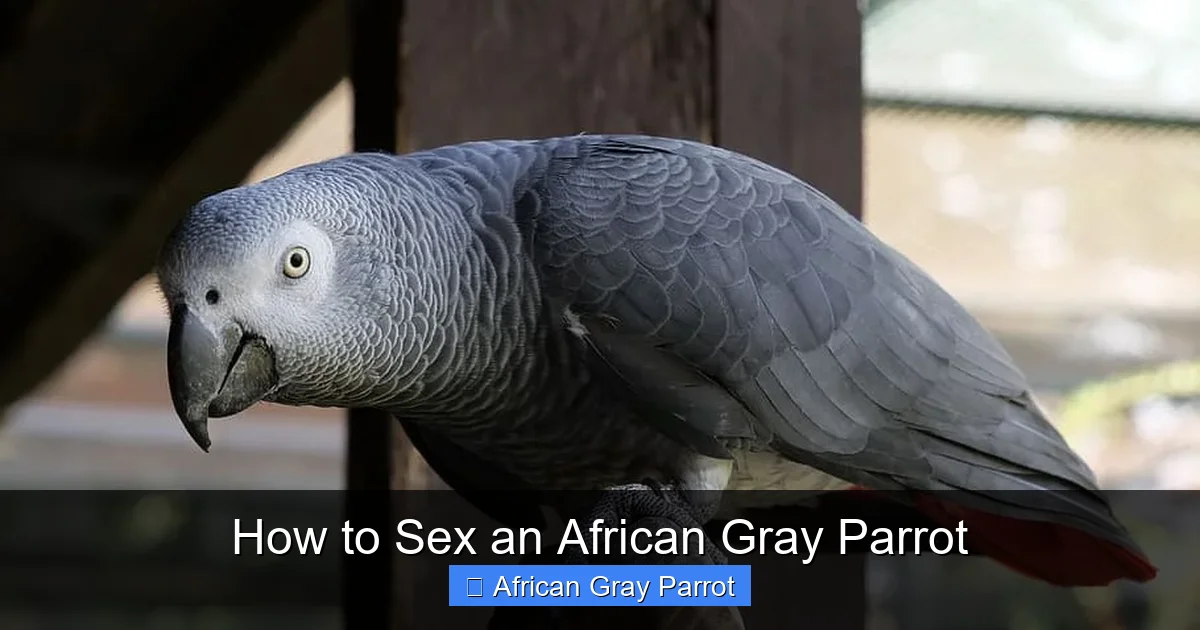
Visual guide about How to Sex an African Gray Parrot
Image source: pangovet.com
Choosing a Reputable Lab
Select a lab that specializes in avian sexing and offers a money‑back guarantee for inaccurate results. Look for accreditation from organizations like the American Association of Avian Veterinarians. Read reviews from other parrot owners and ask your veterinarian for recommendations. A good lab will provide clear instructions, a prepaid return envelope, and a secure online portal for results.
Interpreting the Results
The report will state “Male (ZZ)” or “Female (ZW)” based on the sex chromosomes. If the result reads “Inconclusive,” the sample may have been too small or degraded. In that case, collect a fresh feather or a tiny blood drop and resubmit. Keep the original report for your records and share it with your avian vet for any health planning.
Step‑by‑Step Guide to Visual Sexing
Size and Body Proportions
When you practice how to sex an african gray parrot visually, start by measuring the bird’s total length from beak tip to tail tip. Males typically exceed 33 centimeters, while females often fall just under that mark. Compare the wingspan as well; a broader wingspan suggests a male. Use a soft measuring tape and record the numbers for future reference.
Head Shape and Beak Size
Observe the skull from the front and side. A male’s head appears blockier with a flatter forehead. The upper mandible is usually thicker and longer. Females show a more rounded crown and a slightly shorter beak. These differences are subtle, so good lighting and a calm bird make the assessment easier.
Feather Coloration and Eye Ring
Check the intensity of the gray plumage. Males often have a deeper, more uniform charcoal tone. Females may display a lighter, slightly brownish cast on the back. The eye ring— the bare skin around the eye— can be bright orange in males and pale yellow in females. Remember that diet, health, and lighting affect color, so use this clue together with other signs.
Step‑by‑Step Guide to Behavioral Sexing
Vocalizations and Calls
Listen to the bird’s daily repertoire. Male african gray parrots tend to produce louder, more varied whistles and mimicry sessions. Females usually vocalize less frequently and with a softer tone. Record a few minutes of morning song and compare it to known male and female recordings available online.
Nesting and Courtship Displays
During spring, watch for nest‑building behavior. Females will shred paper, carry twigs, and arrange a cavity. Males may perform a “bow‑and‑scrape” dance, bobbing the head and spreading wings. If you see a bird actively constructing a nest, it is likely female. Courtship feeding— where the male offers food to the female— also points to a male performer.
Aggression and Territory
Territorial aggression often spikes in males during breeding season. A male may lunge at perceived rivals, bite the cage bars, or scream when another bird approaches. Females can be protective of a chosen nesting site but generally show less outright aggression. Note the context; stress or illness can mimic territorial behavior in either sex.
Troubleshooting Common Problems
Inconclusive DNA Results
If the lab returns an inconclusive report, first verify that the sample was a fresh feather with a visible shaft. Avoid using molted feathers that have been on the cage floor for days. Re‑collect a new feather or ask your vet for a quick blood draw. Double‑check the shipping conditions; extreme heat can degrade DNA.
Ambiguous Visual Cues
When size, head shape, and color overlap, visual sexing becomes unreliable. In such cases, rely on DNA testing for a definitive answer. You can also combine visual notes with behavioral observations to increase confidence. Keep a detailed log of measurements and behaviors for each bird to spot patterns over time.
Stress‑Related Behavioral Changes
Stress from a new environment, illness, or a change in routine can suppress singing or trigger aggression in both sexes. Before drawing conclusions from behavior, ensure the bird is healthy, has a stable diet, and enjoys regular enrichment. A calm, well‑adjusted parrot displays its natural sex‑specific behaviors more clearly.
Conclusion: Choosing the Right Method for You
Deciding how to sex an african gray parrot depends on your goals, budget, and the bird’s age. For most pet owners, a simple DNA feather test offers the best balance of accuracy, cost, and ease. Breeders who need immediate results for pairing may opt for surgical sexing under veterinary supervision. Visual and behavioral cues are valuable supplemental tools that deepen your understanding of each individual bird. Whichever method you choose, always prioritize the bird’s welfare, handle samples cleanly, and consult an avian veterinarian when in doubt. With the right approach, you will confidently know whether your feathered companion is a male or a female and can tailor care, training, and breeding plans accordingly.