
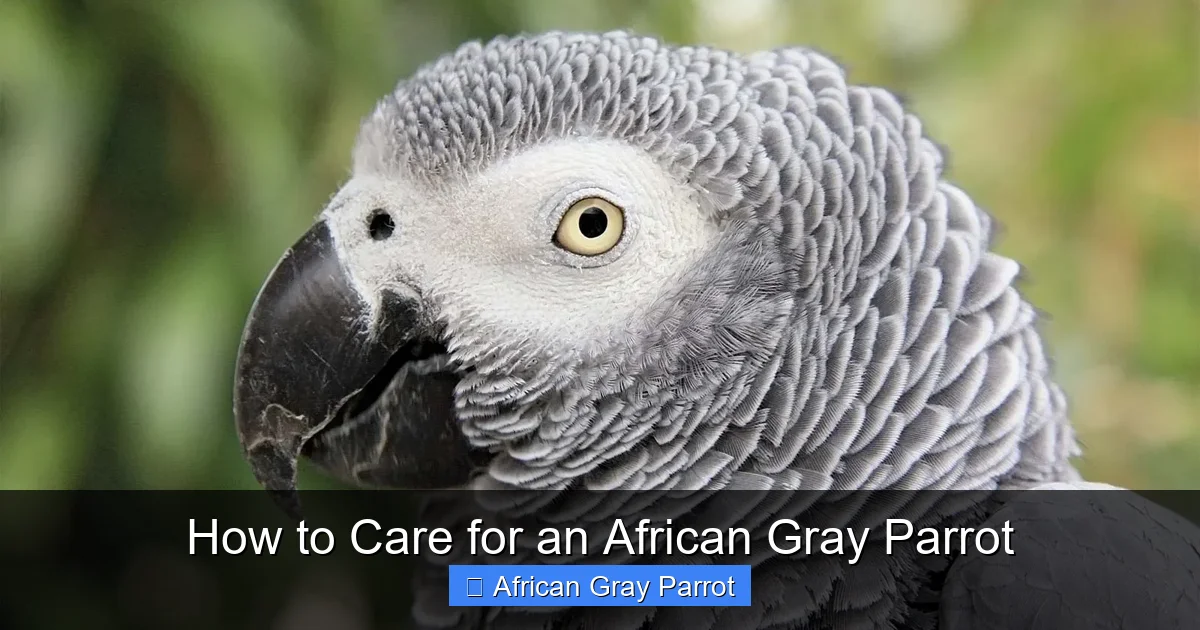
African Gray Parrots are intelligent, social birds that need a balanced diet, spacious cage, daily interaction, and regular vet care. Providing mental stimulation and a safe environment helps them thrive for decades. If you are curious about distinguishing male from female birds, learn more about how to sex an African Gray Parrot.
Key Takeaways
- Spacious cage: Minimum 36×24×48 inches with bar spacing no wider than ¾ inch.
- Balanced diet: 70% high‑quality pellets, 20% fresh fruits and vegetables, 10% nuts and seeds.
- Daily out‑of‑cage time: At least 3–4 hours of supervised play and training each day.
- Mental enrichment: Rotate foraging toys, puzzles, and shreddable items weekly.
- Routine vet visits: Annual check‑ups with an avian veterinarian; monitor weight and droppings daily.
- Positive training: Use clicker or target training with treats to teach commands and reduce screaming.
- Safety first: Remove toxic fumes, ceiling fans, open windows, and small objects that can be swallowed.
Introduction: What You Will Learn About Your African Gray Parrot
Welcome to the complete guide on how to care for an African Gray Parrot. This article covers housing, nutrition, daily routine, enrichment, health care, training, safety, and troubleshooting. By the end you will know how to give your African Gray Parrot a long, happy life. The African Gray Parrot is a highly intelligent bird that thrives on interaction and mental challenges. Proper care prevents behavior problems and health issues. Let us start with the basics. Beyond African Grays, there are many fascinating species, such as the Vasa Parrot, which also hails from Africa.
Step 1: Choose the Right Cage for Your African Gray Parrot
Cage Size and Bar Spacing
An African Gray Parrot needs a large cage. The minimum interior dimensions are 36 inches wide, 24 inches deep, and 48 inches tall. Bar spacing must not exceed three‑quarters of an inch. Wider bars let the bird escape or get stuck. A sturdy metal frame with a powder‑coated finish resists chewing. Avoid painted cages that may chip. For those considering a larger outdoor enclosure, you might want to explore how to build an aviary for African Gray Parrots.
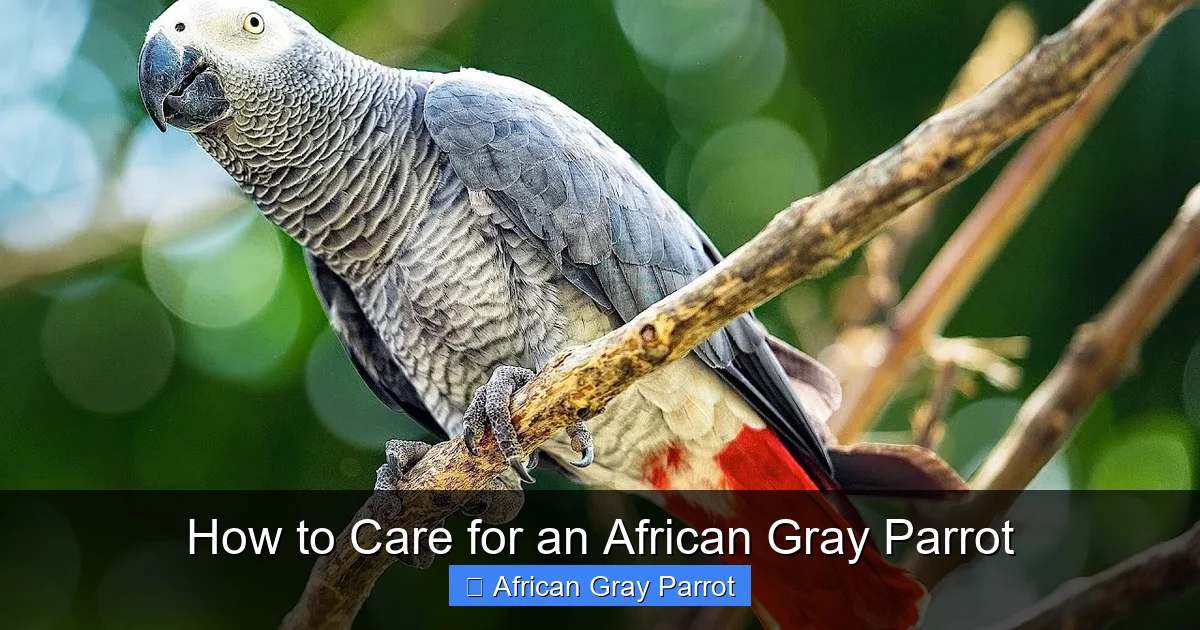
Visual guide about How to Care for an African Gray Parrot
Image source: i.ytimg.com
Placement and Perches
Place the cage in a bright room but out of direct sunlight. Keep it away from drafts, kitchens, and noisy appliances. Provide at least three natural wood perches of varying diameters. Different sizes exercise the feet and prevent pressure sores. Add a rope perch for climbing fun. Secure all perches so they do not wobble.
Step 2: Provide a Balanced Diet for Your African Gray Parrot
Pellets as the Base
High‑quality pellets should make up about seventy percent of the diet. Choose a brand formulated for large parrots. Pellets deliver essential vitamins, minerals, and amino acids. Offer fresh pellets daily in a clean bowl. Remove uneaten pellets after twenty‑four hours to avoid spoilage.
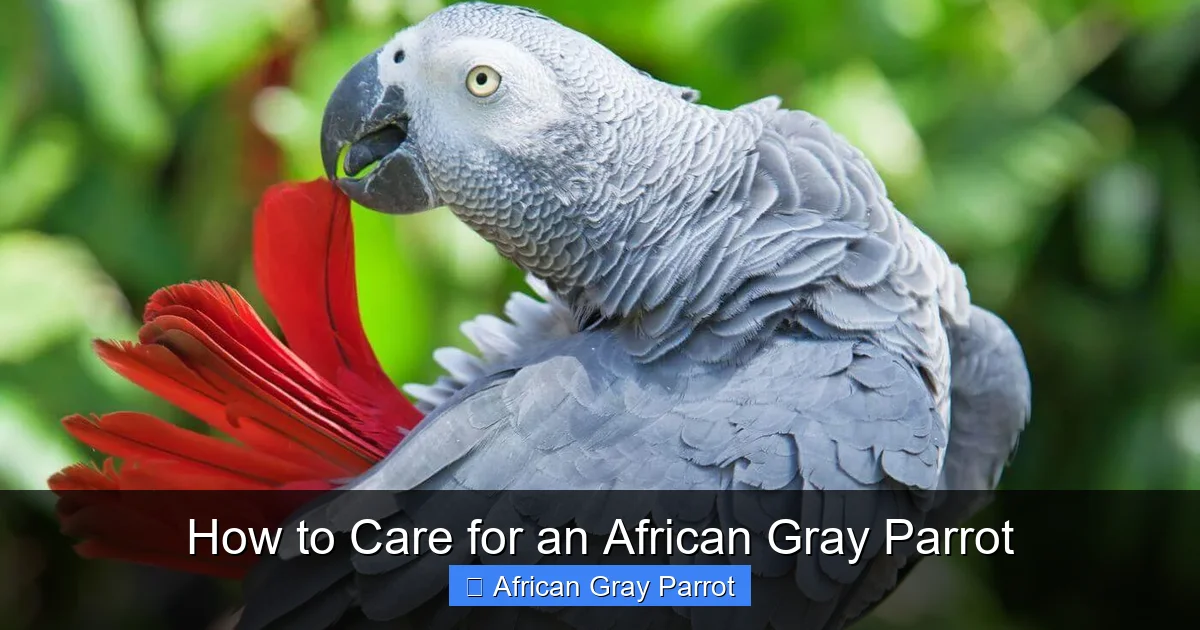
Visual guide about How to Care for an African Gray Parrot
Image source: dropinblog.net
Fresh Fruits and Vegetables
Fresh produce supplies antioxidants and hydration. Offer a variety such as carrots, broccoli, bell peppers, apples, and berries. Wash all items thoroughly. Cut pieces into bite‑size chunks. Rotate selections each day to keep the African Gray Parrot interested. Aim for twenty percent of the total diet from fresh foods.
Healthy Nuts and Seeds
Nuts and seeds are treats, not staples. Provide a small handful of unsalted almonds, walnuts, or pumpkin seeds a few times a week. These supply healthy fats and enrichment. Limit portions to ten percent of the diet to prevent obesity. Never give chocolate, avocado, caffeine, or alcohol.
Foods to Avoid
Some human foods are toxic to an African Gray Parrot. Avoid onion, garlic, rhubarb, and mushrooms. Salty snacks, sugary cereals, and processed meats are also harmful. Keep the bird away from the kitchen while cooking. Clean any spills immediately.
Step 3: Set Up Daily Routine and Social Interaction for Your African Gray Parrot
Out‑of‑Cage Time
An African Gray Parrot needs at least three to four hours outside the cage each day. Supervise all free‑flight sessions. Bird‑proof the room by covering windows, removing ceiling fans, and securing cords. Provide a play gym with ropes, ladders, and swings. Rotate the gym layout weekly to maintain novelty.
Training Sessions
Short training sessions of five to ten minutes work best. Use a clicker or a consistent verbal marker. Reward with a favorite treat like a sunflower seed. Teach simple cues such as “step up,” “wave,” and “turn around.” Consistency builds trust and reduces unwanted behaviors. These training methods can be adapted for many species; for example, you can find more parrotlet care and training tips if you are interested in smaller birds.
Talking and Mimicry
The African Gray Parrot is famous for speech. Speak clearly and repeat words often. Label objects during daily routines. Praise the bird when it mimics correctly. Avoid reinforcing loud or inappropriate sounds. Positive attention encourages polite vocalizations.
Step 4: Enrichment and Mental Stimulation for Your African Gray Parrot
Foraging Toys
Foraging mimics natural food‑search behavior. Hide pellets inside paper tubes, cardboard boxes, or commercial foraging toys. Change hiding spots daily. The African Gray Parrot will spend hours exploring and problem‑solving. This reduces boredom and feather plucking.
Puzzle Feeders
Puzzle feeders require the bird to manipulate levers, slides, or lids. Start with easy puzzles and increase difficulty over time. Offer a new puzzle each week. The mental effort keeps the African Gray Parrot sharp and satisfied.
Rotating Toys
Birds lose interest in static toys. Keep a stash of ten to fifteen toys and rotate three at a time. Include chewable wood, shreddable paper, bells, and mirrors. Inspect toys daily for broken parts that could cause injury. Fresh toys spark curiosity and play.
Step 5: Health Monitoring and Veterinary Care for Your African Gray Parrot
Daily Weight Checks
Weigh your African Gray Parrot each morning on a gram scale. A sudden drop of more than five percent signals illness. Keep a log to spot trends early. Consistent weight indicates good nutrition and health.
Signs of Illness
Watch for fluffed feathers, lethargy, changes in droppings, sneezing, or loss of appetite. Eye discharge or labored breathing requires immediate veterinary attention. Early detection saves lives. Know the normal behavior of your African Gray Parrot.
Annual Avian Vet Visit
Schedule a wellness exam with an avian veterinarian once a year. The vet will check beak, nails, feathers, and internal organs. Blood work can reveal hidden infections. Vaccinations are not routine but discuss parasite prevention.
Grooming Basics
Trim nails when they become sharp. Use a bird‑safe nail clipper and avoid the quick. Wing clipping is optional; many owners prefer full flight for exercise. If you clip, do it symmetrically and only a few feathers. Bathing with a shallow dish or mist spray keeps feathers clean.
Step 6: Positive Training and Behavior Management for Your African Gray Parrot
Clicker Training
A clicker marks the exact moment the African Gray Parrot performs the desired action. Pair the click with a treat. Repeat until the bird anticipates the reward. Clicker training speeds learning and builds a clear communication channel.
Target Training
Teach the bird to touch a target stick with its beak. Move the target to guide the bird to new locations. This skill helps with cage transfers, vet visits, and trick training. Keep sessions short and upbeat.
Reducing Screaming
Screaming often seeks attention. Ignore the noise and reward quiet moments. Provide a “quiet” cue and treat when the bird stops. Ensure the African Gray Parrot gets enough out‑of‑cage time and mental enrichment to lower frustration.
Preventing Feather Plucking
Feather plucking can stem from boredom, stress, or medical issues. Rule out health problems first. Increase foraging opportunities, add new toys, and maintain a stable routine. A calm environment and regular interaction greatly reduce plucking.
Step 7: Safety and Environmental Hazards for Your African Gray Parrot
Toxic Fumes and Cookware
Non‑stick pans release fumes that are deadly to an African Gray Parrot. Use stainless steel, cast iron, or ceramic cookware. Keep the bird out of the kitchen while cooking. Ventilate the area well. Avoid aerosol sprays, scented candles, and smoke.
Ceiling Fans and Open Windows
Ceiling fans pose a strike hazard. Turn fans off when the bird is free. Install window screens or keep windows closed during out‑of‑cage time. Secure balcony doors. A momentary escape can be fatal.
Small Objects and Escape Proofing
Remove beads, buttons, rubber bands, and jewelry from reach. The African Gray Parrot explores with its beak and can swallow tiny items. Check cage locks daily. Use a double‑lock system on the cage door. Secure any gaps larger than a half inch.
Troubleshooting Common Problems with Your African Gray Parrot
Refusing Food
If the African Gray Parrot stops eating, check for fresh food spoilage, cage stress, or illness. Offer a favorite treat to stimulate appetite. Warm the food slightly. If refusal lasts more than twenty‑four hours, contact your avian vet.
Excessive Screaming
Identify triggers such as loneliness, loud noises, or lack of sleep. Increase daytime interaction and provide a quiet night cover. Use the “quiet” cue consistently. Reward calm behavior with a treat or praise.
Aggression Toward Hands
Hand‑shyness often results from rough handling. Approach slowly, offer a treat from the palm, and let the bird step up voluntarily. Never force contact. Build trust with short, positive sessions each day.
Feather Plucking
Feather plucking may indicate medical pain, allergies, or psychological stress. Schedule a vet exam first. Then enrich the environment with new foraging toys, more out‑of‑cage time, and a predictable schedule. Consistency and patience are key.
Conclusion: A Happy Life with Your African Gray Parrot
Caring for an African Gray Parrot is a rewarding journey. Provide a spacious cage, a nutritious diet, daily social time, and mental challenges. Monitor health closely and visit an avian vet regularly. Use positive training to strengthen your bond. Keep the home safe from toxins and hazards. With dedication, your African Gray Parrot can live fifty years or more, sharing conversation, laughter, and companionship. Start today by reviewing each step and making small improvements. Your feathered friend will thank you with bright eyes, clear speech, and a trusting heart.