
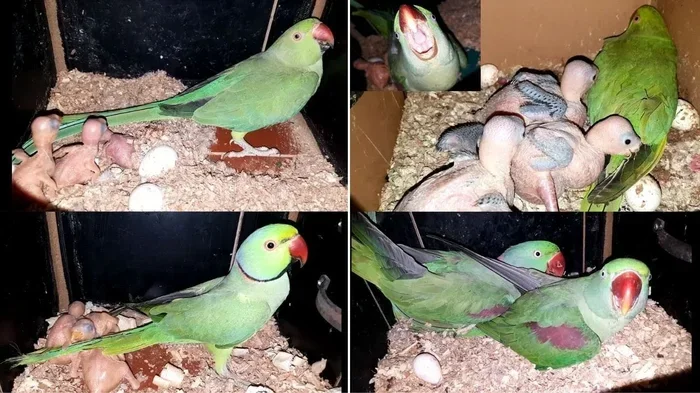
Featured image for Parrot breeding pair nesting
Image source: i.ytimg.com
Breeding parrots can be rewarding when you choose the right species and follow proven husbandry practices. This guide highlights the top beginner‑friendly parrots, essential setup steps, nutrition, and common pitfalls to help you achieve healthy chicks.
Breeding parrots feels a bit like planting a garden. You pick the right seeds, prepare the soil, water consistently, and wait for the first sprouts. In aviculture, the “seeds” are the bird species you choose, and the “soil” is the environment you create. If you are new to the hobby, focusing on the easiest parrots to breed gives you a higher chance of early success and builds confidence for more challenging species later.
This article answers the who, what, where, when, and why of beginner parrot breeding. You will learn which species top the list, how to set up a breeding space, what to feed, when to expect eggs, and why careful monitoring makes all the difference. Along the way, you’ll find practical tips, real‑world examples, and a few surprising facts that even seasoned breeders appreciate.
Key Takeaways
- Start Small: Budgerigars, cockatiels, and lovebirds are the easiest parrots to breed for newcomers.
- Environment Matters: Proper cage size, nesting boxes, and stable temperature boost breeding success.
- Nutrition Is Key: A balanced diet of pellets, fresh vegetables, and calcium supplements supports egg production.
- Timing Counts: Most species breed in spring; mimic natural light cycles to trigger hormones.
- Health Checks Prevent Loss: Regular vet exams and parasite control reduce chick mortality.
- Record Keeping Helps: Track pairings, hatch dates, and growth to improve future results.
- Patience Pays Off: Even the easiest parrots to breed need time to bond and settle before laying.
📑 Table of Contents
1. Who Should Consider Breeding Parrots?
Beginners and Hobbyists
Anyone with a genuine interest in birds, a willingness to learn, and the ability to provide daily care can start breeding. You do not need a professional aviary; a spare room or a large, well‑ventilated garage works fine for the easiest parrots to breed.
Experienced Keepers Expanding Their Flock
Seasoned owners often add a breeding pair to diversify their collection. They already understand basic husbandry, so they can focus on genetics, color mutations, or specific behavioral traits.
Educational Programs and Schools
Some classrooms use small parrots like budgerigars to teach biology, responsibility, and life cycles. The short breeding cycle makes them ideal for a semester‑long project.
2. What Are the Easiest Parrots to Breed?
Budgerigar (Melopsittacus undulatus)
Budgies top almost every list of the easiest parrots to breed. They reach sexual maturity at 6–8 months, lay 4–6 eggs per clutch, and incubate for about 18 days. A pair can produce several clutches a year if conditions stay optimal.
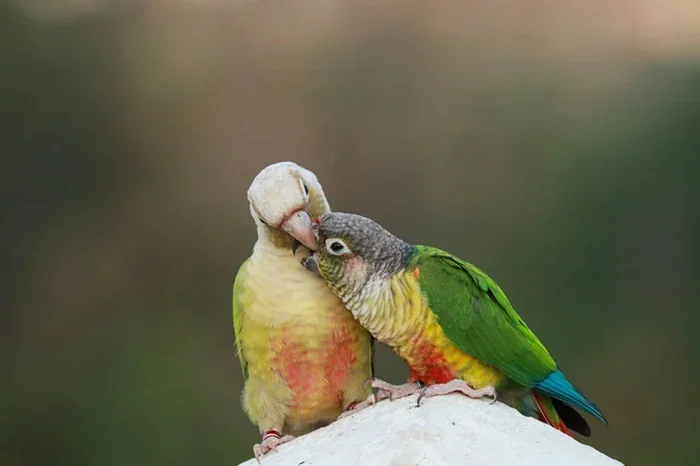
Visual guide about Parrot breeding pair nesting
Image source: cdn.omlet.com
Cockatiel (Nymphicus hollandicus)
Cockatiels are slightly larger but still very forgiving. They mature around 12 months, lay 4–5 eggs, and incubate for 19–21 days. Their calm temperament makes them great for families.
Peach‑faced Lovebird (Agapornis roseicollis)
Lovebirds form strong pair bonds quickly. They mature at 10–12 months, lay 4–6 eggs, and incubate for 23 days. Their small size means they need less space than larger parrots.
Green‑cheeked Conure (Pyrrhura molinae)
Green‑cheeks are a step up in size but still considered one of the easiest parrots to breed for intermediate keepers. They mature at 12–18 months, lay 3–5 eggs, and incubate for 24–26 days.
Quaker Parrot (Myiopsitta monachus)
Quakers are hardy, adaptable, and breed well in captivity. They mature at 12–24 months, lay 4–8 eggs, and incubate for 24–28 days. Their communal nesting instinct can be harnessed by providing a large nest box.
3. Where to Set Up a Breeding Environment
Cage Size and Layout
Think of the cage as a mini‑apartment. For budgies, a minimum of 30 × 18 × 18 inches per pair works. Cockatiels and lovebirds need at least 36 × 24 × 24 inches. Larger species like conures and quakers benefit from 48 × 36 × 36 inches or more. Horizontal space matters more than height because parrots fly sideways.
Nesting Boxes
A wooden box measuring roughly 12 × 12 × 12 inches with a 2‑inch entrance hole suits most small parrots. Line the bottom with untreated pine shavings or shredded paper. Place the box high in the cage, away from drafts, and secure it so it cannot tip.
Lighting and Temperature
Parrots respond to photoperiod. Provide 12–14 hours of full‑spectrum light daily during the breeding season. Keep ambient temperature between 70‑80 °F (21‑27 °C). Sudden drops can cause egg binding or abandonment.
Privacy and Stress Reduction
Cover three sides of the cage with a light cloth during the first weeks. This mimics a natural cavity and reduces visual stressors like passing pets or loud TV.
4. When Does Breeding Happen?
Seasonal Triggers
Most parrots breed in spring when daylight lengthens. In captivity, you can simulate this by gradually increasing light exposure starting in late winter. A “Did You Know” fact: budgerigars in the wild breed after the first rains, which often coincide with longer days.
Age Readiness
Even the easiest parrots to breed need to be physically mature. Breeding a 5‑month‑old budgie often leads to infertile eggs or health complications. Wait until the recommended maturity age for each species.
Pair Bonding Period
Introduce the male and female at least 4–6 weeks before the intended breeding season. Observe mutual preening, feeding, and shared perching. These behaviors signal a strong bond and higher fertility.
5. Why Nutrition and Health Make or Break a Clutch
Balanced Diet Basics
Think of diet as the fuel for a high‑performance engine. A base of high‑quality pellets (70 % of diet) ensures consistent vitamins and minerals. Add fresh vegetables daily — broccoli, carrots, leafy greens — and a small portion of fruit. Offer a calcium source like cuttlebone or a liquid calcium supplement, especially for hens laying eggs.
Protein Boost During Laying
During egg production, increase protein with boiled egg, sprouted seeds, or a commercial egg‑food mix. This mirrors the insect‑rich diet wild parrots seek when nesting.
Water Quality
Change water twice daily. Contaminated water spreads bacteria that can kill embryos. A simple trick: add a few drops of apple cider vinegar (1 tsp per gallon) to discourage algae.
Veterinary Care
Schedule a pre‑breeding health check. Test for psittacosis, polyomavirus, and parasites. Treat any issues before the pair enters the nest box. Healthy parents equal healthy chicks.
6. Practical Tips for a Successful First Clutch
Record Everything
Keep a simple notebook or spreadsheet. Log pairing date, first egg date, hatch dates, weight gains, and any interventions. Over time, patterns emerge that guide better decisions.
Monitor Without Disturbing
Use a small infrared camera or a peek‑hole in the nest box cover. Limit physical checks to once a day. Excessive handling can cause parents to abandon eggs.
Know When to Intervene
If an egg is cracked, a chick is not gaining weight, or a parent shows aggression, act quickly. Hand‑feeding formulas are available, but they require strict hygiene and temperature control.
Plan for the Next Generation
Decide early whether you will keep, sell, or rehome chicks. Overcrowding leads to stress and disease. Many breeders join local clubs to find responsible homes.
Learn From Each Cycle
Even a failed clutch teaches something — maybe the light cycle was off, or the calcium level was low. Adjust one variable at a time and track results.
Conclusion
Choosing the easiest parrots to breed sets you up for a rewarding experience. Budgerigars, cockatiels, lovebirds, green‑cheeked conures, and quakers each offer a manageable entry point with high success rates when you provide proper housing, nutrition, and patience. Remember, breeding is a cycle of observation, adjustment, and celebration. Start small, keep detailed notes, and enjoy the miracle of new life unfolding in your aviary. With each successful clutch, your confidence grows, and the door opens to more challenging and exotic species down the road.
Frequently Asked Questions
What is the easiest parrot to breed for a complete beginner?
The budgerigar is widely regarded as the easiest parrot to breed because it matures quickly, lays multiple eggs, and tolerates a range of cage conditions.
How long does it take for parrot eggs to hatch?
Incubation periods vary by species: budgies hatch in about 18 days, cockatiels in 19‑21 days, lovebirds in 23 days, and larger parrots like conures in 24‑26 days.
Do I need a special license to breed parrots at home?
In many regions, breeding common pet parrots does not require a permit, but always check local wildlife regulations and any CITES restrictions for protected species.
Can I breed different parrot species together?
Hybridization is possible but generally discouraged because hybrids can have health issues and uncertain temperaments. Stick to same‑species pairs for predictable results.
What should I feed a breeding pair to maximize fertility?
Provide a high‑quality pellet base, fresh vegetables, a calcium supplement, and a protein boost such as egg food during the laying period.
How can I tell if my parrots are ready to breed?
Look for mutual preening, feeding each other, shared perching, and the female spending time in the nest box. These behaviors indicate a strong pair bond and hormonal readiness.