
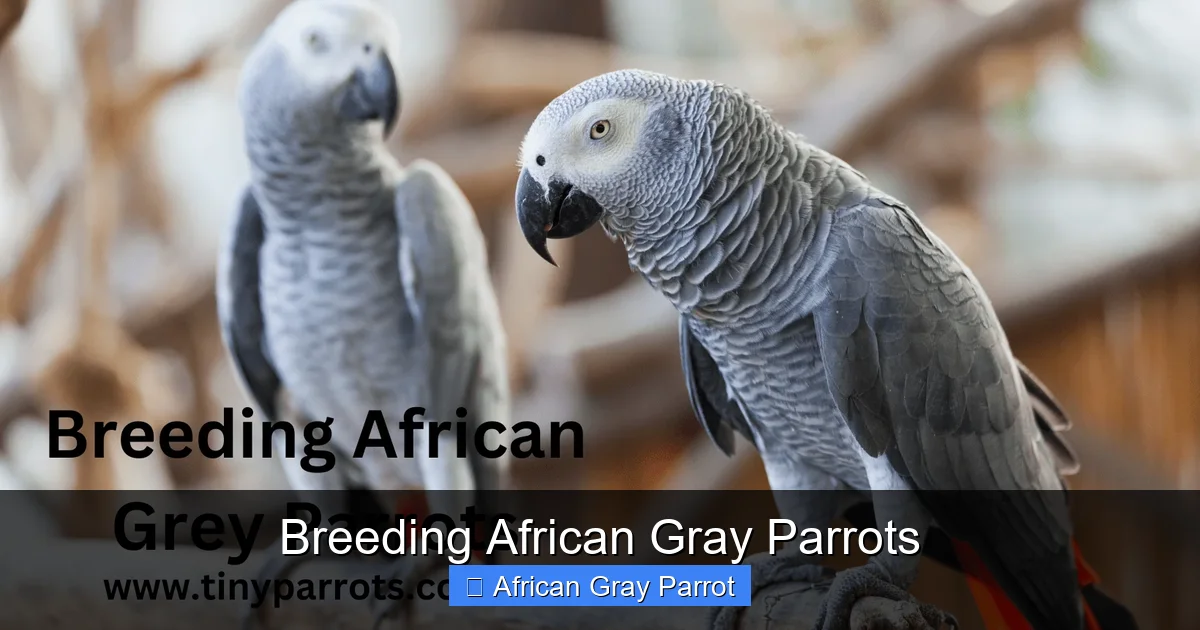
Breeding African Gray Parrots requires a mature, bonded pair, a properly sized nest box, and a high‑protein diet. Careful incubation and attentive hand‑rearing give the best chance for healthy, well‑socialized chicks.
Featured image for
Image source: tinyparrots.com
Breeding African Gray Parrots is a rewarding but demanding process. Success depends on careful pair selection, proper housing, nutrition, and attentive chick care. This guide answers the most common questions to help you prepare.
📑 Table of Contents
- What age should African Gray Parrots be before breeding?
- How do I choose a compatible pair?
- What type of nest box works best?
- What diet supports breeding and chick growth?
- How long is the incubation period and who incubates?
- When and how should I hand‑rear chicks?
- What common health issues should I watch for?
What age should African Gray Parrots be before breeding?
Both birds should be at least three years old. Younger birds often lack the physical maturity and bonding needed for successful reproduction. Wait until they show stable pair behavior such as mutual preening and feeding each other.
How do I choose a compatible pair?
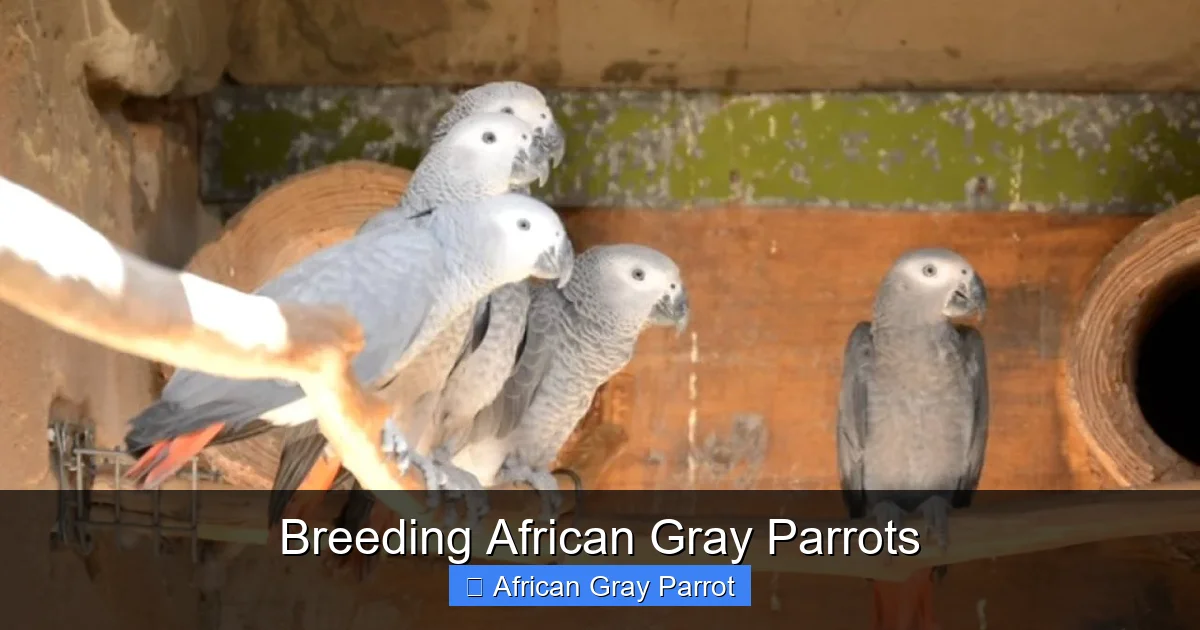
Observe the birds for several weeks. Look for calm interactions, shared perching, and vocal duets. Avoid pairs that show aggression or constant chasing. A DNA sex test confirms male and female before you commit.
Visual guide about
Image source: i.ytimg.com
What type of nest box works best?
Use a wooden box about 12 × 12 × 18 inches with a 3‑inch entrance hole. Line the floor with untreated pine shavings. Place the box high in the aviary, away from drafts and direct sunlight. Provide a perch just outside the entrance for easy access.
Should I add nesting material?
Offer soft materials like coconut fiber or shredded paper. The female will arrange them to her liking. Do not use cotton or synthetic fibers, which can entangle chicks.
What diet supports breeding and chick growth?
Increase protein with boiled egg, legumes, and a high‑quality pellet formulated for breeding parrots. Add fresh fruits, vegetables, and a calcium supplement such as cuttlebone. Fresh water must be available at all times.
How long is the incubation period and who incubates?
The female incubates the eggs for about 28 days. The male feeds her and guards the nest. Minimize disturbance; only check the box if you suspect a problem.
When and how should I hand‑rear chicks?
If the parents abandon the clutch or a chick is weak, begin hand‑feeding within 24 hours. Use a commercial hand‑rearing formula warmed to 104 °F. Feed every 2‑3 hours using a syringe with a soft tip. Gradually introduce solid food at 6‑8 weeks.
What common health issues should I watch for?
Watch for egg binding, respiratory infections, and feather plucking. Keep the aviary clean, maintain proper humidity, and schedule regular avian vet checks. Early detection saves lives.
In summary, breeding African Gray Parrots requires mature, bonded pairs, a secure nest box, a protein‑rich diet, and vigilant monitoring of eggs and chicks. Follow these steps to improve your chances of raising healthy, well‑socialized parrots.