
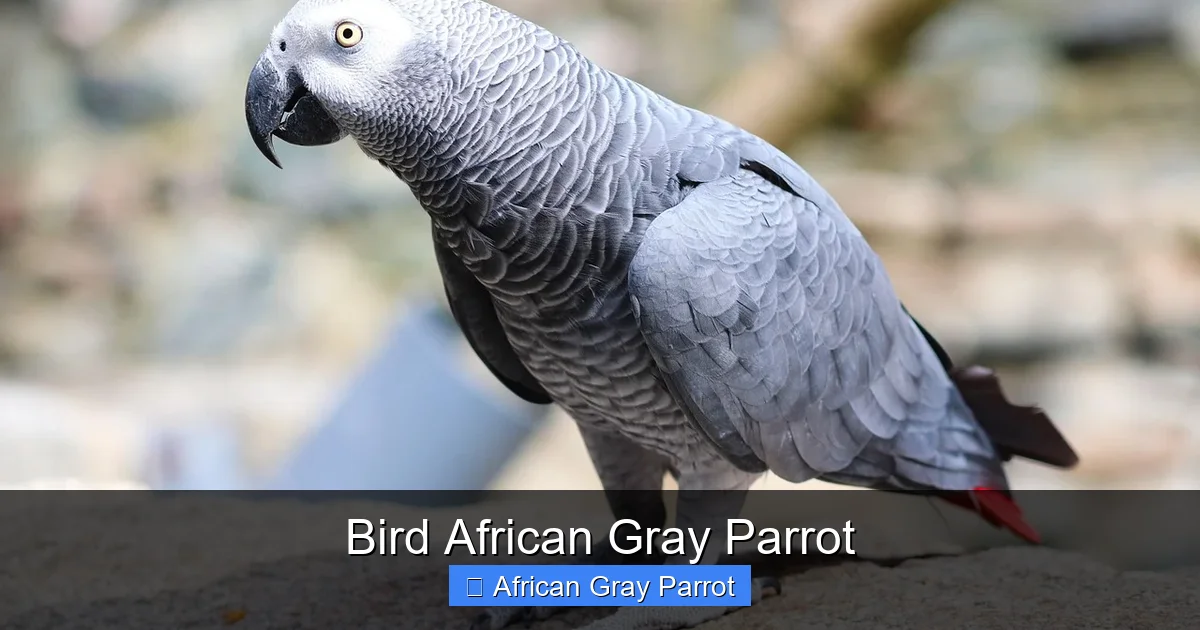
The African Gray Parrot is widely regarded as one of the most intelligent bird species in the world. Known for exceptional talking ability and problem-solving skills, these parrots form deep bonds with owners. They require dedicated care, mental stimulation, and a proper diet to thrive in captivity.
Featured image for
Image source: cdn.pixabay.com
The African Gray Parrot stands out among pet birds for its remarkable intelligence and speaking talent. Native to the rainforests of West and Central Africa, this medium-sized parrot has captured the hearts of bird enthusiasts worldwide. Before bringing one home, it is essential to understand their complex needs. This guide answers the most common questions about caring for these extraordinary companions.
📑 Table of Contents
- What Makes the African Gray Parrot So Intelligent?
- How Well Does an African Gray Parrot Talk?
- What Is the Proper Diet for an African Gray Parrot?
- How Long Does an African Gray Parrot Live?
- What Kind of Housing Does an African Gray Parrot Need?
- Are African Gray Parrots Good for Beginners?
- What Are Common Health Issues in African Gray Parrots?
- How Much Daily Interaction Does an African Gray Parrot Require?
- Conclusion
What Makes the African Gray Parrot So Intelligent?
African Gray Parrots possess cognitive abilities comparable to a young child. Studies show they can understand concepts like shape, color, and number. They do not just mimic words; they can use vocabulary in context. Dr. Irene Pepperberg’s famous work with Alex the parrot proved these birds can identify objects, count, and even express desires.
This intelligence means they need constant mental stimulation. A bored African Gray Parrot may develop destructive behaviors. Feather plucking, screaming, and aggression often stem from lack of engagement. Puzzle toys, foraging activities, and daily training sessions keep their minds sharp. Rotate toys weekly to maintain novelty and interest.
How Well Does an African Gray Parrot Talk?
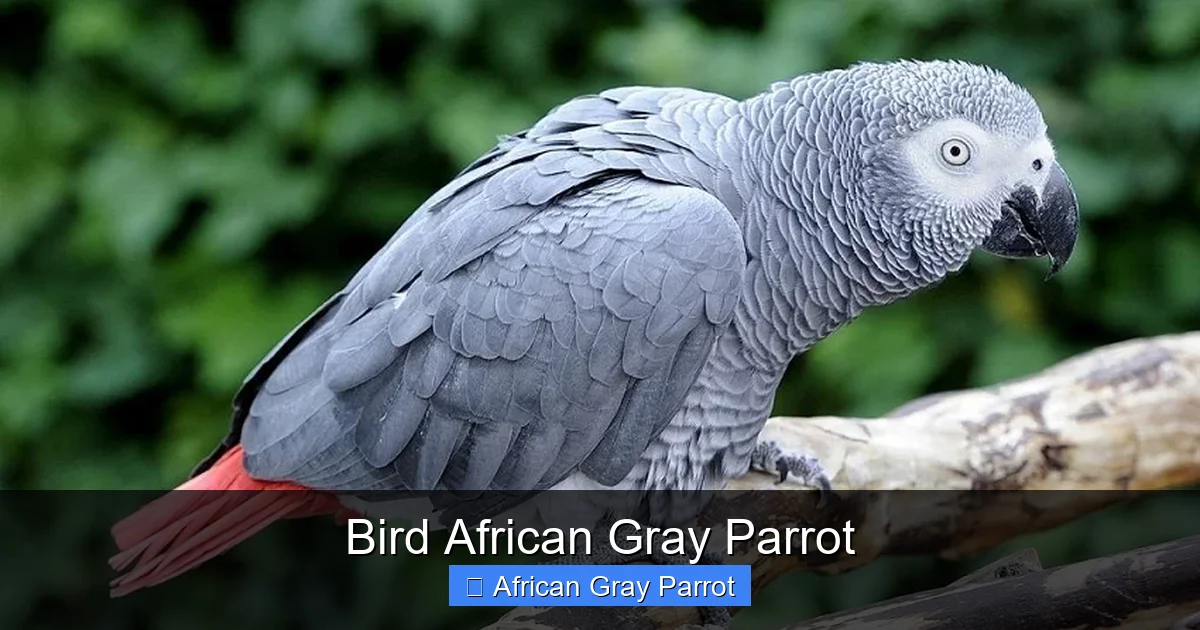
Talking ability is a hallmark of the species. Many African Gray Parrots develop vocabularies of hundreds of words. They mimic household sounds like microwaves, phones, and doorbells with uncanny accuracy. Some birds learn to associate words with meanings, using them appropriately.
Visual guide about
Image source: singing-wings-aviary.com
Not every bird will talk, however. Personality varies. Some prefer whistling or making sound effects. Start talking to your bird from day one. Use clear, repetitive phrases during daily routines. Label foods, actions, and objects. Consistency and patience yield the best results. Never force vocalization; let it develop naturally.
What Is the Proper Diet for an African Gray Parrot?
A balanced diet is critical for health and longevity. High-quality pellets should form 60 to 70 percent of the diet. Fresh vegetables and fruits make up the remainder. Dark leafy greens, carrots, sweet potatoes, and berries provide essential vitamins. Avoid avocado, chocolate, caffeine, and alcohol; these are toxic to birds.
Calcium is especially important for African Gray Parrots. They are prone to hypocalcemia, which can cause seizures. Offer calcium-rich foods like kale, broccoli, and almonds. A cuttlebone or mineral block in the cage helps. Consult an avian veterinarian about supplements. Fresh water must be available at all times and changed daily.
How Long Does an African Gray Parrot Live?
With proper care, an African Gray Parrot can live 40 to 60 years. Some individuals reach 80 years. This long lifespan means a lifetime commitment. Potential owners must plan for the bird’s future care. Include provisions in your will or designate a trusted caregiver.
Longevity depends on diet, veterinary care, and environment. Annual checkups with an avian vet catch problems early. Blood work monitors organ function and nutrient levels. A spacious cage, regular out-of-cage time, and social interaction promote physical and mental health. Stress reduction is key to a long life.
What Kind of Housing Does an African Gray Parrot Need?
Buy the largest cage your space and budget allow. Minimum dimensions should be 36 inches wide, 24 inches deep, and 48 inches tall. Bar spacing of 3/4 to 1 inch prevents escape and injury. Horizontal bars allow climbing. Provide multiple perches of varying diameters and textures to exercise feet.
Place the cage in a family area where the bird can observe daily activity. Avoid direct sunlight, drafts, and kitchen fumes. Teflon-coated cookware releases toxic fumes when overheated; keep birds far from the kitchen. Cover the cage at night for 10 to 12 hours of uninterrupted sleep. A sleep cage in a quiet room works well.
Are African Gray Parrots Good for Beginners?
African Gray Parrots are generally not recommended for first-time bird owners. Their high intelligence demands experienced handling. They are sensitive to environmental changes and owner emotions. Inconsistent training leads to behavioral issues. Novice owners may struggle to meet their complex social and cognitive needs.
If you are set on this species, prepare thoroughly. Volunteer at a bird rescue to gain hands-on experience. Join local parrot clubs. Find an avian veterinarian before acquiring a bird. Adopt from a reputable rescue rather than buying from a pet store. Rescues often provide support and history on the bird’s personality and health.
What Are Common Health Issues in African Gray Parrots?
Feather destructive behavior is a major concern. It often signals boredom, stress, or medical problems. Psittacine beak and feather disease (PBFD) is a viral infection affecting feathers and beak. Respiratory infections occur from poor ventilation or drafts. Aspergillosis, a fungal infection, thrives in damp, dirty conditions.
Calcium deficiency causes seizures and weak bones. Obesity results from seed-heavy diets and lack of exercise. Regular weigh-ins track body condition. Watch for changes in droppings, appetite, or activity level. Birds hide illness well; subtle signs warrant a vet visit. Quarantine new birds for 45 days to prevent disease spread.
How Much Daily Interaction Does an African Gray Parrot Require?
Plan for at least three to four hours of direct interaction daily. This includes training, play, and simply being together. African Gray Parrots are flock animals; they need to feel part of your family. Isolation leads to depression and behavior problems. If you work long hours, consider a second bird or a different pet.
Training sessions should be short, five to ten minutes, several times a day. Positive reinforcement builds trust. Teach practical behaviors like step up, recall, and nail trimming cooperation. Foraging toys provide independent enrichment when you are busy. A play gym away from the cage encourages exploration and exercise.
Conclusion
The African Gray Parrot is a remarkable companion for the right person. Their intelligence, talking ability, and emotional depth create a unique bond. However, they demand significant time, money, and knowledge. A proper diet, spacious housing, veterinary care, and daily mental stimulation are non-negotiable. With a potential lifespan of half a century, this is a lifelong commitment. Research thoroughly, connect with experienced owners, and honestly assess your lifestyle before deciding. When cared for well, an African Gray Parrot becomes an extraordinary feathered family member.