
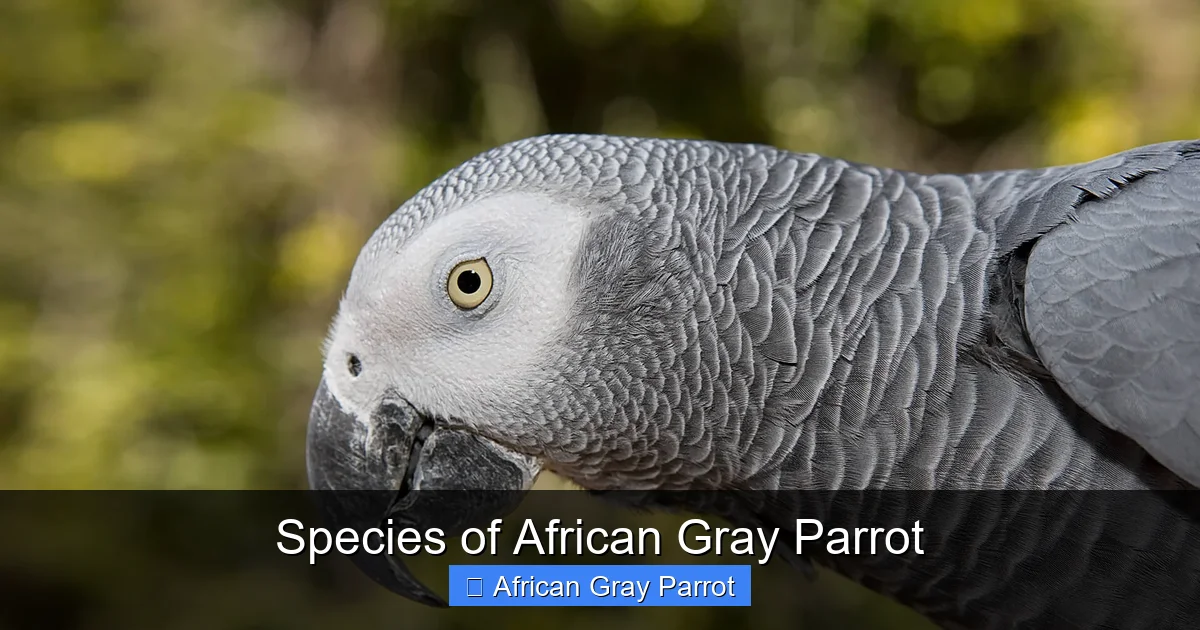
There are two recognized species of african gray parrot — the Congo and the Timneh — each with unique size, color, and personality. Understanding their differences helps you choose the right companion and provide proper care.
When people talk about the species of african gray parrot they usually picture a single bird. In reality there are two distinct species of african gray parrot that share the famous intelligence and talking talent. Knowing the differences can save you time, money, and heartache.
This guide walks you through each species of african gray parrot, highlights physical and behavioral traits, explains care requirements, and covers conservation issues. Whether you are a first‑time owner or a seasoned avian enthusiast, you will find practical tips you can use today.
Key Takeaways
- Two Species: The Congo African Gray and the Timneh African Gray are the only recognized species of african gray parrot.
- Size Difference: Congo grays are larger, weighing 400‑600 g, while Timneh grays weigh 275‑350 g.
- Color Markers: Congo birds have bright red tails; Timneh birds sport darker maroon tails and a horn‑colored upper mandible.
- Talking Ability: Both species excel at mimicry, but Congo grays often develop larger vocabularies.
- Social Needs: These parrots require daily interaction, mental stimulation, and a spacious environment.
- Conservation Concern: Both species face threats from habitat loss and illegal pet trade, making responsible ownership vital.
Quick Answers to Common Questions
What are the two species of african gray parrot?
The two species are the Congo African Gray and the Timneh African Gray.
How can I tell a Congo gray from a Timneh gray?
Look at the tail color — bright red for Congo, deep maroon for Timneh — and check the upper beak for a horn‑colored patch on Timnehs.
Which species talks more?
Both are excellent mimics, but Congo grays often develop larger vocabularies because they tend to be more outgoing.
What size cage does a Congo gray need?
A minimum of 91 cm × 61 cm × 122 cm (W × D × H) is recommended for a Congo African Gray.
Are african gray parrots endangered?
Both species are listed on CITES Appendix I and face threats from illegal trade and habitat loss.
📑 Table of Contents
What Are the Species of African Gray Parrot?
The term species of african gray parrot refers to two officially recognized taxa: the Congo African Gray (Psittacus erithacus erithacus) and the Timneh African Gray (Psittacus erithacus timneh). Both belong to the same genus but have been separated by geography and subtle physical traits for thousands of years.
Congo African Gray
The Congo African Gray is the larger of the two species of african gray parrot. It originates from the dense rainforests of Central Africa, ranging from Ivory Coast to western Kenya. Its bright red tail feathers make it instantly recognizable in the wild and in captivity.
Timneh African Gray
The Timneh African Gray is the smaller counterpart. It inhabits the Upper Guinean forests of West Africa, from Guinea‑Bissau to the western edge of the Congo Basin. Its tail is a deep maroon, and the upper mandible shows a horn‑colored patch that distinguishes it from its Congo cousin.
Physical Differences Between the Two Species
Although both birds share the classic gray plumage and white mask, several key features set the species of african gray parrot apart.
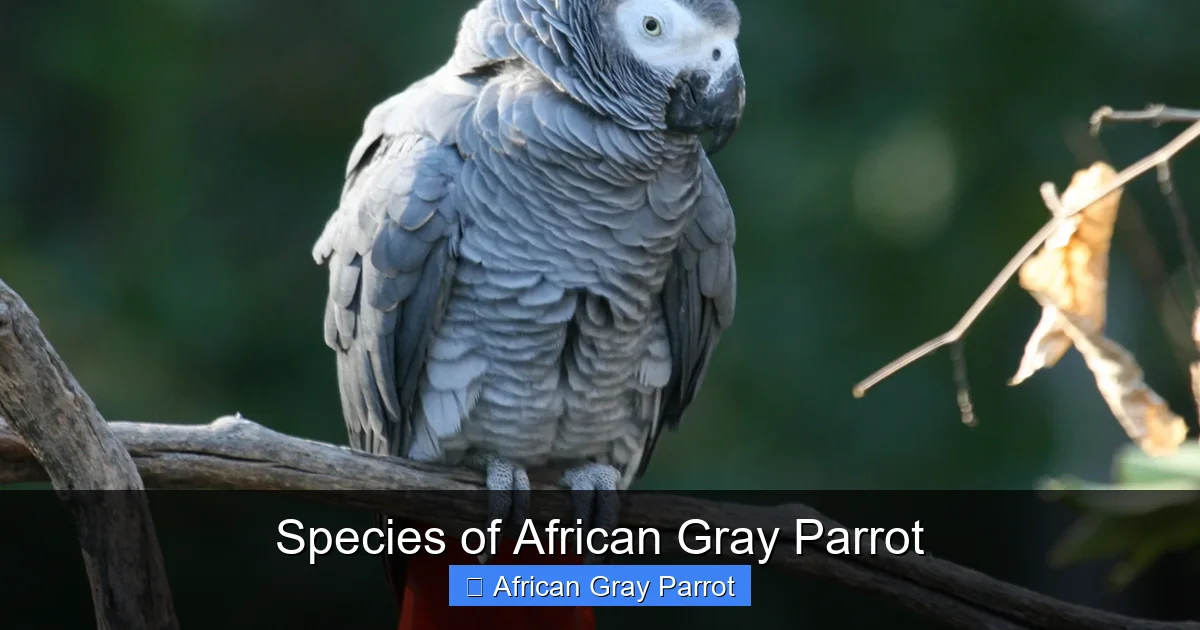
Visual guide about Species of African Gray Parrot
Image source: images.squarespace-cdn.com
Size and Weight
Congo grays typically measure 33‑36 cm in length and weigh 400‑600 g. Timneh grays are about 28‑30 cm long and weigh 275‑350 g. The size gap means Congo birds need larger cages and more robust perches.
Feather Color and Tail
The most obvious visual cue is the tail. Congo birds flash a vivid scarlet tail, while Timneh birds display a darker, almost burgundy tail. Additionally, Timneh grays have a slightly darker overall gray tone and a distinctive horn‑colored upper beak.
Eye Ring and Beak
Both species of african gray parrot possess a bare white eye ring, but the Timneh’s eye ring can appear a touch narrower. The beak of the Congo is uniformly black, whereas the Timneh’s upper mandible shows a pale, horn‑like area near the base.
Behavioral Traits and Intelligence
One reason the species of african gray parrot is so popular is its remarkable cognition. Studies rank these birds among the smartest non‑human animals.
Talking Ability
Both Congo and Timneh grays can learn hundreds of words and phrases. Congo grays often develop larger vocabularies because they tend to be more outgoing. Timneh grays are equally capable but may be a bit more reserved at first.
Problem Solving
Research shows that the species of african gray parrot can solve multi‑step puzzles, use tools, and understand concepts like “same” and “different.” Providing foraging toys and puzzle feeders taps into this natural drive.
Social Needs
These parrots are highly social. In the wild they live in flocks of 10‑30 individuals. In captivity they bond strongly with their human flock. Daily interaction, training sessions, and safe out‑of‑cage time are essential to prevent boredom and feather‑plucking.
Habitat and Range in the Wild
Understanding the natural range of each species of african gray parrot helps explain their behavior and conservation needs.
Congo Gray Range
Congo African Grays occupy lowland and montane rainforests across Central Africa. They prefer primary forest with abundant fruiting trees. Seasonal movements follow fruit availability, which influences their diet and social structure.
Timneh Gray Range
Timneh African Grays are found in the Upper Guinean forest belt, a region that has suffered heavy deforestation. They adapt to secondary growth and forest edges but still rely on large trees for nesting and roosting.
Care Requirements for Pet Owners
Owning a species of african gray parrot is a long‑term commitment. These birds can live 40‑60 years with proper care.
Diet and Nutrition
A balanced diet consists of high‑quality pellets (60‑70 %), fresh vegetables (20‑30 %), and limited fruit and nuts (10 %). Avoid seed‑only mixes; they lead to obesity and vitamin deficiencies. Offer calcium sources like cuttlebone or mineral blocks.
Housing and Environment
Minimum cage size for a Congo gray is 91 cm × 61 cm × 122 cm (W × D × H). Timneh grays can manage slightly smaller cages but still need room to stretch wings. Provide multiple perches of varying diameters, natural wood toys, and a safe play gym.
Enrichment and Training
Rotate toys weekly. Use positive reinforcement — clicker training works well. Teach basic commands like “step up,” “target,” and “recall.” Mental stimulation reduces screaming and destructive behavior.
Health Monitoring
Schedule avian vet checks annually. Watch for signs of respiratory infection, feather abnormalities, or changes in droppings. Early detection of psittacine beak and feather disease (PBFD) or avian bornavirus can save a bird’s life.
Conservation Status and Threats
Both species of african gray parrot are listed on CITES Appendix I, meaning international trade is tightly regulated.
Illegal Trade
Poaching for the pet market remains the biggest threat. Thousands of wild‑caught birds are smuggled each year, often dying in transit. Always purchase from reputable breeders who provide CITES documentation.
Habitat Loss
Deforestation for agriculture, logging, and mining fragments the forests these parrots depend on. Protected areas help, but enforcement is uneven across range countries.
Conservation Efforts
Organizations like the World Parrot Trust and local NGOs run anti‑poaching patrols, community education, and habitat restoration. Supporting these groups through donations or responsible tourism makes a difference.
Conclusion
The species of african gray parrot you choose will shape your daily routine for decades. Congo grays bring bold personalities and larger vocabularies; Timneh grays offer a compact size and a slightly calmer demeanor. Both demand space, mental challenges, and social interaction. By providing a nutritious diet, a stimulating environment, and regular veterinary care, you give your feathered friend the best chance at a long, happy life. Remember, responsible ownership also means supporting conservation so future generations can enjoy these brilliant birds in the wild.
Frequently Asked Questions
What is the lifespan of a species of african gray parrot in captivity?
With proper care, both Congo and Timneh African Grays can live 40 to 60 years, sometimes longer.
Do african gray parrots need a companion bird?
They thrive on social interaction; a human flock can meet their needs, but many owners provide a second bird for added companionship.
Can I feed my african gray parrot only seeds?
No. A seed‑only diet causes malnutrition. Use a pellet base supplemented with fresh vegetables, fruits, and occasional nuts.
How often should I rotate toys for my african gray parrot?
Rotate toys every 1 to 2 weeks to keep the environment novel and prevent boredom.
What are common health issues in african gray parrots?
Respiratory infections, feather‑plucking, PBFD, and avian bornavirus are the most frequently seen problems.
Is it legal to own a species of african gray parrot in the United States?
Yes, but you must obtain a bird with proper CITES paperwork and follow state and local regulations.