
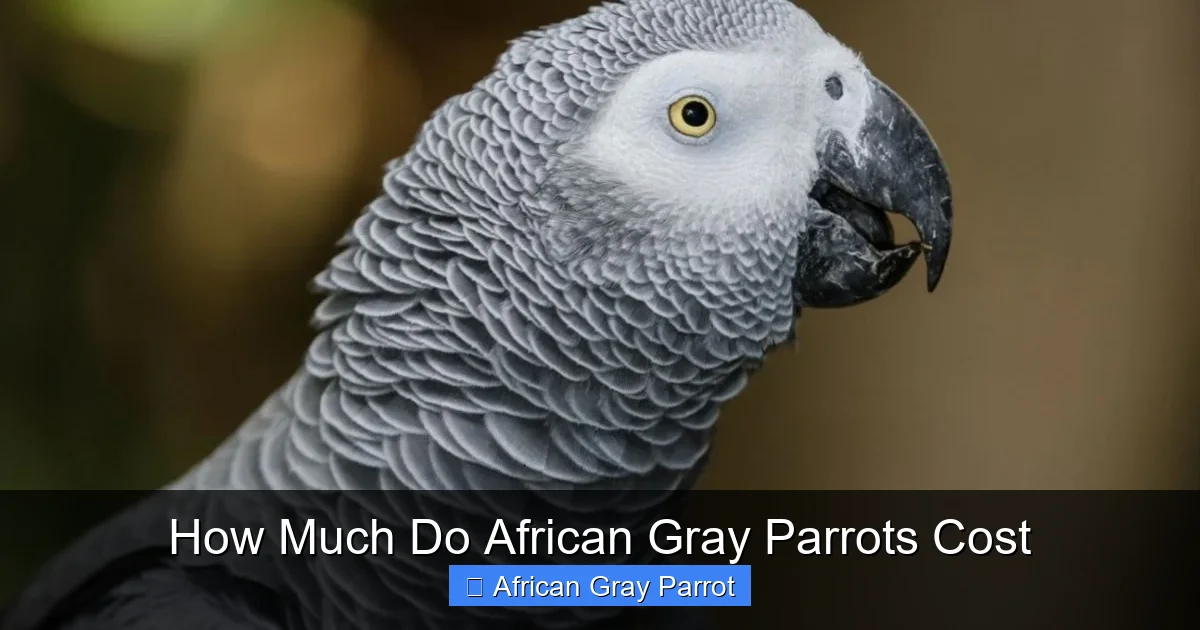
African Gray Parrots typically cost $1,500 to $4,000 upfront, with lifetime care expenses reaching $50,000 to $80,000 over their 50-year lifespan. This guide breaks down every cost so you can budget confidently before bringing one home.
Key Takeaways
- Purchase price varies by source: Breeders charge $2,000 to $4,000 while rescues cost $500 to $1,500 with adoption fees.
- Annual care costs average $2,000 to $3,500: Food, toys, vet visits, and cage maintenance add up quickly each year.
- Lifetime cost exceeds $50,000: With 50+ year lifespans, total ownership often reaches $60,000 to $80,000 or more.
- Hidden expenses surprise new owners: Emergency vet care, specialized diets, and behavioral training aren’t in initial budgets.
- Congo and Timneh subspecies differ in price: Congo African Grays cost more ($2,500 to $4,000) than Timnehs ($1,500 to $3,000).
- Rescue adoption saves money upfront: Adoption fees are lower but birds may need extra medical or behavioral care.
- Pet insurance helps manage vet costs: Monthly premiums of $20 to $50 can save thousands on emergency procedures.
Quick Answers to Common Questions
What is the average purchase price of an African Gray Parrot?
The average purchase price ranges from $1,500 to $4,000 depending on the source, with breeders charging $2,500 to $4,000 and rescues charging $500 to $1,500 in adoption fees.
How much does it cost per year to care for an African Gray Parrot?
Annual care costs average $2,000 to $3,500 covering food, toys, routine vet care, grooming, and supplies, not including emergency medical expenses.
What is the total lifetime cost of owning an African Gray Parrot?
With a 50-year lifespan, total lifetime costs typically range from $80,000 to $150,000 including purchase, setup, annual care, emergencies, and boarding.
Are Congo or Timneh African Grays more expensive?
Congo African Grays typically cost more ($2,500 to $4,000) than Timneh African Grays ($1,500 to $3,000) due to higher demand and larger size.
Does pet insurance cover African Gray Parrots?
Yes, several companies offer avian insurance for $20 to $50 monthly covering accidents and illnesses, though pre-existing conditions are excluded and policies have coverage limits.
📑 Table of Contents
- Understanding the True Cost of African Gray Parrot Ownership
- Purchase Price Breakdown by Source
- Initial Setup Costs Before Your Bird Arrives
- Ongoing Monthly and Annual Expenses
- Hidden and Unexpected Costs
- Lifetime Cost Projection
- Money-Saving Strategies That Don’t Compromise Care
- Regional Price Variations Across the United States
- Financial Planning for Your Parrot’s Future
- Is an African Gray Parrot Worth the Cost?
- Final Thoughts on African Gray Parrot Costs
Understanding the True Cost of African Gray Parrot Ownership
You have probably seen videos of African Gray Parrots talking up a storm. They mimic voices. They solve puzzles. They bond deeply with their people. It is easy to fall in love. But before you bring one home, you need to know the real numbers. The price tag on the bird is just the beginning.
Many first-time owners focus only on the purchase price. They forget about the cage. The toys. The specialized diet. The avian vet bills. The emergency fund. Over a 50-year lifespan, these costs compound into a major financial commitment. This guide walks you through every expense so you can make an informed decision.
Purchase Price Breakdown by Source
Buying from Reputable Breeders
Reputable breeders charge the most. You typically pay $2,500 to $4,000 for a hand-raised, well-socialized baby. Congo African Grays sit at the higher end. Timneh African Grays cost slightly less. The price reflects health testing, proper weaning, early socialization, and genetic screening. Good breeders also offer lifetime support. They will take the bird back if you can no longer care for it.
Visual guide about How Much Do African Gray Parrots Cost
Image source: petsuppliesunlimited.com
Ask for health certificates. Request to see the parents. Visit the facility if possible. A breeder who refuses visits is a red flag. You want a bird raised in a clean, stimulating environment. Not a warehouse.
Pet Store Prices and Risks
Pet stores often list African Grays between $2,000 and $3,500. The convenience is tempting. But many store birds come from commercial breeding operations. These birds may lack proper socialization. They can develop fear-based behaviors. Health guarantees are often limited. You also miss the chance to meet the breeder and see the parents.
If you buy from a store, ask for the source. Request vet records. Observe the bird’s behavior carefully. A bird that hides, screams, or bites may need extensive rehabilitation.
Rescue and Adoption Costs
Adoption fees range from $500 to $1,500. This is the most affordable way to bring an African Gray home. Rescues include vet checks, disease testing, and behavioral assessments. Many birds are surrendered due to owner life changes, not behavior problems. You give a second chance to a deserving bird.
Older birds come with known personalities. What you see is what you get. But rescues may have undisclosed trauma. Budget for potential behavioral consultations. Some rescues offer post-adoption support. Take advantage of it.
Private Rehoming Situations
Owners sometimes rehome directly. Prices vary wildly from free to $2,000. Free birds often come with significant issues. Always meet the bird multiple times. Get a vet check before committing. Ask why they are rehoming. Honest answers help you prepare.
Initial Setup Costs Before Your Bird Arrives
The Right Cage Is Non-Negotiable
African Grays need large cages. Minimum dimensions are 36 x 24 x 48 inches. Bar spacing must be 3/4 to 1 inch. Quality powder-coated or stainless steel cages cost $400 to $1,200. Cheap cages rust. They have toxic coatings. They break. Your bird deserves safe housing. This is not the place to save money.
Add $100 to $200 for cage accessories. Perches of varying diameters. Natural wood perches help foot health. Rope perches provide comfort. Platform perches give rest spots. Avoid sandpaper perch covers. They damage feet.
Travel Carrier for Vet Visits
You need a sturdy carrier. Hard-sided carriers cost $50 to $150. Soft-sided carriers work for calm birds. Practice loading before the first vet trip. A stressed bird in a flimsy carrier is dangerous. Secure the carrier in your vehicle. Never let a bird loose in a moving car.
First Vet Visit and Baseline Testing
Schedule a vet visit within 72 hours of bringing your bird home. Avian vet exams cost $100 to $250. Baseline blood work adds $150 to $300. Disease screening for Psittacosis, PBFD, and Polyomavirus costs $200 to $400. This establishes health records. It catches hidden issues early. Budget $500 to $1,000 for initial veterinary care.
Food and Supplement Starter Supply
High-quality pellets form the diet foundation. Brands like Harrison’s, Roudybush, or TOPS cost $30 to $50 per month. Fresh vegetables and fruits add $40 to $60 monthly. Nuts and seeds are treats, not staples. Calcium supplements for African Grays cost $15 to $25 per bottle. Stock a month’s supply before arrival.
Toys and Enrichment Essentials
African Grays destroy toys. It is their job. Budget $50 to $100 monthly for toy rotation. Foraging toys. Puzzle toys. Shreddable toys. Foot toys. Rotate weekly to prevent boredom. Bored Grays develop feather plucking. They scream. They bite. Enrichment is cheaper than behavior modification.
Ongoing Monthly and Annual Expenses
Food Costs Add Up Fast
Expect to spend $70 to $120 monthly on food. Pellets: $30 to $50. Fresh produce: $40 to $60. Healthy treats: $10 to $20. Organic produce costs more but reduces pesticide exposure. African Grays are prone to calcium deficiency. Factor in supplements. Buying in bulk saves money. Join parrot owner co-ops for group discounts.
Toy Replacement Budget
Plan for $50 to $150 monthly on toys. A determined Gray can destroy a $30 toy in an hour. Make your own toys to save money. Untreated pine blocks. Paper rolls. Vine balls. Seagrass mats. Supervise new materials. Ensure all components are bird-safe. No zinc. No lead. No toxic dyes.
Routine Veterinary Care
Annual wellness exams cost $150 to $300. Blood work every 1 to 2 years adds $200 to $400. Fecal exams: $50 to $100. Nail and beak trims: $20 to $50 if not done at home. Vaccinations are not routine for parrots. But preventive care catches problems early. Early treatment is always cheaper than emergency care.
Pet Insurance Considerations
Avian insurance costs $20 to $50 monthly. Policies cover accidents and illnesses. Pre-existing conditions are excluded. Read the fine print. Some policies cap per-incident payouts. Others have annual limits. Insurance makes sense for young, healthy birds. It provides peace of mind for catastrophic costs.
Grooming and Maintenance
Nail trims: $15 to $30 every 4 to 6 weeks. Beak trims: rarely needed if diet and toys are correct. Wing trims: controversial. Many owners choose flighted birds. Flight provides exercise and confidence. If you trim, learn proper technique or pay a pro. Feather care happens naturally with bathing. Offer shower perches or misting daily.
Hidden and Unexpected Costs
Emergency Veterinary Expenses
Avian emergencies happen at night. On weekends. On holidays. Emergency exam fees: $150 to $300. Hospitalization: $200 to $500 per day. Surgery: $1,000 to $5,000+. Diagnostic imaging: $300 to $800. A single emergency can cost $2,000 to $10,000. Maintain a dedicated emergency fund. Credit cards work but accrue interest. CareCredit offers promotional financing for vet care.
Behavioral Consultation Fees
African Grays are sensitive. Changes trigger plucking. Screaming. Aggression. Certified parrot behavior consultants charge $100 to $200 per session. Most issues need 3 to 6 sessions. Virtual consultations cost less. Early intervention prevents entrenched problems. Budget $500 to $1,500 for potential behavioral help.
Home Modifications for Safety
Non-stick cookware kills birds. Replace with stainless steel, cast iron, or ceramic. Cost: $200 to $1,000. Scented candles, air fresheners, and essential oils are toxic. Remove them. Ceiling fans must be disabled or guarded. Windows need screens or decals. Toxic houseplants must go. Bird-proofing a home costs $500 to $2,000.
Boarding and Pet Sitting
You will travel. Birds need care. Avian boarding: $25 to $50 per day. In-home pet sitters with bird experience: $30 to $60 per visit. Book early for holidays. Have a backup sitter. Provide detailed care guides. Video call to check in. Annual boarding costs: $500 to $2,000 depending on travel frequency.
Cleaning Supplies and Air Quality
Bird-safe cleaners cost more. Vinegar and water works for daily cleaning. Enzymatic cleaners for deep cleaning: $15 to $30 per bottle. HEPA air purifiers: $150 to $400 each. You need multiple units. Replace filters every 6 to 12 months. Annual air quality costs: $200 to $500.
Lifetime Cost Projection
Conservative 50-Year Estimate
Let us run the numbers. Purchase: $3,000 average. Initial setup: $2,000. Annual care: $2,500 average. 50 years x $2,500 = $125,000. Emergency fund events: assume 3 major events at $5,000 each = $15,000. Boarding over 50 years: $15,000. Home modifications: $2,000. Behavioral help: $1,000. Total: approximately $163,000.
This assumes no inflation. No major health crises. No lifestyle changes requiring premium care. Realistically, many owners spend $80,000 to $120,000 over a bird’s life. Still a massive commitment.
Cost Comparison to Other Pets
A dog costs $15,000 to $30,000 over 12 years. A cat: $10,000 to $20,000 over 15 years. An African Gray: $80,000+ over 50 years. The annual cost is comparable. But the duration multiplies everything. You are signing up for a decades-long financial obligation. Plan accordingly.
Inflation and Rising Costs
Vet costs rise faster than inflation. Specialized avian care is scarce. Prices increase yearly. Food costs fluctuate with agriculture markets. Budget a 3 to 5 percent annual increase. Invest early savings to offset future costs. A dedicated investment account for bird expenses is smart planning.
Money-Saving Strategies That Don’t Compromise Care
Adopt Instead of Shop
Rescue adoption saves $1,500 to $3,000 upfront. Many rescues include starter supplies. Some offer free behavioral support. You avoid supporting questionable breeding practices. Older birds skip the chaotic baby phase. You know the personality. The savings are real and ethical.
DIY Toys and Enrichment
Commercial toys cost $15 to $40 each. DIY toys cost pennies. Collect safe materials. Pine cones (baked to sterilize). Untreated wood blocks. Paper products. Seagrass. Vine. Coconut shells. Rotate daily. A $20 investment in parts yields months of toys. Join online groups for ideas. Safety first. No string longer than 6 inches. No small swallowable parts.
Buy Food in Bulk
Pellets in 20-pound bags cost 30 percent less per pound. Split with other owners. Store in airtight containers. Freeze portions to maintain freshness. Buy frozen vegetables in bulk. Thaw daily portions. Farmers markets offer cheap seasonal produce. Grow bird-safe herbs and greens. Every dollar saved compounds over decades.
Learn Basic Grooming
Nail trims at the vet: $20 to $40 each. Every 4 weeks. That is $260 to $520 yearly. Quality nail clippers: $15. Styptic powder: $10. Learn from your vet. Practice on calm days. Save hundreds annually. Same for wing trims if you choose them. Beak trims should stay with pros.
Preventive Care Saves Money
Annual exams catch issues early. A $200 blood panel prevents a $5,000 hospitalization. Proper diet prevents metabolic bone disease. Enrichment prevents feather destruction. Training prevents aggression. Every preventive dollar saves ten curative dollars. This is not ake preventive care non-negotiable.
Build an Emergency Fund Gradually
Start with $500. Add $50 monthly. In two years, you have $1,700. In five years, $3,500. Keep it separate. Only for bird emergencies. Replenish after use. This prevents credit card debt. It reduces stress during crises. Your bird gets care without financial panic.
Regional Price Variations Across the United States
High-Cost Metropolitan Areas
New York, Los Angeles, San Francisco, Seattle. Breeder prices run 20 to 40 percent higher. Avian vets charge premium rates. Boarding costs more. Food costs more. Expect total costs 25 to 35 percent above national averages. A $3,000 bird costs $4,000. Annual care of $2,500 becomes $3,300.
Midwest and Southern Regions
Lower cost of living means lower prices. Breeders charge $2,000 to $3,000. Avian vets are fewer but cheaper. Boarding: $15 to $30 daily. Food costs less. Total ownership may run 15 to 20 percent below average. But fewer avian vets means travel for specialized care. Factor in travel costs.
Rural Area Challenges
Purchase price may be lower. But the nearest avian vet could be 3 hours away. Emergency care requires long drives. Specialized supplies ship in. Shipping adds up. Boarding options may not exist. You need a reliable vehicle. Budget for travel time and fuel. Rural ownership has hidden costs.
Financial Planning for Your Parrot’s Future
Include Your Bird in Estate Planning
African Grays outlive many owners. Name a caregiver in your will. Set up a pet trust. Fund it adequately. $50,000 to $100,000 ensures lifetime care. Specify diet, vet, and housing standards. Choose a trustee separate from the caregiver. Review annually. This protects your bird if you pass first.
Life Insurance for Pet Care Funding
A small term life policy can fund the pet trust. $100,000 policy costs $15 to $30 monthly for healthy adults. Name the trust as beneficiary. This guarantees care funding. It relieves family burden. It is responsible ownership for a 50-year companion.
Create a Care Instruction Manual
Document everything. Diet specifics. Medication instructions. Vet contacts. Behavioral triggers. Favorite toys. Daily routine. Emergency contacts. Update quarterly. Share with named caregivers. A detailed manual ensures continuity. It reduces stress during transitions.
Is an African Gray Parrot Worth the Cost?
The Value of Companionship
Only you can answer this. African Grays offer unique bonds. They communicate. They empathize. They share 50 years of your life. No dog or cat matches this cognitive connection. For the right person, the cost fades beside the relationship. But the cost is real. Do not ignore it.
Assessing Your Financial Readiness
Can you afford $2,500 to $3,500 annually for 50 years? Can you handle a $5,000 emergency vet bill tomorrow? Will your income remain stable? Do you have savings? Insurance? Support system? Be honest. Rehoming a bonded Gray is traumatic for the bird. It is better to wait than to surrender.
Alternatives to Consider
If the cost is prohibitive, consider other species. Cockatiels cost $100 to $300. Lifetime cost: $10,000 to $15,000. Conures: $300 to $800. Lifetime: $20,000 to $35,000. Senegals: $500 to $1,500. Lifetime: $30,000 to $50,000. Smaller parrots offer companionship at lower cost. Volunteer at a rescue. Get your parrot fix without the lifetime price tag.
Final Thoughts on African Gray Parrot Costs
How much do African Gray Parrots cost? The short answer: $1,500 to $4,000 to buy. $2,000 to $3,500 per year to keep. $80,000 to $150,000 over a lifetime. The long answer: they cost time. Patience. Emotional energy. Lifestyle flexibility. They cost spontaneous vacations. Non-stick pans. Scented candles. Quiet mornings.
They give back intelligence. Humor. Affection. A presence that fills a home. They learn your phrases. They comfort you on bad days. They outlive your mortgage. Your career. Maybe you.
If you have the means, the time, and the heart, an African Gray enriches life immeasurably. But go in with open eyes. Open wallet. Open schedule. The bird deserves nothing less. Your future self deserves the truth.
Start saving now. Research breeders and rescues. Find an avian vet. Bird-proof your home. Read everything. Talk to owners. The preparation period is part of the journey. When you finally bring that gray feathered genius home, you will be ready. Not just financially. Completely.
Frequently Asked Questions
What are the most expensive aspects of African Gray Parrot ownership?
The most expensive aspects are emergency veterinary care (which can cost $2,000 to $10,000 per incident), specialized diet and supplements ($70 to $120 monthly), and toy replacement ($50 to $150 monthly) due to their destructive intelligence.
Can I reduce costs by buying a cheaper cage or food?
Cutting costs on cages and food is dangerous. Cheap cages may contain toxic metals like zinc or lead, and poor diets cause metabolic bone disease, feather plucking, and shortened lifespans that ultimately cost more in vet bills.
Do African Gray Parrots need specialized avian veterinarians?
Yes, African Grays require board-certified avian veterinarians. Regular dog and cat vets lack the training and equipment to properly diagnose and treat birds. Avian vet visits cost $150 to $300 for routine exams.
What hidden costs do new African Gray owners forget to budget for?
New owners often forget home bird-proofing ($500 to $2,000), air purifiers and filters ($200 to $500 annually), boarding or pet sitting ($500 to $2,000 yearly), behavioral consultations ($500 to $1,500), and estate planning for the bird’s future care.
Is adopting an African Gray from a rescue cheaper than buying from a breeder?
Yes, adoption fees ($500 to $1,500) are significantly lower than breeder prices ($2,500 to $4,000). Rescues often include initial vet checks, disease testing, and behavioral assessments, though some rescues may need additional medical or behavioral investment.
How can I financially prepare for 50 years of parrot ownership?
Create a dedicated savings account for bird expenses, build a $5,000 emergency fund, consider avian insurance, buy food and supplies in bulk, learn DIY grooming and toy-making, set up a pet trust in your will, and budget 3 to 5 percent annual cost increases for inflation.