
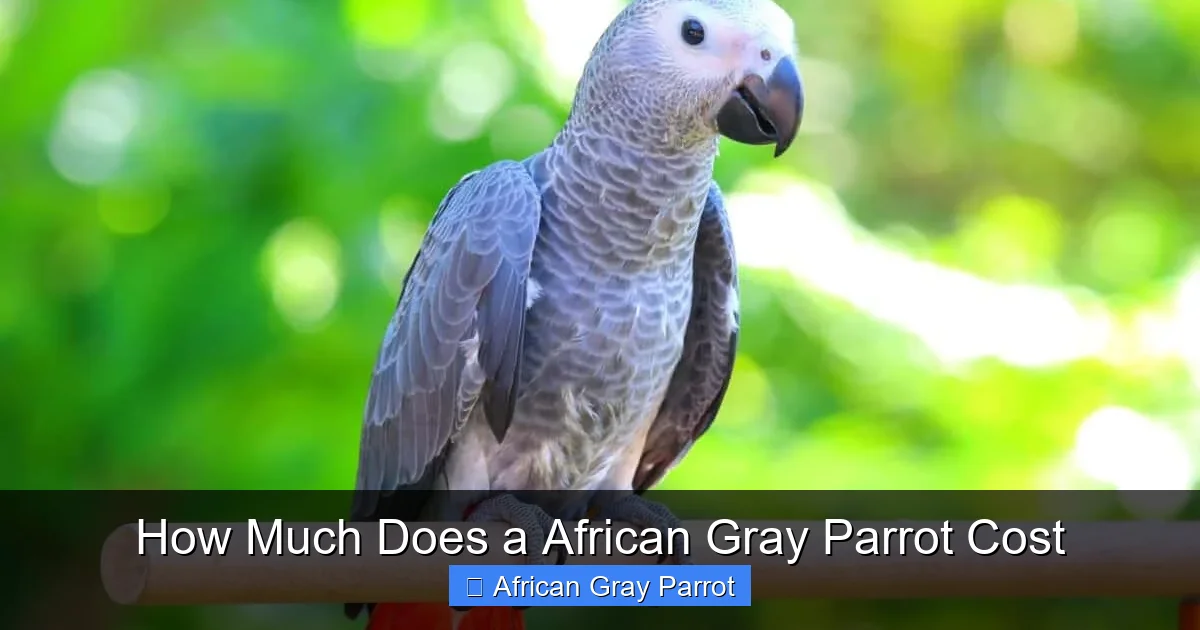
The average price for a healthy African gray parrot ranges from $1,000 to $3,500. Ongoing care adds several hundred dollars each month. Planning ahead helps you avoid surprise expenses.
If you have ever wondered how much does a african gray parrot cost, you are not alone. Many bird lovers start their journey with a simple price check. The answer is not a single number. It depends on where you buy, the bird’s age, and the extras you will need. This guide breaks down every cost so you can plan with confidence.
African gray parrots are famous for their intelligence and talking ability. That popularity drives demand. High demand means a wide price spread. Knowing the factors behind the price helps you avoid overpaying or buying a sick bird. Let’s dive into the details.
Key Takeaways
- Purchase price varies: Breeders, pet stores, and rescues each set different rates.
- Age and color matter: Younger birds and rare mutations cost more.
- Hidden costs add up: Cages, diet, vet visits, and toys are essential.
- Monthly budget: Expect $150‑$300 per month for food, enrichment, and health care.
- Reputable source is key: Good breeders provide health guarantees and support.
- Long‑term commitment: These parrots live 40‑60 years, so lifetime costs are high.
- Adoption can save money: Rescues often charge less and include starter supplies.
Quick Answers to Common Questions
What is the average purchase price of an African gray parrot?
The average purchase price ranges from $1,000 to $3,500 depending on source, age, and color mutation.
How much should I budget for monthly care?
Plan for $150 to $300 each month for food, toys, vet fund, and insurance.
Are rescue parrots cheaper than breeder birds?
Yes, rescues typically charge $500 to $1,200 and often include a cage and initial vet check.
Do African gray parrots need special veterinary care?
They require avian‑specialist vets; regular check‑ups and emergency care can be more expensive than for dogs or cats.
Can I reduce costs by buying a used cage?
A used stainless‑steel cage can save money, but inspect it carefully for rust, sharp edges, and proper size.
📑 Table of Contents
Understanding the Market Price
Breeder vs Pet Store vs Rescue
Breeders usually charge the most. They invest in genetics, health testing, and hand‑raising. Prices from reputable breeders often start around $1,500 and can reach $3,500 for a well‑socialized young bird. Pet stores may list lower prices, sometimes $1,000 to $2,000, but the birds can come from mass‑production facilities. Rescues and shelters typically ask $500 to $1,200. They often include a basic cage and a vet check.
Geographic Differences
Location changes the price. In large metropolitan areas, demand is higher and breeders charge more. Rural areas may have fewer breeders, so shipping fees add to the cost. International buyers face import permits, quarantine, and freight charges that can double the base price.
Age and Color Variations
Young chicks (under 6 months) cost more because they need hand‑feeding and socialization. Adult birds that are already talking may be priced lower. Rare color mutations like the “blue” or “lutino” African gray can add $500 to $1,500 to the standard price. Standard gray birds remain the most affordable option.
Hidden Costs Beyond the Purchase Price
Cage and Accessories
A proper cage for an African gray must be at least 36 × 24 × 48 inches. Quality stainless‑steel cages run $300 to $800. Add perches, food bowls, and a play gym, and you spend another $150 to $300. Cheap cages rust and can harm the bird’s feet.
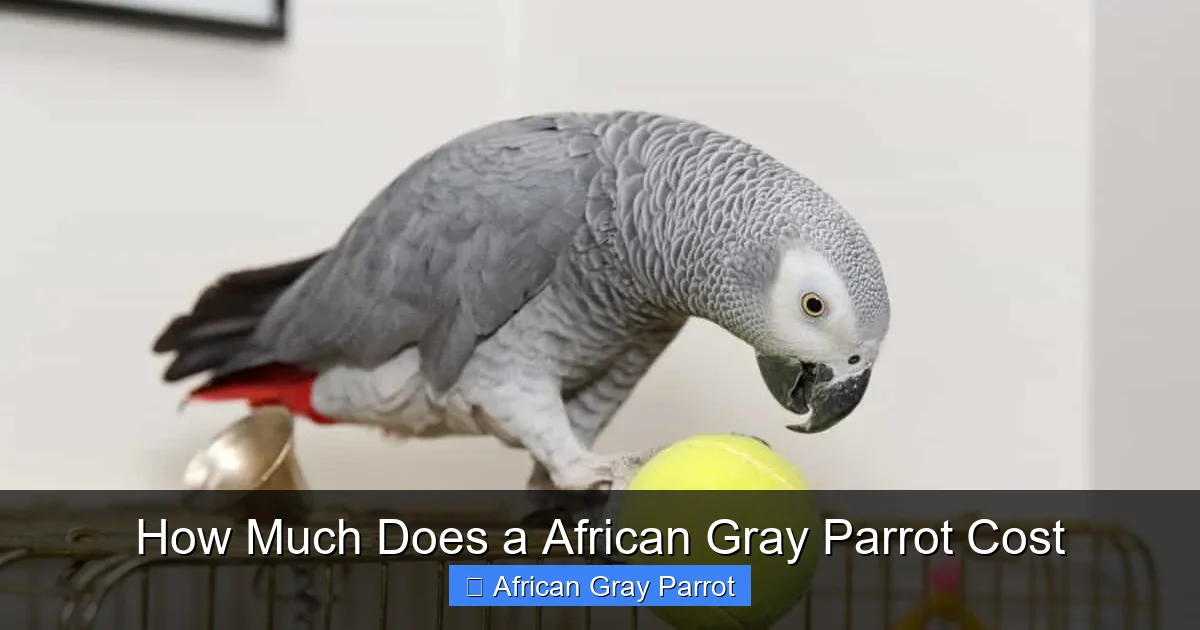
Visual guide about How Much Does a African Gray Parrot Cost
Image source: bubblypet.com
Diet and Supplements
These parrots need a varied diet: pellets, fresh fruits, vegetables, nuts, and occasional seeds. High‑quality pellet brands cost $30 to $50 per month. Fresh produce adds $20 to $40. Calcium and vitamin supplements cost $10 to $15 monthly.
Veterinary Care
An initial wellness exam costs $80 to $150. Annual check‑ups, blood work, and vaccinations add $150 to $300 per year. Emergency visits can exceed $500. Bird‑specialist vets are rarer, so travel may be needed.
Training and Enrichment
Professional training sessions run $50 to $100 per hour. Many owners invest in puzzle toys, foraging boxes, and interactive games. A monthly toy budget of $30 to $60 keeps the bird mentally healthy.
Ongoing Monthly Expenses
Food
Expect to spend $50 to $90 each month on pellets, fresh food, and treats. Buying in bulk reduces the per‑unit cost.
Toys and Enrichment
Rotate toys weekly to prevent boredom. A set of 5‑7 durable toys costs $30 to $60 per month.
Health Checks
Set aside $15 to $30 monthly for routine vet fund contributions. This cushions unexpected bills.
Insurance
Pet insurance for exotic birds averages $20 to $40 per month. It covers accidents and illness but read the fine print for exclusions.
How to Find a Reputable Source
Research Breeders
Look for breeders who belong to avian associations. Ask for references from past buyers. A good breeder will let you visit the aviary.
Visit in Person
See the bird’s living conditions. Clean cages, fresh water, and social interaction are signs of quality care.
Ask for References
Contact previous customers. Ask about health, temperament, and post‑sale support.
Check Certifications
Some breeders hold certifications from the Association of Avian Veterinarians or similar bodies. Those credentials indicate higher standards.
Budgeting Tips for First‑Time Owners
Set a Realistic Budget
Add purchase price, cage, initial vet visit, and first month of supplies. That total often lands between $2,500 and $5,000.
Plan for Emergencies
Create an emergency fund of at least $1,000. Birds hide illness well, so sudden vet bills are common.
Consider Adoption
Rescues often include a cage, toys, and a health guarantee. Adoption fees are lower, and you give a bird a second chance.
Track Expenses
Use a simple spreadsheet. Log every purchase. Review monthly to adjust your budget.
Long‑Term Financial Commitment
Lifespan Costs
African grays live 40 to 60 years. Multiply the average monthly cost ($200) by 12 months and 50 years. The lifetime expense can exceed $120,000.
Resale Value
Well‑trained, healthy birds retain value. However, the market for used parrots is limited. Do not count on resale to offset costs.
Estate Planning
Include the bird in your will or a pet trust. Designate a caregiver and allocate funds for lifelong care.
Owning an African gray parrot is a rewarding adventure. The upfront price is only the beginning. By understanding every cost, you can give your feathered companion a happy, healthy life without financial surprises. Plan early, choose a reputable source, and enjoy the conversation that only a gray can provide.
Frequently Asked Questions
What factors influence the price of an African gray parrot?
Price depends on the source (breeder, pet store, rescue), the bird’s age, color mutation, geographic location, and whether the bird is hand‑raised or parent‑raised.
How much does a cage for an African gray cost?
A suitable stainless‑steel cage costs between $300 and $800, plus $150 to $300 for perches, bowls, and a play gym.
What are the typical monthly food expenses?
Expect to spend $50 to $90 per month on high‑quality pellets, fresh fruits, vegetables, nuts, and supplements.
Is pet insurance worth it for an African gray?
Insurance averages $20 to $40 monthly and can cover costly emergencies; evaluate policies for avian coverage before buying.
How long do African gray parrots live?
They commonly live 40 to 60 years, so owners must plan for decades of care and associated costs.
Can I adopt an African gray parrot instead of buying?
Yes, many rescues and shelters have African grays available for adoption fees of $500 to $1,200, often including starter supplies.