
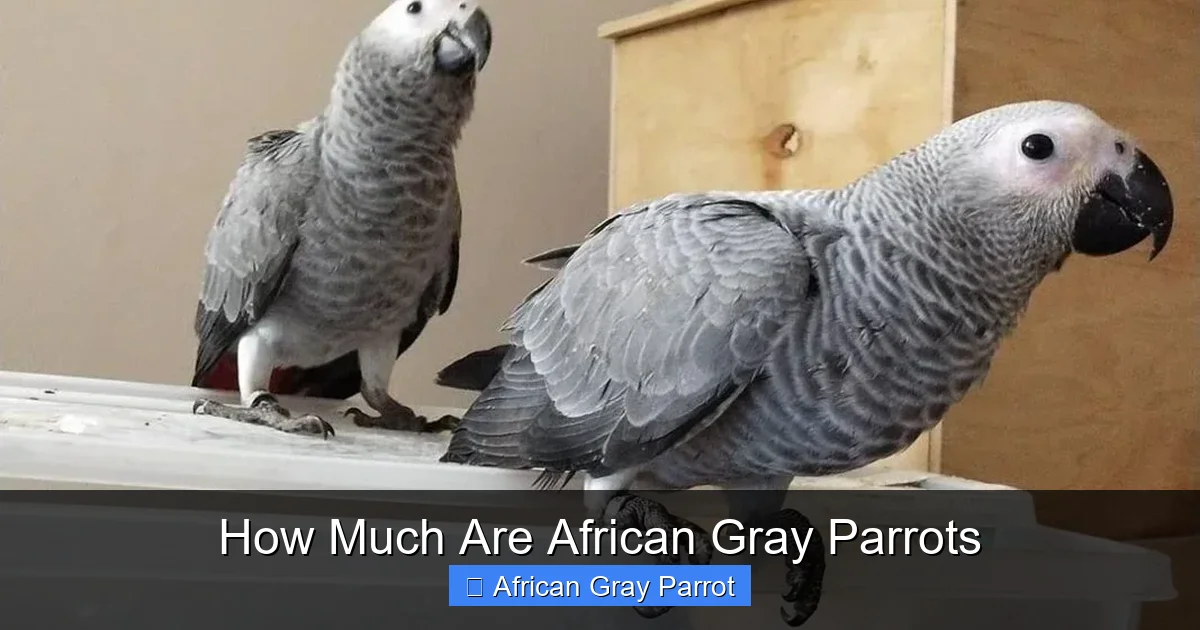
African gray parrots typically cost $1,500 to $4,000 upfront, but lifetime expenses can exceed $50,000. This guide covers every cost factor so you can budget smartly before bringing one home.
Thinking about adding an African gray parrot to your family? You are not alone. These remarkable birds are famous for their intelligence and talking ability. But before you fall in love with those soulful eyes, you need to understand the true cost. Many people ask how much are African gray parrots when they start their research. The answer goes far beyond the price tag on the bird itself.
I have spent years talking with breeders, avian veterinarians, and longtime parrot owners. The stories are consistent. People budget for the bird. They forget about the cage, the toys, the specialized diet, and the vet bills. A seemingly affordable purchase can turn into a financial strain. This guide breaks down every expense you will face. From the first day to the fiftieth year. You will know exactly what to expect.
Key Takeaways
- Purchase price ranges from $1,500 to $4,000: Cost varies by age, breeder reputation, and whether the bird is hand-raised or parent-raised.
- Annual care costs average $2,000 to $4,000: Food, toys, vet visits, and cage maintenance add up quickly each year.
- Lifetime costs can exceed $50,000: With a 50 to 60 year lifespan, the total financial commitment is substantial.
- Hidden expenses include emergency vet care: Unexpected illnesses or injuries can cost thousands in a single visit.
- Adoption is a lower-cost alternative: Rescues often charge $500 to $1,500 and include initial vet screening.
- Ongoing enrichment is essential: These intelligent birds need constant mental stimulation through toys and interaction.
- Pet insurance can offset major medical costs: Monthly premiums of $20 to $50 provide peace of mind for expensive treatments.
Quick Answers to Common Questions
What is the average purchase price for an African gray parrot?
The average purchase price ranges from $1,500 to $4,000 depending on age, subspecies, breeder reputation, and whether the bird is hand-raised.
How much does it cost annually to care for an African gray?
Annual care costs typically run $2,000 to $4,000 covering food, toys, routine vet care, grooming, and supplies.
Are Timneh African grays cheaper than Congo African grays?
Yes, Timneh African grays typically cost $1,500 to $3,000 while Congo African grays run $2,000 to $4,000.
Is pet insurance worth it for an African gray parrot?
Pet insurance at $20 to $50 monthly can save thousands on emergency care, but must be purchased before any health issues develop.
Can I adopt an African gray instead of buying from a breeder?
Yes, rescues charge $500 to $1,500 adoption fees which usually include initial veterinary screening and support.
📑 Table of Contents
Understanding the Initial Purchase Price
The first number you will see is the purchase price. This varies widely. You might see ads for $800. You might see breeders asking $5,000. Why such a huge range? Several factors drive the cost. Understanding them helps you spot a fair deal.
Age and Training Level
Baby birds cost more than adults. A weaned baby around three to six months old typically runs $2,000 to $3,500. These birds are hand-fed and socialized. They bond easily with new owners. Older birds, especially those over five years, often sell for $1,000 to $2,000. Some seniors in need of rehoming go for even less. But older birds may have behavioral issues. They may scream, pluck feathers, or bond only to one person. You are paying for a clean slate with a baby.
Breeder Reputation and Location
Reputable breeders charge more. They invest in genetic testing, proper nutrition, and early socialization. They offer health guarantees. They provide lifetime support. A backyard breeder might sell for $1,200. But the bird could have hidden health problems. Geographic location matters too. Prices run higher in urban areas with high demand. Rural breeders often charge less. Shipping a bird adds $300 to $600 depending on distance and airline.
Congo vs Timneh Subspecies
Two main subspecies exist. The Congo African gray is larger. It has bright red tail feathers. It typically costs $2,000 to $4,000. The Timneh African gray is smaller. It has darker charcoal plumage and a maroon tail. Timnehs usually cost $1,500 to $3,000. Both make excellent companions. Timnehs often mature faster emotionally. They may be less prone to anxiety. But Congos are more commonly available.
Hand-Raised vs Parent-Raised
Hand-raised babies are fed by humans from a young age. They see people as flock members. They are tame, curious, and eager to interact. Parent-raised birds stay with their parents. They are not socialized to humans. They cost significantly less, often $800 to $1,500. But they require extensive taming. Some never become truly handleable. For a first-time owner, hand-raised is worth the premium.
Setting Up the Perfect Home
Before your bird arrives, you need a proper setup. This is not optional. African grays are large, powerful, and intelligent. A small cage leads to misery and behavior problems. Budget $800 to $2,000 for the initial setup.
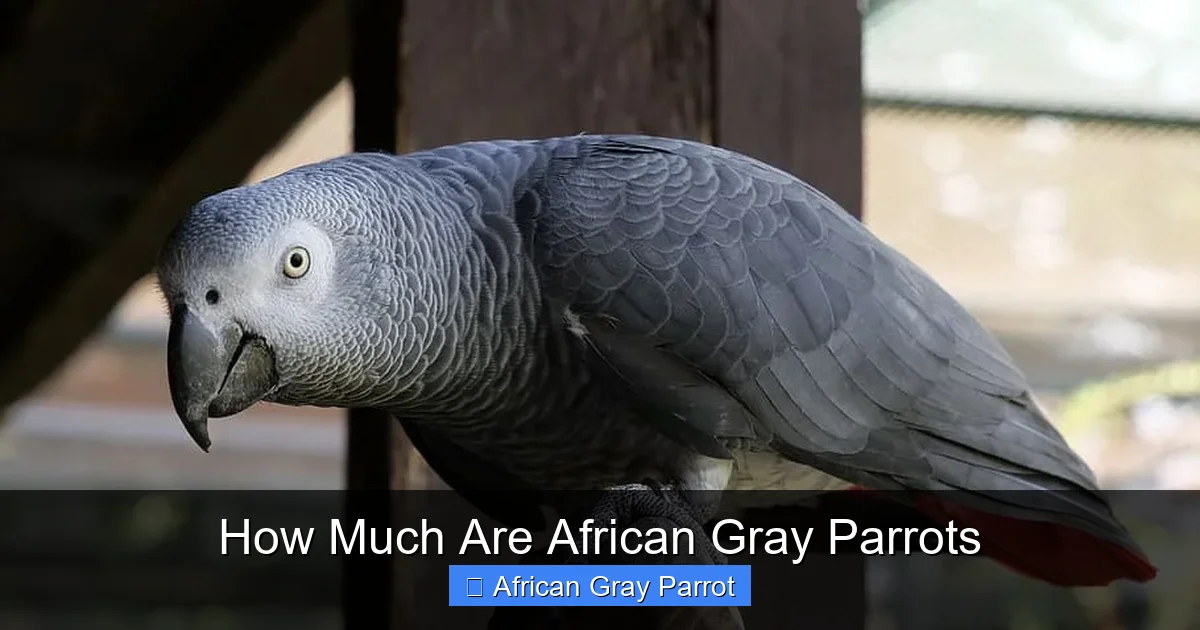
Visual guide about How Much Are African Gray Parrots
Image source: pangovet.com
Choosing the Right Cage
The cage is the single biggest setup expense. Minimum dimensions should be 36 inches wide, 24 inches deep, and 48 inches tall. Bar spacing must be 3/4 inch to 1 inch. Powder-coated or stainless steel only. No painted cages. The paint chips. The bird ingests it. Heavy metal toxicity is deadly. A quality cage costs $500 to $1,500. Brands like Kings, A&E, and Prevue Hendryx are trusted. Used cages can save money. But disinfect thoroughly. Check for rust or damaged welds.
Perches, Bowls, and Accessories
Natural wood perches of varying diameters prevent foot problems. Manzanita, dragonwood, and java wood are excellent. Avoid uniform dowel perches. They cause pressure sores. Budget $100 to $200 for a good perch set. Stainless steel bowls are a must. They do not harbor bacteria. They survive the dishwasher. Get at least four. Two for food, two for water. Foraging bowls add mental stimulation. Add $50 to $100 for bowls.
Play Stands and Travel Carriers
Your bird needs out-of-cage time daily. A play stand provides a safe place. Look for sturdy construction with toy hooks. $150 to $400. A travel carrier is essential for vet visits. Hard-sided carriers are safest. $80 to $150. Never transport a bird loose in a car. A sudden stop turns them into a projectile.
Monthly and Annual Recurring Costs
The purchase is a one-time hit. The recurring costs last decades. This is where many owners get surprised. Annual costs typically run $2,000 to $4,000. Over a 50-year lifespan, that is $100,000 to $200,000. Planning for this prevents heartbreak later.
High-Quality Diet Expenses
African grays need a specialized diet. Seed-only diets cause malnutrition and fatty liver disease. The base should be high-quality pellets. Brands like Roudybush, Harrison’s, and TOPS are avian veterinarian recommended. A 5-pound bag costs $25 to $40. It lasts one bird about six weeks. Fresh vegetables daily are non-negotiable. Dark leafy greens, orange vegetables, and limited fruit. Expect $50 to $80 monthly for fresh produce. Nuts and healthy treats for training add $20 to $30 monthly. Total food budget: $100 to $150 per month.
Toy Rotation and Destruction
African grays are destructive. It is their nature. They chew wood, shred paper, and dismantle puzzles. This is not bad behavior. It is essential enrichment. A bored gray becomes a screaming, plucking gray. You need a constant supply of toys. Foraging toys, shreddable toys, foot toys, and puzzle toys. Budget $50 to $100 monthly. Some owners make DIY toys to save money. Phone books, cardboard boxes, and untreated pine blocks work well. But safety first. No toxic glues, staples, or treated wood.
Routine Veterinary Care
Annual wellness exams are crucial. Birds hide illness instinctively. By the time you see symptoms, it is often advanced. An avian vet visit costs $150 to $300. Blood work adds $100 to $200. Fecal exams, gram stains, and heavy metal screening may be recommended. Budget $300 to $500 annually for routine care. Find an avian veterinarian before you need one. Dog and cat vets often lack bird expertise.
Grooming and Maintenance
Nail trims every few months. Beak trims occasionally. Wing trims if you choose to clip. Many avian vets include these in the exam fee. Some charge $20 to $50 per service. You can learn to do nails at home. But beak trims should stay professional. A cracked beak bleeds profusely. Shower perches or misting bottles for bathing cost $20 to $40. Replace cage liners, cleaning supplies, and air purifier filters regularly. Add $100 to $200 annually.
Hidden and Unexpected Expenses
Life throws curveballs. Parrots are masters at finding trouble. These expenses catch owners off guard. Having an emergency fund is not optional. It is responsible ownership.
Emergency Veterinary Care
A single emergency visit can cost $500 to $2,000. Hospitalization runs $200 to $500 per day. Surgery for crop impaction, egg binding, or fracture repair can exceed $3,000. Heavy metal toxicity treatment is intensive and expensive. Feather destructive behavior workups involve extensive testing. I know owners who spent $10,000 in one year on medical crises. Pet insurance helps. But you need it before problems arise. Pre-existing conditions are never covered.
Behavioral Consultations
African grays are sensitive. Changes in routine, new pets, or family stress trigger problems. Screaming, biting, and feather plucking are common. A certified parrot behavior consultant charges $100 to $300 per session. Most issues require multiple sessions. Virtual consultations are more affordable. But in-home visits are more effective. Budget $500 to $1,500 if serious issues develop. Early intervention saves money and heartache.
Boarding and Pet Sitting
You will travel eventually. Birds cannot be left alone. Boarding at an avian vet clinic costs $30 to $60 per day. Specialized bird sitters charge $25 to $50 per visit. They come twice daily. For a two-week vacation, expect $400 to $800. Some owners trade sitting with other bird people. But you need a reliable backup plan. Last-minute emergencies happen.
Home Modifications and Safety
Non-stick cookware kills birds. Teflon fumes are fatal within minutes. You must replace all non-stick pans. Ceramic, stainless steel, and cast iron are safe. Cost: $200 to $500. Scented candles, air fresheners, and essential oil diffusers are toxic. Remove them. Ceiling fans must be disabled or guarded. Windows need screens or decals. Electrical cords need covers. Lead and zinc sources must be eliminated. These changes add up.
Factors That Influence Total Cost
Not every African gray costs the same to keep. Your choices and circumstances change the numbers significantly. Understanding these variables helps you plan realistically.
Geographic Location
Veterinary costs vary wildly by region. Urban avian vets charge more. Rural areas may have no avian vet within three hours. Travel costs for care add up. Cost of living affects food prices. Fresh produce is cheaper in agricultural areas. Boarding costs follow local rates. Research your specific area. Talk to local bird owners. Get real numbers.
Single Bird vs Multiple Birds
Two birds do not double every cost. Cages, play stands, and carriers are per bird. But food buying in bulk saves money. Vet visits can sometimes be combined. Toys get destroyed twice as fast. The social benefits are real. Grays are flock animals. A companion reduces screaming and loneliness. But it doubles the potential vet bills. And two birds may bond to each other, not you.
DIY vs Store-Bought
Handy owners save thousands. Building cages, play stands, and toys cuts costs dramatically. Growing your own organic produce helps. Learning to groom at home saves $200 to $400 annually. But DIY requires time, tools, and knowledge. Unsafe materials kill birds. Research every material. When in doubt, buy commercial. Your bird’s life is worth more than the savings.
Lifestyle and Work Schedule
If you work long hours, your bird needs more enrichment. Automated foraging devices, video calls, and pet sitters cost money. A stay-at-home owner provides interaction for free. But even then, you need breaks. Respite care adds up. Retirees often make excellent parrot owners. They have time and routine. But fixed incomes make unexpected vet bills harder.
Where to Buy and What to Avoid
Source matters enormously. A cheap bird from a bad source costs far more long-term. Health issues, behavioral trauma, and shortened lifespan are real risks. Know where to look and what red flags signal trouble.
Reputable Breeders
Good breeders welcome visits. Their facility is clean. Birds are alert, feathered, and curious. They show you the parents. They provide complete health records. They test for PBFD, polyomavirus, and chlamydia. They offer a written health guarantee. They ask you questions. They want their birds in good homes. They provide support after sale. Expect to wait. Good breeders have waiting lists. This is a green flag, not a red one.
Avian Specialty Stores
Some stores specialize only in birds. Staff are knowledgeable. Birds are well-cared-for. They source from good breeders. They offer starter kits at package prices. But prices are higher. The store takes a markup. You may not meet the breeder. Ask for the breeder’s name. Research them independently. A good store will provide it.
Bird Rescues and Sanctuaries
Adoption fees range $500 to $1,500. This usually includes vet exam, blood work, and microchip. The bird’s ause. They screen adopters carefully. Home visits are common. They match birds to lifestyles. They offer lifetime support. If it does not work, the bird returns to them. This safety net is invaluable. Many rescued grays are wonderful pets. They just lost their home due to owner death, divorce, or finances.
Red Flags to Avoid
Pet stores selling multiple species. Staff cannot answer basic questions. Birds in small, dirty cages. No health guarantee. Cash only, no receipt. Shipping without seeing photos or video first. “Weaning specials” on unweaned babies. Hand-feeding is dangerous for amateurs. Babies die from aspiration, crop burn, and starvation. Never buy an unweaned bird. No reputable breeder sells them.
Budget Planning Strategies
Knowing the numbers is step one. Planning for them is step two. Smart financial preparation makes ownership joyful instead of stressful. Here are practical strategies from experienced owners.
Create a Parrot Emergency Fund
Start before you buy. Aim for $3,000 to $5,000 in a dedicated account. This covers most emergencies without debt. Add to it monthly. $100 to $200 per month builds it fast. If you never use it, great. It becomes part of your estate planning for the bird. Because your bird will likely outlive you. More on that later.
Consider Pet Insurance
Avian insurance exists. Nationwide offers exotic pet plans. Monthly premiums run $20 to $50 depending on coverage. They reimburse 70% to 90% after deductible. Annual limits apply. Read the fine print. Pre-existing conditions are excluded. Hereditary conditions may be excluded. But for catastrophic illness, insurance saves thousands. Enroll while your bird is young and healthy.
Buy in Bulk and Share
Join local bird clubs. Members pool orders for pellets, toys, and supplies. Group buys save 20% to 40%. Split large bags of pellets before they go stale. Share toy-making materials. Trade toys your bird ignores. Clubs also share vet recommendations and boarding tips. The social support is priceless.
Plan for the Bird’s Future
African grays live 50 to 60 years. Some reach 80. You must plan for their care after you are gone. Name a caregiver in your will. Set up a trust or leave funds. Talk to the person now. Make sure they want the responsibility. Visit an avian attorney. This costs $500 to $2,000. But it prevents your bird from ending up in a shelter. Responsible ownership includes end-of-life planning.
Is an African Gray Worth the Cost?
Only you can answer that. For the right person, absolutely. These birds offer companionship unlike any other pet. They communicate. They joke. They comfort you when you cry. They live decades. They become family. But they demand time, money, and emotional energy. Every single day. For decades.
If the numbers in this guide make you hesitate, listen to that hesitation. It is wisdom. Better to wait than to surrender a bonded bird because you cannot afford a $3,000 surgery. Better to volunteer at a rescue first. Get your gray fix without the financial risk. Many owners started that way.
If you read this and think, “I can do this. I want this.” Then start saving. Research breeders. Find your avian vet. Join a bird club. Prepare your home. The day you bring your African gray home will be worth every penny and every minute of preparation. These birds change lives. But they do it on their terms. And on your budget.
Conclusion
Understanding how much are African gray parrots means looking beyond the purchase price. The initial $1,500 to $4,000 is just the beginning. Setup costs $800 to $2,000. Annual care runs $2,000 to $4,000. Lifetime costs can exceed $100,000. Emergencies, boarding, and behavioral needs add unpredictability. But with planning, budgeting, and realistic expectations, this remarkable companion fits into many lives. The key is going in with eyes wide open. Your future feathered friend deserves nothing less.
Frequently Asked Questions
What is the cheapest way to get an African gray parrot?
Adoption from a rescue organization is typically the lowest upfront cost at $500 to $1,500. These fees include veterinary exams and the bird comes with a known history. Avoid cheap unweaned babies or birds from questionable sources as they often have expensive health or behavioral issues.
How long do African gray parrots live in captivity?
African gray parrots typically live 50 to 60 years in captivity with proper care. Some individuals reach 70 or even 80 years. This exceptional longevity means the financial commitment spans decades and requires estate planning for the bird’s future care.
Do African gray parrots need a special diet?
Yes, African grays require a specialized diet of high-quality pellets (60-70%), fresh vegetables (20-30%), limited fruits, and healthy nuts for training. Seed-only diets cause malnutrition, obesity, and fatty liver disease. Calcium and vitamin A are particularly important for this species.
Can African gray parrots be left alone during work hours?
African grays can tolerate 8-10 hours alone if provided with extensive enrichment, foraging opportunities, and background noise. However, they are highly social and prone to separation anxiety. Many owners use pet cameras, automated feeders, or midday pet sitters to break up long alone periods.
What size cage does an African gray parrot need?
Minimum cage dimensions are 36 inches wide, 24 inches deep, and 48 inches tall with 3/4 to 1 inch bar spacing. Larger is always better. The cage must be powder-coated or stainless steel. Birds need room to fully extend wings, climb, and play without tail feathers hitting bars.
Are African gray parrots good for first-time bird owners?
African grays are generally not recommended for first-time bird owners due to their high intelligence, sensitivity, complex emotional needs, and long lifespan. They require experienced handling to prevent behavioral issues. First-time owners should consider volunteering with rescues or starting with a less demanding species.