
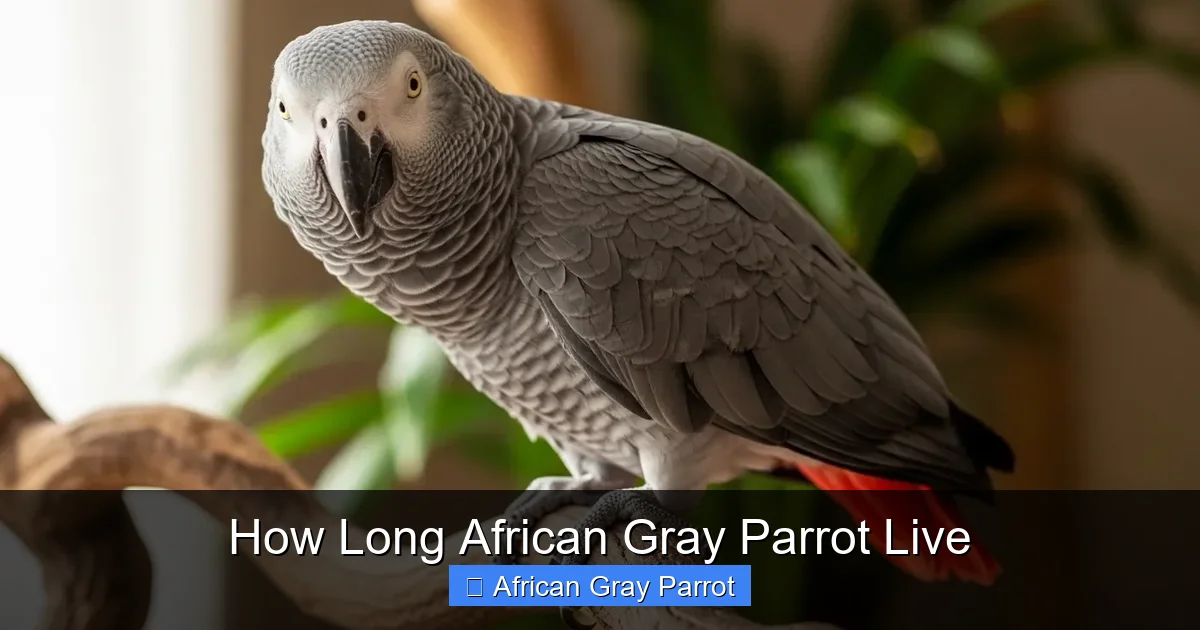
African Gray Parrots typically live 40 to 60 years in captivity with proper care, while wild birds average 20 to 30 years. Their remarkable longevity makes them a lifelong commitment requiring dedicated nutrition, mental stimulation, and veterinary care.
So you are thinking about bringing an African Gray Parrot into your life. That is wonderful news. These birds are brilliant. They are funny. They can talk your ear off. But there is one question that sits at the top of every future owner’s mind. How long African Gray Parrot live? The answer might surprise you. It is not a simple number. It is a range. It depends on many things. But one thing is certain. This is a long term relationship. We are talking decades. You are not just getting a pet. You are getting a family member who might outlive your mortgage.
I have spent years talking to avian vets. I have read the studies. I have listened to owners who have shared their homes with these gray feathered geniuses for thirty, forty, even fifty years. The consensus is clear. With the right care, an African Gray Parrot lifespan in captivity stretches from forty to sixty years. Some even reach seventy. In the wild, the story is different. The average wild African Gray Parrot lifespan is shorter. It hovers around twenty to thirty years. The gap is huge. That gap is where your role comes in. You are the bridge. Your choices determine where your bird falls on that spectrum. Let us walk through everything you need to know. We will cover diet. We will cover environment. We will cover the hidden dangers. And we will cover the daily habits that add years to their life.
Key Takeaways
- Captive lifespan: African Gray Parrots live 40 to 60 years on average in captivity with excellent care
- Wild lifespan: Wild African Grays typically survive 20 to 30 years due to predators, disease, and habitat challenges
- Diet matters: A balanced diet of pellets, fresh vegetables, fruits, and limited seeds directly impacts longevity
- Mental stimulation: These intelligent birds need daily enrichment, social interaction, and problem-solving activities to prevent stress-related illness
- Veterinary care: Annual checkups with an avian specialist catch health issues early and extend lifespan significantly
- Environment counts: Proper cage size, clean air, natural light cycles, and temperature control contribute to a longer life
- Lifelong commitment: Adopting an African Gray means planning for decades of care, including arrangements for their future
Quick Answers to Common Questions
What is the average lifespan of an African Gray Parrot in captivity?
The average African Gray Parrot lifespan in captivity is 40 to 60 years with proper care, though some individuals live into their 70s.
Do Congo and Timneh African Grays have different lifespans?
No, both subspecies have the same potential lifespan of 40 to 60 years in captivity when given proper nutrition and care.
Why do wild African Grays live shorter lives than captive birds?
Wild African Grays face predators, food scarcity, disease, and human trapping, resulting in an average lifespan of only 20 to 30 years.
What is the most important factor for extending my African Gray’s life?
A balanced diet with 60-70% high-quality pellets and 30-40% fresh vegetables is the single most controllable factor for longevity.
At what age is an African Gray considered a senior bird?
African Grays are considered middle-aged at 20, senior at 30, and geriatric at 40, requiring adjusted care and more frequent veterinary checkups.
📑 Table of Contents
- Understanding the African Gray Parrot Lifespan Range
- Nutrition: The Foundation of a Long Life
- Environment and Housing: Building a Home for Decades
- Mental Health: The Intelligent Mind Needs Work
- Veterinary Care: The Professional Partnership
- Daily Habits That Add Years
- The Senior Years: Adapting Care for Aging Birds
- Conclusion: The Privilege of Time
Understanding the African Gray Parrot Lifespan Range
Let us start with the numbers. People love numbers. They give us a target. But numbers without context are dangerous. The average African Gray Parrot lifespan in captivity is often cited as forty to sixty years. That is a twenty year spread. Why such a range? Genetics plays a part. Just like humans, some birds are born with stronger constitutions. But genetics is not destiny. Environment is the bigger driver. A bird with “average” genes in a stellar home will outlive a bird with “great” genes in a poor home almost every time.
Congo vs Timneh: Is There a Difference?
You will hear about two main subspecies. The Congo African Gray is the larger one. Bright red tail. The Timneh African Gray is smaller. Darker charcoal feathers. Maroon tail. People ask if one lives longer. The short answer? Not really. Both have the same potential lifespan. The Timneh might mature a bit faster. But their biological clock ticks at the same rate. Do not choose based on longevity myths. Choose based on personality fit. The Timneh is often described as slightly more laid back. The Congo can be more high strung. But individuals vary wildly. Meet the bird. Trust your gut.
Wild vs Captive: Why the Gap Exists
Why do wild African Grays live half as long? It is not because captivity is “easy.” It is because the wild is brutal. Predators are everywhere. Hawks. Snakes. Monkeys. Even humans trapping them for the illegal pet trade. Food is not guaranteed. Droughts happen. Floods happen. Disease spreads fast in flocks. There is no vet to call. A simple infection becomes a death sentence. In captivity, we remove those threats. We provide steady food. We provide safety. We provide medicine. But we add new risks. Obesity. Boredom. Poor air quality. Accidents. The goal is to keep the wild benefits (flight, foraging, social structure) while removing the wild dangers.
Nutrition: The Foundation of a Long Life
If you remember one thing from this article, make it this. Diet is the single biggest factor you control. You cannot change genetics. You cannot change the past. But you control what goes in the bowl every single day. An African Gray Parrot eating a seed only diet is a ticking time bomb. Seeds are high fat. Low nutrient. They are the bird equivalent of potato chips. Tasty. Addictive. Deadly long term. Seed only birds get fatty liver disease. They get atherosclerosis. They get vitamin A deficiency. Their feathers dull. Their immune system crashes. They die young. Often in their twenties or thirties. That is a tragedy. It is preventable.
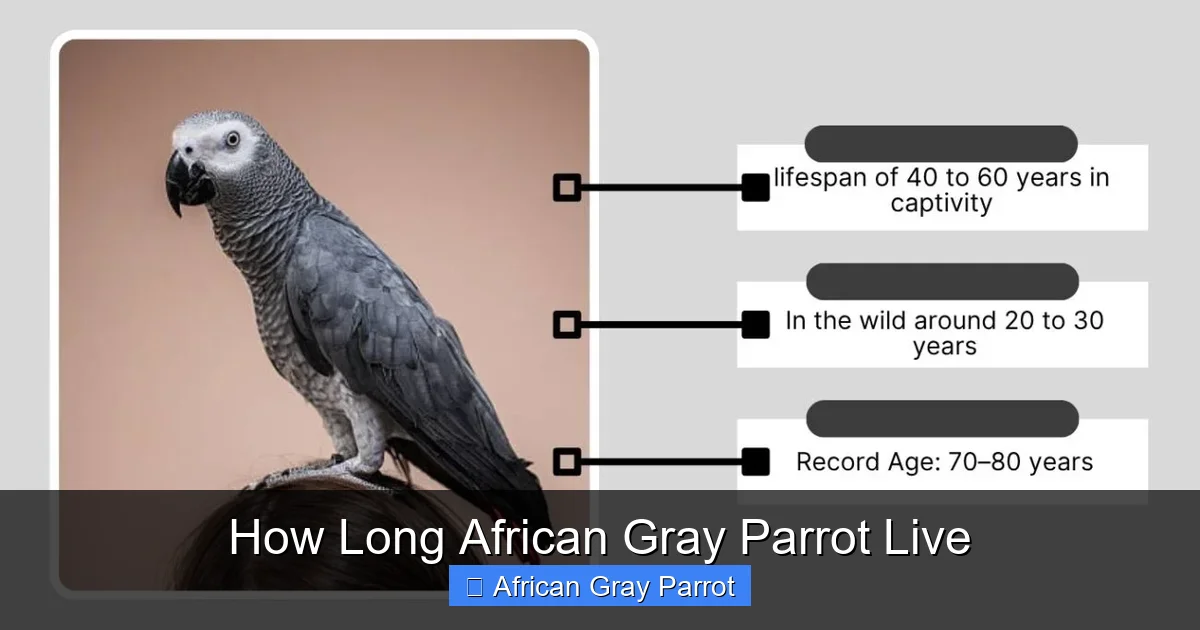
Visual guide about How Long African Gray Parrot Live
Image source: petdemy.com
The Pellet Base
High quality pellets should be sixty to seventy percent of the diet. Not all pellets are created equal. Look for brands formulated by avian nutritionists. Harrison’s. Roudybush. Zupreem Natural. TOPS. Avoid pellets with artificial colors. Avoid pellets with sugar. Avoid pellets where corn or soy is the first ingredient. The first ingredient should be a whole grain or legume. Organic is a plus. Transitioning a seed addict to pellets takes patience. Do not starve them. Mix pellets with seeds. Gradually shift the ratio. Offer pellets in a separate bowl. Eat a pellet yourself. Birds are social eaters. They want what you have. Make a show of enjoying it. It works.
Fresh Foods: The Daily Rainbow
The remaining thirty to forty percent should be fresh. Vegetables are king. Fruits are treats. Dark leafy greens are non negotiable. Kale. Swiss chard. Mustard greens. Dandelion greens. Broccoli. Carrots. Sweet potato. Bell peppers. Squash. Chop them fine. Make a “chop” mix. Freeze portions. Serve daily. Fruit is sugar. Limit it. Berries are best. Blueberries. Raspberries. Blackberries. Papaya. Mango. Apple (no seeds). Citrus in moderation. Rotate variety. Boredom kills appetite. A bird who stops eating fresh food is a bird heading for trouble.
Healthy Fats and Protein
African Grays need more calcium than other parrots. It is a species quirk. They are prone to hypocalcemia. Low blood calcium causes seizures. It causes weak bones. It causes egg binding in females. Provide calcium rich foods daily. Dark greens. Broccoli. Almonds (few). Sesame seeds. Cuttlebone in the cage. Calcium supplement powder on fresh food a few times a week. Ask your vet about dosage. Protein matters too. Cooked eggs (shell crushed in). Legumes. Quinoa. Small amounts of lean cooked chicken or fish occasionally. Nuts are training treats. Walnuts. Almonds. Pistachios. One or two a day. No more. They are calorie bombs.
Foods That Kill
Never feed these. Avocado. Chocolate. Caffeine. Alcohol. Onions. Garlic. Rhubarb. Fruit pits and apple seeds (cyanide). Salt. Sugar. Fried food. Processed human food. Mushrooms. Tomato leaves and stems. Potato skins. When in doubt, leave it out. One mistake can cost a life. Post a list on your fridge. Tell every house guest. Tell the pet sitter. No exceptions.
Environment and Housing: Building a Home for Decades
Your bird spends most of its life in its cage. Or it should have the run of a bird safe room. Either way, the physical environment shapes health. A cramped cage causes muscle atrophy. It causes foot problems. It causes stress. Stress kills. The minimum cage size for an African Gray is thirty six inches wide, twenty four inches deep, and forty eight inches tall. Bigger is always better. Width matters more than height. Birds fly horizontally. Bar spacing three quarters of an inch to one inch. Stainless steel is gold standard. Powder coated is fine if high quality. Avoid cheap cages with zinc or lead. Heavy metal poisoning is real. It causes neurological damage. It shortens life.
Perches: The Foot Health Connection
Foot health is overlooked. Birds stand twenty four seven. Bad perches cause bumblefoot. Arthritis. Pressure sores. Provide variety. Natural wood branches. Manzanita. Dragonwood. Java wood. Different diameters. Different textures. Rope perches for sleeping. Cement or sand perches for nail maintenance (one only, not for sleeping). No sandpaper covers. They shred feet. No plastic dowels. They are slippery and uniform. Rotate perches monthly. Check feet weekly. Look for redness. Swelling. Flaking. Early catch saves toes. Saves lives.
Air Quality: The Silent Killer
Birds have the most efficient respiratory system on the planet. It is also the most sensitive. What we barely smell kills them. Teflon pans. Overheated nonstick coatings release fumes. Birds drop dead in minutes. Throw them out. Use stainless steel. Cast iron. Ceramic. Scented candles. Air fresheners. Plug ins. Essential oil diffusers. Incense. Cigarette smoke. Vape smoke. Cleaning chemicals. Ammonia. Bleach. Aerosol sprays. New carpet off gassing. Paint fumes. Self cleaning oven cycle. All toxic. Ventilate. Use bird safe cleaners. Vinegar water. Steam cleaners. HEPA air purifier in the bird room. Run it twenty four seven. Change filters on schedule. This is not optional. It is survival.
Light and Sleep Cycles
African Grays come from the equator. Twelve hours light. Twelve hours dark. Year round. Their endocrine system depends on this rhythm. Artificial light at night disrupts hormones. It triggers chronic egg laying. It triggers aggression. It triggers feather destruction. Cover the cage at night. Or give them a dark quiet sleep room. Ten to twelve hours solid sleep. No TV noise. No night lights. Full spectrum UVB lighting during the day helps vitamin D synthesis. It helps feather quality. It helps mood. Replace bulbs every six months. UVB output drops invisible to us. Birds see it fade.
Mental Health: The Intelligent Mind Needs Work
This is where African Grays stand apart. Their intelligence is comparable to a five year old human child. Some tests say higher. They understand concepts. They solve puzzles. They use tools. They have emotional depth. They grieve. They love. They hold grudges. A bored African Gray is a destructive African Gray. Feather plucking. Screaming. Self mutilation. Aggression. These are not “bad bird” behaviors. They are “desperate bird” behaviors. The brain needs work. Every single day.
Foraging: The Natural Occupation
In the wild, parrots spend sixty percent of their day foraging. Searching. Manipulating. Problem solving. In a cage with a full bowl? Zero percent. That mismatch breaks them. Make them work for every meal. Foraging toys. Puzzle feeders. Wrapped treats. Hidden food. Paper rolls. Vine balls. Coconut shells. Commercial toys. DIY toys. Rotate daily. Novelty is key. A toy they mastered last week is boring today. Start easy. Build complexity. Watch them think. Watch them succeed. That dopamine hit is health.
Social Interaction: You Are the Flock
African Grays are flock animals. In the wild, they are never alone. Isolation is terror. You are their flock now. This means hours of interaction daily. Not just “in the same room.” Active engagement. Talk to them. Narrate your day. Ask questions. Wait for answers. Train using positive reinforcement. Target training. Station training. Trick training. It builds trust. It burns mental energy. It strengthens your bond. A bird who trusts you accepts medical care. Accepts nail trims. Accepts carrier travel. A bird who fears you hides illness. Fights restraint. Stress shortens life.
Companion Birds: Pros and Cons
Should you get a second bird? Maybe. A compatible companion provides twenty four seven flock presence. You cannot. But introductions are risky. Quarantine thirty to forty five days. Separate cages side by side. Supervised neutral territory meetings. Months of slow integration. Some birds bond to each other and exclude you. Some fight. Some ignore each other. There is no guarantee. If you work long hours, a companion might help. If you are home most days, you are enough. Do not get a second bird to “fix” behavior problems in the first. Two stressed birds is worse than one.
Veterinary Care: The Professional Partnership
You cannot do this alone. You need an avian veterinarian. Not a dog and cat vet who “sees birds.” A board certified avian specialist. Or a vet with extensive avian continuing education. The difference is life and death. Birds hide illness. It is a survival instinct. A sick bird in the wild gets eaten. So they act normal until they collapse. By the time you see symptoms, the disease is advanced. Annual wellness exams catch things early. Blood work. Fecal gram stain. Chlamydia testing. Polyomavirus testing. Beak and feather disease testing. Baseline weights. Baseline organ function. Year over year trends reveal silent problems.
Finding the Right Vet
Search the Association of Avian Veterinarians directory. Call clinics. Ask: “How many African Grays do you see per week?” “Do you have inpatient hospitalization for birds?” “Do you do your own lab work or send out?” “What anesthesia protocol do you use?” “Can I tour the avian ward?” Trust your gut. Drive an hour if needed. It is worth it. Establish care before emergency strikes. Know the nearest 24 hour exotic emergency clinic. Program the number in your phone. Post it on the cage. Minutes matter in a crisis.
Common Health Threats to Watch
African Grays have breed specific vulnerabilities. Hypocalcemia we covered. Atherosclerosis is huge. High cholesterol. Hardened arteries. Heart disease. Stroke. Linked to diet and inactivity. Feather destructive behavior. Often multifactorial. Medical plus behavioral. Psittacine Beak and Feather Disease (PBFD). Viral. Fatal. No cure. Testing is critical. Proventricular Dilatation Disease (PDD). Bornavirus linked. Neurological and digestive. Aspergillosis. Fungal respiratory infection. From poor air quality or stress. Heavy metal toxicity. Zinc from galvanized cages. Lead from old paint, curtain weights, stained glass. Regular blood screening catches lead and zinc early. Chelation therapy works if caught in time.
Emergency Preparedness
Have a hospital cage ready. Small travel carrier. Heating pad (external only). Towels. Syringes for feeding. Critical care formula. Electrolyte solution. Vet wrap. Styptic powder. Know how to towel safely. Practice when bird is healthy. Towel training reduces stress during real emergencies. Have a bird. Learn the signs of critical illness. Tail bobbing. Open mouth breathing. Inability to perch. Fluffed and immobile. Not eating twelve hours. Blood. Seizures. Go. Do not wait. Do not Google. Go.
Daily Habits That Add Years
Longevity is not built on grand gestures. It is built on boring daily habits. The owner who wakes up at six AM to prep chop. The owner who changes water twice daily. The owner who wipes the cage bars every night. The owner who weighs the bird every Sunday morning. The owner who notices the poop changed color. The owner who calls the vet at the first subtle shift. That owner has a bird at sixty. The owner who wing it? That bird hits thirty if lucky. Consistency beats intensity. Every time.
The Morning Routine
Wake up. Uncover cage. Greet the bird. Change water. Fresh chop in foraging toys. Pellets in bowl. Quick visual health check. Eyes clear? Nares clean? Feathers smooth? Posture normal? Droppings normal? Weigh bird (weekly). Medication if prescribed. Ten minutes of training or play. Then you start your day. Bird has enrichment running. Audio book playing. Foraging toys loaded. Safe window view. You leave knowing needs are met.
The Evening Routine
Return home. Active interaction time. Out of cage exercise. Flight recall practice. Shower or misting (birds need humidity). Dinner prep together (bird on play stand, not shoulder near stove). Fresh chop refill. Water change. Cage wipe down. Ten minutes calm bonding. Reading aloud. Head scratches if welcome. Cover cage. Lights out. White noise machine on. Same time every night. Routine reduces anxiety. Anxiety shortens life.
The Weekly Deep Dive
Cage deep clean. Perch rotation. Toy rotation. Toy inspection (discard dangerous ones). Nail check. Beak check. Feather check. Weight log review. Supply inventory (pellets, supplements, toys, meds). Vet appointment scheduling. Emergency kit check. This takes an hour. It saves years.
The Senior Years: Adapting Care for Aging Birds
Your African Gray will age. Twenty is middle aged. Thirty is senior. Forty is geriatric. They slow down. They sleep more. They play less. Arthritis creeps in. Cataracts develop. Kidney function declines. Liver function declines. Immune system weakens. This is not failure. This is success. You got them here. Now the game changes. Adapt the environment. Lower perches. Wider perches. Padded perches. Heated perch for arthritis. Ramp to food bowls. Extra water bowls. Softer foods. More frequent vet visits (every six months). Blood work every six months. Pain management if needed. Meloxicam. Gabapentin. Quality of life assessments. The goal is not just more days. It is good days. You will know when it is time. They tell you. Listen.
Planning for the Inevitable
This is the hardest part. African Grays often outlive their owners. Or owners become unable to care. You must plan. A will is not enough. A pet trust is better. Name a guardian. Name a backup guardian. Fund the trust. Vet costs. Food costs. Housing costs. Write a care manual. Diet. Meds. Routine. Vet contacts. Quirks. Fears. Favorite words. Favorite toys. Password for the bird cam. Give copies to guardians. Talk to them. Make sure they want this. It is a gift. Not a burden. Do it now. Not later. Later might be too late.
Conclusion: The Privilege of Time
How long African Gray Parrot live? The answer is largely up to you. Forty years. Fifty. Sixty. Maybe more. Every year is a chapter in a story you write together. It is not always easy. The noise. The mess. The expense. The worry. The vet bills. The lifestyle changes. The vacations you don’t take. The dates you leave early. But ask any long term owner. They would not trade a single day. The conversations. The laughter. The comfort when you cry. The “I love you” whispered in the dark. The bond that defies species barriers. That is what you are buying with every chop mix. Every vet visit. Every sleepless night with a sick bird. Every foraging toy you make at midnight. You are buying time. Precious, irreplaceable time with a mind that understands you. A heart that chooses you. A soul that stays. So feed the pellets. Change the water. Book the vet. Make the trust. Love them hard. And count the years. You earned every one.
Frequently Asked Questions
Can African Gray Parrots live to be 80 years old?
While rare, there are documented cases of African Gray Parrots reaching 70 to 80 years old in captivity with exceptional care, genetics, and luck. Most birds live 40 to 60 years.
Does talking ability affect an African Gray’s lifespan?
No, talking ability has no direct impact on lifespan. However, the mental stimulation from training and social interaction that encourages talking does contribute to better mental health and longevity.
How often should I take my African Gray to the vet?
Healthy adult African Grays need annual wellness exams with an avian veterinarian. Senior birds over 30 should visit every six months for blood work and monitoring.
What are the signs my African Gray is aging?
Signs include increased sleeping, reduced activity, arthritis stiffness, cataracts (cloudy eyes), weight changes, and less interest in toys. More frequent vet visits help manage age-related changes.
Can I leave my African Gray alone for a weekend?
No, African Grays should not be left alone for more than a day. They need daily fresh food, water changes, social interaction, and health monitoring. Arrange a knowledgeable bird sitter or boarding for any absence over 24 hours.
Do African Grays bond to only one person?
African Grays often choose a favorite person but can bond with multiple family members through consistent positive interaction. Early socialization with all household members prevents over-bonding to one person.