
African gray parrots are medium-sized birds measuring 12 to 14 inches long with a wingspan of 18 to 20 inches. The Congo subspecies is larger than the Timneh, weighing 400 to 650 grams versus 275 to 400 grams. Knowing their size helps you choose the right cage and plan proper care.
If you have ever wondered how big are African gray parrots, you are not alone. These birds are popular pets. Their size surprises many new owners. They are not tiny like budgies. They are not huge like macaws. They sit right in the middle. This makes them a great fit for many homes. But you still need to know the numbers. Size affects cage choice. It affects diet. It affects how much space you need. In this guide we break down every measurement. We look at length, weight, and wingspan. We compare the two main types. We cover growth stages. And we explain why size matters for daily care.
African gray parrots are famous for their talking ability. They are also known for their intelligence. But their physical size is just as important. A bird that feels cramped can develop behavior problems. A bird with the wrong diet can become overweight or underweight. Understanding how big are African gray parrots helps you prevent these issues. It helps you set up a home where your bird thrives. Let us dive into the details.
Key Takeaways
- Average length: African gray parrots measure 12 to 14 inches from beak to tail tip.
- Weight range: Congo grays weigh 400 to 650 grams while Timneh grays weigh 275 to 400 grams.
- Wingspan: These birds span 18 to 20 inches when wings are fully extended.
- Subspecies difference: Congo African grays are noticeably larger than Timneh African grays.
- Growth timeline: Birds reach full adult size by 12 to 18 months of age.
- Cage requirements: Minimum cage size should be 36 x 24 x 48 inches for comfortable movement.
- Sexual dimorphism: Males and females are similar in size with no reliable visual difference.
Quick Answers to Common Questions
How long is a full grown African gray parrot?
A full grown African gray parrot measures 12 to 14 inches from beak to tail tip depending on subspecies.
What is the weight difference between Congo and Timneh African grays?
Congo African grays weigh 400 to 650 grams while Timneh African grays weigh 275 to 400 grams.
At what age do African gray parrots reach full size?
African gray parrots reach full skeletal size by 12 months but may fill out muscle until 18 months.
What is the wingspan of an African gray parrot?
The wingspan of an African gray parrot ranges from 18 to 20 inches for Congos and 16 to 18 inches for Timnehs.
Do male and female African grays differ in size?
Male and female African grays are similar in size with no reliable visual difference between sexes.
📑 Table of Contents
Understanding African Gray Parrot Size Basics
When people ask how big are African gray parrots, they usually want three numbers. They want length. They want weight. They want wingspan. These three measurements tell the full story. Length runs from the tip of the beak to the end of the tail. Weight is measured in grams. Wingspan is the distance from wingtip to wingtip when the bird stretches out.
Average Length Measurements
Most African gray parrots fall between 12 and 14 inches long. That is about 30 to 36 centimeters. The tail makes up a good portion of this length. The body itself is compact. The head is large relative to the body. The beak is strong and curved. If you hold a ruler next to a perched bird, you will see the tail extend past the 12 inch mark on larger individuals. Smaller birds, especially Timnehs, may sit closer to 11 or 12 inches.
Typical Weight Ranges
Weight varies more than length. A healthy Congo African gray weighs between 400 and 650 grams. That is roughly 14 to 23 ounces. A healthy Timneh African gray weighs between 275 and 400 grams. That is about 10 to 14 ounces. Weight can fluctuate daily. Food intake, hydration, and time of day all play a role. Weigh your bird weekly at the same time for consistent tracking. A digital kitchen scale works well. Place a perch on the scale. Tare the weight. Then let the bird step on.
Wingspan Details
Wingspan is often overlooked. But it matters for cage width and flight space. An African gray parrot spreads its wings to 18 to 20 inches. That is 45 to 50 centimeters. In a cage, the bird needs to open its wings fully without hitting bars. This means the cage interior width should exceed 20 inches. Many standard cages are 24 inches wide. That gives a small margin. Wider is always better. If you offer out of cage flight time, a room with at least 10 feet of clear space allows safe turns.
Congo vs Timneh: The Two Subspecies Compared
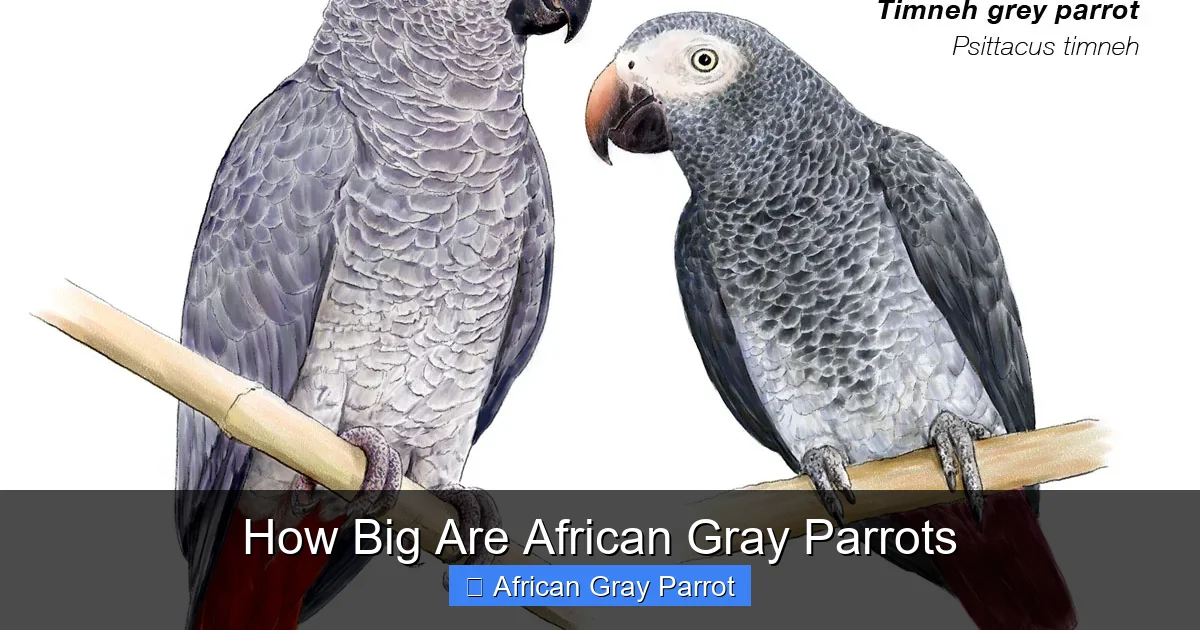
The biggest factor in how big are African gray parrots is subspecies. There are two main types. The Congo African gray is the larger one. The Timneh African gray is smaller. They look similar at first glance. But side by side the difference is clear. Knowing which you have changes your care plan.
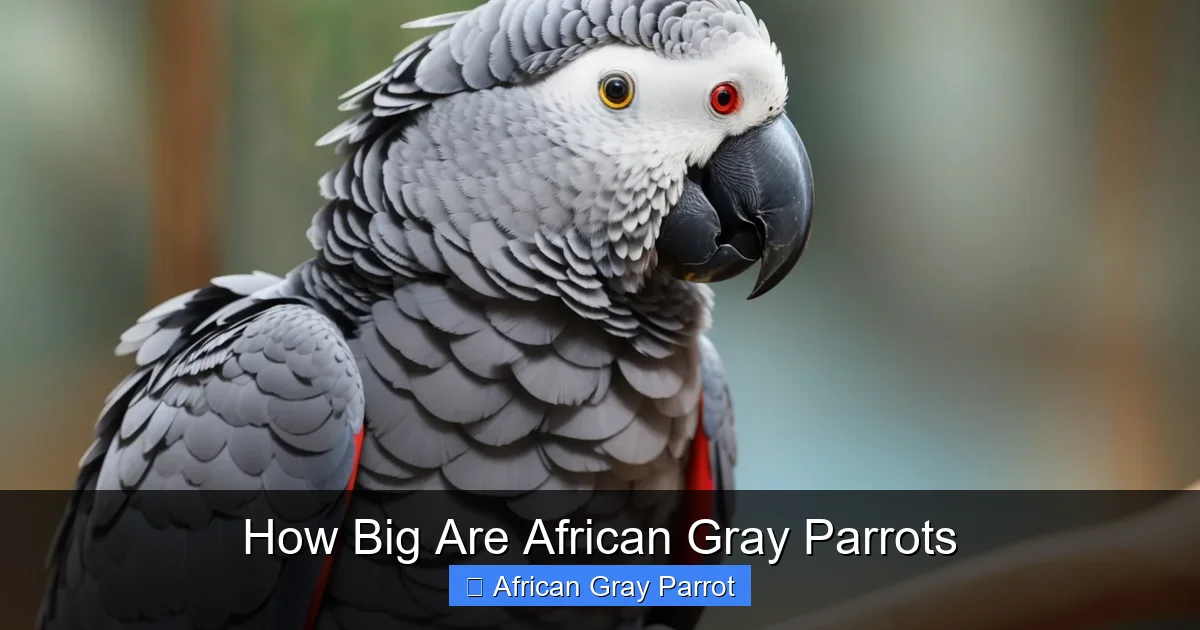
Visual guide about How Big Are African Gray Parrots
Image source: atractivopets.com
Congo African Gray Dimensions
The Congo African gray is the classic large gray parrot. It measures 13 to 14 inches long. It weighs 400 to 650 grams. Its wingspan reaches 18 to 20 inches. The feathers are a light silvery gray. The tail is bright red. The beak is black. The skin around the eyes is white. This subspecies comes from Central and West Africa. Countries include Congo, Cameroon, and Ghana. They live in dense forests. Their larger size helps them navigate high canopy levels.
Timneh African Gray Dimensions
The Timneh African gray is the compact version. It measures 11 to 13 inches long. It weighs 275 to 400 grams. Its wingspan spans 16 to 18 inches. The feathers are a darker charcoal gray. The tail is maroon rather than bright red. The upper beak has a horn colored patch. The eye skin is also white. Timnehs come from the western coastal regions. Think Guinea, Sierra Leone, and Ivory Coast. Their smaller size suits the lower forest layers and mangroves.
Visual Comparison Tips
If you are unsure which subspecies you have, check the tail color. Bright red means Congo. Maroon or dark red means Timneh. Check the beak. All black means Congo. Horn colored upper mandible means Timneh. Check overall shade. Light silver gray suggests Congo. Dark charcoal gray suggests Timneh. Size alone can trick you. A small Congo female may overlap with a large Timneh male. Use multiple traits for a confident ID.
Growth Stages: From Hatchling to Adult
Understanding how big are African gray parrots at each life stage helps you track health. Growth is rapid in the first months. Then it slows. By one year the bird is near adult size. But muscle and feather condition keep improving.
Hatchling to Fledgling (0 to 12 Weeks)
A newborn chick weighs just 12 to 15 grams. It is naked and blind. By week two it hits 50 to 80 grams. Pin feathers emerge. By week four weight reaches 150 to 250 grams. The bird starts to look like a mini parrot. At eight weeks it may weigh 300 to 400 grams. This is fledging age. The bird leaves the nest. It still depends on parents for food. Flight feathers are not full length yet. The tail is short.
Juvenile Phase (3 to 12 Months)
After weaning the young bird refines its skills. Weight stabilizes near adult range. A Congo juvenile may sit at 350 to 500 grams. A Timneh juvenile may sit at 250 to 350 grams. Length increases as tail feathers grow in. The first molt happens around 8 to 12 months. Baby feathers are replaced by adult plumage. The eye color changes from dark gray to pale yellow. This is a great time to start training. The bird is curious and adaptable.
Young Adult (1 to 3 Years)
By 12 months the bird reaches full skeletal size. Weight may still climb slightly as muscle develops. A Congo male might hit 550 to 650 grams. A Congo female might stay 450 to 550 grams. Timnehs top out at 350 to 400 grams. Behavior matures. The bird becomes more independent. Hormonal surges may appear. This is when cage size really matters. A cramped cage leads to frustration.
Mature Adult (3 Years and Beyond)
At three years the bird is fully grown. Weight should hold steady with minor seasonal shifts. Annual vet checks track trends. Sudden weight loss or gain signals illness. Feather quality peaks. The bird shows full personality. With good care this size holds for decades. African grays live 40 to 60 years. Consistent monitoring keeps them healthy throughout.
Factors That Influence Final Size
Not every bird hits the textbook numbers. Several factors shape how big are African gray parrots in real life. Genetics leads the list. But diet, health, and environment also play roles. You cannot change genetics. You can optimize the rest.
Genetics and Lineage
Parents pass down size traits. Large parents tend to produce large offspring. Small parents tend to produce small offspring. This is true within each subspecies. Some breeders select for larger birds. Others focus on temperament. Wild caught birds often run larger than captive bred lines. This may be due to natural selection pressures. If you buy from a breeder, ask about parent weights. It gives a clue.
Nutrition During Development
Diet during the first year sets the foundation. Chicks need high protein for feather and muscle growth. Calcium builds strong bones. Vitamin D3 enables calcium absorption. A seed only diet causes stunting. Pellets formulated for parrots provide balanced nutrition. Fresh vegetables add phytonutrients. Fruits offer variety. Healthy fats from nuts support brain development. Malnutrition leads to smaller frame and weak immune system.
Health and Parasite Load
Illness steals nutrients. Parasites like giardia or roundworms compete for food. Chronic infections drain energy. A sick bird stops growing. Regular fecal exams catch parasites early. Vaccines are not standard for parrots. But wellness exams are vital. Blood work reveals hidden issues. Liver and kidney function affect metabolism. Address problems fast to resume normal growth.
Exercise and Muscle Tone
Two birds can weigh the same but look different. One is lean and muscular. The other is soft and fatty. Flight builds chest muscles. Climbing builds leg strength. Foraging toys engage the mind and body. A bird with good tone carries weight better. It breathes easier. It resists injury. Encourage daily movement. A large cage helps. Out of cage time helps more.
Environmental Stress
Stress hormones suppress growth. Constant noise, poor sleep, or fear freeze development. Birds need 10 to 12 hours of dark quiet sleep. They need a safe retreat in the cage. They need routine. Changes in household, new pets, or loud construction raise cortisol. High cortisol breaks down muscle. It weakens bones. Keep the environment calm for steady growth.
Why Size Matters for Care and Housing
Knowing how big are African gray parrots is not trivia. It drives every care decision. Cage size, perch diameter, toy strength, and food portions all scale with the bird. Getting these right prevents physical and mental problems.
Cage Size Requirements
The minimum cage for an African gray is 36 inches wide, 24 inches deep, and 48 inches tall. Bar spacing should be 3/4 to 1 inch. Horizontal bars allow climbing. A wider cage beats a taller one. The bird moves side to side more than up and down. If you can afford a 48 inch wide cage, do it. For a pair, double the width. Never use a round cage. Corners provide security. Place the cage at eye level in a social room. Avoid drafts and direct sun.
Perch Diameter and Variety
Foot health depends on perch variety. African grays need perches from 1 to 1.5 inches in diameter. Natural wood branches are best. They vary in thickness. They exercise the feet. Rope perches add soft texture. Concrete perches trim nails but should be limited. Avoid uniform dowel perches. They cause pressure sores. Place perches at different heights. Keep them away from food bowls to prevent contamination.
Toy Size and Durability
These birds have powerful beaks. A 500 gram Congo can crush hard nuts. Toys must withstand that force. Buy toys rated for large parrots. Acrylic, hardwood, and stainless steel last. Small bird toys break fast. Broken pieces become choking hazards. Rotate toys weekly. Foraging toys mimic natural behavior. Puzzle toys challenge the mind. Size the toy so the bird can manipulate it with one foot.
Food Portions by Weight
Feed roughly 10 percent of body weight daily in fresh food. A 500 gram bird gets 50 grams of chop. Pellets make up 60 to 70 percent of diet. That is 30 to 35 grams for a 500 gram bird. Seeds and nuts are treats. Limit to a few pieces daily. Adjust for activity level. A flighted bird burns more. A clipped bird burns less. Weigh food for accuracy. Obesity shortens lifespan.
Harness and Carrier Sizing
If you take your bird outside, fit matters. Harnesses come in sizes. Measure the keel bone circumference. Most Congos wear size large or extra large. Most Timnehs wear medium or large. A loose harness slips off. A tight one restricts breathing. Carriers need interior height for the tail. Width for wing stretch. Ventilation on three sides. Secure latches. Test at home before travel.
Measuring Your Bird Accurately
You can track how big are African gray parrots at home. Regular measurements catch trends early. You need a few tools and a calm approach. Make it a positive experience.
Tools You Need
Get a digital gram scale with 1 gram resolution. A kitchen scale works. Get a soft measuring tape. Get a small towel. Get a notebook or app for records. Treats for rewards. A helper makes it easier. Choose a quiet time. Morning before breakfast is ideal. The crop is empty. Weight is most consistent.
Weighing Step by Step
Turn on the scale. Place a perch or bowl on it. Press tare to zero. Offer a treat to lure the bird onto the perch. Wait for the reading to stabilize. Record the number. Date it. If the bird refuses, try again later. Never force. Stress spikes weight temporarily. Weekly weigh ins build a useful history. Share logs with your vet.
Measuring Length and Wingspan
Length is harder on a live bird. Use a photo method. Place the bird on a flat surface with a ruler visible. Take a top down photo. Measure pixels later. Or train the bird to stand next to a ruler. Wingspan requires extension. Gently hold the bird on its back. Extend one wing. Measure tip to body. Double it. Do this rarely. It stresses the bird. Vet visits are better for full morphometrics.
Body Condition Scoring
Weight alone misses composition. Feel the keel bone. Run fingers down the center of the chest. Sharp keel means underweight. Rounded keel with slight padding is ideal. Cannot feel keel means overweight. Check muscle mass on either side of keel. Firm muscle is good. Soft fat is not. Score on a 1 to 5 scale. Aim for 3. Do this monthly. Combine with weight for full picture.
When to See a Vet
Weight loss of 5 percent in a week is urgent. Weight gain of 10 percent in a month is concerning. Sudden change in appetite. Droppings change. Lethargy. Fluffed feathers. Breathing changes. Bring your weight log. It speeds diagnosis. Early action saves lives. African grays hide illness well. Data reveals what eyes miss.
African gray parrots are remarkable companions. Their size makes them manageable yet substantial. They fit on your shoulder. They fill a room with presence. Knowing how big are African gray parrots empowers you. You choose the right cage. You feed the right amount. You spot problems early. You give them the life they deserve. Whether you have a bold Congo or a sweet Timneh, size knowledge is the foundation of great care. Measure often. Observe daily. Enjoy every inch of your feathered friend.
Frequently Asked Questions
How big are African gray parrots compared to other pet birds?
African gray parrots are medium sized birds larger than cockatiels and conures but smaller than Amazon parrots and macaws. They fit well in homes that cannot accommodate very large species.
Can an African gray parrot be too small for its age?
Yes, stunted growth can result from poor nutrition, parasites, or chronic illness during development. Regular weight checks and vet visits help catch growth issues early.
Does cage size affect how big an African gray parrot grows?
Cage size does not change genetic size potential but a too small cage causes muscle atrophy, obesity, and behavioral problems that make the bird appear unhealthy.
How much does a baby African gray parrot weigh at hatch?
A newly hatched African gray chick weighs only 12 to 15 grams and gains weight rapidly, reaching 300 to 400 grams by fledging age around 8 to 10 weeks.
What is the best way to weigh an African gray parrot at home?
Use a digital gram scale with a perch attached, tare the perch weight, and train the bird to step on voluntarily for a stress free weekly weigh in.
Are Timneh African grays always smaller than Congo African grays?
Yes, Timneh African grays are consistently smaller than Congo African grays in length, weight, and wingspan though individual variation exists within each subspecies.