
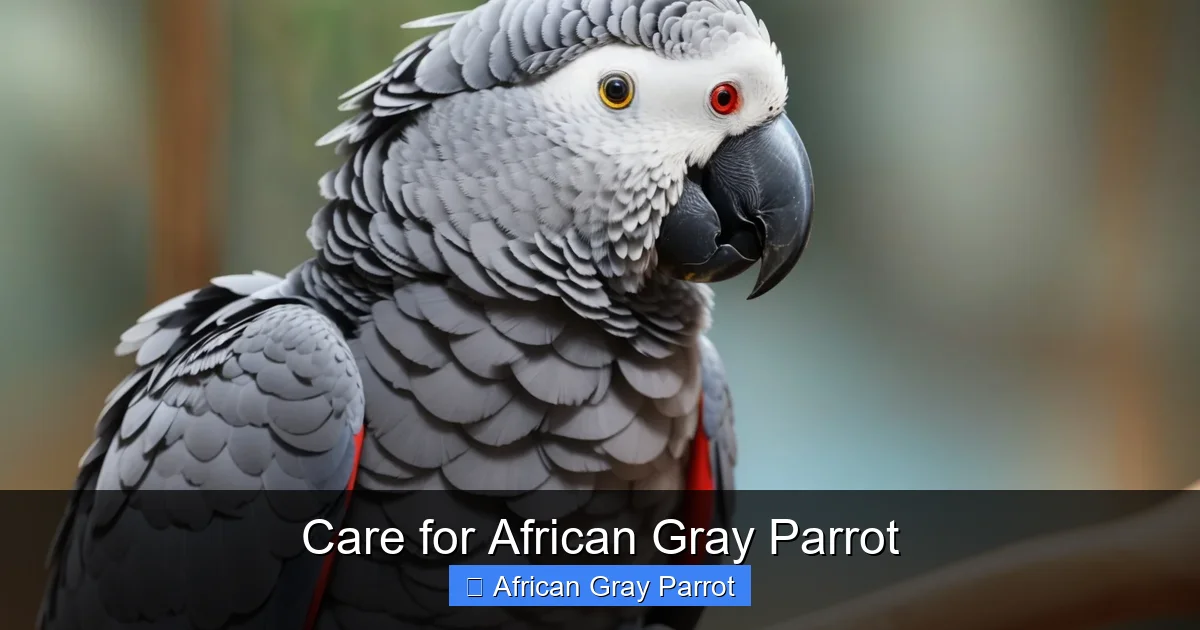
African Gray Parrots are brilliant, sensitive birds that need specialized care to thrive. This guide covers everything from nutrition and cage setup to mental enrichment and veterinary care. With proper attention, your feathered friend can live 50 to 60 years as a cherished family member.
Key Takeaways
- Diet is critical: Feed a balanced mix of high-quality pellets, fresh vegetables, fruits, and limited seeds to prevent nutritional deficiencies.
- Mental stimulation prevents boredom: Provide foraging toys, puzzles, and daily interaction to keep their intelligent minds engaged.
- Cage size matters: Choose a spacious cage at least 36 x 24 x 48 inches with horizontal bars for climbing and multiple perch types.
- Social interaction is essential: African Grays need several hours of daily out-of-cage time and meaningful human engagement.
- Regular vet checkups catch problems early: Schedule annual avian veterinary visits and monitor for signs of illness daily.
- Training builds trust: Use positive reinforcement to teach basic commands, reduce screaming, and strengthen your bond.
- Environmental safety protects your bird: Remove toxic plants, avoid non-stick cookware fumes, and bird-proof your home thoroughly.
Quick Answers to Common Questions
What is the minimum cage size for an African Gray Parrot?
The minimum cage size is 36 inches wide, 24 inches deep, and 48 inches tall, but larger is always better for these active climbers.
How much of an African Gray’s diet should be pellets versus fresh food?
Pellets should make up 60 to 70 percent of the diet, with fresh vegetables, fruits, and healthy nuts comprising the remaining 30 to 40 percent.
How many hours of sleep does an African Gray Parrot need?
African Grays need 10 to 12 hours of uninterrupted, dark, quiet sleep each night to maintain physical and mental health.
Why is my African Gray Parrot screaming excessively?
Excessive screaming is usually a learned behavior reinforced by attention; ignore the noise and reward quiet moments with interaction and treats instead.
Can African Gray Parrots live alone, or do they need a companion bird?
They can live alone if they receive several hours of daily human interaction, but they are flock animals and thrive with consistent social engagement.
📑 Table of Contents
Why African Gray Parrots Need Special Care
African Gray Parrots are often called the Einsteins of the bird world. Their intelligence rivals that of a young child. They can learn hundreds of words. They solve complex puzzles. They even understand concepts like shape, color, and number. But this brilliance comes with a catch. These birds are deeply sensitive. They feel stress acutely. They develop behavioral problems when their needs go unmet. If you are considering bringing one home, or if you already share your life with a Gray, understanding proper care for African Gray Parrot is not optional. It is essential.
These parrots hail from the rainforests of West and Central Africa. In the wild, they fly miles each day. They forage in flocks. They navigate complex social hierarchies. They chew on bark, nuts, and fruit. Captivity cannot replicate this perfectly. But we can come close. We can offer space. We can offer variety. We can offer love. This guide walks you through every aspect of daily care. From the food bowl to the toy box. From the vet clinic to the training perch. Let us dive in.
Creating the Perfect Home Environment
Choosing the Right Cage
The cage is your bird’s bedroom, dining room, and gym. It must be large. A minimum size of 36 inches wide, 24 inches deep, and 48 inches tall is the starting point. Bigger is always better. Horizontal bars are crucial. African Grays love to climb. They use their beaks and feet like little mountaineers. Bar spacing should be three-quarters to one inch. Wider spacing risks head trapping. Narrower spacing limits climbing.
Look for stainless steel or powder-coated wrought iron. Avoid galvanized wire. Zinc toxicity is a real danger. The cage needs a large main door. A smaller feeding door helps with daily service. A removable bottom tray makes cleaning easy. A seed guard skirt keeps mess contained. Place the cage in a social area. The living room or family room works well. Avoid the kitchen. Cooking fumes, especially from non-stick pans, can kill a parrot in minutes. Avoid drafty windows and direct afternoon sun.
Perches: Variety Is Health
One dowel perch is a recipe for foot problems. Birds stand 24 hours a day. They need different diameters. They need different textures. Natural wood branches are best. Manzanita, dragonwood, and java wood last long. They offer irregular surfaces. This exercises foot muscles. It prevents pressure sores. Add a rope perch for comfort. Add a cement or sand perch near the food bowl. This helps trim nails naturally. Place perches at different heights. Ensure the highest perch is not directly over food or water. Droppings contaminate bowls fast.
Lighting and Temperature Needs
African Grays originate near the equator. They expect 12 hours of light and 12 hours of dark. Indoor lighting rarely provides true full-spectrum light. A bird-safe UVB lamp helps. It supports vitamin D synthesis. It improves feather quality. It boosts mood. Run the lamp on a timer. Keep the room between 65 and 80 degrees Fahrenheit. Sudden temperature drops stress the bird. Humidity around 50 to 60 percent mimics their native habitat. A humidifier helps in dry winter months. Mist your bird lightly a few times a week. Many Grays enjoy a gentle spray bath.
Nutrition: The Foundation of Health
Pellets: The Dietary Base
Seeds alone will kill an African Gray slowly. They are high in fat. They lack calcium, vitamin A, and essential amino acids. High-quality formulated pellets should make up 60 to 70 percent of the diet. Choose brands without artificial colors or preservatives. Harrison’s, Roudybush, and TOPS are trusted names. Transition slowly if your bird eats mostly seeds. Mix pellets with favorite foods. Offer pellets in the morning when hunger is highest. Be patient. Conversion can take weeks. It saves years of health problems.
Fresh Foods: Color and Variety
The remaining 30 to 40 percent should be fresh. Dark leafy greens are non-negotiable. Kale, collard greens, mustard greens, and swiss chard provide calcium and vitamin A. Orange vegetables like sweet potato, carrot, and butternut squash are rich in beta-carotene. Offer broccoli, bell peppers, snap peas, and green beans. Fruits are treats. Berries, papaya, mango, and pomegranate are antioxidant powerhouses. Limit high-sugar fruits like grapes and banana. Wash everything thoroughly. Organic is ideal. Chop into manageable pieces. Serve in a separate bowl. Remove uneaten fresh food after two hours. Bacteria grow fast.
Healthy Fats and Protein
Wild Grays crack oil palm nuts. They eat insects. Captive birds need healthy fats. Offer a few raw, unsalted nuts daily. Almonds, walnuts, and Brazil nuts are excellent. One or two nuts suffice. They are calorie-dense. Sprouted seeds and legumes add living nutrition. Sprouted mung beans, lentils, and quinoa are easy to prepare. Cooked eggs with shell provide complete protein. Offer a teaspoon once a week. Avoid avocado, chocolate, caffeine, alcohol, onions, and garlic. These are toxic. Salt and sugar have no place in the bowl.
Water and Supplements
Fresh water must be available always. Change it twice daily. Bowls get dirty fast. A water bottle keeps water cleaner. But offer a bowl too. Many birds like to dunk food. Supplements are rarely needed on a good pellet and fresh food diet. Calcium supplements may help breeding hens. A cuttlebone or calcium block in the cage allows self-regulation. Never add vitamins to water. It degrades fast. It promotes bacterial growth. It changes taste. Your bird may drink less.
Mental Enrichment: Keeping the Genius Busy
Why Enrichment Prevents Tragedy
A bored African Gray becomes a destructive African Gray. Feather plucking. Screaming. Aggression. Self-mutilation. These are cries for help. The bird’s brain evolved to solve problems all day. Foraging. Navigating. Socializing. In a cage with a full food bowl, the job is done in five minutes. The remaining 15 waking hours stretch empty. Enrichment fills that void. It is not a luxury. It is a welfare requirement.
Foraging: The Number One Activity
Foraging means working for food. It occupies the mind. It exercises the body. Start simple. Wrap a treat in a coffee filter. Twist the ends. Let the bird unwrap it. Progress to cardboard tubes. Hide pellets inside. Fold the ends. Use foraging wheels. Puzzle boxes. Commercial foraging toys. Hide food in paper cups. Stack cups. Bury bowls under shredded paper. Scatter pellets in a tray of clean pebbles. The bird must pick through. Rotate foraging methods daily. The challenge must stay novel.
Toy Rotation Strategy
Toys are not decorations. They are tools. African Grays destroy toys. That is the point. Chewing relieves stress. It conditions the beak. Offer wood toys. Leather strips. Palm leaf shredders. Vine balls. Balsa wood for gentle chewers. Harder woods for power chewers. Acrylic puzzles with moving parts. Bells with clappers removed (lead risk). Foot toys they can hold. Rotate toys weekly. Three to four toys in the cage at once. Store the rest. Reintroduce after a few weeks. They feel new again. Inspect daily. Remove frayed ropes. Broken parts. Sharp edges.
Social Interaction and Training
You are part of the flock. Your bird needs you. Aim for three to four hours of out-of-cage time daily. This does not mean constant cuddling. It means proximity. Include your bird in activities. Read aloud. Talk while cooking. Narrate your day. Training sessions provide mental exercise. Five minutes, two to three times daily. Use positive reinforcement. Clicker training works beautifully. Teach target training. Step up. Step down. Recall. Turn around. Wave. These skills make handling easier. They build communication. They reduce fear. Never use punishment. No yelling. No spraying water. No cage covering as timeout. Trust is fragile. It breaks fast. It builds slow.
Health Monitoring and Veterinary Care
Finding an Avian Veterinarian
Dog and cat vets are not bird vets. Avian medicine is a specialty. Find a board-certified avian veterinarian before you need one. The Association of Avian Veterinarians maintains a directory. Schedule a new bird exam within the first week. Establish baseline weights. Run blood work. Check for psittacosis, PBFD, and polyomavirus. Discuss diet. Discuss behavior. Ask about emergency hours. Know the nearest 24-hour exotic clinic. Drive there once. Know the route. In a crisis, minutes matter.
Daily Health Checks at Home
You are the first line of defense. Weigh your bird weekly. Same time. Same scale. Empty crop. A 10 percent weight drop is an emergency. A 5 percent drop warrants a vet call. Observe droppings daily. Three components: feces (green/brown), urates (white), urine (clear). Changes in color, volume, or consistency signal trouble. Watch for fluffed feathers. Tail bobbing. Open-mouth breathing. Discharge from eyes or nares. Sneezing. Clicking sounds. Reduced appetite. Reduced vocalization. Sitting on the cage bottom. These are not normal. Birds hide illness instinctively. By the time you see signs, the bird is often very sick.
Common Health Issues in African Grays
Hypocalcemia is the signature Gray problem. Low blood calcium causes seizures. Weak bones. Egg binding in females. A proper diet prevents most cases. But some birds need supplements. Your vet will guide you. Feather destructive behavior has medical and behavioral roots. Rule out pain, infection, allergies, and hormonal triggers first. Then address enrichment and anxiety. Respiratory infections spread fast. Aspergillosis, a fungal infection, thrives in damp, dirty environments. Clean cages prevent it. Psittacine beak and feather disease (PBFD) is viral. Incurable. Testing new birds protects your flock. Proventricular dilatation disease (PDD) affects digestion and nerves. No cure. Supportive care only. Annual exams catch early changes. Blood trends reveal organ dysfunction before symptoms appear.
Grooming: Beaks, Nails, and Feathers
A healthy beak wears naturally. Chewing wood. Cracking nuts. Wiping on perches. Overgrowth signals illness. Do not trim at home. Nails need trimming every few months. Use a rotary tool or bird nail clippers. Have styptic powder ready. Trim the tip only. Avoid the quick. If unsure, let the vet do it. Flight feathers are controversial. Many owners choose full flight. It builds confidence. It provides exercise. It allows escape from danger. If you clip, do it symmetrically. One feather at a time. Test glide. The bird should land safely. Never clip a young bird before fledging. Flight develops coordination. It develops confidence. A flighted bird is often a calmer bird.
Behavioral Challenges and Solutions
Screaming: Communication, Not Nuisance
Parrots are loud. It is their nature. Contact calls keep the flock together. Your Gray will scream when you leave the room. This is normal. But excessive screaming is learned. If you rush back every time, you teach: scream equals attention. Instead, ignore the scream. Reward quiet. Wait for a pause. Then return. Say hello. Offer a treat. Teach an alternative contact call. A whistle. A word. Respond to that. Consistency changes the pattern. Covering the cage does not teach. It suppresses. The bird learns nothing. Address the root. Is the bird bored? Lonely? Hormonal? In pain? Fix the cause. The symptom fades.
Biting: Fear, Not Aggression
African Grays rarely bite without warning. They pin their eyes. They flatten feathers. They lean away. They growl. Learn these signals. Respect them. Biting usually means: I am scared. I am overstimulated. I am protecting my cage. I am hormonal. I hurt. Punishment destroys trust. It increases fear. It increases biting. Instead, avoid the trigger. Use a stick to move a cage-territorial bird. Step-up training on neutral ground. Short sessions. High-value rewards. End before the bird tires. If a bite happens, stay calm. Do not react dramatically. Place the bird down. Walk away briefly. Return when calm. Analyze what preceded it. Adjust next time.
Feather Plucking: A Complex Puzzle
Feather plucking breaks hearts. It is rarely one thing. Medical causes come first. Skin infections. Allergies. Heavy metal toxicity. Liver disease. Hormonal imbalance. A full workup is step one. If medical causes are ruled out, look at environment. Humidity. Light cycle. Sleep. Diet. Enrichment. Social dynamics. Stressors. Changes in routine. New pets. New people. Construction noise. Keep a journal. Note when plucking increases. Note what changed. Consult a parrot behavior consultant. Some cases need psychotropic medication. Combined with environmental overhaul. Recovery is possible. But it takes months. Patience is mandatory.
Hormonal Behavior: Seasonal Surges
Spring brings hormones. Longer days trigger breeding mode. Your sweet bird may become territorial. Regurgitative. Nest-seeking. Aggressive. This is temporary. Do not encourage. No petting the back or under wings. No dark cavities. No paper shredding into nests. Reduce daylight to 10 to 11 hours. Remove nesting materials. Increase exercise. Distract with training. It passes. Fall brings a smaller surge. Know the cycle. Prepare for it. Protect your fingers. Protect your heart. Your bird is not mean. Your bird is hormonal.
Building a Lifelong Bond
Understanding Parrot Body Language
Communication prevents conflict. A relaxed Gray has smooth feathers. Eyes normal. Weight evenly distributed. An excited Gray may fluffed, sleepy bird is content. Pinned eyes (rapid dilation and contraction) mean excitement. Could be joy. Could be anger. Context tells you. Tail fanning. Wing drooping. Head bobbing. Beak grinding (a happy sound). Growling (back off). One foot raised (relaxed). Feathers slicked tight (fear). Learn your individual bird. Each has quirks. Each has tells. The better you read them, the fewer misunderstandings.
Play and Shared Activities
Play builds relationship. Peek-a-boo with a towel. Chase games on the floor. Dancing to music. Many Grays love rhythm. They bob. They sway. They sing along. Teach fetch with a light ball. Hide treats in your hand. Let them choose. Read picture books. Point at pictures. Name objects. Their comprehension will surprise you. Include them in video calls. They recognize faces on screen. They greet grandparents. They scold the dog. These moments are the joy of ownership. They are also the glue of trust.
Travel and Boarding Considerations
Life happens. Vacations. Emergencies. Plan ahead. A travel carrier is essential. Hard-sided. Well-ventilated. Secure latch. Familiar perch inside. Practice short trips. Vet visits. Car rides. The carrier becomes a safe place. Not a scary box. Find a trusted bird-sitter. Or a reputable boarding facility. Visit first. Check cleanliness. Check bird experience. Ask about air quality. Ask about emergency protocol. Leave a detailed care sheet. Diet. Medications. Vet contact. Your contact. Behavioral quirks. Favorite toys. A video call while away eases both minds.
Preparing for the Long Haul
African Grays live 50 to 60 years. Some reach 70. This is a multi-decade commitment. It may outlive you. Include your bird in estate planning. Name a guardian. Set up a trust. Write a care manual. Document routines. Preferences. Medical history. Vocabulary. Friends. Enemies. This is responsible ownership. It ensures continuity. It honors the bond. Your Gray is not a hobby. It is a family member. Plan accordingly.
Conclusion: The Reward of Dedication
Care for African Gray Parrot demands more than most pets. More time. More money. More patience. More learning. But the return is immeasurable. You gain a companion who greets you by name. Who asks for a scratch. Who laughs at your jokes. Who comforts you on hard days. Who challenges you to be better. More present. More observant. More kind. The feathers on your shirt. The wood shavings on the floor. The 5 AM wake-up call. These are small prices. For a mind that understands you. For a heart that chooses you. Every day. For decades.
Start where you are. Improve one thing today. A better pellet. A new foraging toy. Five minutes of training. A vet appointment booked. Small steps build exceptional care. Your African Gray is waiting. Not for perfection. For effort. For consistency. For love. You have what it takes. Begin now.
Frequently Asked Questions
What are the signs of illness in an African Gray Parrot?
Signs include fluffed feathers, tail bobbing, weight loss, changes in droppings, reduced appetite, lethargy, discharge from eyes or nares, and sitting on the cage bottom. Birds hide illness well, so any change warrants a vet visit.
How often should I take my African Gray to the vet?
Schedule a wellness exam with an avian veterinarian at least once a year. Senior birds or those with health conditions may need visits every six months for blood work and monitoring.
Is it okay to feed my African Gray Parrot seeds as a main diet?
No, an all-seed diet causes malnutrition, obesity, and vitamin deficiencies. Seeds should be limited to treats or training rewards, making up no more than 5 to 10 percent of the total diet.
How do I stop my African Gray from biting?
Learn to read body language like pinned eyes and growling. Avoid triggering situations. Use positive reinforcement for step-up training. Never punish biting, as it increases fear and damages trust.
What toys are best for African Gray Parrots?
Provide a rotating variety of foraging toys, destructible wood and leather toys, acrylic puzzles, and foot toys. Rotate weekly to maintain novelty and prevent boredom-induced behavioral issues.
At what age do African Gray Parrots start talking?
Most African Grays begin mimicking words between 12 and 18 months, though some start earlier or later. Consistent, clear repetition in context encourages speech development.