
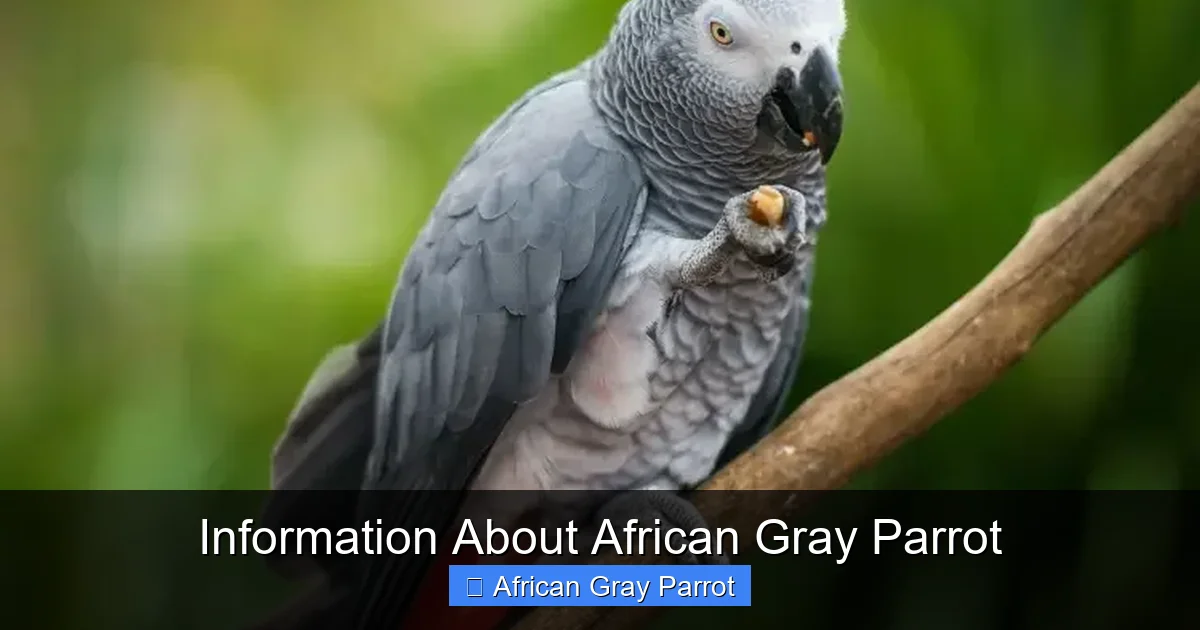
African Gray Parrots are among the most intelligent birds on Earth, renowned for their exceptional talking ability and emotional depth. These medium-sized parrots require significant mental stimulation, specialized nutrition, and decades of committed care to thrive in captivity.
Key Takeaways
- Two distinct subspecies exist: The larger Congo African Gray and the smaller Timneh African Gray have different physical traits and personality nuances.
- Exceptional cognitive abilities: These parrots demonstrate problem-solving skills comparable to a 5-year-old human child and can learn hundreds of words.
- Lifespan exceeds 50 years: Potential owners must plan for a lifetime commitment that may outlast their own caregiving capacity.
- Specialized dietary needs: A seed-only diet causes malnutrition; they require pellets, fresh vegetables, fruits, and calcium-rich foods.
- High social and mental demands: Without daily interaction and enrichment, African Grays develop destructive behaviors like feather plucking and screaming.
- Sensitive respiratory systems: Household toxins like non-stick cookware fumes, aerosol sprays, and cigarette smoke can be fatal.
- Legal and ethical considerations: Wild-caught trade is banned internationally; only purchase from reputable breeders or consider adoption from rescue organizations.
Quick Answers to Common Questions
How long do African Gray Parrots live?
African Gray Parrots typically live 50-70 years in captivity with proper care, and some individuals have reached 80+ years. This is a multi-decade commitment that often requires estate planning.
Do all African Grays talk?
No, not all African Grays talk. While the species is renowned for vocal mimicry, individual variation is significant. Some never speak a word but mimic household sounds beautifully. Most begin vocalizing between 6-18 months.
What is the difference between Congo and Timneh African Grays?
Congos are larger (13-16 inches, 400-650g) with bright red tails and solid black beaks. Timnehs are smaller (11-13 inches, 275-400g) with maroon tails and two-toned horn-colored upper beaks. Timnehs often mature faster and may be slightly less prone to phobias.
Can African Grays eat human food?
Some human foods are healthy for African Grays (vegetables, fruits, cooked grains, lean proteins), but many are toxic (avocado, chocolate, caffeine, alcohol, onion, garlic, fruit pits). Never share processed, salty, sugary, or fried foods.
How much does an African Gray Parrot cost?
Purchase price ranges from $2,000-$5,000+ from breeders, while adoption fees are typically $500-$1,500. First-year setup costs exceed $5,000, with annual ongoing expenses of $2,500-$4,000 for food, toys, veterinary care, and supplies.
📑 Table of Contents
- Getting to Know the African Gray Parrot
- The Two Subspecies: Congo vs. Timneh
- Intelligence That Rivals Primates
- Creating the Ideal Home Environment
- Nutrition: The Foundation of Health
- Behavioral Health and Enrichment
- Training and Communication
- Health Care and Veterinary Needs
- Legal, Ethical, and Financial Considerations
- Living With an African Gray: Daily Realities
- Conclusion: Is an African Gray Right for You?
Getting to Know the African Gray Parrot
If you have ever searched for information about African Gray Parrot characteristics, you probably already know these birds are special. They are not just pets. They are lifelong companions with the brainpower of a young child and the emotional complexity of a sensitive teenager. People often call them the “Einstein of the bird world” for good reason.
Before you bring one home, you need to understand what you are signing up for. This is not a casual decision. An African Gray can live 50 to 70 years. That means your bird might need a guardian in your will. They need hours of daily interaction, a specialized diet, and an environment free of hidden household dangers. If you are ready for that level of commitment, the reward is a bond unlike any other pet can offer.
The Two Subspecies: Congo vs. Timneh
Physical Differences
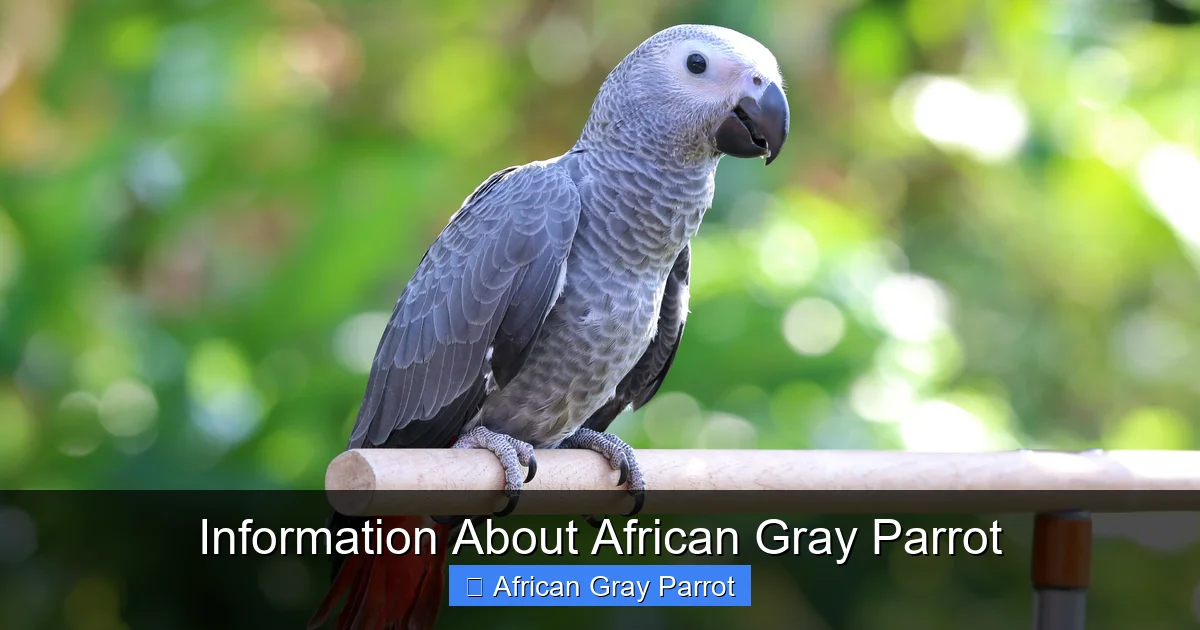
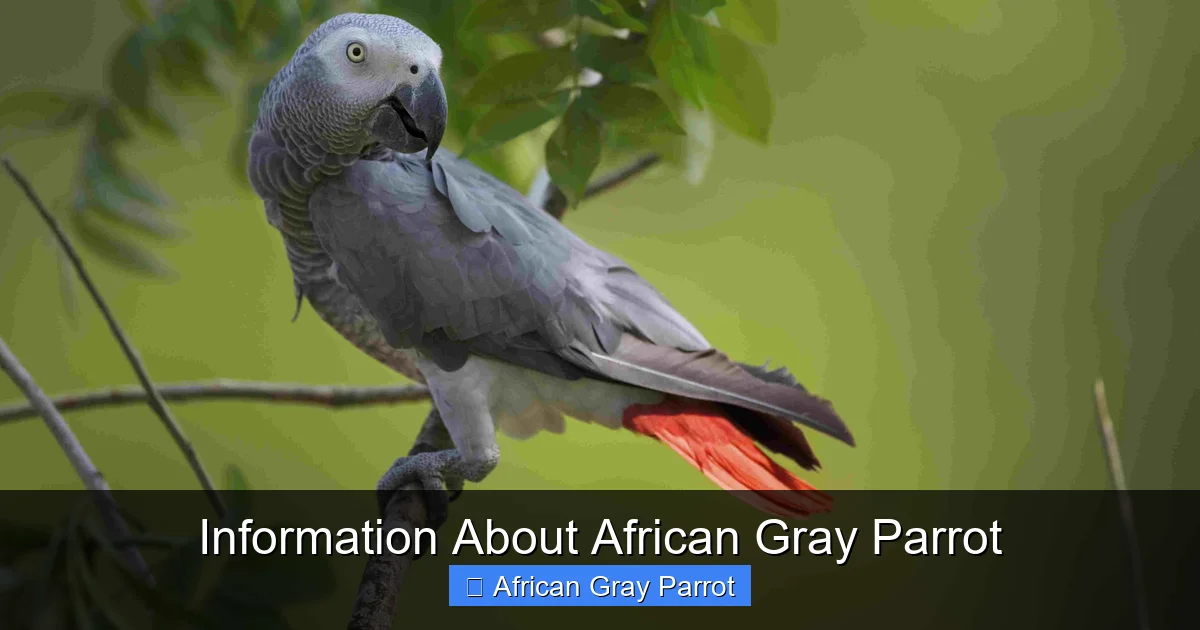
When people picture an African Gray, they usually imagine the Congo African Gray (Psittacus erithacus erithacus). This is the larger subspecies. Adults reach 13 to 16 inches in length and weigh 400 to 650 grams. They sport bright silver-gray feathers, a striking solid black beak, and a vivid scarlet tail that flashes like a warning light in flight.
Visual guide about Information About African Gray Parrot
Image source: thesprucepets.com
The Timneh African Gray (Psittacus erithacus timneh) is the smaller, darker cousin. They top out around 11 to 13 inches and weigh 275 to 400 grams. Their feathers are a deeper charcoal gray. The beak is two-toned: a horn-colored upper mandible fading to dark gray on the lower. Their tail feathers are a rich maroon rather than bright red. Both subspecies have the signature white mask around the eyes and those intense, intelligent yellow irises.
Personality and Temperament Nuances
Many experienced owners say Timnehs are slightly more relaxed and adaptable. They often start talking earlier and handle new situations with less stress. Congos can be more high-strung, prone to phobias, and deeply bonded to one person. That said, individual personality varies wildly. Socialization, early experiences, and your own behavior shape the bird far more than subspecies alone.
If you live in a busy household with kids and dogs, a well-socialized Timneh might adjust faster. If you want a bird that forms an intensely exclusive bond with you and you have a quiet home, a Congo could be your perfect match. Visit breeders. Spend time with both. Let the individual bird choose you.
Intelligence That Rivals Primates
The Alex Studies and What They Proved
You cannot discuss information about African Gray Parrot intelligence without mentioning Dr. Irene Pepperberg and her famous subject, Alex. Over 30 years of research shattered the “bird brain” myth. Alex learned over 100 labels for objects, colors, shapes, and materials. He understood concepts like “same,” “different,” “bigger,” “smaller,” and even a zero-like concept for “none.”
Visual guide about Information About African Gray Parrot
Image source: thesprucepets.com
He could count objects up to six. He combined words to create new labels, calling an apple “banerry” (banana + cherry) because it tasted like both. He expressed frustration, boredom, and affection. When he died in 2007, his last words to Pepperberg were reportedly “You be good. I love you.” That is not mimicry. That is communication.
Problem-Solving in Your Living Room
Your African Gray will not just repeat words. They will use them. Owners report birds saying “Want water” when the bowl is empty. “Tickle” when they want head scratches. “Bye-bye” when you reach for your keys. They solve multi-step puzzles to get treats. They unlock cage doors. They manipulate zippers, latches, and child-proof locks.
This intelligence demands an outlet. A bored African Gray is a destructive African Gray. They will dismantle furniture, strip wallpaper, chew electrical cords, and scream for hours. You must provide foraging toys, puzzle feeders, shreddable materials, and rotating novel objects daily. Think of it as toddler-proofing your house for 50 years.
Creating the Ideal Home Environment
Cage Requirements and Placement
Minimum cage size for an African Gray is 36 inches wide, 24 inches deep, and 48 inches tall. Bigger is always better. Bar spacing should be 3/4 to 1 inch. Horizontal bars on at least two sides allow climbing. The cage needs multiple perches of varying diameters and textures: natural wood, rope, concrete for nail maintenance, and a flat platform for resting.
Place the cage against a wall in a family room where the bird sees daily activity but has a “safe corner” to retreat. Avoid direct drafts, heating vents, and direct afternoon sun. Never put the cage in the kitchen. Cooking fumes, especially from overheated non-stick pans (PTFE), release odorless gases that kill birds in minutes. This is the single most preventable cause of sudden death in pet parrots.
Lighting and Sleep Needs
African Grays originate near the equator. They expect 12 hours of light and 12 hours of dark year-round. Indoor lighting rarely provides adequate UVB for vitamin D synthesis. Use a full-spectrum avian lamp on a timer for 10 to 12 hours daily. Cover the cage at night in a quiet, dark room. Sleep deprivation causes irritability, immune suppression, and feather damaging behavior.
Air Quality and Household Hazards
Birds have a unique respiratory system with air sacs that make them exquisitely sensitive to airborne toxins. Eliminate these from your home entirely:
- Non-stick cookware (Teflon, PTFE, PFOA) – replace with stainless steel, cast iron, or ceramic
- Aerosol sprays (hairspray, air freshener, cleaning products)
- Scented candles and plug-in air fresheners
- Cigarette, vape, or marijuana smoke
- Self-cleaning oven cycle fumes
- New carpet off-gassing (ventilate for weeks before bird exposure)
- Essential oil diffusers (many oils are toxic to birds)
Invest in a high-quality HEPA air purifier for the bird room. Change filters regularly. Your bird’s life depends on clean air.
Nutrition: The Foundation of Health
Why Seeds Are Not Enough
A seed-only diet is the avian equivalent of feeding a child nothing but candy bars. Seeds are high in fat, deficient in vitamin A, calcium, and essential amino acids. Long-term seed diets cause obesity, liver disease, poor feather quality, respiratory infections, and early death. Yet many birds refuse pellets at first because seeds taste better. Transitioning takes patience.
The Ideal Diet Breakdown
Aim for this daily ratio:
- 60-70% high-quality formulated pellets (Harrison’s, Roudybush, TOPs, or similar organic brands without artificial colors or preservatives)
- 20-30% fresh vegetables – dark leafy greens (kale, collards, swiss chard), orange vegetables (sweet potato, carrot, pumpkin), cruciferous veggies (broccoli, cauliflower), peppers, peas, green beans
- 5-10% fresh fruits – berries, apple (no seeds), mango, papaya, pomegranate, kiwi; limit high-sugar fruits
- 5% healthy grains and legumes – cooked quinoa, brown rice, lentils, chickpeas, whole wheat pasta
- Occasional treats – nuts (almond, walnut, pistachio – unsalted, in shell for enrichment), seeds (pumpkin, flax, chia), sprouted seeds
Fresh water must be available 24/7. Change it twice daily. Clean food bowls every day. Remove uneaten fresh food after 2-4 hours to prevent bacterial growth.
Calcium and Vitamin A: Critical Nutrients
African Grays are prone to hypocalcemia (low blood calcium). This causes seizures, weak bones, and egg-binding in females. Provide calcium through dark leafy greens, cooked eggshells (baked and crushed), cuttlebone, and calcium supplements if your avian vet recommends them. Vitamin A deficiency causes respiratory and sinus issues. Orange and dark green vegetables are your best sources.
Foods That Are Toxic
Never feed: avocado, chocolate, caffeine, alcohol, onion, garlic, rhubarb, fruit pits/seeds (apple, cherry, peach contain cyanide), salt, sugar, fried foods, dairy (birds are lactose intolerant), mushrooms, and anything moldy or spoiled.
Behavioral Health and Enrichment
Understanding Body Language
Learning to read your African Gray prevents bites and builds trust. Relaxed: feathers slightly fluffed, one foot tucked up, beak grinding (a sign of contentment), slow blinking. Alert/Interested: sleek feathers, eyes pinning (rapid dilation/constriction), leaning forward, head tilting. Fear/Aggression: feathers tight against body, crouching, hissing, growling, lunging, tail fanning, eyes pinning aggressively. Overstimulation: rapid pupil dilation, quick head movements, sudden nipping. Stop interaction immediately when you see these signs.
Daily Enrichment Schedule
A sample day for a healthy African Gray:
- 7:00 AM: Wake up, fresh water, pellet bowl filled
- 7:30 AM: Chop (fresh veggie/grain mix) served, foraging toys loaded
- 8:00-10:00 AM: Out-of-cage time on play gym, training session (5-10 minutes), shower or misting
- 10:00 AM-1:00 PM: Independent play in cage with rotating toys, background music or audiobook
- 1:00 PM: Second fresh food offering, quick interaction
- 2:00-5:00 PM: More out-of-cage time, family dinner nearby (bird on perch, not shoulder)
- 5:30 PM: Light pellet top-off, calm wind-down
- 7:00 PM: Cage covered, lights out, 12 hours sleep
Adjust for your schedule. The constants are: 10-12 hours sleep, 3-4 hours minimum out-of-cage time, fresh food twice daily, training/mental challenge daily, and toy rotation weekly.
Preventing and Addressing Feather Destructive Behavior
Feather plucking is a complex syndrome, not a single disease. Medical causes (skin infection, parasites, organ disease, heavy metal toxicity, nutritional deficiency) must be ruled out by an avian veterinarian first. Behavioral causes include boredom, anxiety, lack of bathing, poor sleep, hormonal triggers, and attention-seeking.
Intervention starts with a full medical workup. Then optimize diet, sleep, humidity (daily misting or shower), enrichment, and social interaction. Never punish plucking. It increases anxiety. Use an Elizabethan collar only as a last resort under veterinary guidance. Some birds never fully regrow feathers but can live happily with management.
Training and Communication
Positive Reinforcement Basics
African Grays respond only to positive reinforcement. Force, dominance, or punishment destroys trust permanently. Use a clicker or verbal marker (“Good!”) followed immediately by a high-value treat (sliver of almond, sunflower kernel, grape half). Keep sessions to 5 minutes, 2-3 times daily. End on a success.
Essential Behaviors to Teach
- Step up/step down: Foundation for all handling
- Target training: Touch beak to stick – enables moving bird without force
- Recall (fly to me): Life-saving if bird escapes
- Crate training: Voluntary entry for vet visits and emergencies
- Nail file/trim cooperation: Reduces stress grooming
- Wing inspection: Allows feather health checks
- “Drop it”: Critical for dangerous objects
Talking and Vocalization
Not every African Gray talks. Some whisper. Some only mimic sounds (microwave beep, phone ring, dog bark). Most start mimicking between 6-12 months but may not speak clearly until 2-3 years. Talk to your bird narratively: “I’m making your chop now. Here’s your kale. Do you want the red pepper?” Name objects consistently. Use enthusiastic tone. They learn words associated with high emotion or high value first.
Expect noise. African Grays are not quiet birds. They have contact calls, alarm calls, and play vocalizations. Apartment living with thin walls is challenging. Provide a “loud time” outlet (playing music, encouraging talking) and a “quiet time” routine (dim lights, soft voice, cover cage partially).
Health Care and Veterinary Needs
Finding an Avian Veterinarian
Dog and cat vets are not equipped for parrots. You need a board-certified avian veterinarian or one with significant avian caseload. Search the Association of Avian Veterinarians directory. Schedule a “well bird” exam within 2 weeks of bringing your bird home. Then annually. Birds hide illness instinctively. By the “prey species behavior.” Annual blood work (CBC and chemistry panel) catches problems early.
Common Health Issues in African Grays
- Hypocalcemia: Low calcium causing seizures, weakness. Prevent with diet and UVB light.
- Psittacine Beak and Feather Disease (PBFD): Viral, fatal, highly contagious. Test new birds before introduction.
- Proventricular Dilatation Disease (PDD): Neurological/GI wasting disease. No cure. Supportive care only.
- Aspergillosis: Fungal respiratory infection. Caused by poor ventilation, stress, malnutrition.
- Atherosclerosis: Heart disease from high-fat diets and sedentary lifestyle.
- Heavy metal toxicity: Zinc (galvanized cages, toys) and lead (old paint, curtain weights, stained glass).
- Behavioral feather damaging: See enrichment section.
Emergency Preparedness
Have a carrier ready. Know your nearest 24-hour avian emergency clinic. Keep a bird first aid kit: styptic powder, gauze, vet wrap, heating pad, electrolyte solution, syringe feeding formula, and your vet’s after-hours number. Practice towel restraint gently so it’s not terrifying if needed for medical care.
Legal, Ethical, and Financial Considerations
CITES and Legal Status
African Grays are listed on CITES Appendix I (since 2017), banning international commercial trade of wild-caught birds. In the US, they are not federally endangered but some states restrict ownership. Check local laws. Only buy from breeders who provide closed bands (seamless rings placed on chicks) and hatch certificates proving captive-bred status. Ask for parent photos, facility tour, and references.
Adoption vs. Purchase
Parrot rescues are overflowing with surrendered African Grays. Reasons: owner death, divorce, noise complaints, behavioral issues, medical costs. Adoption fees ($500-1500) are lower than breeder prices ($2000-5000+). Rescues assess temperament, provide medical history, and offer post-adoption support. You save a life and skip the baby bird phase (which is exhausting). Consider adoption first.
The Real Cost of Ownership
First year costs easily exceed $5,000:
- Bird: $1,500-$5,000
- Large cage: $500-$1,500
- Play gym: $200-$500
- Avian vet initial exam + bloodwork: $300-$600
- Toys (monthly rotation): $50-$100/month
- Pellets and fresh produce: $80-$150/month
- Full-spectrum lighting: $100-$200
- Air purifier: $200-$400
- Carrier: $50-$150
- Emergency fund: $2,000+ (start saving now)
Annual ongoing costs: $2,500-$4,000. Over 50 years? You do the math. Pet insurance for exotics exists (Nationwide, ASPCA) but read exclusions carefully.
Living With an African Gray: Daily Realities
The Dust Factor
African Grays produce powder down – a fine white dust from specialized feathers that waterproofs their plumage. It coats everything. Furniture, electronics, floors, your clothes, your lungs. Daily vacuuming with HEPA filter, weekly cage scrub-downs, air purifiers running 24/7, and frequent bird baths reduce but never eliminate it. If you have asthma or allergies, think twice.
Travel and Vacation Planning
You cannot leave an African Gray alone for a weekend with extra food. They need daily fresh food, water changes, social interaction, and safety checks. Options: trusted bird-savvy friend stays at your house, professional pet sitter with avian experience (expensive), boarding at avian vet clinic (stressful but safe), or bird travels with you (carrier, hotel research, health certificates for state lines). Plan every trip months ahead.
The One-Person Bond Myth
African Grays often choose a favorite person. This is not immutable. All household members must participate in care: feeding, training, cleaning, play. Rotate who does the “fun stuff” and the “boring stuff.” If only one person handles the bird, the bird will defend that person aggressively. Shared care creates a family bird, not a one-person bird.
Aging and End-of-Life Planning
Your African Gray will likely outlive you. Or develop age-related issues: arthritis (lower perches, heated perches), cataracts (consistent cage layout), kidney disease (diet modification), cognitive decline (patience, routine). Include the bird in your will with a designated guardian and funded trust. Talk to that person now. Make sure they want this responsibility. Visit avian rescues together.
Conclusion: Is an African Gray Right for You?
After absorbing all this information about African Gray Parrot care, intelligence, and needs, ask yourself honestly: Can I provide 3-4 hours daily of focused interaction for 50+ years? Can I afford $3,000+ annually? Will I restructure my home for air quality and safety? Will I tolerate dust, noise, destroyed belongings, and occasional bites? Will I prioritize this bird’s wellbeing over spontaneous travel, late nights, and scented candles?
If the answer is a resounding yes, you are ready for one of the most profound interspecies relationships possible. An African Gray will challenge you, humble you, make you laugh, break your heart, and expand your understanding of what a mind can be. They are not pets. They are persons with feathers. Treat them accordingly.
If you have doubts, volunteer at a parrot rescue first. Foster. Spend weekends with experienced owners. The birds deserve nothing less than a fully informed, fully committed human. And you deserve the truth before you make a half-century promise.
Frequently Asked Questions
Are African Gray Parrots good for first-time bird owners?
African Grays are generally not recommended for first-time bird owners due to their complex psychological needs, long lifespan, high intelligence requiring constant stimulation, and sensitivity to environmental stressors. Experience with smaller parrots or extensive research and mentorship is strongly advised before taking on this species.
How much sleep does an African Gray need?
African Grays require 10-12 hours of uninterrupted, dark, quiet sleep each night. Sleep deprivation leads to irritability, immune system suppression, hormonal imbalances, and feather destructive behavior. A consistent schedule with cage covering in a separate dark room is essential.
Why is my African Gray plucking its feathers?
Feather plucking has medical causes (skin disease, organ dysfunction, nutritional deficiencies, parasites, heavy metal toxicity) and behavioral causes (boredom, anxiety, insufficient bathing, poor sleep, hormonal frustration, attention-seeking). A full avian veterinary workup is required before assuming it is behavioral.
Can African Grays live with other pets?
African Grays can coexist with other pets under strict supervision, but predator-prey dynamics are inherent. Dogs and cats can kill or severely injure a bird in seconds. Never leave them unsupervised. Separate rooms when you are not present. Some Grays bond with other birds; others are aggressively territorial.
What size cage does an African Gray need?
The minimum cage size for an African Gray is 36 inches wide x 24 inches deep x 48 inches tall with 3/4 to 1 inch bar spacing. However, larger is always better. The bird must be able to fully extend and flap wings without touching bars. Horizontal bars on two sides facilitate climbing. Out-of-cage time daily is non-negotiable regardless of cage size.
How do I transition my African Gray from seeds to pellets?
Transition gradually over weeks to months. Start by mixing 10% pellets with 90% seeds. Slowly increase pellet ratio weekly. Offer pellets in a separate bowl first thing in the morning when hunger is highest. Eat pellets yourself enthusiastically in front of the bird. Try different brands, shapes, and flavors. Never starve a bird into conversion. Consult your avian vet for supervised conversion if the bird refuses pellets entirely.