
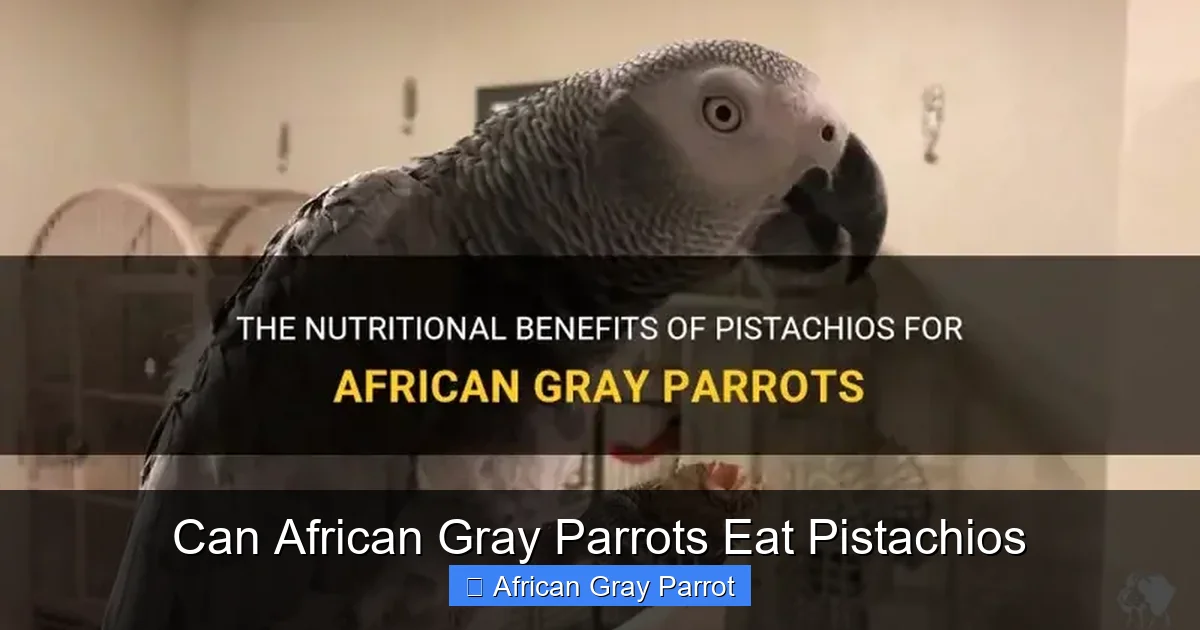
African Grey parrots can eat pistachios as an occasional treat. These nuts offer healthy fats, protein, and essential minerals that support feather health and brain function. Always serve unsalted, unroasted pistachios in small amounts — no more than one or two nuts a few times per week.
Featured image for
Image source: petshun.com
Many parrot owners wonder about safe human foods for their feathered companions. Pistachios are a popular snack, but are they suitable for African Greys? The short answer is yes — with important caveats. This guide covers everything you need to know about feeding pistachios to your African Grey parrot.
📑 Table of Contents
Can African Grey Parrots Eat Pistachios?
Yes, African Grey parrots can eat pistachios. These nuts are not toxic to parrots. In fact, they provide nutritional value when fed correctly. African Greys enjoy the taste and the challenge of cracking the shells. However, pistachios should never replace a balanced pelleted diet. They are a treat, not a staple food.
Wild African Greys eat a variety of nuts, seeds, fruits, and vegetation. Pistachios mimic some of the nuts they might encounter in nature. The key is moderation. Too many nuts lead to obesity and nutritional imbalances. Offer pistachios as part of a varied treat rotation.
Are Pistachios Healthy for African Greys?
Pistachios contain several nutrients beneficial to parrots. They are rich in healthy monounsaturated fats, which support skin and feather condition. They also provide plant-based protein, essential for muscle maintenance and enzyme function. Minerals like potassium, magnesium, and phosphorus aid bone health and nerve function.
Visual guide about
Image source: atractivopets.com
These nuts also contain antioxidants such as lutein and zeaxanthin. These compounds support eye health — important for a species prone to cataracts. Vitamin B6 in pistachios helps brain function and mood regulation. For an intelligent bird like the African Grey, this is a plus.
Still, pistachios are calorie-dense. One ounce (about 49 kernels) has roughly 160 calories. An African Grey weighs only 400–600 grams. Even a few nuts represent a significant calorie load. Limit portions to avoid weight gain.
How Should You Prepare Pistachios for Your Parrot?
Always choose raw, unsalted pistachios. Salted or roasted varieties contain sodium and oils harmful to birds. Excess salt can cause kidney damage and dehydration in parrots. Roasted nuts often have added oils that increase fat content unnecessarily.
Remove the hard outer shell before serving. While some large parrots can crack shells, shell fragments pose a choking hazard. They can also damage the beak or cause digestive blockages. Offer only the green kernel inside.
Chop the nut into small pieces for smaller birds or those new to nuts. This reduces choking risk and makes portion control easier. You can hide pieces in foraging toys to encourage mental stimulation. African Greys love problem-solving, and working for food mimics natural behavior.
How Many Pistachios Can an African Grey Eat?
Limit pistachios to one or two kernels per serving. Offer this treat no more than two to three times per week. This keeps fat intake in check while still providing variety. Adjust based on your bird’s weight, activity level, and overall diet.
If your African Grey is overweight, consult your avian vet before adding nuts. Birds on weight-management plans may need to avoid high-fat treats entirely. Monitor body condition by feeling the keel bone — it should be palpable but not sharp.
Rotate pistachios with other healthy treats like almonds, walnuts, or pumpkin seeds. Variety prevents boredom and ensures a broader nutrient profile. Never feed moldy or rancid nuts. Store pistachios in a cool, dry place and check for freshness before serving.
What Are the Risks of Feeding Pistachios?
The main risk is overfeeding. High fat content can lead to obesity, fatty liver disease, and atherosclerosis. African Greys are prone to these conditions, especially on seed-heavy diets. Pistachios should complement — not compete with — a formulated pellet base.
Aflatoxins are another concern. These toxins, produced by certain molds, can contaminate nuts. They cause liver damage and are carcinogenic. Buy human-grade, reputable brands. Avoid bulk bins where moisture and turnover are uncontrolled. Discard any nuts that smell musty or look discolored.
Allergic reactions are rare but possible. Watch for signs like sneezing, wheezing, swelling, or digestive upset after first introduction. If symptoms appear, stop feeding and contact your vet. Introduce new foods one at a time to identify triggers easily.
Can Baby African Greys Eat Pistachios?
Weaned baby African Greys can try tiny pieces of pistachio. Wait until they are fully weaned and eating a varied diet. Start with a piece no larger than a grain of rice. Monitor droppings and behavior for 24 hours. If all is well, you can gradually increase to a proper treat size.
Hand-feeding formula should remain the primary nutrition source until weaning is complete. Do not offer nuts to unweaned chicks. Their digestive systems are too immature for high-fat foods. Always consult your breeder or avian vet for species-specific weaning guidance.
Conclusion
African Grey parrots can eat pistachios safely when prepared and portioned correctly. Choose raw, unsalted nuts. Remove shells. Serve one to two kernels a few times weekly. These treats offer healthy fats, protein, and antioxidants that support feather, brain, and eye health. But moderation is critical. Too many pistachios cause obesity and nutritional imbalance. Always prioritize a high-quality pelleted diet, fresh vegetables, and clean water. Use pistachios as a foraging reward or bonding treat — not a dietary staple. When in doubt, ask your avian veterinarian for personalized advice.