
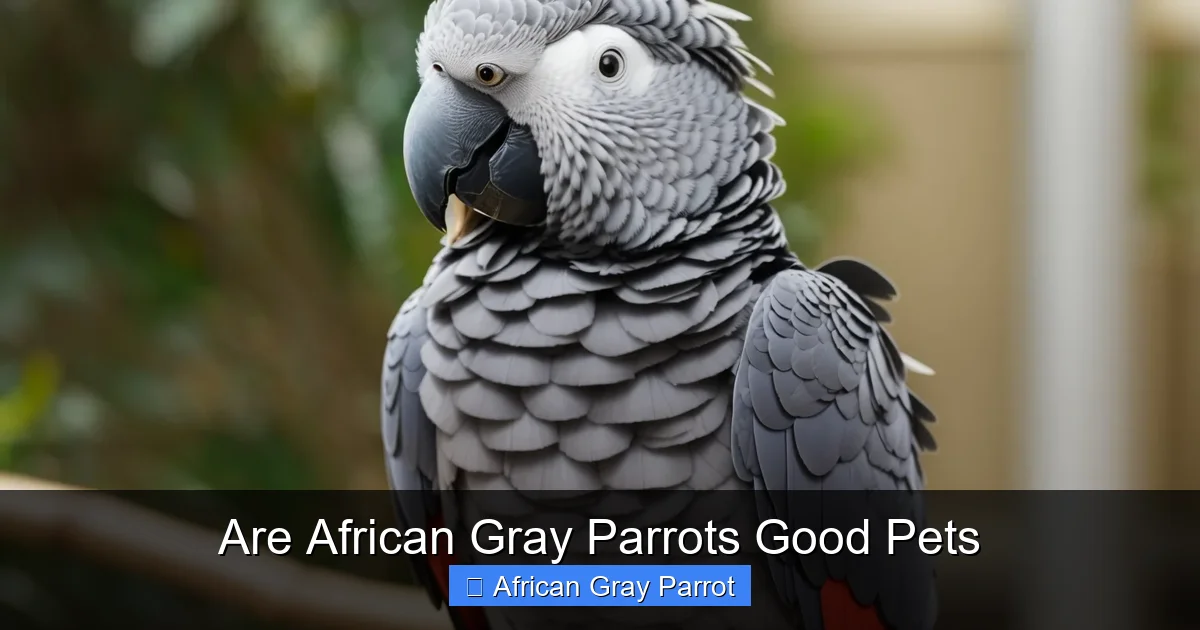
African Gray Parrots are brilliant, long-lived birds that bond deeply with owners. They require extensive mental stimulation, specialized diets, and decades of commitment. These parrots suit experienced bird owners who can provide daily interaction and enrichment.
📑 Table of Contents
- Are African Gray Parrots Good Pets for Beginners?
- How Long Do African Gray Parrots Live?
- Do African Gray Parrots Talk Well?
- What Does an African Gray Parrot Eat?
- How Much Space Does an African Gray Need?
- Are African Gray Parrots Loud?
- What Health Problems Do African Grays Face?
- How Much Does an African Gray Parrot Cost?
- Do African Gray Parrots Bond with One Person?
- What Toys and Enrichment Do They Need?
- Can African Gray Parrots Live with Other Pets?
- Conclusion: Is an African Gray Right for You?
Are African Gray Parrots Good Pets for Beginners?
No, African Gray Parrots are not ideal for first-time bird owners. Their intelligence rivals a five-year-old child. They need constant mental challenges. Without enrichment, they develop destructive behaviors like feather plucking and screaming. Beginners often underestimate the time commitment. These birds demand several hours of daily interaction. A busy work schedule leaves them lonely and stressed.
How Long Do African Gray Parrots Live?
African Grays live 40 to 60 years in captivity. Some reach 80 with excellent care. This lifespan means your bird may outlive you. You must plan for their future care. Include them in your will or arrange a trusted guardian. Many parrots end up in rescues because owners didn’t plan ahead. Consider your age and life stability before adopting.
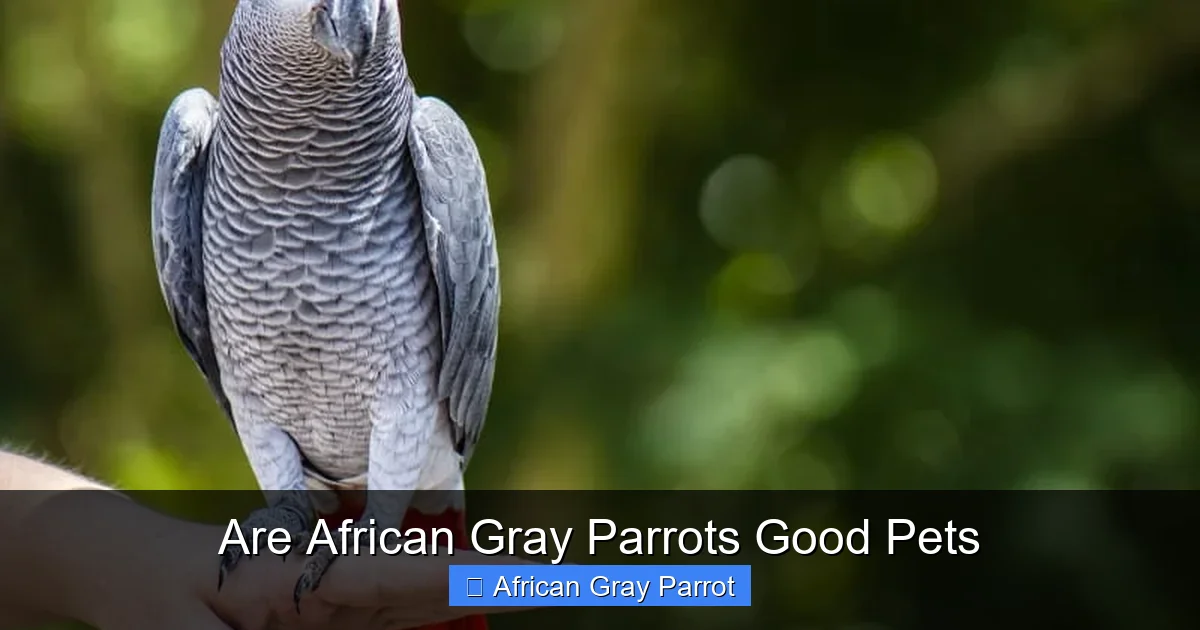
Visual guide about
Image source: d2zp5xs5cp8zlg.cloudfront.net
Do African Gray Parrots Talk Well?
Yes, they are exceptional mimics. African Grays learn hundreds of words. They use words in context, not just repetition. Alex, the famous research parrot, understood concepts like color, shape, and number. Your bird may learn to ask for water, name toys, or greet visitors. Talking ability varies by individual. Some start speaking at six months. Others take years. Consistent training helps.
What Does an African Gray Parrot Eat?
A seed-only diet causes malnutrition. Feed a high-quality pellet base (60-70%). Add fresh vegetables daily: kale, carrots, sweet potato, bell peppers. Offer fruits sparingly due to sugar. Provide healthy nuts as treats. Avoid avocado, chocolate, caffeine, alcohol, and onions. These are toxic. Fresh water must be available always. Clean food bowls daily to prevent bacteria.
How Much Space Does an African Gray Need?
Minimum cage size: 36 x 24 x 48 inches. Bar spacing: 3/4 to 1 inch. Bigger is always better. The cage needs horizontal bars for climbing. Include multiple perches of varying diameters. Natural wood perches prevent foot sores. Place the cage in a social room, not isolated. Avoid drafts, direct sun, and kitchen fumes. Non-stick cookware fumes can kill parrots instantly.
Are African Gray Parrots Loud?
They are moderate noise makers. They don’t scream like macaws or cockatoos. However, they mimic household sounds: microwaves, phones, alarms. They whistle, click, and chatter throughout the day. Morning and evening vocalizations are normal. Screaming usually signals boredom or distress. Training and enrichment reduce problem noise. Apartment dwellers should consider neighbors.
What Health Problems Do African Grays Face?
Common issues include calcium deficiency, respiratory infections, and psittacine beak and feather disease (PBFD). They hide illness well. Annual avian vet exams are essential. Blood work detects problems early. Watch for fluffed feathers, appetite changes, or unusual droppings. Quarantine new birds 30-45 days. Wash hands before handling. Avoid contact with wild birds.
How Much Does an African Gray Parrot Cost?
Purchase price: $1,500 to $4,000 from reputable breeders. Adoption fees: $500 to $1,500. First-year setup (cage, toys, vet, food): $2,000+. Annual costs: $1,000 to $2,000. Emergency vet visits run $500 to $3,000. Pet insurance helps. Budget for 50+ years of care. The lifetime cost often exceeds $50,000.
Do African Gray Parrots Bond with One Person?
They often choose a favorite person. This can lead to aggression toward others. Socialize them with multiple family members early. Use positive reinforcement. Let others feed treats and train. Rotate who handles the bird daily. Prevent mate aggression by limiting cuddling and nesting behaviors. Never allow the bird to regurgitate for you. This reinforces pair bonding.
What Toys and Enrichment Do They Need?
Rotate toys weekly to prevent boredom. Foraging toys are essential. Hide food in paper, boxes, or puzzle feeders. Provide destructible toys: wood, cardboard, palm shredders. Offer foot toys for manipulation. Teach tricks using clicker training. Puzzle feeders make meals last longer. A bored Gray destroys furniture and plucks feathers. Mental stimulation is not optional.
Can African Gray Parrots Live with Other Pets?
Supervision is mandatory. Cats and dogs pose predatory risks. Even gentle pets can injure a bird accidentally. Never leave them unsupervised. Other birds may transmit diseases. Separate air space prevents respiratory issues. Introduce slowly through cage bars. Some Grays enjoy avian companionship. Others prefer human-only flocks. Know your bird’s personality.
Conclusion: Is an African Gray Right for You?
African Gray Parrots are extraordinary companions for the right person. They offer unmatched intelligence, talking ability, and emotional depth. The trade-off is decades of daily care, significant expense, and lifestyle adjustments. You need time, patience, financial stability, and a plan for their future. If you work long hours, travel often, or want a low-maintenance pet, choose a different species. For dedicated owners, a Gray becomes a feathered family member who surprises you daily with wit and affection. Research thoroughly. Visit breeders or rescues. Talk to current owners. Make an informed decision for both your sake and the bird’s.