
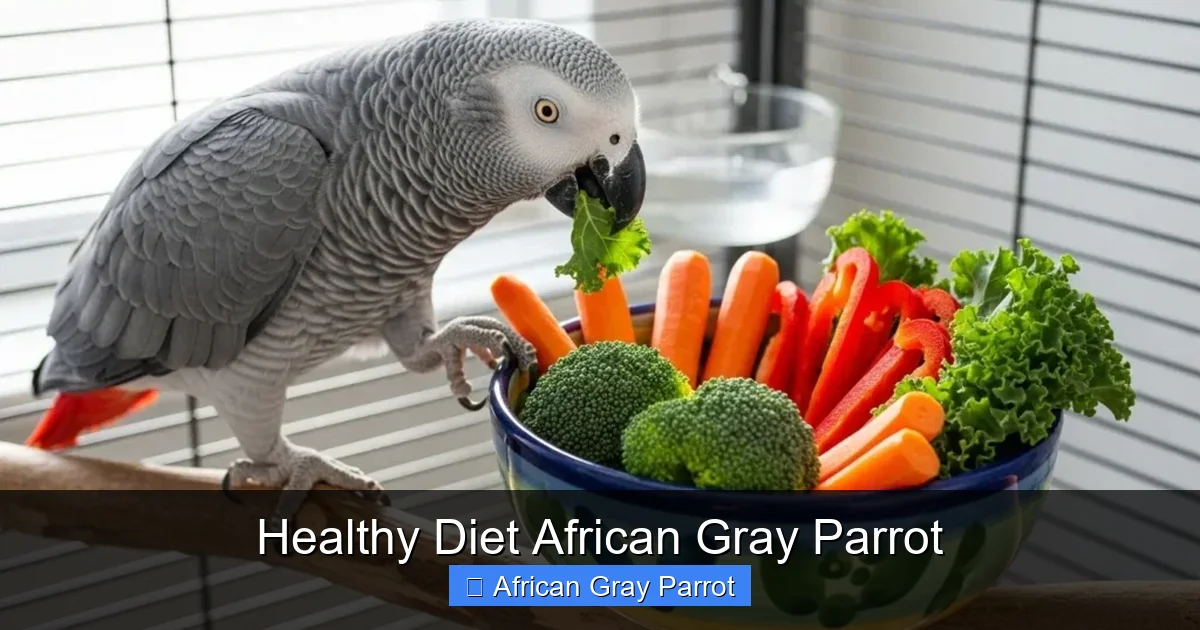
A healthy diet African gray parrot plan centers on high-quality pellets, fresh vegetables, fruits, and limited seeds. Proper nutrition prevents deficiencies, supports cognitive function, and extends lifespan. This guide covers everything you need to feed your feathered companion for optimal health and happiness.
Bringing an African gray parrot into your life means welcoming one of the most intelligent and sensitive birds on the planet. These remarkable companions can live fifty years or more with proper care. Nutrition sits at the very center of that care. A healthy diet African gray parrot plan does more than keep feathers glossy. It fuels brain power. It supports immune function. It prevents the heartbreaking health issues that cut lives short. Many new owners feel overwhelmed by conflicting advice. Seed mixes at pet stores look tempting. Colorful packaging promises complete nutrition. The reality is different. Seeds alone lead to malnutrition. They are high in fat and low in essential nutrients. This guide walks you through every aspect of feeding your gray. You will learn what to feed, how much to offer, and which mistakes to avoid. Your bird depends on you for every bite. Let us make each one count.
African gray parrots originate from the rainforests of West and Central Africa. In the wild, they forage across vast distances. Their natural diet includes palm nuts, seeds, fruits, leaf buds, and occasional insects or clay for minerals. This diverse menu delivers a complex nutrient profile. Captivity changes everything. Activity levels drop. Food variety often shrinks. Metabolic needs shift. Yet the biological requirement for diverse, nutrient-dense foods remains. A healthy diet African gray parrot strategy mimics wild diversity within a safe, controlled framework. It balances convenience with biological truth. The goal is not just survival. The goal is vibrant health, stable moods, and decades of companionship. Every section below builds toward that goal.
Key Takeaways
- Pellets are the foundation: High-quality formulated pellets should make up 60-70% of daily intake for balanced nutrition.
- Fresh vegetables are essential: Dark leafy greens and colorful veggies provide critical vitamins and phytonutrients daily.
- Fruit serves as a treat: Offer fruits in moderation due to natural sugar content; focus on berries and tropical varieties.
- Calcium and vitamin A are priorities: African grays need extra calcium and beta-carotene-rich foods to prevent common deficiencies.
- Avoid toxic foods completely: Never feed avocado, chocolate, caffeine, alcohol, onions, or fruit pits and seeds.
- Variety prevents boredom and pickiness: Rotate foods daily to ensure nutritional completeness and mental stimulation.
- Fresh water and clean dishes matter: Change water twice daily and wash food bowls every day to prevent bacterial growth.
Quick Answers to Common Questions
What percentage of an African gray’s diet should be pellets?
High-quality pellets should make up 60-70% of your African gray’s daily diet to ensure balanced nutrition and prevent selective eating.
Can African gray parrots eat avocado?
No, avocado contains persin which is toxic to birds and can cause respiratory distress, heart failure, and death. Never feed any part of the avocado.
How often should I change my African gray’s water?
Change fresh water at least twice daily (morning and evening) to prevent bacterial growth, and clean the bowl thoroughly with hot soapy water each time.
What are the best vegetables for African gray parrots?
Dark leafy greens (kale, collards, dandelion greens) and orange vegetables (sweet potato, carrots, squash) are essential daily staples for calcium and vitamin A.
How do I transition my seed-addicted African gray to pellets?
Mix 10% pellets with 90% seeds, then gradually increase pellets by 10% every 3-5 days while monitoring weight daily. Offer fresh foods enthusiastically and model eating them yourself.
📑 Table of Contents
- Understanding African Gray Parrot Nutritional Needs
- Core Components of a Healthy Diet African Gray Parrot Plan
- Fresh Vegetables: The Daily Rainbow
- Fruits, Grains, Legumes, and Healthy Fats
- Foods to Avoid: The Absolute No-Fly List
- Feeding Schedule, Portions, and Practical Tips
- Common Dietary Mistakes and How to Fix Them
- Special Considerations Across Life Stages
- Working with Your Avian Veterinarian
- Conclusion
Understanding African Gray Parrot Nutritional Needs
Unique Metabolic Demands
African grays possess a faster metabolism than many larger parrots. They process food quickly. This means nutrients must be consistently available. They also have a unique susceptibility to hypocalcemia, or low blood calcium. This condition can cause seizures, weakness, and even death. A healthy diet African gray parrot approach must prioritize calcium-rich foods and proper vitamin D3 for absorption. Their digestive tract is relatively short. Food passes through rapidly. This limits absorption time. Nutrient density becomes critical. Every bite must deliver value. Empty calories from seed hulls or sugary treats displace essential nutrition. Understanding these metabolic quirks shapes every feeding decision you make.
Vitamin A and Beta-Carotene Requirements
Vitamin A deficiency ranks among the most common health problems in captive African grays. This vitamin maintains respiratory tract integrity, skin health, and vision. It supports immune defense against bacteria and fungi. Birds cannot utilize preformed vitamin A from animal sources efficiently. They need beta-carotene from plant foods. The body converts beta-carotene to vitamin A as needed. This self-regulating system prevents toxicity. Dark orange and deep green vegetables are beta-carotene powerhouses. Sweet potatoes, carrots, pumpkin, kale, and collard greens should appear daily. A healthy diet African gray parrot plan ensures these foods are staples, not afterthoughts. Light steaming can increase beta-carotene bioavailability in some vegetables. Offer both raw and lightly cooked options for variety.
Protein and Amino Acid Balance
Protein builds feathers, muscle, enzymes, and hormones. Growing chicks and molting adults need more. Breeding hens require the highest levels. A healthy diet African gray parrot regimen provides complete protein through pellets and complementary plant sources. Legumes like lentils, chickpeas, and mung beans offer plant protein. Sprouted seeds increase protein digestibility. Quinoa delivers all nine essential amino acids. Cooked egg, offered once weekly, provides high-quality animal protein. Balance matters. Excess protein strains kidneys. Insufficient protein causes poor feather quality and muscle wasting. Most adult grays thrive on 12-15% dietary protein. Pellets formulated for African grays hit this target. Supplement with whole foods for variety and enrichment.
Essential Fatty Acids for Brain and Feather Health
Omega-3 and omega-6 fatty acids support cognitive function, feather structure, and inflammatory balance. Wild grays obtain these from palm nuts and varied seeds. Captive birds often lack adequate omega-3s. A healthy diet African gray parrot plan includes flaxseed, chia seed, hemp hearts, and walnuts in small amounts. These provide alpha-linolenic acid, a plant-based omega-3. Some owners add algal oil supplements for direct DHA. Consult your avian veterinarian before supplementing. Fat carries fat-soluble vitamins A, D, E, and K. Too little fat impairs absorption. Too much causes obesity and liver disease. Seeds and nuts are calorie-dense. Measure portions carefully. A few slivers of walnut or a pinch of chia goes a long way.
Core Components of a Healthy Diet African Gray Parrot Plan
Why Pellets Form the Nutritional Backbone
High-quality pellets deliver guaranteed nutrition in every bite. They prevent selective eating. Birds cannot pick out favorite pieces and leave the rest. Reputable brands employ avian nutritionists. They formulate for species-specific needs. A healthy diet African gray parrot foundation uses pellets as 60-70% of daily intake. Look for brands with whole food ingredients, no artificial colors, and no added sugar. Harrison’s, Roudybush, TOPS, and Zupreem Natural are widely recommended. Transition slowly from seeds. Mix increasing amounts of pellets over weeks. Monitor weight daily during conversion. Some grays resist pellets initially. Patience and creativity win. Warm pellets slightly. Crumble them over favorite vegetables. Eat a pellet yourself to model the behavior. Most birds convert successfully with time.
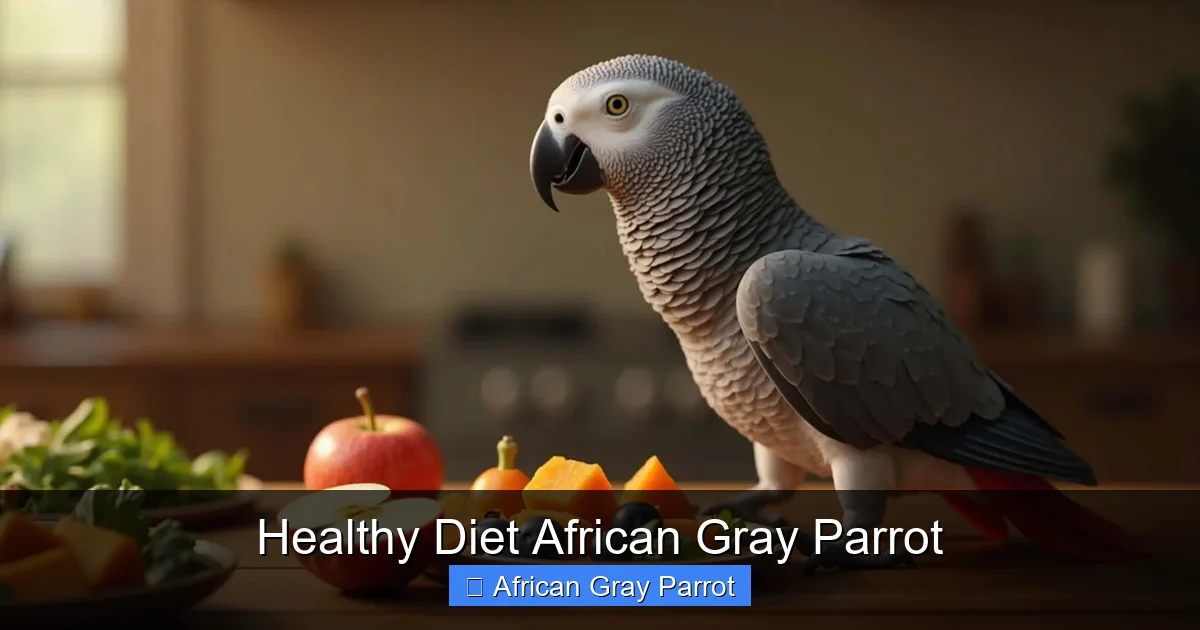
Visual guide about Healthy Diet African Gray Parrot
Image source: cdn.shopify.com
Choosing the Right Pellet Formula
Not all pellets suit every bird. Maintenance formulas work for most adults. High-potency or breeding formulas support molting, growth, or reproduction. Low-fat versions help overweight birds. Organic options avoid pesticide residues. A healthy diet African gray parrot plan matches pellet type to life stage and health status. Read ingredient lists. First ingredients should be identifiable whole grains or legumes. Avoid corn and soy as primary ingredients if possible. Some grays develop sensitivities. Rotate between two trusted brands periodically. This prevents brand loyalty that complicates future changes. Store pellets in airtight containers in cool, dark places. Buy quantities you will use within six weeks. Nutrient potency declines with age and exposure.
Fresh Water: The Overlooked Nutrient
Water drives every metabolic process. Dehydration kills faster than starvation. A healthy diet African gray parrot routine includes fresh water changed at least twice daily. Morning and evening changes prevent bacterial biofilm. Use stainless steel or ceramic bowls. Plastic scratches harbor bacteria. Some grays love to dunk food, creating soup. This accelerates spoilage. Consider a water bottle for drinking and a separate bowl for bathing. Clean both daily with hot, soapy water. Rinse thoroughly. Weekly sanitize with a bird-safe disinfectant or vinegar solution. Filtered water removes chlorine and heavy metals. If your tap water is high quality, it works fine. Observe your bird’s drinking habits. Changes can signal illness early.
Fresh Vegetables: The Daily Rainbow
Dark Leafy Greens as Non-Negotiables
Kale, collard greens, mustard greens, dandelion greens, and Swiss chard deliver calcium, vitamin K, folate, and countless phytonutrients. A healthy diet African gray parrot menu includes at least one dark leafy green daily. Rotate varieties weekly. Each offers a unique nutrient profile. Wash thoroughly to remove pesticide residues. Organic is ideal for greens. Chop into manageable pieces. Some birds prefer whole leaves to shred. Others like a fine mince. Offer both ways to discover preference. Lightly steaming reduces oxalates, compounds that can bind calcium. However, raw greens provide enzymes and texture. Mix raw and cooked throughout the week. Avoid spinach and beet greens as daily staples. Their high oxalate content interferes with calcium absorption when fed excessively.
Orange and Red Vegetables for Beta-Carotene
Sweet potatoes, carrots, butternut squash, pumpkin, and red bell peppers blaze with beta-carotene. A healthy diet African gray parrot plan features these colors daily. Steam or bake sweet potatoes and squash until tender. Cool before serving. Raw carrots provide satisfying crunch. Grate them for smaller birds. Red bell peppers offer vitamin C alongside beta-carotene. Remove seeds and white pith. Roasted vegetables develop sweetness that tempts picky eaters. Avoid added oils, salt, or spices. Puree cooked vegetables and freeze in ice cube trays for convenient portions. Thaw overnight in the refrigerator. Warm slightly before serving. Never microwave in plastic containers. Glass or ceramic only.
Cruciferous Vegetables and Their Benefits
Broccoli, cauliflower, Brussels sprouts, and cabbage contain sulforaphane, a compound with anti-cancer properties. They also provide fiber, vitamin C, and folate. A healthy diet African gray parrot rotation includes cruciferous vegetables several times weekly. Light steaming enhances digestibility and reduces goitrogenic compounds that can affect thyroid function in massive amounts. The amounts fed to parrots pose no risk. Offer broccoli florets with stems attached. The stems are nutrient-dense. Cauliflower rice, made by pulsing florets in a food processor, creates an engaging texture. Some grays enjoy holding a whole Brussels sprout and dismantling it. This provides mental stimulation alongside nutrition.
Other Valuable Vegetable Additions
Green beans, snap peas, sugar snap peas, and edamame offer protein and fiber. Corn on the cob, fed sparingly, provides entertainment and energy. Zucchini, cucumber, and celery add hydration and crunch. Bell peppers of all colors deliver vitamin C. Hot peppers are safe and often enjoyed. Birds lack capsaicin receptors. They taste the flavor without the burn. A healthy diet African gray parrot approach embraces variety. Try one new vegetable weekly. Track preferences in a notebook. Seasonal eating aligns with nature and saves money. Frozen vegetables, plain and unseasoned, are excellent backups. Thaw and warm. They retain most nutrients. Avoid canned vegetables with added salt.
Fruits, Grains, Legumes, and Healthy Fats
Fruit as Nutrient-Dense Treats
Fruits provide antioxidants, vitamins, and natural sugars. A healthy diet African gray parrot plan limits fruit to 10-15% of the diet. Berries reign supreme. Blueberries, raspberries, blackberries, and strawberries pack antioxidants with lower sugar. Tropical fruits like papaya, mango, and guava offer digestive enzymes and vitamin C. Pomegranate arils are antioxidant bombs. Apples and pears provide fiber. Remove all seeds and pits. They contain cyanide compounds. Citrus fruits like oranges and tangerines are fine in moderation. Some birds develop watery droppings from high citrus intake. Observe your individual. Dried fruits without added sugar work for training treats. Rehydrate slightly for easier eating. Avoid avocado entirely. It contains persin, toxic to birds.
Whole Grains for Energy and B Vitamins
Cooked quinoa, brown rice, wild rice, barley, millet, and oats deliver complex carbohydrates and B vitamins. A healthy diet African gray parrot rotation includes grains several times weekly. Cook in water or low-sodium broth. Cool completely. Mix with chopped vegetables for a complete meal. Sprouted grains increase enzyme content and vitamin levels. Soak grains overnight. Rinse and drain twice daily until tiny tails appear. Usually 24-48 hours. Sprouts are living food. They excite natural foraging instincts. Offer a tablespoon of cooked or sprouted grains per serving. Avoid refined grains like white rice or pasta. They lack fiber and nutrients. Whole grain pasta shapes can be fun foot toys. Uncooked, they crunch. Cooked, they squish. Both textures engage.
Legumes: Plant Protein Powerhouses
Lentils, chickpeas, black beans, kidney beans, and mung beans provide protein, iron, and fiber. A healthy diet African gray parrot plan incorporates cooked legumes weekly. Never feed raw or undercooked beans. They contain lectins that cause digestive distress. Pressure cooking destroys lectins efficiently. Soak dried beans overnight. Rinse well. Cook until very soft. Mash slightly for easier eating. Canned beans work in a pinch. Choose no-salt-added varieties. Rinse thoroughly. Sprouted lentils and mung beans are especially nutritious. They sprout in just one to two days. Offer a teaspoon of cooked legumes mixed into chop. Too much causes gas. Introduce gradually. Monitor droppings for changes.
Nuts and Seeds: Concentrated Nutrition in Tiny Packages
Walnuts, almonds, Brazil nuts, pecans, and macadamias offer healthy fats, vitamin E, and minerals. A healthy diet African gray parrot approach treats nuts as condiments. One to two nuts daily for an average gray. Adjust for size and activity. Shell them yourself. Pre-shelled nuts oxidize faster. Brazil nuts provide selenium. One every few days meets needs. Excess selenium is toxic. Pumpkin seeds, sunflower seeds, and safflower seeds are high in fat. Use sparingly for training. Hemp hearts, chia, and flax provide omega-3s. Grind flax seeds for absorption. Whole seeds pass through undigested. Store nuts and seeds in the freezer. Rancid fats cause inflammation. Smell before serving. Discard any that smell paint-like or bitter.
Foods to Avoid: The Absolute No-Fly List
Toxic Foods That Can Kill
Avocado tops the danger list. Persin causes respiratory distress, heart failure, and death. Chocolate contains theobromine. Birds cannot metabolize. Even small amounts trigger seizures and cardiac arrest. Caffeine from coffee, tea, or soda overstimulates the heart. Alcohol depresses the nervous system fatally. Onions, garlic, and related alliums cause hemolytic anemia. They destroy red blood cells. Fruit pits and apple seeds contain amygdalin, which releases cyanide. Xylitol, an artificial sweetener, causes liver failure and hypoglycemia. A healthy diet African gray parrot protocol means zero tolerance for these items. Educate every household member. Post a list on the refrigerator. One mistake can end a life. When in doubt, leave it out.
Problematic Foods That Cause Harm Over Time
Salt overloads avian kidneys. Processed human foods are salt bombs. Chips, crackers, pretzels, and cured meats have no place in the bowl. Sugar promotes yeast overgrowth, obesity, and behavioral spikes. Candy, baked goods, and sweetened cereals belong to humans. Dairy products contain lactose. Birds lack lactase enzyme. Milk, cheese, and yogurt cause diarrhea. Small amounts of hard cheese or lactose-free yogurt are occasionally tolerated. Why risk it? Fried foods and oils create oxidative stress. Mushrooms may contain toxins. Raw meat and eggs carry salmonella risk. Cooked egg is safe. A healthy diet African gray parrot plan eliminates these chronic stressors. The cumulative damage shortens lifespans silently.
Controversial Foods Requiring Caution
Spinach, Swiss chard, and beet greens contain oxalates. Daily feeding binds calcium. Offer weekly, not daily. Parsley is high in oxalates too. Use as garnish. Rhubarb leaves are toxic. Stalks are very high in oxalates. Avoid entirely. Tomatoes are acidic. Some birds develop mouth irritation. Nightshade family members (potato, eggplant, pepper leaves) contain solanine. Ripe fruits are fine. Green parts are not. Grapefruit can interact with medications. Consult your vet. A healthy diet African gray parrot strategy respects individual sensitivities. Keep a food journal. Note any droppings changes, behavior shifts, or skin reactions. Elimination diets identify triggers. Your avian veterinarian guides this process.
Feeding Schedule, Portions, and Practical Tips
Designing a Daily Feeding Routine
Consistency reduces stress. A healthy diet African gray parrot schedule might look like this. Morning: fresh chop (vegetables, grains, legumes) with pellets on the side. Midday: pellet refill if needed, fresh water change. Evening: small fruit portion, a nut or two for training, final pellet top-off. Remove fresh foods after two to four hours. Spoilage risk increases with time. Adjust timing to your schedule. The key is predictability. Birds anticipate meals. This regulates hormones and behavior. Offer the most nutrient-dense foods when hunger is highest, usually morning. Reserve treats for training sessions. This builds positive associations. Never starve a bird to force pellet eating. Offer pellets alongside favorites. Gradually shift proportions.
Portion Sizes and Monitoring Weight
An average African gray weighs 400-500 grams. Daily food intake is roughly 10-15% of body weight. That equals 40-75 grams total. A healthy diet African gray parrot portion breaks down to 25-35 grams pellets, 15-25 grams vegetables, 5-10 grams fruit, 2-5 grams nuts/seeds, 5-10 grains/legumes. Weigh your bird weekly. Same time, same scale, empty crop. Morning before breakfast works best. Track trends. Sudden weight loss signals illness. Gradual gain means reduce portions. Feel the keel bone. It should be palpable but not sharp. Breast muscles should be rounded. Annual vet checks include body condition scoring. Adjust diet seasonally. Winter may require slightly more calories. Summer activity burns more.
Transitioning from Seed to Healthy Diet
Seed addicts resist change. A healthy diet African gray parrot conversion takes patience. Start by adding pellets to the seed mix. 10% pellets, 90% seed. Increase pellets by 10% every three to five days. Monitor weight daily. Offer fresh foods enthusiastically. Eat them yourself. Birds are social eaters. Try different pellet shapes and sizes. Some prefer crumbles. Others like nuggets. Warm pellets with a touch of warm water. Drain excess. Sprinkle with a favorite seed dust. Gradually reduce the dust. Never withdraw seeds completely until pellets are eaten consistently. Conversion can take weeks to months. Celebrate small victories. A single pellet eaten is progress. Consult your vet if weight drops more than 5-10%.
Chop: The Meal Prep Secret Weapon
Chop is a finely diced mix of vegetables, grains, legumes, and sometimes fruit. A healthy diet African gray parrot routine uses chop for convenience and variety. Make a large batch weekly. Freeze in daily portions. Thaw overnight. Warm slightly. Chop ensures every bite delivers diverse nutrients. Birds cannot pick out only corn. Recipes vary. Base: 50% dark leafy greens, 25% orange/red vegetables, 15% other vegetables, 10% cooked grains/legumes. Add herbs like cilantro, basil, or oregano for phytonutrients. Sprinkle with ground flax or hemp hearts before serving. Rotate ingredients each batch. Seasonal produce keeps costs down. Chop converts picky eaters. The small pieces discourage sorting. Many grays learn to love chop texture.
Foraging and Enrichment Through Food
Wild grays spend hours foraging. Captive birds eat in minutes. Boredom drives feather destruction and screaming. A healthy diet African gray parrot plan incorporates foraging daily. Hide pellets in paper cups. Stuff vegetables into pine cones. Skewer chunks on stainless steel kabobs. Wrap treats in unbleached coffee filters. Use commercial foraging toys. Rotate toys weekly. Supervise new items. Ensure no loose threads or small parts. Foraging slows eating. It engages problem-solving. It mimics natural behavior. A tired, satisfied bird is a quiet bird. Start simple. Increase complexity as skills develop. Even hand-raised birds learn to forage. It awakens instinct.
Common Dietary Mistakes and How to Fix Them
Mistake One: The All-Seed Diet
Seeds are bird candy. High fat. Low calcium. No vitamin A. Incomplete protein. A healthy diet African gray parrot reality check: seeds alone cause malnutrition within months. Signs include dull feathers, flaky beak, overgrown nails, respiratory infections, and fatty liver disease. The fix is gradual conversion. Add pellets. Increase vegetables. Decrease seeds. Measure seed portions. Do not free-feed seed mixes. Use seeds as training rewards only. Hulled seeds like sunflower kernels are pure fat. Millet sprays are lower fat but still incomplete. Sprouted seeds improve nutrition. Sprouting converts fat to energy for the growing plant. Vitamin content skyrockets. Offer sprouted seeds during transition. They bridge the gap between seed and fresh food.
Mistake Two: Overfeeding Fruit and Sugary Treats
Fruit is healthy. Too much fruit is not. A healthy diet African gray parrot balance limits fruit to 10-15%. Excess sugar feeds yeast. It causes loose droppings. It creates behavioral highs and crashes. It displaces nutrient-dense vegetables. Dried fruit concentrates sugar. Use tiny pieces for training. Avoid fruit juice. It lacks fiber. It spikes blood sugar. Smoothies with whole fruit and greens are better. Share a sip occasionally. Never daily. Watch for fruit obsession. Some grays refuse vegetables if fruit is offered first. Serve vegetables at peak hunger. Fruit comes last. This establishes healthy priorities. Your bird will thank you with stable energy and better health.
Mistake Three: Ignoring Calcium and Vitamin D3
African grays need more calcium than other parrots. A healthy diet African gray parrot plan addresses this proactively. Pellets provide baseline. Dark greens add more. Cuttlebone or mineral block offers self-service calcium. Some birds ignore them. Calcium supplements powdered on moist food ensure intake. Vitamin D3 enables calcium absorption. Natural sunlight is best. Fifteen minutes of direct sun (not through glass) several times weekly works. Full-spectrum avian lamps are alternatives. Replace bulbs annually. UV output degrades. Oral D3 supplements risk overdose. Consult your vet for dosing. Blood tests monitor calcium and D3 levels. Annual checks catch imbalances early. Prevention is far easier than treating seizures or fractures.
Mistake Four: Feeding the Same Foods Daily
Monotony creates nutritional gaps. It also causes boredom. A healthy diet African gray parrot rotation prevents both. No single food is perfect. Each has strengths and weaknesses. Variety covers all bases. Create a monthly menu plan. Assign vegetable families to days. Monday: kale, sweet potato, broccoli. Tuesday: collards, carrot, green beans. Wednesday: mustard greens, pumpkin, snap peas. Thursday: dandelion greens, red pepper, cauliflower. Friday: Swiss chard, butternut squash, corn. Saturday: mixed greens medley. Sunday: chop with everything. Adjust for season and availability. Track what gets eaten. Adjust portions to reduce waste. Variety also reduces the risk of developing food sensitivities. Rotation is insurance against hidden imbalances.
Mistake Five: Unsafe Food Preparation Practices
Cutting boards used for raw chicken contaminate bird food. Wash thoroughly with bleach solution. Better: dedicated bird prep tools. Non-stick cookware releases toxic fumes when overheated. Birds die from Teflon toxicity. Use stainless steel, cast iron, ceramic, or glass. A healthy diet African gray parrot kitchen bans non-stick entirely. Microwave popcorn bags emit fumes. Avoid. Wash all produce. Even organic. Bacteria and parasites exist. Vinegar soak (1 part vinegar to 3 parts water) for ten minutes reduces surface contaminants. Rinse well. Thaw frozen foods in refrigerator. Not on counter. Discard fresh foods after four hours. Two hours in hot weather. Clean dishes daily. Disinfect weekly. Your bird’s immune system depends on hygiene.
Special Considerations Across Life Stages
Weaning Chicks: Building Lifelong Habits
Weaning sets the nutritional trajectory. A healthy diet African gray parrot start introduces pellets, vegetables, and fruits before seeds. Chicks mimic parents. Hand-feeding formula transitions to solid foods. Offer warm, soft foods first. Mashed sweet potato. Warm pellets soaked in formula. Finely minced greens. Gradually increase texture. Never force-wean. Abundance weaning allows chicks to choose. They eat solids when ready. Seeds come last. This prevents seed fixation. Expose chicks to many foods. Their acceptance window is wide. Early variety creates adventurous adult eaters. Monitor weight daily during weaning. Small losses are normal. Large drops need vet attention. Weaning completes around twelve to fourteen weeks. Patience builds a healthy eater for life.
Molting Support: Feathers Need Fuel
Molting demands extraordinary nutrition. Feathers are 90% protein. A healthy diet African gray parrot molt plan increases protein slightly. Add cooked egg twice weekly. Increase legumes. Ensure sulfur-containing amino acids from garlic-free sources. Biotin supports keratin production. Sweet potatoes, almonds, and eggs provide biotin. Omega-3s reduce inflammatory discomfort. Add flax or chia daily. Bathing opportunities help sheath removal. Mist or shower daily. Humidity aids feather emergence. Expect increased appetite. Feed more. Weight may fluctuate slightly. Irritability is normal. Extra sleep helps. Molting lasts weeks to months. Consistent nutrition prevents stress bars and weak feathers. The next year’s plumage depends on this molt’s nutrition.
Senior Grays: Adapting to Aging Needs
Older grays face arthritis, kidney changes, and reduced digestion. A healthy diet African gray parrot senior plan adjusts accordingly. Softer foods ease beak pressure. Warm mash is comforting. Reduce fat if activity drops. Maintain protein for muscle mass. Increase antioxidants from berries and greens. Joint supplements like glucosamine may help. Discuss with your vet. Monitor water intake. Kidney issues increase thirst. Annual blood work catches organ changes early. Dental health matters. Overgrown beaks impair eating. Regular vet trims maintain function. Warm foods stimulate appetite. Sense of smell diminishes. Strong aromas help. Roasted vegetables smell enticing. Respect changing preferences. Quality of life guides every choice.
Breeding Pairs: Nutritional Demands of Reproduction
Breeding hens deplete calcium stores rapidly. Egg binding kills. A healthy diet African gray parrot breeding protocol starts months before pairing. High-calcium foods daily. Cuttlebone always available. Calcium supplement on soft foods. Vitamin D3 from sunlight or lamp. Increased protein for egg formation. Cooked egg daily. Healthy fats for yolk development. Walnuts and flax. The male needs optimal nutrition too. Fertility depends on both partners. Chicks demand constant feeding. Parents burn calories intensely. Free-feed pellets during chick rearing. Offer chop three times daily. Monitor parent weights. Supplement if they lose condition. Rest pairs between clutches. Replenish reserves. Ethical breeding prioritizes health over production.
Working with Your Avian Veterinarian
Annual Wellness Exams and Nutritional Assessment
Your avian veterinarian is your nutrition partner. A healthy diet African gray parrot plan includes yearly checkups. Physical exam assesses body condition, feather quality, skin health, and muscle tone. Blood work reveals hidden issues. Complete blood count checks for infection or anemia. Chemistry panel evaluates liver, kidneys, calcium, phosphorus, glucose, and protein. A healthy diet African gray parrot blood profile shows nutrition at work. Discuss diet honestly. Bring photos of your chop. List pellet brand and amounts. Share treat habits. Your vet tailors recommendations. They may suggest specific supplements. They catch early liver disease before symptoms appear. They adjust calcium for your individual. This partnership extends your bird’s life.
Blood Tests That Reveal Nutritional Truth
Calcium and phosphorus ratio is critical. Ideal is 2:1 calcium to phosphorus. Vitamin D3 levels guide supplementation. Vitamin A status reflects vegetable intake. Liver enzymes (AST, bile acids) detect fatty liver early. Cholesterol and triglycerides reflect fat intake. Protein levels show adequacy. A healthy diet African gray parrot monitoring plan uses trends. Single snapshots matter less than patterns. Baseline young adult values are gold. Compare annually. Subtle shifts prompt diet tweaks. Prevent crisis. Some vets offer nutrition panels. These test multiple vitamins and minerals. Expensive but informative. Discuss cost-benefit with your vet. Insurance may cover wellness testing. Invest in knowledge. It pays in prevention.
When to Seek Immediate Nutritional Intervention
Sudden appetite loss is an emergency. Birds hide illness. Not eating for twelve hours risks hepatic lipidosis. Weight loss of 10% in a week demands vet visit. Seizures suggest hypocalcemia. Emergency calcium injection saves lives. Regurgitation unrelated to bonding signals crop issues. Watery droppings persisting beyond diet change need investigation. A healthy diet African gray parrot owner knows their bird’s normal. Trust your instincts. Call the vet. Better a false alarm than a lost companion. Keep emergency clinic numbers posted. Have a travel carrier ready. Know the route. Preparation reduces panic. Your bird’s life may depend on speed.
Conclusion
Feeding an African gray parrot well is a daily act of love. It requires knowledge, consistency, and willingness to adapt. A healthy diet African gray parrot lifestyle transforms nutrition from a chore into a shared ritual. You chop vegetables. Your bird supervises. You offer a blueberry. She takes it gently. You watch her forage through a puzzle toy. Her mind engages. Her feathers gleam. Her eyes shine with intelligence. This is the reward. Not just a longer life. A better life. Every meal builds the future. The pellet bowl. The morning chop. The evening nut. These moments accumulate into decades of companionship. You have the science now. You have the practical tools. You have the motivation. Your gray looks to you for every bite. Make each one a promise kept. Start today. One vegetable. One pellet. One step toward vibrant health. Your feathered friend deserves nothing less.
Frequently Asked Questions
What is the ideal calcium to phosphorus ratio for African gray parrots?
The ideal calcium to phosphorus ratio for African gray parrots is 2:1. This ratio supports proper bone density, nerve function, and prevents hypocalcemia which can cause seizures. Pellets formulated for African grays provide this balance, but supplementing with dark leafy greens and cuttlebone helps maintain it.
Can African gray parrots eat cooked human food leftovers?
Most human leftovers are unsuitable due to salt, oil, spices, onions, garlic, and other seasonings toxic to birds. Plain steamed vegetables, plain cooked grains, or unseasoned lean protein can be shared occasionally. Always prepare a separate portion for your bird before adding seasonings to your own.
How much fresh chop should I feed my African gray daily?
Offer approximately 15-25 grams of fresh chop daily, roughly 1-2 tablespoons depending on your bird’s size and appetite. Remove uneaten fresh food after 2-4 hours to prevent spoilage. Adjust portions based on what your bird consistently consumes to minimize waste.
Are sprouted seeds better than dry seeds for African grays?
Yes, sprouted seeds are nutritionally superior. Sprouting reduces fat content, increases vitamin levels (especially vitamins A, C, A, E, and B complex), improves protein digestibility, and activates enzymes. They bridge the gap between seed diets and fresh foods during dietary transitions.
What supplements does my African gray need on a pellet-based diet?
A high-quality pellet diet typically requires no additional vitamin/mineral supplements. Exceptions include calcium during egg-laying or molting, and vitamin D3 if your bird lacks direct sunlight or full-spectrum lighting. Always consult your avian veterinarian before supplementing to avoid dangerous overdoses.
How can I tell if my African gray is overweight?
Feel the keel bone (breastbone) – it should be easily palpable but not sharp, with rounded breast muscles on either side. Fat deposits may appear as yellowish skin visible through feather parting, especially along the abdomen and thighs. Weekly weight tracking reveals trends. Consult your vet for body condition scoring.