
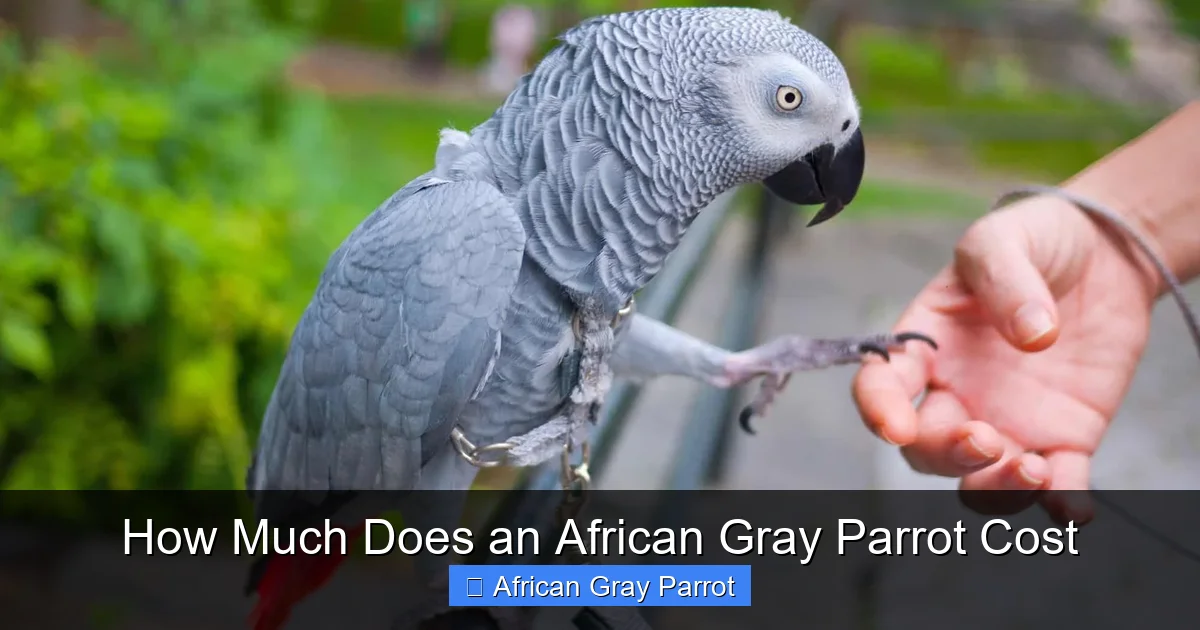
An African Gray Parrot typically costs $1,500 to $4,000 upfront, with lifetime expenses reaching $50,000 to $80,000+. This guide breaks down every cost factor so you can budget confidently for your new feathered companion.
Key Takeaways
- Purchase price ranges from $1,500 to $4,000: Congo African Grays cost more than Timnehs, and hand-raised babies command premium prices over parent-raised birds.
- Annual care costs average $2,000 to $4,000: Food, toys, vet visits, and cage maintenance add up quickly over a 50-60 year lifespan.
- Initial setup requires $1,000 to $2,500: A proper cage, perches, toys, travel carrier, and first vet visit are essential before bringing your bird home.
- Hidden costs catch many owners off guard: Emergency vet care, behavioral training, boarding during travel, and home modifications can add thousands unexpectedly.
- Adoption saves money upfront: Rescue organizations charge $500 to $1,500 adoption fees, but these birds may need extra medical or behavioral support.
- Insurance is worth considering: Avian pet insurance costs $20 to $50 monthly and can save thousands on major medical emergencies.
- Budget for the full lifespan: With 50-60 year lifespans, total ownership costs often exceed $50,000, making financial planning essential before purchase.
Quick Answers to Common Questions
What is the average purchase price of an African Gray Parrot?
The average purchase price ranges from $1,500 to $4,000 depending on subspecies, age, rearing method, and source. Congo African Grays typically cost $2,000 to $4,000 while Timnehs range from $1,500 to $3,000.
How much does it cost annually to care for an African Gray?
Annual care costs average $2,000 to $4,000 for food, toys, routine veterinary care, cage maintenance, and supplies. This does not include emergency medical expenses or boarding costs.
Are African Grays more expensive than other parrots?
African Grays fall in the upper-middle cost range. They cost less than macaws and cockatoos ($60,000-$120,000 lifetime) but significantly more than conures ($8,000-$20,000) or cockatiels ($3,000-$8,000).
Can I reduce costs by adopting an African Gray?
Yes, adoption fees range from $500 to $1,500, saving $1,000 to $3,000 upfront. However, adopted birds may need additional veterinary or behavioral support, which can offset initial savings.
Should I get pet insurance for my African Gray?
Avian insurance costs $20 to $50 monthly and can save thousands on major emergencies. Many owners prefer self-insuring with a dedicated savings account of $100 monthly, which builds a substantial emergency fund over time.
📑 Table of Contents
- Introduction: The Real Cost of an African Gray Parrot
- Purchase Price: What You Pay Upfront
- Initial Setup Costs: Before the Bird Arrives
- Ongoing Annual Costs: The Recurring Reality
- Hidden and Unexpected Costs: The Budget Breakers
- Lifetime Cost Analysis: The Fifty-Year Picture
- Saving Money Without Compromising Care
- Financial Planning for Your African Gray
- Conclusion: Is an African Gray Worth the Cost?
Introduction: The Real Cost of an African Gray Parrot
So you are thinking about bringing an African Gray Parrot into your life. That is exciting. These birds are brilliant. They talk. They bond deeply. They have personalities bigger than most dogs. But before you fall in love with those intelligent eyes and that famous red tail, you need to know the numbers. The question how much does an African Gray Parrot cost has a simple answer and a complicated one. The simple answer is the price tag at the breeder or pet store. The complicated answer includes fifty years of food, vet bills, toys, cages, and surprises. Let us walk through all of it together.
I have talked to dozens of African Gray owners. I have read the forums. I have seen the spreadsheets. Most people budget for the bird and the cage. Very few budget for the emergency vet visit at midnight on a Sunday. Or the $300 flight carrier. Or the new couch because your parrot decided leather tastes amazing. This guide covers every expense category. You will know exactly what you are signing up for. No surprises. Well, fewer surprises.
Purchase Price: What You Pay Upfront
Congo vs Timneh African Gray Pricing
The first price difference comes from subspecies. Congo African Grays are larger. They have bright red tail feathers. They are the classic look most people picture. Timneh African Grays are smaller. Their tails are maroon. Their beaks have a pinkish upper mandible. Congos typically cost $2,000 to $4,000. Timnehs usually run $1,500 to $3,000. The price gap has narrowed in recent years as Timnehs gain popularity. Both make incredible companions. The personality differences are subtle. Congos tend to be a bit more high-strung. Timnehs often adapt to change slightly easier. But individual personality varies more than subspecies traits.
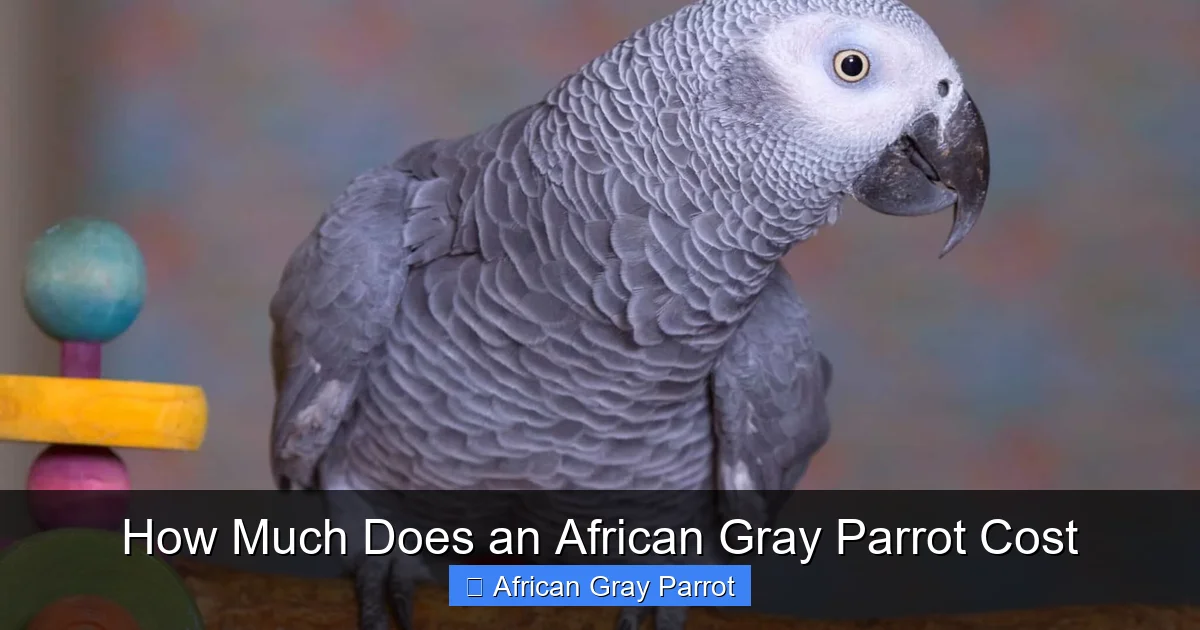
Visual guide about How Much Does an African Gray Parrot Cost
Image source: birdhelpful.com
Age and Rearing Method Impact Price
A hand-fed baby costs the most. These birds are pulled from the nest at two to three weeks old. Humans feed them formula every few hours around the clock. They imprint on people. They are socialized from day one. Expect to pay $2,500 to $4,000 for a hand-fed baby from a reputable breeder. Parent-raised birds stay with their parents until weaning. They cost less, usually $1,500 to $2,500. They can make wonderful pets but need more patience during taming. Older birds, sometimes called “retired breeders” or “re-homes,” cost $500 to $1,500. These birds have history. They may have behavioral quirks. They may have health issues. They also desperately need homes. Adopting an older Gray is a beautiful choice if you have experience.
Breeder vs Pet Store vs Rescue Pricing
Reputable breeders charge the most. You pay for health testing, proper weaning, socialization, and lifetime support. A good breeder answers your texts at 10 PM when your baby will not eat. They take the bird back if your life falls apart. That support is worth the premium. Pet stores often charge breeder-level prices without breeder-level care. Birds may be poorly socialized. Health guarantees are weak. Staff rarely know parrot nutrition. Avoid pet stores for African Grays. Rescues and sanctuaries charge adoption fees of $500 to $1,500. This covers their vet care and housing costs. You get a vetted bird. You get post-adoption support. You save a life. The tradeoff is unknown history and potential baggage.
Geographic Price Variations
Where you live changes the price. Urban areas with high demand and few breeders see higher prices. Rural areas with multiple breeders see lower prices. Shipping a bird costs $300 to $600 via airline cargo. Some breeders deliver personally for gas money plus time. Factor travel into your budget. You might save $500 buying from a distant breeder but spend $600 getting the bird home. Local pickup is ideal. You meet the breeder. You see the facility. You bring your baby home in a climate-controlled car.
Initial Setup Costs: Before the Bird Arrives
The Cage: Your Biggest One-Time Expense
African Grays need large cages. Minimum dimensions are 36 inches wide, 24 inches deep, and 48 inches tall. Bigger is always better. A quality powder-coated or stainless steel cage costs $600 to $1,500. Cheap cages rust. They have toxic zinc coatings. Bar spacing is wrong. Doors fail. Your Gray will destroy a cheap cage in months. Invest in a Kings, A&E, or similar brand. It lasts decades. Used cages save money but sanitize thoroughly. Check for rust, broken welds, and stuck doors. A cage is not optional. It is the bedroom, dining room, and safe space for a wild animal living in your house.
Perches, Bowls, and Cage Accessories
Budget $200 to $400 for initial cage furnishings. Natural wood perches of varying diameters prevent foot problems. Manzanita, dragonwood, and java wood are excellent. Avoid dowel perches. They cause bumblefoot. Stainless steel bowls are worth the extra cost. They do not harbor bacteria. They survive the dishwasher. They last forever. Get at least four bowls: water, pellets, fresh food, treats. Foraging toys start at $15 each. Buy six to eight to rotate. Foot toys, shreddables, and puzzle toys keep that brilliant brain busy. A bored Gray destroys furniture. A busy Gray is a happy Gray.
Travel Carrier and Emergency Kit
A sturdy travel carrier costs $80 to $200. You need it for vet visits, emergencies, and evacuations. Hard-sided carriers protect better than soft ones. Look for ventilation, secure latches, and a perch inside. An emergency kit adds $100 to $150. Include styptic powder, gauze, vet wrap, syringes, critical care formula, and your avian vet’s after-hours number. Keep the carrier assembled and accessible. Practice loading your bird before you need it. A panicked Gray in a carrier during a house fire is a tragedy. A trained Gray in a carrier is a saved life.
First Veterinary Visit and Testing
Schedule a well-bird exam within one week of bringing your Gray home. Budget $200 to $400 for this visit. The vet checks weight, feathers, eyes, nares, vent, and heart. Baseline blood work costs $150 to $250. It catches hidden infections, organ issues, and nutritional deficits. Psittacosis testing adds $50 to $100. This zoonotic disease transmits to humans. Polyomavirus and PBFD testing may be recommended. Total first vet visit often hits $400 to $600. It is the best money you will spend. Early detection saves thousands later.
Ongoing Annual Costs: The Recurring Reality
Food: Quality Nutrition Is Non-Negotiable
African Grays need a varied diet. High-quality pellets form the base. Harrisons, Roudybush, and TOPS are trusted brands. A 5-pound bag costs $35 to $50 and lasts one bird about six weeks. That is $300 to $450 yearly on pellets alone. Fresh vegetables and fruits are daily requirements. Organic produce costs more but avoids pesticides. Budget $50 to $80 monthly for fresh food. That is $600 to $960 yearly. Healthy seeds and nuts are treats and training rewards. Almonds, walnuts, and pumpkin seeds add $100 to $200 annually. Supplements like calcium and vitamin D3 cost $50 to $100 yearly. Total food budget: $1,050 to $1,710 per year. Cutting corners on diet causes liver disease, feather destruction, and shortened lifespan. Do not do it.
Toys and Enrichment: The Never-Ending Expense
African Grays destroy toys. That is their job. A $30 foraging toy lasts three days. A $15 foot toy lasts an afternoon. Budget $50 to $100 monthly for toys. That is $600 to $1,200 yearly. Rotate toys weekly to maintain novelty. Make your own toys to save money. Pine cones, phone books, cardboard boxes, and untreated wood blocks cost pennies. Join parrot toy-making groups online. Swap ideas. Buy toy parts in bulk. But never skip enrichment. A Gray without toys screams, plucks, and self-mutilates. The cost of behavioral repair far exceeds the cost of toys.
Routine Veterinary Care
Annual well-bird exams cost $150 to $300. Blood work every one to two years adds $150 to $250. Fecal exams for parasites cost $50 to $80. Nail and beak trims, if needed, run $30 to $60. Wing trims, if you choose them, cost $30 to $50. Many owners learn to do nails and wings at home. Ask your vet to teach you. Budget $400 to $700 yearly for routine vet care. This assumes a healthy bird. One illness doubles or triples this number.
Cage Maintenance and Household Supplies
Cage liners, cleaning solutions, and replacement parts add up. Newspaper is free but messy. Pre-cut cage liners cost $20 to $40 monthly. Bird-safe cleaners like Poop-Off or vinegar solutions cost $15 to $30 monthly. Perches wear out. Bowls crack. Toy hooks break. Budget $200 to $400 yearly for maintenance supplies. Air purifiers are essential. Grays produce massive dander. A good HEPA purifier costs $200 to $500 upfront. Filters cost $50 to $100 yearly. Your lungs and your bird’s lungs will thank you.
Hidden and Unexpected Costs: The Budget Breakers
Emergency Veterinary Care
This is the category that ruins finances. African Grays hide illness until they are critical. An emergency vet visit starts at $300 to $500 for the exam alone. Hospitalization runs $200 to $400 per night. Diagnostics like X-rays, ultrasound, and advanced blood work add $500 to $1,500. Surgery for foreign body removal, tumor excision, or fracture repair costs $2,000 to $5,000. I know owners who spent $10,000 in one weekend saving their Gray. Pet insurance helps. CareCredit helps. An emergency fund helps most. Keep $3,000 to $5,000 accessible for bird emergencies. It is not optional. It is responsible ownership.
Behavioral Issues and Professional Training
African Grays are sensitive. Changes trigger screaming, plucking, biting, and phobias. A new baby. A move. A schedule change. A different cage. Any disruption can spiral. Avian behavior consultants charge $100 to $200 per hour. Most cases need three to six sessions. That is $300 to $1,200. Some consultants offer packages. Some work remotely. Early intervention prevents entrenched problems. Budget for at least one behavioral consultation in your bird’s life. Better to have the money and not need it than need it and not have it.
Boarding and Pet Sitting
You will travel. Your Gray cannot stay alone. Boarding at an avian vet clinic costs $30 to $60 per night. Specialized bird boarding facilities charge $40 to $80 nightly. In-home pet sitters with parrot experience charge $50 to $100 per visit. You need two visits daily for a Gray. That is $100 to $200 per day. A two-week vacation costs $1,400 to $2,800 in care. Factor this into travel budgets. Some owners never vacation. Some take their birds. Both are valid choices. Just plan for the cost.
Home Modifications and Damage
African Grays chew. Baseboards. Door frames. Window sills. Furniture. Electrical cords. Drywall. Kitchen cabinets. The damage is real. Budget $500 to $2,000 yearly for repairs and prevention. Bitter apple spray helps. Supervision helps more. Bird-proofing a room costs $200 to $500 in supplies. PVC corner guards. Cord covers. Furniture protectors. Some owners designate one “bird room” and accept destruction there. Others bird-proof the whole house. Either way, your home will change. Your security deposit might not survive.
Lifetime Cost Analysis: The Fifty-Year Picture
Conservative Estimate: $50,000 to $70,000
Let us run the numbers. Purchase: $2,500 average. Initial setup: $1,500 average. Annual costs: $2,500 average for food, toys, routine vet, supplies. Fifty years times $2,500 equals $125,000. But annual costs start lower and rise with inflation. Veterinary costs inflate faster than general inflation. Let us use a more realistic model. Years 1-5: $3,000 yearly. Years 6-20: $2,500 yearly. Years 21-40: $3,500 yearly (geriatric care). Years 41-50: $4,500 yearly (intensive geriatric care). Plus three major emergencies at $5,000 each. Plus five behavioral consultations at $800 each. Plus ten vacations at $2,000 each. The spreadsheet totals $73,400. That is a used luxury car. A down payment on a house. A solid financial future. This is the real answer to how much does an African Gray Parrot cost over a lifetime.
Realistic Estimate: $80,000 to $120,000+
Most owners spend more. Premium food. Custom cages. Holistic vet care. Acupuncture. Laser therapy. Specialized diets for kidney disease, atherosclerosis, or arthritis. End-of-life care can cost $500 to $1,000 monthly for months. Cremation or burial costs $200 to $500. The birds who live to 60 or 70 cost the most. They are the ones with the most vet visits. The most medications. The most specialized everything. If you want your Gray to reach maximum lifespan with maximum quality of life, budget $100,000. It sounds insane. It is the reality of a 60-year commitment to a complex, sensitive, high-maintenance animal.
Cost Comparison: African Gray vs Other Parrots
How does this compare? Budgies cost $500 to $1,500 lifetime. Cockatiels: $3,000 to $8,000. Conures: $8,000 to $20,000. Amazons: $40,000 to $70,000. Macaws: $60,000 to $100,000. Cockatoos: $70,000 to $120,000. African Grays sit in the upper-middle range. They cost less than large macaws and cockatoos. They cost significantly more than medium parrots. The difference is lifespan and intelligence. A 60-year-old Amazon needs similar geriatric care. A 30-year-old conure does not. The cost correlates with years of care required.
Saving Money Without Compromising Care
Adopt, Don’t Shop
Adoption saves $1,000 to $3,000 upfront. Rescue birds come vetted. They come with known personalities. Rescues match birds to homes. They offer lifetime support. Many rescued Grays are surrendered for reasons unrelated to behavior: owner death, divorce, financial crisis, health issues. These birds grieve. They need patience. But they bond incredibly deeply with someone who stays. Check Parrot Rescue Alliance, Mickaboo, and local avian rescues. Visit Petfinder. Search “African Gray” and your zip code. Be honest about your experience level. Rescues want successful placements. They will guide you to the right bird.
DIY Toys and Enrichment
Commercial toys are convenient. Homemade toys are cheap. A phone book costs $0. A pine cone from the park costs $0. A cardboard box costs $0. Untreated wood blocks from the hardware store cost pennies. Paper straws. Coffee filters. Egg cartons. Wine corks. The list is endless. Join “Parrot Enrichment DIY” groups on Facebook. Watch YouTube channels like “Parrot Wizard” and “BirdTricks.” Make toy-making a weekly ritual. Your Gray will appreciate the variety. Your wallet will appreciate the savings. $50 in parts makes twenty toys. That is $2.50 per toy versus $25 per toy. The math is undeniable.
Buy Food in Bulk
Pellets keep for months in airtight containers. A 25-pound bag of Harrisons costs $180 to $220. That is $7.20 to $8.80 per pound versus $10 to $12 per pound for 5-pound bags. You save $50 to $100 yearly. Split a bag with another Gray owner. Freeze portions to extend freshness. Buy fresh produce at farmers markets, ethnic grocery stores, and discount grocers. Frozen vegetables are nutritionally identical to fresh and cost half as much. Thaw and serve. Cook large batches of “chop” (mixed vegetables, grains, legumes) and freeze in ice cube trays. One cube per meal. Zero waste. Maximum nutrition. Minimum cost.
Learn Basic Home Care
Nail trims. Wing trims. Beak checks. Weight monitoring. Medication administration. Subcutaneous fluids. These skills save thousands over a lifetime. Ask your avian vet for a training session. Many offer “owner education” appointments. Watch instructional videos from reputable sources. Practice on a willing friend’s bird first. Keep a home care kit stocked. Know your bird’s normal weight, droppings, behavior, and vocalizations. Early detection at home prevents emergency visits. A $30 scale pays for itself the first time you catch weight loss before it becomes critical.
Consider Pet Insurance
Avian insurance costs $20 to $50 monthly. Nationwide offers exotic pet plans. Pet Assure offers a discount plan. Some employers offer pet insurance benefits. Read the fine print. Pre-existing conditions are excluded. Wellness coverage varies. Reimbursement rates range from 70% to 90%. Deductibles range from $100 to $500. For a young, healthy Gray, insurance may not pay off. For a bird with chronic issues, it saves thousands. Run the numbers for your situation. Many owners self-insure with a dedicated savings account. $100 monthly into a high-yield savings account builds a $60,000 fund over 50 years. That covers most emergencies.
Financial Planning for Your African Gray
Create a Parrot Budget Spreadsheet
Seriously. Make a spreadsheet. Categories: Acquisition, Setup, Monthly Recurring, Annual Recurring, Emergency Fund, Long-term Savings. Track every expense. Review quarterly. Adjust as needed. Knowing your numbers reduces stress. It prevents the “I had no idea it cost this much” panic. It helps you make informed decisions about food brands, toy purchases, vet choices. It ensures you can afford the life your bird deserves. Share the spreadsheet with your partner. With your financial advisor. With your future self who will thank you.
Build an Emergency Fund First
Before you buy the bird, save $5,000. Keep it in a separate account. Label it “Parrot Emergency Fund.” Do not touch it for toys. Do not touch it for food. It is for the midnight emergency vet run. The surgery. The hospitalization. The specialist referral. Replenish it immediately after any withdrawal. This fund is your bird’s life insurance. It is your peace of mind. It is the difference between “we can treat this” and “we have to euthanize because we cannot afford treatment.” That is a harsh sentence. It is also the reality of exotic pet ownership. Be the owner who can say yes to treatment.
Plan for Your Bird’s Future
African Grays outlive many owners. Who cares for your bird if you die? If you become incapacitated? If you lose your home? Include your bird in your will. Designate a caregiver. Leave funds for their care. A pet trust is the gold standard. It legally protects the money for your bird’s benefit. Costs $500 to $2,000 to set up with an attorney. Worth every penny. Talk to your designated caregiver now. Make sure they want the responsibility. Make sure they can afford it. Give them your vet’s info. Your bird’s history. Your care routine. Your spreadsheet. The greatest gift you can give your Gray is a guaranteed future.
Conclusion: Is an African Gray Worth the Cost?
Only you can answer that. For the right person, absolutely. The conversation. The companionship. The laughter when your Gray mimics your laugh perfectly. The comfort when they snuggle against your neck after a bad day. The pride when they solve a puzzle toy you swore was impossible. The awe when they use a word in perfect context for the first time. These moments are priceless. But they come with a price tag. A big one. $50,000 to $100,000 over a lifetime. Time. Energy. Patience. Sacrifice. Vacations skipped. Furniture replaced. Sleep interrupted. Heart broken when they get sick. Heart expanded when they recover.
If you have read this far, you are doing the right thing. You are researching. You are planning. You are taking this seriously. That makes you exactly the kind of owner an African Gray needs. Go into this with open eyes. Open wallet. Open heart. Budget conservatively. Save aggressively. Love fiercely. Your Gray will thank you in their own language. Probably by saying “I love you” in your voice. Or asking for a nut. Or both at the same time. That is the real cost. And the real reward.
Frequently Asked Questions
What is the cheapest way to get an African Gray Parrot?
Adopting from a rescue organization is the cheapest upfront option at $500 to $1,500. However, the cheapest lifetime cost comes from buying a healthy hand-fed baby from a reputable breeder, as this reduces future medical and behavioral expenses.
Do African Gray Parrots need expensive cages?
Yes, African Grays require large, high-quality cages costing $600 to $1,500. Cheap cages rust, have toxic coatings, and fail structurally. A proper cage lasts decades and is essential for safety and well-being.
How much does an African Gray Parrot vet visit cost?
A routine well-bird exam costs $150 to $300. Emergency visits start at $300 to $500. Hospitalization runs $200 to $400 per night. Major diagnostics and surgery can total $2,000 to $10,000+.
What hidden costs do African Gray owners forget to budget for?
Commonly overlooked costs include emergency veterinary care ($3,000-$10,000 per incident), behavioral consultations ($300-$1,200), boarding during travel ($1,400-$2,800 for two weeks), home damage repairs ($500-$2,000 yearly), and end-of-life care.
Can African Grays eat human food to save money?
Some human foods are healthy for Grays (vegetables, grains, legumes), but many are toxic (avocado, chocolate, caffeine, alcohol, onions). A balanced diet requires quality pellets as the base. Cutting corners on nutrition causes expensive health problems.
How long do African Grays live and how does this affect cost?
African Grays live 50 to 60 years in captivity, with some reaching 70+. This exceptional lifespan multiplies annual costs over decades, making total lifetime costs $50,000 to $120,000+. Financial planning for their full lifespan is essential.