
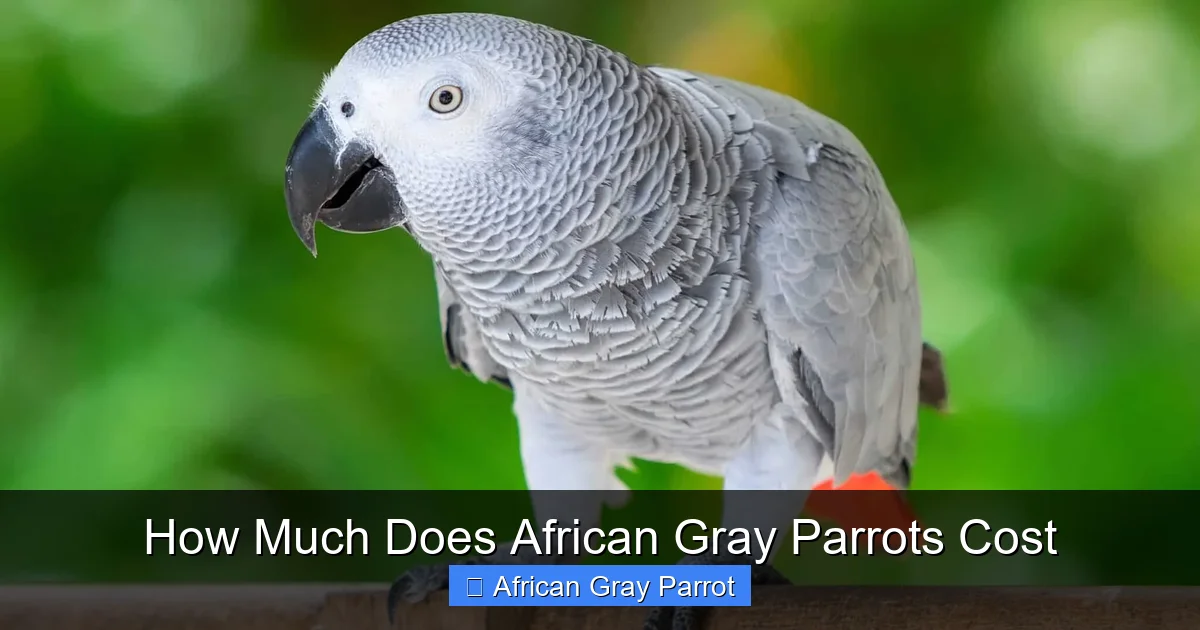
African Gray parrots typically cost between $1,500 and $4,000 upfront, with lifetime expenses exceeding $50,000. This guide covers purchase prices, ongoing costs, and hidden fees every potential owner must know.
So you are thinking about bringing an African Gray parrot into your life. That is exciting. These birds are brilliant. They talk. They bond deeply. They solve puzzles. But before you fall in love with those soulful gray feathers and bright red tails, you need to know the real numbers. The question how much does African Gray parrots cost goes way beyond the price tag at the pet store or breeder.
I have talked to dozens of owners. I have reviewed breeder listings. I have looked at rescue fees. I have added up food bills and vet invoices. The short answer? The bird itself costs $1,500 to $4,000. The lifetime cost? Think $50,000 to $80,000 or more. Let me walk you through every single expense so you can decide if this remarkable companion fits your budget and your life.
Key Takeaways
- Purchase price ranges from $1,500 to $4,000: Cost varies by age, breeder reputation, and whether the bird is Congo or Timneh subspecies.
- Annual care costs average $2,000 to $4,000: Food, toys, vet visits, and cage maintenance add up quickly over a 50+ year lifespan.
- Initial setup requires $1,000 to $2,500: Large cage, perches, toys, travel carrier, and first vet exam are essential before bringing your bird home.
- Emergency vet funds are critical: Exotic avian vets charge $150 to $300 per visit, with surgeries easily exceeding $5,000.
- Adoption saves money upfront: Rescue organizations charge $500 to $1,500 but birds may need behavioral rehabilitation.
- Hidden costs include time and lifestyle changes: These intelligent birds need 3 to 5 hours of daily interaction and mental stimulation.
- Insurance can offset major medical bills: Avian pet insurance runs $20 to $50 monthly but covers catastrophic illness or injury.
Quick Answers to Common Questions
What is the average purchase price for an African Gray parrot?
The average purchase price ranges from $1,500 for a Timneh from a rescue to $4,000 for a Congo baby from a top breeder, with most pet quality birds falling between $2,000 and $3,000.
How much should I budget for the first year of ownership?
Budget $5,000 to $8,000 for the first year including the bird, cage, initial vet exams, toys, perches, carrier, and 12 months of food and routine care.
Are African Gray parrots more expensive than other parrots?
Yes, they cost more than budgies, cockatiels, or conures, but are similarly priced to Amazons and Eclectus, while costing less than macaws and cockatoos which require even larger housing.
Can I finance an African Gray parrot purchase?
Some breeders offer payment plans, and companies like CareCredit finance veterinary costs, but financing a living being carries ethical and financial risks if circumstances change.
What is the most expensive part of owning an African Gray?
Lifetime veterinary care and specialized diet are the largest expenses, followed by emergency medical funds, quality housing, and the opportunity cost of daily time commitment over 50+ years.
📑 Table of Contents
Understanding the Purchase Price
Congo vs Timneh African Grays
First, know your subspecies. The Congo African Gray is larger. It has a bright red tail. It is the classic “Einstein” bird you see on TV. The Timneh African Gray is smaller. Its tail is maroon. Its upper beak is horn colored. Timnehs often cost less. Expect $1,500 to $2,500 for a Timneh. Congos run $2,000 to $4,000. Both are equally smart. Both live 50 to 70 years.
Baby vs Adult Birds
Hand fed babies cost more. A weaned baby Congo from a top breeder hits $3,500 to $4,000. Timneh babies run $2,500 to $3,000. Adult birds cost less. A proven breeder pair might sell for $2,000 each. A rehomed adult with papers? $1,000 to $1,800. But adults come with history. Some have plucking issues. Some scream. Some only bond to men. Or women. Ask for the full story.
Breeder vs Pet Store vs Rescue
Reputable breeders charge the most. You pay for health testing. You pay for socialization. You pay for a bird that steps up, eats pellets, and trusts humans. Pet stores charge similar prices but often lack history. The bird may be parent raised. It may fear hands. Rescues charge $500 to $1,500. That fee covers vet care and housing. You save money upfront. You may spend more on behavior help later.
What Influences the Price Tag
Several factors move the needle. Geographic location matters. Birds cost more in cities with high rent. Time of year matters. Spring babies cost more than winter holdovers. Color mutations? Rare. A “red factor” or “blue” African Gray can hit $10,000+. Talking ability? A bird that already says 50 words commands a premium. DNA sexing certificate? Adds $50 to $100. Health guarantee? Priceless.
Initial Setup Costs Before Bird Arrives
The Right Cage Is Not Optional
African Grays need space. Minimum cage size? 36 inches wide by 24 inches deep by 48 inches tall. Bar spacing 3/4 inch to 1 inch. Powder coated or stainless steel. A quality cage costs $600 to $1,500. Cheap cages rust. They have toxic zinc. They break. Your bird destroys them. Buy once. Cry once. Brands like King’s Cages, A&E, and Prevue Hendryx hold up.
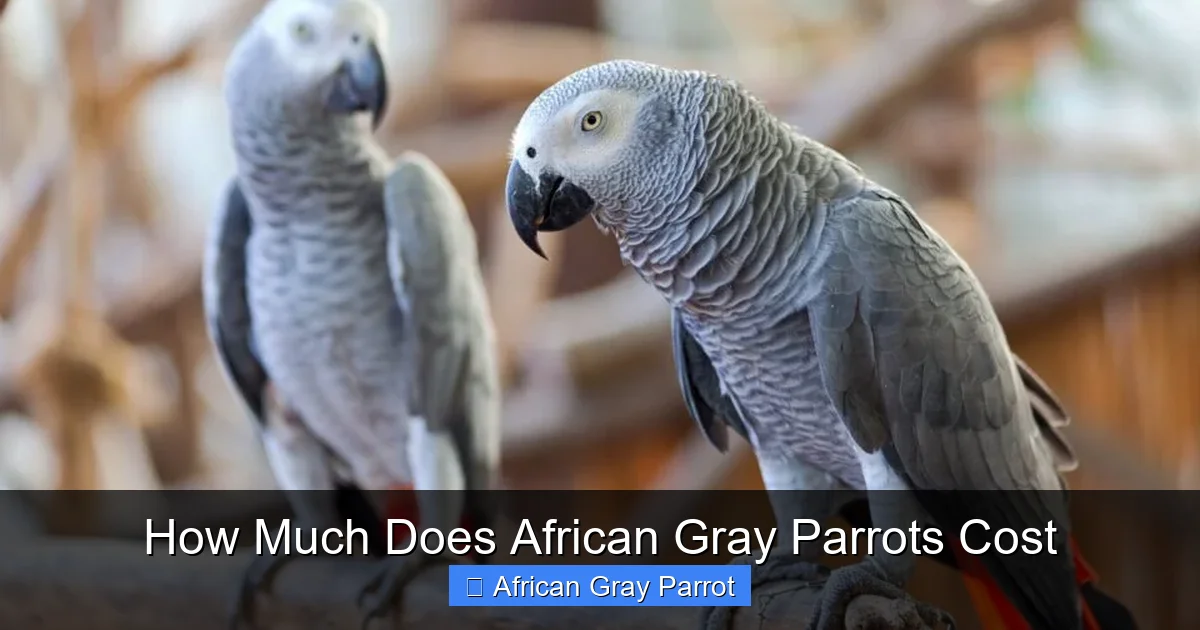
Visual guide about How Much Does African Gray Parrots Cost
Image source: bubblypet.com
Perches, Bowls, and Cage Accessories
Natural wood perches. Rope perches. Platform perches. Cement perches for nails. Budget $150 to $300. Stainless steel bowls? $50 to $100 for a set. Foraging toys? $20 to $50 each. You need 10 to 15 toys to rotate. First toy budget: $200 to $400. Play stand? $200 to $500. Travel carrier? $80 to $150. It adds up fast.
First Veterinary Visit
Schedule an avian vet exam within 72 hours. Baseline blood work. Chlamydia test. Psittacosis screen. Fecal gram stain. Complete blood count. Chemistry panel. Expect $300 to $600. Some breeders include this. Most do not. Find an avian vet before you buy. Not all vets see birds. Drive two hours if you must. Your bird’s life depends on it.
Home Preparation Essentials
Air purifier with HEPA filter. $150 to $300. Bird safe cookware. Throw out Teflon. $200 to $500 for new pots. Humidifier? $50 to $100. Full spectrum lighting? $80 to $200. Cleaning supplies? $50. Bird proofing? Priceless. Cover windows. Remove toxic plants. Secure ceiling fans. Hide electrical cords.
Ongoing Monthly and Annual Expenses
High Quality Diet Costs
Pellets should be 60 to 70 percent of diet. Harrison’s, Roudybush, TOPs. A 5 pound bag costs $40 to $60. Lasts one bird 6 to 8 weeks. Fresh vegetables daily. Organic preferred. $30 to $50 weekly. Fruits? $15 to $25 weekly. Healthy seeds and nuts? $20 monthly. Treats? $15 monthly. Annual food bill: $1,500 to $2,500. Do not skimp. Nutrition prevents disease.
Toy Rotation and Destruction
African Grays destroy toys. That is their job. Wood blocks. Leather strips. Paper rolls. Puzzle toys. Budget $50 to $100 monthly. Make your own? Save 50 percent. Pine cones. Phone books. Cardboard boxes. Untreated wood. Still budget $25 to $50 for supplies. Bored birds pluck. Bored birds scream. Toys are mental health care.
Routine Veterinary Care
Annual wellness exam. $150 to $250. Blood work every year after age 5. $200 to $350. Nail trims? $20 to $40 if you cannot do it. Beak trims? Rare but $50 to $100. Fecal checks twice yearly. $50 each. Annual routine vet budget: $500 to $1,000. Emergency fund? Separate. $3,000 minimum. $5,000 preferred.
Grooming and Maintenance
Shower perch? $30. Misting bottle? $10. Nail clippers? $15. Dremel for nails? $40. Flight suit for outdoor time? $40. Harness training? $30 for harness. $100 for training sessions. Cage cleaning supplies? $20 monthly. Replacement bowls? $50 yearly. Perch replacement? $100 yearly. Small stuff. It matters.
Hidden and Unexpected Costs
Behavioral Consultations
African Grays are sensitive. Changes trigger problems. New baby. New job. Move. Death in family. Screaming starts. Plucking starts. Biting starts. Certified parrot behavior consultant? $100 to $200 per session. Package of 4? $400 to $700. Virtual sessions cost less. In home costs more. Early intervention saves money. And feathers.
Boarding and Pet Sitting
You travel. Bird stays. Avian boarding? $25 to $50 per day. Holiday rates double. Two week vacation? $350 to $700. In home sitter with bird experience? $50 to $100 per visit. Twice daily? Double. Annual boarding budget: $500 to $2,000. Family who “loves birds” but knows nothing? Risky. Pay for expertise.
Home Damage and Replacement
Baseboards. Door frames. Window sills. Furniture. Books. Glasses. Remote controls. Phones. Jewelry. African Grays chew. They explore. They destroy. Budget $500 to $2,000 yearly for “bird tax” on your home. Bird proof room? $1,000 to $5,000 renovation. Worth it. Your sanity. Your deposit.
Insurance Premiums and Deductibles
Nationwide offers avian insurance. $20 to $50 monthly. $250 to $500 deductible. 90 percent reimbursement. Covers illness. Injury. Cancer. Not pre existing. Not wellness. Lifetime max $10,000 to $20,000. Annual premium: $240 to $600. One surgery pays for years of premiums. Decide early. Premiums rise with age.
Lifetime Cost Analysis
The 50 Year Math
Let us do the math together. Conservative estimate. Bird: $2,500. Setup: $1,500. Annual care: $2,500. 50 years = $125,000. Plus emergencies: $10,000. Plus boarding: $10,000. Plus home damage: $15,000. Total: $164,000. Aggressive estimate? Bird: $3,500. Setup: $2,500. Annual: $4,000. 50 years = $200,000. Plus $30,000 other. Total: $236,000. This is a mortgage. On a feathered toddler who never grows up.
Cost Comparison to Other Pets
Dog lifetime? $15,000 to $30,000. Cat? $10,000 to $20,000. Horse? $50,000 to $100,000. African Gray? $100,000 to $250,000. Only large parrots and horses rival this. But horses do not talk. They do not need avian vets. They do not live in your living room. The commitment is unique. The bond is unique. The cost is real.
Planning for Your Bird’s Future
You will likely die before your bird. Morbid. True. Who takes your Gray? Trust fund? $50,000 to $100,000. Will provisions? Essential. Bird named beneficiary? Not legal. Human trustee? Required. Annual care instructions? Written. Vet contact? Listed. Diet sheet? Printed. This is responsible ownership. Start the conversation now.
Ways to Reduce Costs Responsibly
Adopt Don’t Shop
Rescues overflow with African Grays. Owners die. Owners divorce. Owners realize 50 years is long. Adoption fee: $500 to $1,500. Includes vet work. Includes cage sometimes. Includes honesty about behavior. You save $2,000 upfront. You save a life. You get support network. Best value in the parrot world.
DIY Toys and Enrichment
Phone books. $0. Cardboard boxes. $0. Paper towel rolls. $0. Pine cones from yard. $0. Bake at 200 degrees 30 minutes. Safe. Untreated wood scraps. $0 from lumber yard. Stainless steel skewers. $10 for pack. Make 20 toys. Rotate weekly. Cost: $50 yearly vs $1,000 store bought. Your bird prefers yours anyway.
Buy Food in Bulk
Join parrot clubs. Group buys. 25 pound pellet bags. $150 vs $60 for 5 pounds. Split with friends. Freeze portions. Fresh veg from CSA? $25 weekly for huge box. Share with bird. Farmers market seconds? Half price. Ugly carrots taste same. Grow sprouts? Pennies per batch. Nutrition up. Cost down.
Learn Basic Grooming
Nail trims. $30 each visit. Monthly? $360 yearly. Learn from vet. Buy Dremel. Do it yourself. Save $300. Wing trims? Controversial. Many don’t. If you do, learn proper technique. One blood feather emergency = $300 vet bill. Training pays off. Beak trims? Usually not needed. Good diet. Good toys. Natural wear.
Red Flags and Scams to Avoid
Too Good to Be True Pricing
“African Gray $500!” Run. Scam. Stolen bird. Sick bird. Wild caught. Illegal import. No papers. No health guarantee. Ghost breeder. Money gone. Bird never ships. Legitimate breeders have waiting lists. They have websites. They have references. They have vet records. They video call. They do not use Western Union. They do not ship unweaned babies.
Unweaned Baby Danger
“Finish hand feeding yourself! Save money!” Do not. Hand feeding kills. Aspiration. Crop burn. Crop stasis. Bacterial infection. Force weaning causes trauma. Behavioral issues for life. Only experienced hand feeders. Mortality rate 10 to 20 percent for novices. Pay the breeder to wean. It is included in the price. Your bird’s life is worth it.
Health Guarantee Loopholes
“7 day health guarantee!” Read fine print. Requires necropsy if bird dies. $300 cost. Must use their vet. 50 miles away. Excludes “stress related” illness. Excludes pre existing. Excludes Psittacosis. Excludes PDD. Good guarantee? 1 year genetic. 30 day infectious. Any avian vet. Written. Signed. Keep copy. Photograph bird daily first month.
Shipping Risks and Costs
Airline shipping: $300 to $600. Weather embargoes. Summer heat. Winter cold. Delta. United. American. Each has rules. Counter to counter only. 4 hour max flight. Direct preferred. Ground transport? $1 to $2 per mile. 1,000 miles = $1,000 to $2,000. Pick up yourself? Best. Meet breeder. See facility. Meet parents. Drive home. Bond starts in car.
Making the Final Decision
Can You Afford the Time?
Money is not the only cost. African Grays need 3 to 5 hours daily interaction. Not cage time. You time. Talking. Training. Playing. Showering. Eating together. 50 years. No vacations alone. No late nights out. No spontaneous weekends. Your schedule revolves around a bird. If you work 60 hours? Get a fish. Seriously.
Can You Afford the Noise?
African Grays are not loud like macaws. But they vocalize. Morning. Evening. Contact calls. Alarm calls. Mimic microwave. Mimic phone. Mimic spouse. Apartment? Neighbors hear. Condo? HOA hears. House? Family hears. Earplugs help. White noise helps. Training helps. But silence? Never. Accept this. Or reconsider.
Can You Afford the Mess?
Dust. African Grays produce powder down. Constant. Air purifier runs 24/7. Dust on everything. Feathers everywhere. Food walls. Poop on floor. Poop on shirt. Poop in water. Daily vacuum. Daily mop. Daily cage wipe. Weekly deep clean. Monthly cage disassembly. If you need pristine? This bird breaks you.
Are You Ready for the Bond?
This is the real cost. Your heart. African Grays bond intensely. One person birds often. They grieve. They depress. They pluck when you leave. They scream when you return. They outlive you. You plan their future. You love them completely. They love you back. In their way. With bites. With kisses. With “I love you” at 3 AM. Worth every penny. If you are ready.
Conclusion
So. How much does African Gray parrots cost? The honest answer changes your life. $2,500 to $4,000 to bring home. $2,000 to $4,000 every year after. $100,000 to $250,000 across a lifetime. Plus time. Plus patience. Plus flexibility. Plus love that hurts sometimes.
These birds are not pets. They are family members with feathers. They require avian vets. Specialized diets. Constant enrichment. Legal planning. Emotional resilience. They give back intelligence. Companionship. Laughter. Moments of pure wonder when they use a word perfectly in context. When they comfort you. When they choose your shoulder over everyone else.
If the numbers work. If the lifestyle fits. If your heart says yes. Find a reputable breeder. Or better yet, a rescue. Prepare your home. Find your vet. Build your emergency fund. Then open your door to one of nature’s most remarkable minds. The cost is high. The return? Priceless.
Frequently Asked Questions
Do African Gray parrots cost more as they age?
Baby birds cost more than adults due to hand feeding investment. However, senior birds may incur higher veterinary costs for age related conditions like arthritis, cataracts, and organ disease.
Is pet insurance worth it for an African Gray parrot?
Avian insurance costs $240 to $600 annually and covers catastrophic illness. One major surgery can exceed $5,000, making insurance worthwhile for owners without a $10,000 emergency fund.
How much does it cost to ship an African Gray parrot?
Airline shipping costs $300 to $600 with weather restrictions. Ground transport runs $1 to $2 per mile. Picking up in person eliminates shipping costs and lets you evaluate the breeder.
What ongoing costs do new owners forget to budget for?
Owners often forget toy destruction ($600 to $1,200 yearly), boarding for vacations ($500 to $2,000), home damage repairs, behavioral consultations, and increased utility bills from air purifiers and full spectrum lighting.
Are rescue African Grays cheaper to own long term?
Rescues cost $500 to $1,500 upfront versus $2,000 to $4,000 for breeder birds. However, rescues may need behavioral rehabilitation, specialized diets, or medical care that increases long term costs.
How can I verify a breeder’s pricing is fair?
Compare 5 to 10 breeders. Fair pricing includes weaning, DNA sexing, first vaccines, health certificate, and starter food. Ask for references. Visit the facility. Avoid prices 30 percent below market average.