
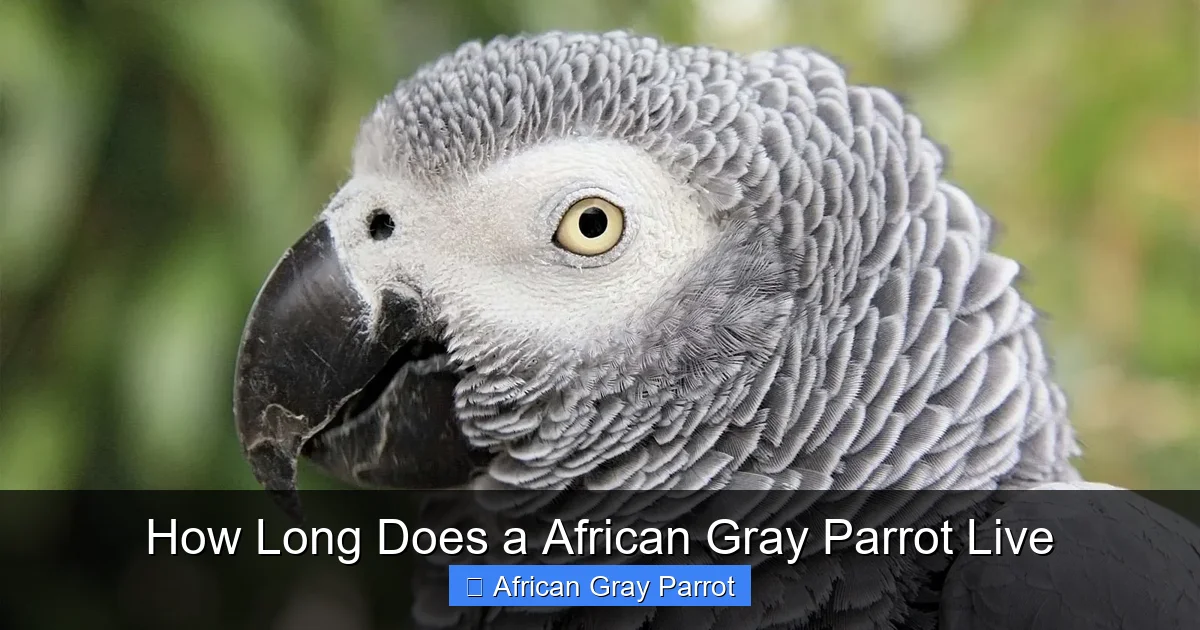
African gray parrots can live 40 to 60 years in captivity when given proper care. Their lifespan depends on diet, environment, and regular veterinary check‑ups.
African gray parrots are famous for their intelligence and talking ability. Many bird lovers ask how long does a African gray parrot live when they consider adding one to the family. The answer is not a single number. It depends on many factors that you can control. In this guide we explore the typical lifespan and the steps you can take to help your bird reach its full potential.
We will look at diet, housing, mental enrichment, veterinary care, and real‑world examples. By the end you will have a clear roadmap for a long, happy life with your feathered companion.
Key Takeaways
- Average lifespan: 40‑60 years in a well‑managed home.
- Diet matters: A balanced pellet‑based diet with fresh fruits and vegetables extends life.
- Mental stimulation: Toys, foraging, and social interaction prevent boredom and stress.
- Regular vet visits: Annual exams catch disease early and add years.
- Safe environment: Proper cage size, clean air, and temperature control are essential.
- Genetics play a role: Some lines live longer than others, but care can outweigh genetics.
Quick Answers to Common Questions
What is the typical lifespan of an African gray parrot in captivity?
Most African gray parrots live 40 to 60 years with proper care.
Can diet alone extend a parrot’s life?
Diet is the most influential factor, but it works best combined with enrichment and veterinary care.
How much out‑of‑cage time does an African gray need daily?
At least two hours of supervised free flight or playtime is recommended.
Are there specific toxins to avoid around African grays?
Yes, avoid non‑stick cookware fumes, aerosol sprays, tobacco smoke, and scented candles.
How often should I take my African gray to the vet?
An annual wellness exam is standard; more frequent visits if health issues arise.
📑 Table of Contents
Understanding the African Gray Parrot Lifespan
In the wild African gray parrots face predators, disease, and food scarcity. Their average wild lifespan is often quoted around 20 to 30 years. In captivity the story changes dramatically. With good care many birds live 40 to 60 years. Some individuals have been documented at 70 years or more. The key difference is the removal of daily survival threats.
Wild vs. Captive Expectations
Wild birds must forage, avoid predators, and endure harsh weather. These stresses shorten life. Captive birds receive consistent food, safe shelter, and medical attention. This shift adds decades to the average lifespan.
Subspecies Differences
There are two main subspecies: the Congo African gray and the Timneh African gray. The Congo is larger and often lives slightly longer on average. The Timneh is smaller but can reach similar ages with proper care. Both benefit from the same husbandry principles.
Factors That Influence How Long Does a African Gray Parrot Live
Several controllable factors determine whether your bird reaches the upper end of the lifespan range. Understanding each factor lets you make informed choices every day.
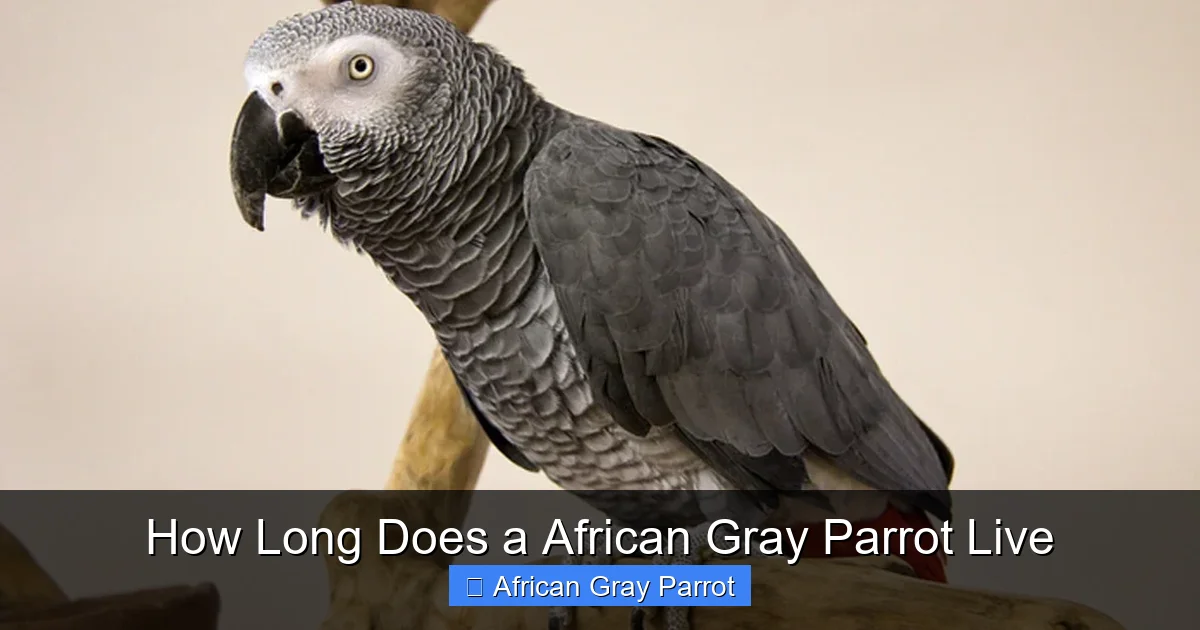
Visual guide about How Long Does a African Gray Parrot Live
Image source: thehappychickencoop.com
Genetics and Lineage
Genetics set a baseline. Birds from long‑lived lines tend to have stronger immune systems. However, environment can overcome many genetic limits. A bird with average genes can outlive a genetically superior bird that receives poor care.
Nutrition Quality
Diet is the single most powerful lever. A seed‑only diet leads to obesity, fatty liver disease, and vitamin deficiencies. A high‑quality pellet base supplemented with fresh produce provides balanced nutrition. This reduces disease risk and supports organ function.
Housing and Space
Cage size matters. A cramped cage limits movement, leading to muscle atrophy and stress. The minimum recommended cage for an African gray is 36 inches wide, 24 inches deep, and 48 inches tall. Larger is always better. Include multiple perches of varying diameters to exercise feet.
Social Interaction
These parrots are highly social. Isolation causes feather plucking, screaming, and depression. Daily interaction with humans or a compatible bird companion fulfills their need for flock dynamics. Even a few hours of focused play each day makes a measurable difference.
Environmental Toxins
Household fumes from non‑stick cookware, aerosol sprays, and tobacco smoke are toxic to birds. Their respiratory system is extremely sensitive. Keep the bird’s area well‑ventilated and free of airborne chemicals.
Nutrition and Diet for a Long Life
A balanced diet is the foundation of longevity. Let’s break down the components that create a complete nutrition plan.
Pellet Base
Choose a reputable brand formulated for African grays. Pellets should make up 60 to 70 percent of the daily intake. They provide consistent vitamins, minerals, and protein. Avoid mixes that contain large amounts of seeds or nuts.
Fresh Fruits and Vegetables
Offer a colorful variety each day. Dark leafy greens like kale and spinach supply calcium. Orange vegetables such as carrots and sweet potatoes provide beta‑carotene. Fruits like berries, apple slices, and mango add antioxidants. Rotate items to prevent boredom and ensure a broad nutrient profile.
Healthy Fats and Protein
Small amounts of nuts, cooked legumes, and boiled egg supply essential fatty acids and protein. Limit nuts to a few pieces per day because they are calorie dense. Cooked beans and lentils are excellent low‑fat protein sources.
Foods to Avoid
Never feed chocolate, avocado, caffeine, alcohol, onions, garlic, or high‑salt snacks. These are toxic or harmful. Also avoid fruit pits and seeds from apples, cherries, and peaches because they contain cyanogenic compounds.
Feeding Schedule
Provide fresh pellets in the morning. Add fresh produce mid‑day. Remove uneaten fresh food after a few hours to prevent spoilage. Offer a small evening treat of a nut or a piece of fruit. Consistency helps regulate metabolism.
Environment, Enrichment, and Mental Health
Physical health alone does not guarantee a long life. Mental well‑being is equally critical for African grays.
Cage Enrichment
Rotate toys weekly. Include foraging toys that hide food, puzzle toys that require manipulation, and chewable items like untreated wood blocks. This mimics natural foraging behavior and prevents stereotypic behaviors.
Out‑of‑Cage Time
Allow supervised free‑flight or playtime in a bird‑safe room for at least two hours daily. Flight builds muscle, improves cardiovascular health, and reduces stress. Ensure windows and mirrors are covered to prevent collisions.
Training and Interaction
Positive reinforcement training teaches useful behaviors and strengthens the bond. Simple target training, step‑up, and recall exercises provide mental stimulation. Sessions of five to ten minutes, two to three times a day, are ideal.
Social Needs
If you work long hours, consider a second bird of compatible temperament. Introduce slowly and monitor for aggression. A bonded pair can preen each other, vocalize together, and reduce loneliness.
Sleep Hygiene
African grays need 10 to 12 hours of uninterrupted darkness each night. Cover the cage with a breathable cloth at a consistent bedtime. Adequate sleep supports immune function and hormone regulation.
Veterinary Care and Preventive Health
Regular veterinary care catches problems before they become life‑threatening. An avian veterinarian understands the unique physiology of parrots.
Annual Wellness Exams
Schedule a full physical exam once a year. The vet will check weight, feather condition, beak and nail health, and listen to the heart and lungs. Blood work can reveal hidden infections or organ dysfunction.
Vaccinations and Parasite Control
While there are few vaccines for parrots, your vet may recommend a polyomavirus vaccine for young birds. Routine fecal exams detect internal parasites. External parasites like mites are rare but treatable.
Beak and Nail Maintenance
Overgrown beaks and nails can cause eating difficulties and injury. Provide natural wood perches and cuttlebone for natural wear. If trimming is needed, have a professional do it to avoid bleeding.
Early Signs of Illness
Watch for changes in droppings, reduced appetite, fluffed feathers, labored breathing, or sudden behavior shifts. Prompt veterinary attention can save a life. Keep a daily log of food intake, weight, and behavior to spot trends early.
Emergency Preparedness
Know the location of the nearest 24‑hour avian emergency clinic. Have a travel carrier ready. Keep a basic first‑aid kit with styptic powder, saline solution, and a small towel for restraint.
Real‑World Stories and Practical Tips
Learning from other owners makes the advice concrete. Here are a few examples that illustrate how daily choices add up.
Case Study: Maya the Congo African Gray
Maya lived to 68 years. Her owner fed a pellet base, offered fresh kale and berries daily, and provided a 48‑inch flight cage. Maya enjoyed two hours of supervised free flight each evening. Annual vet visits caught a mild kidney issue early, allowing dietary adjustment. The owner credits consistent routine and mental enrichment for Maya’s record age.
Case Study: Jasper the Timneh African Gray
Jasper reached 55 years despite a modest cage. His owner compensated with extensive out‑of‑cage time, a rotating toy library, and daily training sessions. Jasper’s diet included a high‑quality pellet, cooked quinoa, and a variety of vegetables. Regular blood work showed stable organ function throughout his life.
Practical Checklist for Longevity
- Feed a pellet‑based diet with fresh produce daily.
- Provide a spacious cage and at least two hours of supervised free flight.
- Rotate toys and foraging opportunities weekly.
- Schedule annual avian vet exams and keep a health log.
- Eliminate household toxins and ensure 10‑12 hours of dark sleep.
- Engage in positive reinforcement training several times a day.
Following this checklist does not guarantee a specific number of years, but it dramatically raises the odds of a long, vibrant life.
Conclusion
African gray parrots are remarkable companions that can share decades of your life. The question how long does a African gray parrot live finds its answer in the care you provide. Nutrition, environment, mental stimulation, and veterinary oversight are the pillars of longevity. By adopting the practices outlined in this guide you give your bird the best chance to thrive well into its senior years. Remember that each bird is an individual. Observe, adapt, and enjoy the journey together.
Frequently Asked Questions
What is the average lifespan of a wild African gray parrot?
In the wild African gray parrots typically live 20 to 30 years due to predation and food scarcity.
Do Congo and Timneh African grays have different lifespans?
Both subspecies can reach similar ages; the Congo may average slightly longer, but care quality matters more.
Can a seed‑only diet shorten my parrot’s life?
Yes, a seed‑only diet leads to obesity and nutrient deficiencies that reduce lifespan.
How important is sleep for an African gray parrot?
Sleep is critical; 10 to 12 hours of uninterrupted darkness supports immune health and hormone balance.
What are early signs that my parrot may be ill?
Changes in droppings, loss of appetite, fluffed feathers, labored breathing, or sudden behavior changes warrant a vet visit.
Is it necessary to have a second bird for companionship?
Not mandatory, but a compatible companion can reduce loneliness if the owner cannot provide several hours of interaction daily.