
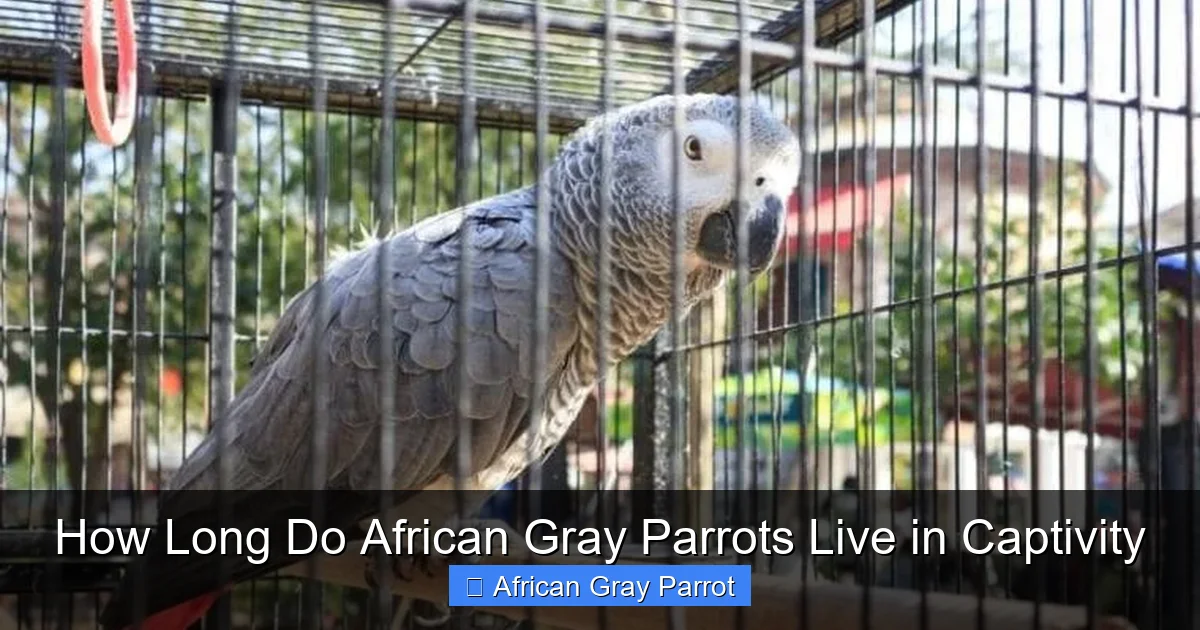
African gray parrots can live 40 to 60 years in captivity, and with optimal care some reach 70 years. Diet, mental stimulation, and regular vet visits are the biggest drivers of a long, healthy life.
If you have ever wondered how long do african gray parrots live in captivity, you are not alone. These brilliant birds are famous for their talking ability and their deep bond with people. Knowing their potential lifespan helps you plan for a lifetime of companionship.
In this guide we break down the numbers, the science, and the everyday habits that make a difference. You will learn what the average bird lives, what the record holders have done, and how you can give your feathered friend the best shot at a long, happy life.
Key Takeaways
- Average lifespan: 40–60 years in captivity, with rare individuals reaching 70+ years.
- Nutrition matters: A balanced pellet‑based diet plus fresh fruits and vegetables adds years.
- Mental enrichment: Daily puzzles, foraging toys, and social interaction prevent boredom‑related illness.
- Preventive veterinary care: Annual check‑ups catch hidden problems early.
- Environment quality: Clean air, proper humidity, and safe cage space reduce respiratory disease.
- Long‑term planning: Arrange a trusted caretaker and legal documents for the bird’s future.
- Genetics play a role: Birds from healthy bloodlines tend to live longer.
Quick Answers to Common Questions
What is the average lifespan of an African gray parrot in captivity?
The average lifespan ranges from 40 to 60 years with good care.
Can African grays live past 70 years?
Yes, a few documented birds have reached 70 to 80 years under optimal conditions.
Which diet component is most critical for longevity?
A high‑quality pellet base combined with fresh vegetables provides the essential nutrients for a long life.
How often should I take my African gray to the vet?
At least once a year for a full wellness exam, plus any time you notice changes in behavior or droppings.
Do African grays need a companion bird?
They thrive on social interaction; if you cannot provide several hours daily, a compatible companion bird can help.
📑 Table of Contents
Understanding African Gray Parrot Lifespan
Species and subspecies differences
There are two main types: the Congo African gray and the Timneh African gray. The Congo is larger and often lives a few years longer on average. Both can reach impressive ages when cared for properly.
Breeders sometimes note subtle differences in temperament and health predispositions between the two. Choosing a bird from a reputable source that screens for genetic issues gives you a stronger start.
Wild versus captive life
In the wild, predators, disease, and food scarcity keep the average lifespan around 20 to 30 years. In a safe home, the same bird can double or triple that number. The protected environment removes many of the risks that cut life short in nature.
Captive birds also benefit from consistent nutrition and veterinary care that wild counterparts rarely receive. This safety net is the single biggest reason captive grays outlive their wild relatives.
Genetic background
Birds from reputable breeders who screen for hereditary conditions tend to live longer. A strong genetic foundation gives the bird a better starting point for a long life.
Ask the breeder for health records of the parents and any known lineage issues. A clean bill of health in the family tree often translates into fewer chronic problems later.
Factors That Influence Longevity
Nutrition
A high‑quality pellet should make up 70 to 80 percent of the diet. Fresh vegetables, fruits, and a small amount of nuts provide essential vitamins. Avoid seed‑only diets; they lead to obesity and vitamin deficiencies.
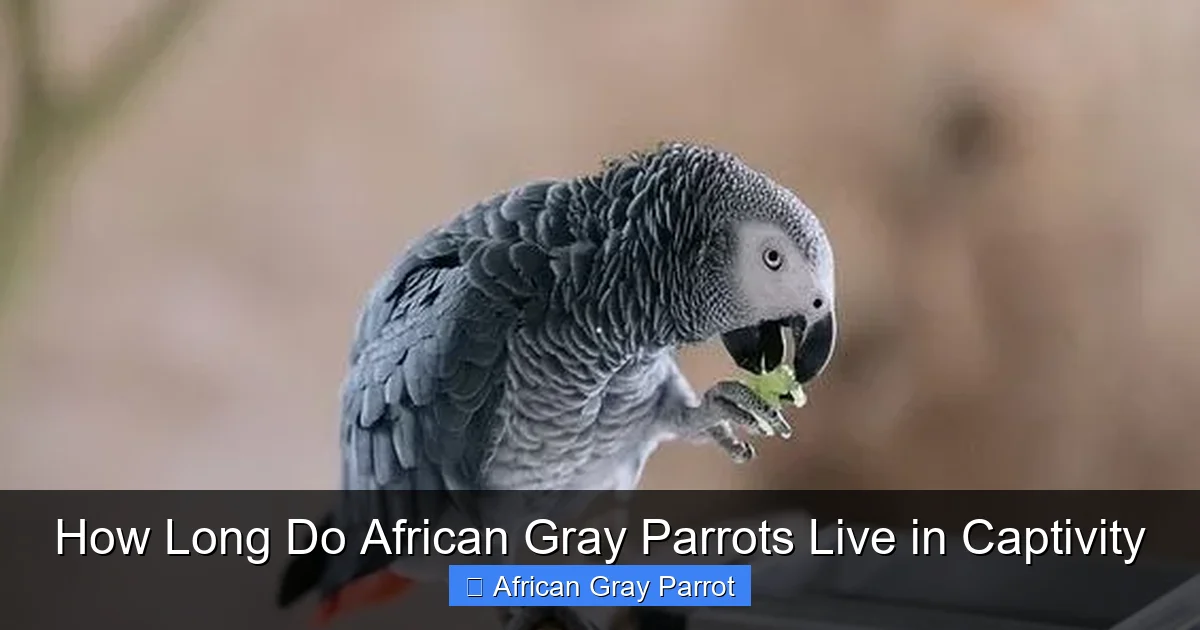
Visual guide about How Long Do African Gray Parrots Live in Captivity
Image source: wildbirdlady.com
Rotate the fresh produce weekly to cover a broad spectrum of nutrients. Dark leafy greens, orange vegetables, and berries are especially valuable for immune support.
Environment and housing
Choose a cage that lets the bird fully stretch its wings. Provide multiple perches of varying diameters. Keep the room temperature between 65 and 80 degrees Fahrenheit and humidity around 50 percent. Clean the cage daily to prevent bacterial buildup.
Place the cage in a lively part of the house where the bird can see family activity but also retreat to a quiet corner for rest. Good airflow and natural light cycles support hormonal health.
Veterinary care
Schedule an avian vet visit at least once a year. Blood work, fecal exams, and feather checks catch problems early. Vaccinations are not common for parrots, but parasite control is essential.
Keep a health log with weight, droppings description, and any behavior changes. This record helps the vet spot trends before they become emergencies.
Mental stimulation
African grays are problem solvers. Rotate foraging toys, puzzle feeders, and new objects weekly. Teach new words or tricks to keep the brain sharp. Boredom can trigger feather plucking and stress‑related illness.
Simple DIY toys like paper rolls, untreated wood blocks, and hidden treats provide hours of engagement. Change the layout of the cage monthly to create a sense of novelty.
Social interaction
These birds thrive on flock dynamics. Spend several hours each day talking, training, or simply being near your bird. If you work long hours, consider a compatible companion bird or a trusted human visitor.
Regular positive interaction reduces cortisol levels and strengthens the immune system. Even short, focused sessions of 10 minutes several times a day make a measurable difference.
Typical Lifespan Numbers
Average captive lifespan
Most well‑cared‑for African grays live between 40 and 60 years. This range assumes good nutrition, regular vet care, and daily enrichment.
Owners who track weight and behavior often see their birds comfortably reach the upper end of this window.
Record holders
Documented cases show birds reaching 70, 73, and even 80 years. These outliers usually come from homes that combine excellent diet, low stress, and proactive medical management.
One famous gray named “Alex” lived to 31 in a research setting, but private owners have reported longer lives with dedicated care.
Comparison with other parrots
Macaws often live 50 to 70 years, while cockatoos can reach 60. African grays sit in the middle‑high range, making them one of the longer‑lived companion parrots.
Understanding where they fall helps set realistic expectations for the commitment you are making.
How to Maximize Your Bird’s Life
Build a nutrition plan
Work with an avian nutritionist or vet to create a species‑specific menu. Include a variety of dark leafy greens, orange vegetables, and limited fruit. Offer a calcium source like cuttlebone or a mineral block.
Measure portions to avoid overfeeding. A kitchen scale ensures you give the same amount each day, which stabilizes weight and metabolism.
Enrichment schedule
Create a weekly rotation chart. Monday: foraging box. Tuesday: new puzzle toy. Wednesday: training session. Thursday: safe wood chew. Friday: music or audio book. Saturday: supervised out‑of‑cage time. Sunday: rest day with familiar toys.
Write the schedule on a whiteboard near the cage. Consistency helps the bird anticipate fun activities and reduces anxiety.
Health monitoring routine
Weigh your bird weekly on a gram scale. Track droppings for color and consistency changes. Note any voice changes, sneezing, or feather loss. Early detection saves lives.
Keep a simple spreadsheet with date, weight, and observations. Share this with your vet at each visit for a complete picture.
Safe housing upgrades
Upgrade perches as the bird grows. Add a UV‑B light for vitamin D synthesis if natural sunlight is limited. Use non‑toxic cleaning products only.
Inspect the cage monthly for loose bars, sharp edges, or worn toys. Replace anything that could cause injury.
Common Health Issues That Shorten Life
Psittacosis (parrot fever)
This bacterial infection spreads through droppings and dust. Symptoms include lethargy, nasal discharge, and green urates. Prompt antibiotic treatment is crucial.
Quarantine new birds for at least 30 days and test them before introducing to your flock. Good hygiene reduces transmission risk.
Feather plucking
Often a sign of boredom, stress, or medical pain. Address the root cause with enrichment, vet exam, and sometimes behavioral therapy.
Provide a variety of textures and foraging opportunities. If plucking persists, consult an avian behaviorist for a tailored plan.
Obesity and fatty liver disease
Seed‑heavy diets and lack of exercise lead to weight gain. A balanced pellet diet and daily flight time keep the liver healthy.
Limit high‑fat treats like sunflower seeds to training rewards only. Encourage flight with a safe, open space or a flight harness.
Respiratory infections
Dry air, smoke, and aerosol sprays irritate the delicate air sacs. Use a humidifier and keep the bird away from kitchen fumes.
Regularly clean air filters and avoid scented candles. Clean, moist air supports optimal respiratory function.
Planning for the Long Term
Estate and care planning
Because African grays can outlive their owners, write a pet trust or include the bird in your will. Name a knowledgeable caretaker and provide a care guide with diet, vet contacts, and daily routine.
Review the plan annually and update contact information. A clear document prevents disputes and ensures continuity of care.
Finding a backup caregiver
Identify a friend, family member, or avian rescue who can step in. Arrange a trial visit so the bird becomes comfortable with the backup person.
Give the backup a copy of the care guide and a key to the house. Practice a short hand‑off to build confidence on both sides.
Legal considerations
Check local laws on exotic bird ownership. Some areas require permits or have restrictions on breeding. Stay compliant to avoid forced relinquishment.
Keep permits, microchip records, and veterinary certificates organized in a folder. Easy access simplifies any regulatory inspection.
Conclusion
Understanding how long do african gray parrots live in captivity gives you a realistic picture of the commitment involved. With a proper diet, a stimulating environment, regular veterinary care, and a solid long‑term plan, your gray can be a vibrant companion for four, five, or even six decades. Treat each day as an investment in that future, and you will both enjoy a deep, rewarding bond that stands the test of time.
Remember that every bird is an individual. Observe your companion closely, adjust care as needed, and celebrate the milestones together. A well‑cared‑for African gray rewards you with conversation, curiosity, and a lifetime of shared moments.
Frequently Asked Questions
What factors most affect an African gray parrot’s lifespan?
Diet quality, mental enrichment, regular veterinary care, and a clean, spacious environment are the top factors that determine how long an African gray lives.
Is it true that African grays can outlive their owners?
Yes, many African grays live 40‑60 years, so they often outlive the person who first brought them home. Planning for their future care is essential.
How can I tell if my African gray is healthy?
Healthy birds have bright eyes, smooth feathers, consistent droppings, a strong appetite, and active vocalizations. Sudden changes warrant a vet visit.
What should I avoid feeding my African gray?
Avoid chocolate, avocado, caffeine, alcohol, high‑fat seeds, and any processed human foods. These can be toxic or cause obesity.
Can I keep an African gray in a small cage?
No. A cage must allow full wing extension and room for multiple perches. Small cages lead to muscle atrophy, stress, and shorter lifespans.
Do African grays need UV light?
If natural sunlight is limited, a UV‑B bulb helps the bird synthesize vitamin D3, which supports calcium metabolism and overall health.