
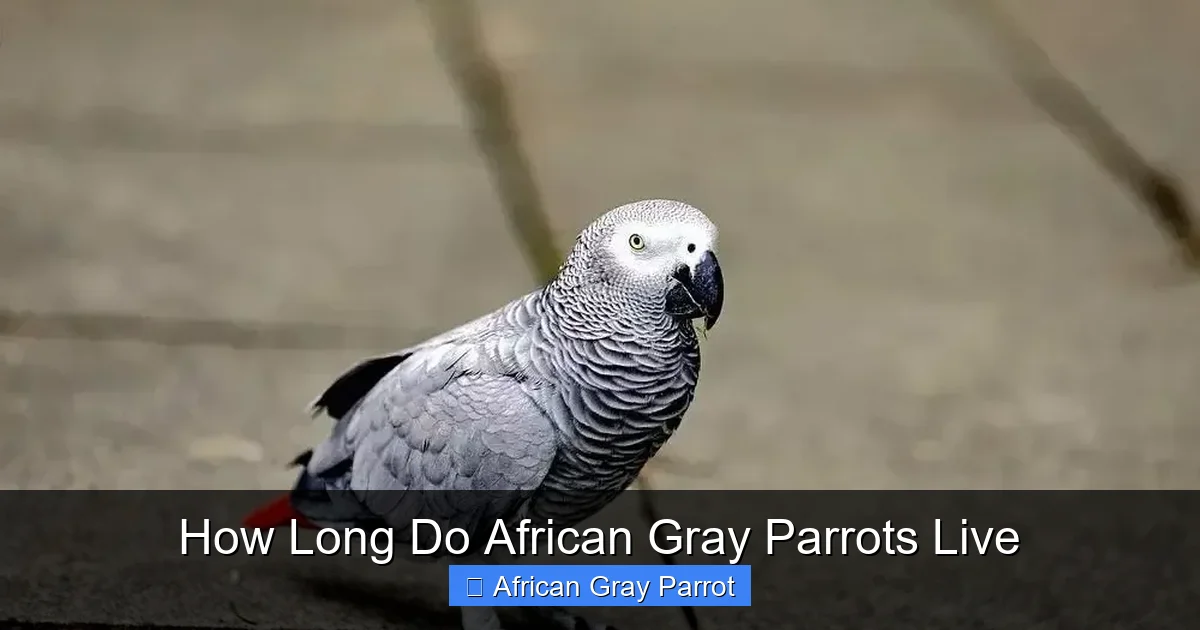
African Gray Parrots typically live 40 to 60 years in captivity with proper care, while wild birds average 20 to 30 years. Their remarkable longevity makes them a lifetime commitment for any owner. Diet, environment, veterinary care, and mental stimulation all play crucial roles in determining how long your feathered companion will thrive.
If you are thinking about bringing an African Gray Parrot into your home, you probably have one big question on your mind. How long do African Gray Parrots live? The answer might surprise you. These remarkable birds are not just pets. They are lifetime companions. Some owners even include them in their wills. That is how serious this commitment can be.
I have spent years talking to avian veterinarians, experienced parrot owners, and rescue organizations. The consensus is clear. An African Gray Parrot can be with you for decades. But their lifespan depends heavily on the care you provide. This guide covers everything you need to know about their longevity. We will explore the differences between wild and captive lifespans. We will look at the factors that shorten or extend their lives. And we will give you practical tips to help your feathered friend live their longest, healthiest life possible.
Key Takeaways
- Captive lifespan: African Grays commonly reach 40 to 60 years with excellent care, and some individuals live beyond 70 years
- Wild lifespan: Birds in their natural habitat typically survive 20 to 30 years due to predation, disease, and environmental challenges
- Diet is critical: A varied diet of pellets, fresh vegetables, fruits, and limited seeds directly impacts longevity and prevents nutritional deficiencies
- Mental stimulation matters: These highly intelligent birds need daily enrichment, social interaction, and problem-solving activities to prevent stress-related illness
- Regular vet care: Annual checkups with an avian veterinarian catch health issues early and significantly extend lifespan
- Environment counts: Proper cage size, air quality, lighting, and temperature control create the foundation for a long, healthy life
- Lifetime commitment: Adopting an African Gray means planning for decades of care, including arrangements for the bird’s future if you predecease them
Quick Answers to Common Questions
How long do African Gray Parrots live in captivity?
African Gray Parrots typically live 40 to 60 years in captivity with proper care, and some individuals reach 70+ years.
How long do African Gray Parrots live in the wild?
Wild African Gray Parrots average 20 to 30 years due to predation, disease, habitat loss, and food scarcity.
What is the most important factor for a long lifespan?
Nutrition is the single most critical factor. A pellet-based diet with abundant fresh vegetables prevents deficiencies that shorten lives.
Do African Grays need annual vet visits?
Yes, annual wellness exams with an avian veterinarian are essential for early disease detection and preventive care.
Can an African Gray outlive its owner?
Absolutely. Many African Grays live 50+ years, often outliving their original owners. Estate planning with a pet trust is strongly recommended.
📑 Table of Contents
- Understanding African Gray Parrot Lifespan Basics
- Key Factors That Determine How Long African Gray Parrots Live
- Common Health Issues That Shorten Lifespan
- Life Stages and Changing Care Needs
- Practical Tips for Maximizing Your African Gray’s Lifespan
- Frequently Asked Questions About African Gray Longevity
Understanding African Gray Parrot Lifespan Basics
Species Overview and Natural History
There are two main types of African Gray Parrots. The Congo African Gray is the larger subspecies. It has bright red tail feathers and a light gray body. The Timneh African Gray is smaller and darker. It has a maroon tail and a horn-colored upper beak. Both subspecies come from the rainforests of West and Central Africa. They live in flocks and form strong pair bonds. In the wild, they fly miles each day searching for food. They eat palm nuts, seeds, fruits, and leafy vegetation.
These birds are famous for their intelligence. Researchers compare their cognitive abilities to a five-year-old human child. They can learn hundreds of words. They understand concepts like color, shape, and number. This intelligence is a double-edged sword. It makes them fascinating companions. But it also means they have complex emotional and mental needs. A bored African Gray can develop serious behavioral and health problems. These problems can shorten their lifespan significantly.
Wild vs Captive Lifespan Differences
The gap between wild and captive lifespans is striking. In their natural habitat, African Grays face many dangers. Predators like hawks and eagles hunt them. Snakes raid their nests. Habitat loss forces them into smaller territories. Disease spreads quickly in wild flocks. Food scarcity during dry seasons takes a toll. The average wild African Gray lives 20 to 30 years. Many do not make it past their first year.
In captivity, the story changes dramatically. With proper care, these birds routinely reach 40 to 60 years. Some well-documented cases show birds living into their 70s. The oldest recorded African Gray was reportedly 80 years old. This huge difference comes down to one thing. Captive birds have their needs met consistently. They get balanced nutrition. They have protection from predators. They receive veterinary care. They live in climate-controlled environments. But this only happens when owners understand and meet their complex needs.
Key Factors That Determine How Long African Gray Parrots Live
Nutrition and Diet Quality
Diet is the single most important factor in parrot longevity. Many new owners make the mistake of feeding a seed-only diet. Seeds are high in fat and low in essential nutrients. A seed-only diet leads to obesity, liver disease, and vitamin deficiencies. These conditions cut years off a bird’s life. The ideal diet centers on high-quality pellets. Pellets should make up 60 to 70 percent of daily intake. The remaining 30 to 40 percent should be fresh foods.
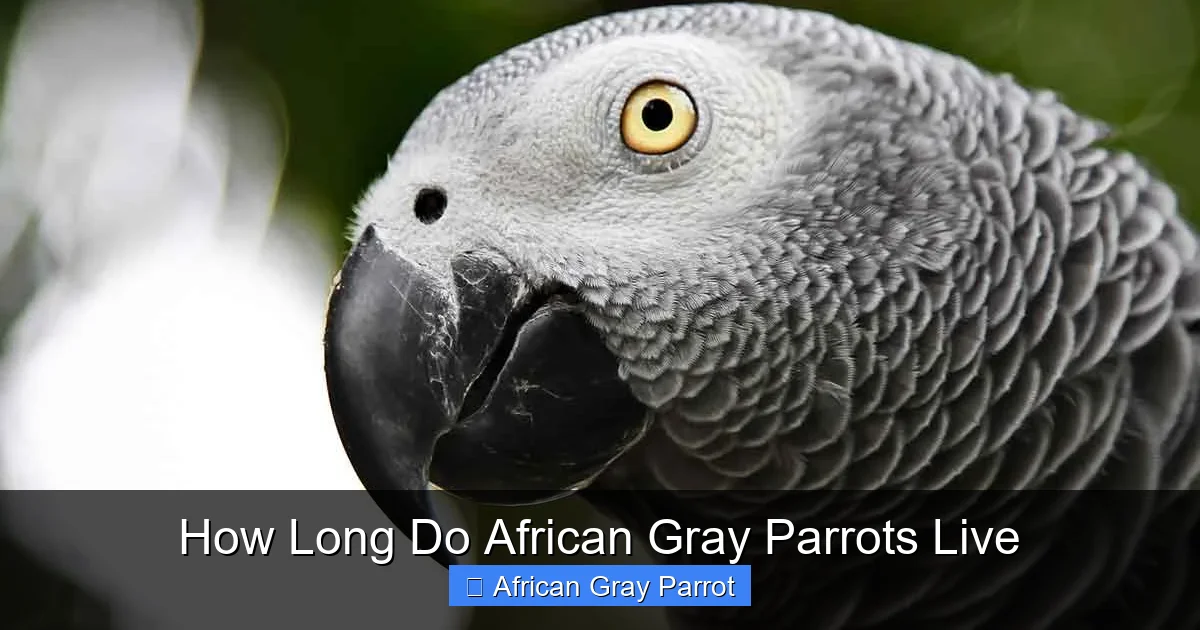
Visual guide about How Long Do African Gray Parrots Live
Image source: squeaksandnibbles.com
Fresh vegetables are crucial. Dark leafy greens like kale, spinach, and Swiss chard provide calcium and vitamin A. Orange vegetables like sweet potatoes and carrots offer beta-carotene. Cruciferous vegetables like broccoli and cauliflower support liver health. Fruits are healthy but should be limited due to sugar content. Berries, papaya, and pomegranate are excellent choices. Nuts and seeds become treats, not staples. A few almonds or walnuts daily provide healthy fats. Clean, fresh water must be available at all times. Change it twice daily to prevent bacterial growth.
Mental Stimulation and Enrichment
An African Gray’s brain is always working. In the wild, they spend hours foraging and solving problems. In captivity, that drive does not disappear. Without outlets, birds develop stereotypic behaviors. Feather plucking is the most common. Self-mutilation can follow. Chronic stress from boredom weakens the immune system. This makes birds susceptible to infections and disease. The result is a shorter lifespan.
Enrichment must be daily and varied. Foraging toys make birds work for food. Puzzle toys challenge their problem-solving skills. Rotating toys weekly prevents boredom. Training sessions provide mental exercise and strengthen your bond. Teaching new words or tricks engages their incredible intelligence. Social interaction is equally vital. These are flock animals. They need several hours of direct interaction daily. If you work long hours, consider a second bird. But introduce them slowly and under supervision. A lonely African Gray is a stressed African Gray. Stress kills silently over time.
Veterinary Care and Preventive Health
Birds are masters at hiding illness. In the wild, showing weakness makes you a target. This instinct remains strong in captivity. By the time you see obvious symptoms, the disease is often advanced. This is why annual wellness exams with an avian veterinarian are non-negotiable. A qualified avian vet will perform a physical exam. They will run blood work to check organ function. They will test for common diseases like psittacosis and PBFD. They will examine the beak, nails, and feathers for abnormalities.
Vaccinations are not routine for parrots like they are for dogs and cats. But preventive testing catches problems early. Early treatment of liver disease, kidney issues, or infections adds years to a bird’s life. Find an avian vet before you bring your bird home. Not all veterinarians treat birds. The Association of Avian Veterinarians maintains a searchable directory. Budget for at least one wellness visit per year. Emergency funds are also wise. Avian emergencies can be expensive. Financial preparation ensures you never delay care due to cost.
Environmental Conditions and Housing
The physical environment shapes health in profound ways. Cage size matters enormously. The minimum cage for an African Gray is 36 inches wide, 24 inches deep, and 48 inches tall. Bigger is always better. Bar spacing should be 3/4 to 1 inch. Horizontal bars allow climbing. The cage needs multiple perches of varying diameters. Natural wood branches are ideal. They exercise feet and prevent pressure sores. Avoid sandpaper perch covers. They damage feet.
Air quality is often overlooked. Parrots have extremely sensitive respiratory systems. Teflon pans release toxic fumes when overheated. These fumes can kill a bird in minutes. Scented candles, air fresheners, and essential oil diffusers are dangerous. Cigarette smoke is deadly. Keep the bird’s room well-ventilated. An air purifier with a HEPA filter helps. Temperature should stay between 65 and 80 degrees Fahrenheit. Avoid drafts and sudden temperature changes. Humidity around 50 percent mimics their natural habitat. Full-spectrum lighting supports vitamin D synthesis and feather health. Replace bulbs every six months as UV output degrades.
Exercise and Physical Activity
Wild African Grays fly many miles daily. Captive birds need equivalent exercise. Out-of-cage time is essential. Aim for at least three to four hours daily. Bird-proof the room first. Cover windows. Remove toxic plants. Hide electrical cords. Supervise always. Flight is the best exercise. If space allows, consider not clipping wings. Flighted birds are healthier physically and mentally. If clipping is necessary for safety, do it conservatively. The bird should still glide safely to the ground.
Climbing structures encourage movement. Rope ladders, cargo nets, and play gyms work well. Foraging stations on the floor promote natural behaviors. Rotate the layout monthly to keep it interesting. An active bird maintains muscle tone. They have better cardiovascular health. They resist obesity. They sleep better. All of this contributes to a longer life. Make exercise a non-negotiable part of the daily routine.
Social Needs and Bonding
African Grays form deep emotional bonds. In the wild, they mate for life. In captivity, they often choose one favorite person. This can lead to aggression toward others. It can also cause separation anxiety when that person leaves. Proper socialization from a young age helps. Expose the bird to multiple people. Let different family members feed, train, and play with the bird. This prevents over-bonding to one individual.
If you live alone, the bird becomes your flock. This is a huge responsibility. You are their entire social world. Plan for what happens when you travel. A trusted bird-sitter who knows the routine is essential. Boarding at an avian vet clinic is another option. Never leave an African Gray alone for days. The stress can trigger illness. Some owners adopt a second bird for companionship. This works well if introduced properly. But it doubles the work, cost, and noise. Consider carefully before adding another bird.
Common Health Issues That Shorten Lifespan
Calcium Deficiency and Hypocalcemia
African Grays are uniquely prone to calcium deficiency. Their bodies use calcium heavily for feather production and egg laying. A seed-based diet provides almost no calcium. Even pellet diets may not meet their high needs. Low calcium causes seizures, weak bones, and egg binding in females. It can be fatal if untreated. Prevention is straightforward. Offer calcium-rich foods daily. Dark leafy greens are excellent. Cuttlebone or calcium blocks in the cage help. Some birds need liquid calcium supplements. Your avian vet can test blood calcium levels annually. Supplement only under veterinary guidance. Too much calcium causes kidney problems.
Vitamin A Deficiency
Vitamin A deficiency is rampant in parrots on poor diets. Seeds contain no vitamin A. The deficiency damages the respiratory tract lining. It causes kidney disease. It weakens the immune system. Birds get frequent sinus infections. They develop abscesses in the mouth. Feathers become dull and brittle. The fix is simple. Feed orange and dark green vegetables daily. Sweet potato, carrot, pumpkin, kale, and collard greens are rich in beta-carotene. The body converts this to vitamin A. Never give synthetic vitamin A supplements without a vet’s order. Overdose causes toxicity. Food sources are safe and effective.
Obesity and Fatty Liver Disease
Obesity is a silent killer of pet parrots. Seeds and nuts are calorie-dense. Many owners overfeed treats. Lack of exercise compounds the problem. Fat accumulates in the liver. This leads to hepatic lipidosis, or fatty liver disease. The liver stops functioning properly. Symptoms appear late. They include labored breathing, distended abdomen, and green urates. Treatment is difficult and not always successful. Prevention through diet and exercise is far better. Weigh your bird weekly. A kitchen scale that measures in grams works well. Know your bird’s healthy weight. Sudden weight gain or loss warrants a vet visit.
Psittacine Beak and Feather Disease
PBFD is a viral disease affecting parrots worldwide. It attacks the immune system and cells that make beaks and feathers. Young birds are most susceptible. There is no cure. The disease is often fatal. Symptoms include abnormal feather growth, beak deformities, and weight loss. Some birds live for years with supportive care. Others succumb quickly. Testing new birds before introduction is critical. Quarantine new arrivals for at least 45 days. Practice good hygiene. The virus spreads through feather dust and droppings. It survives in the environment for months. Regular cleaning with avian-safe disinfectants reduces risk.
Respiratory Infections and Aspergillosis
Aspergillosis is a fungal infection of the respiratory system. It thrives in damp, poorly ventilated environments. Spores are everywhere. Healthy birds resist them. Stressed or immunocompromised birds get sick. African Grays are particularly susceptible. Symptoms include voice changes, labored breathing, and lethargy. Diagnosis requires endoscopy or imaging. Treatment is long and expensive. Prevention focuses on air quality. Keep humidity moderate. Clean the cage daily. Remove wet food promptly. Use an air purifier. Never house birds in basements or bathrooms. Good ventilation is your best defense.
Life Stages and Changing Care Needs
Baby and Juvenile Stage (0 to 2 Years)
Baby African Grays are like sponges. They learn rapidly. This is the critical socialization window. Expose them to new people, sounds, and experiences. Handle them gently daily. Introduce a wide variety of foods now. Birds develop food preferences early. A diverse diet prevents picky eating later. Start training with positive reinforcement. Target training and step-up are foundations. Keep sessions short. Five minutes several times a day works best. Baby birds sleep a lot. Provide 12 hours of quiet darkness nightly. Their immune systems are developing. Quarantine from other birds until vet-tested. First wellness exam should happen within the first week home.
Young Adult Stage (2 to 10 Years)
This is the prime of life. Energy levels are high. Intelligence peaks. Hormonal changes begin around age 3 to 5. This is puberty for parrots. Behavior can become challenging. Screaming, biting, and territorial aggression are common. Do not punish. Redirect. Increase enrichment. Maintain consistent routines. Ensure 12 hours sleep. Limit petting to head and neck only. Full-body stroking stimulates hormonal behavior. This is also the time to establish lifelong habits. Annual vet visits. Daily exercise. Varied. Varied diet. The habits you cement now determine health for decades.
Mature Adult Stage (10 to 30 Years)
Mature adults settle into their personalities. They are often calmer than young adults. But they are set in their ways. Changing diet or routine becomes harder. Health monitoring becomes more important. Blood work annually tracks organ function. Watch for early arthritis signs. Perch variety helps. Rope perches are gentle on aging feet. Cognitive enrichment remains vital. Learning new things keeps the brain sharp. Some birds start showing age-related changes in their 20s. Others stay youthful into their 30s. Genetics and care history both play roles.
Senior Stage (30+ Years)
Senior African Grays need specialized care. Arthritis is common. Lower perches prevent falls. Platform perches offer stable rest. Heated perches soothe stiff joints. Vision and hearing may decline. Keep cage layout consistent. Avoid moving furniture in their room. Diet may need adjustment. Senior birds often need fewer calories but more nutrients. Kidney function declines. Lower protein may be recommended. More frequent vet visits catch issues early. Every six months is wise for seniors. Quality of life assessments become important. Pain management options exist. Discuss them with your avian vet. Many seniors remain happy and engaged with proper support.
Practical Tips for Maximizing Your African Gray’s Lifespan
Daily Care Routine Checklist
Consistency builds health. Create a daily routine and stick to it. Morning starts with fresh water and pellet refill. Offer chopped vegetables in a separate bowl. Remove uneaten fresh food after two hours. Spend 20 minutes training or interacting. Midday provides out-of-cage time. Supervise play and exercise. Afternoon brings another interaction session. Maybe a shower or misting. Many Grays love gentle misting. Evening means dinner. More vegetables and pellets. Final interaction before bed. Cover the cage at the same time nightly. 12 hours of darkness is non-negotiable. Weekly tasks include deep cage cleaning. Toy rotation. Perch inspection. Nail check. Monthly weight check. Yearly vet visit. Put these on your calendar. Routine reduces stress for both of you.
Creating an Emergency Plan
Emergencies happen. Preparation saves lives. Find the nearest 24-hour avian emergency clinic. Program the number in your phone. Do a dry run drive so you know the route. Assemble a bird emergency kit. Include a travel carrier. Styptic powder for bleeding nails. Pedialyte for dehydration. Syringes for feeding. Heating pad for shock. Towel for restraint. Your vet’s records and contact info. A recent photo of your bird. Designate a trusted emergency contact. Someone who knows your bird and can transport them. Give them a key. Show them the carrier location. Write a care instruction sheet. Include diet, medications, and vet info. Review and update this plan twice a year.
Financial Planning for Decades of Care
An African Gray is a major financial commitment. Initial costs include the bird, cage, toys, and vet exam. Expect 2,000 to 5,000 dollars upfront. Annual costs run 1,000 to 2,000 dollars. Food, toys, vet visits, and supplies add up. Emergency vet visits can cost 500 to 3,000 dollars. Pet insurance for birds exists but is limited. A dedicated savings account is smarter. Aim for 5,000 dollars in an emergency fund. Plan for the bird’s entire life. Who cares for them if you cannot? Include them in your will. Set up a pet trust if possible. Name a guardian. Provide funds for their care. This is responsible ownership. It ensures your bird never suffers from lack of resources.
Building a Relationship With an Avian Veterinarian
Your avian vet is your partner in longevity. Choose carefully. Visit the clinic before your first appointment. Is it clean? Is the staff knowledgeable about parrots? Do they see birds regularly? Ask about their experience with African Grays specifically. A good vet welcomes questions. They explain things clearly. They respect your observations. You know your bird best. A collaborative relationship catches problems early. Schedule the first visit within a week of bringing your bird home. Establish baseline blood work. Discuss diet, enrichment, and preventive care. Return annually. More often for seniors. Trust your vet’s expertise. But also trust your instincts. If something seems wrong, call. Early intervention saves lives.
Frequently Asked Questions About African Gray Longevity
Do Male and Female African Grays Have Different Lifespans?
No significant difference exists between male and female lifespans. Both sexes live equally long with proper care. However, females face unique risks. Egg binding can be fatal. Chronic egg laying depletes calcium. Hormonal management is sometimes needed. Males can develop testicular tumors. Both sexes benefit from the same high-quality care. Gender should not influence your lifespan expectations.
Can African Grays Live Alone or Do They Need a Companion?
African Grays can live alone if their human provides sufficient interaction. Several hours daily of direct engagement is required. This includes talking, training, playing, and just being present. A second bird provides companionship when you are away. But it also doubles responsibility. Two birds may bond to each other instead of you. This can make handling difficult. Introduce any new bird slowly. Quarantine for 45 days. Supervise all interactions. Some birds never accept a cage mate. Know your bird’s personality before deciding.
What Is the Oldest Recorded African Gray Parrot?
Documented cases show African Grays living into their 70s. One famous bird, named Tarbu, reportedly reached 55 years. Another, named Alex, lived to 31 while contributing to groundbreaking cognition research. Unverified reports claim birds reaching 80 or even 90. Without hatch certificates, these are hard to confirm. What matters is that 50-plus years is achievable. Many current pets will outlive their original owners. Plan accordingly.
How Does Clipping Wings Affect Lifespan?
Wing clipping itself does not directly shorten lifespan. But it reduces exercise. Flight is the best cardiovascular workout for a bird. Clipped birds are more prone to obesity. They may develop muscle atrophy. They can injure themselves falling. If you clip, do it conservatively. The bird should glide safely downward. Never clip so severely they drop like a stone. Re-evaluate at each molt. Many owners choose to keep birds flighted. Bird-proof the home instead. Flighted birds are generally healthier and more confident.
Does Talking Ability Correlate With Longer Life?
Talking ability does not directly affect lifespan. But it indicates mental engagement. Birds that talk are usually getting interaction and stimulation. The training involved builds the human-bird bond. A strong bond means better care observation. You notice subtle changes sooner. So talking is a marker of good care, not a cause of longevity. Some Grays never talk. They can still live long, healthy lives. Focus on overall enrichment, not just speech training.
What Should I Do If My African Gray Outlives Me?
This is a real possibility. African Grays often outlive their owners. Include your bird in your estate planning. Name a primary and backup guardian. Choose someone who knows birds. Ideally, someone your bird knows. Set up a pet trust with dedicated funds. Specify care standards in writing. Diet, vet care, housing, and enrichment requirements. Review annually. Update as circumstances change. Talk to your named guardian. Ensure they are willing and able. Some avian rescues offer lifetime care programs. Research options in your area. Peace of mind comes from knowing your feathered family member is protected.
Understanding how long do African Gray Parrots live changes how you approach their care. These are not short-term pets. They are multi-decade commitments. The birds in our homes today may still be thriving when our grandchildren are adults. That is a profound responsibility. It is also an incredible privilege. Few animals offer such deep, long-lasting companionship. The key to maximizing those years is simple but not easy. Consistent, high-quality nutrition. Daily mental stimulation. Regular veterinary care. Appropriate housing. Plenty of exercise. Deep social connection. And planning for their future beyond yours.
Every choice you make today echoes through decades of your bird’s life. The pellet brand you choose. The hour you spend training instead of scrolling your phone. The vet visit you schedule despite a busy week. The emergency fund you build dollar by dollar. These small decisions compound into a long, vibrant life for your African Gray. They deserve nothing less. You chose this remarkable creature. Now choose to give them the best life possible, for as long as possible. The years will pass regardless. Make them count for both of you.
Frequently Asked Questions
What is the average lifespan of an African Gray Parrot?
The average lifespan of an African Gray Parrot in captivity is 40 to 60 years with proper care. In the wild, they typically live 20 to 30 years due to environmental hazards and predation.
Why do African Grays live longer in captivity than in the wild?
Captive African Grays live longer because they receive consistent nutrition, veterinary care, protection from predators, stable temperatures, and protection from habitat loss and food scarcity.
What health problems commonly shorten an African Gray’s life?
Common life-shortening issues include calcium deficiency, vitamin A deficiency, obesity and fatty liver disease, PBFD (Psittacine Beak and Feather Disease), and respiratory infections like aspergillosis.
How can I tell if my African Gray is aging?
Signs of aging include reduced activity, arthritis stiffness, cataracts or vision changes, hearing loss, changes in sleep patterns, and potential cognitive decline. Senior birds benefit from more frequent vet checks.
Does diet really make that big a difference in lifespan?
Yes, diet is the single most influential factor. A seed-only diet causes malnutrition, obesity, and organ failure. A varied diet of pellets, fresh vegetables, and limited healthy treats can add decades to a bird’s life.
What should I include in my African Gray’s emergency plan?
Your emergency plan should include a 24-hour avian vet contact, travel carrier, emergency kit with supplies, designated caregiver with house key, written care instructions, and a pet trust or will provision for lifetime care.