
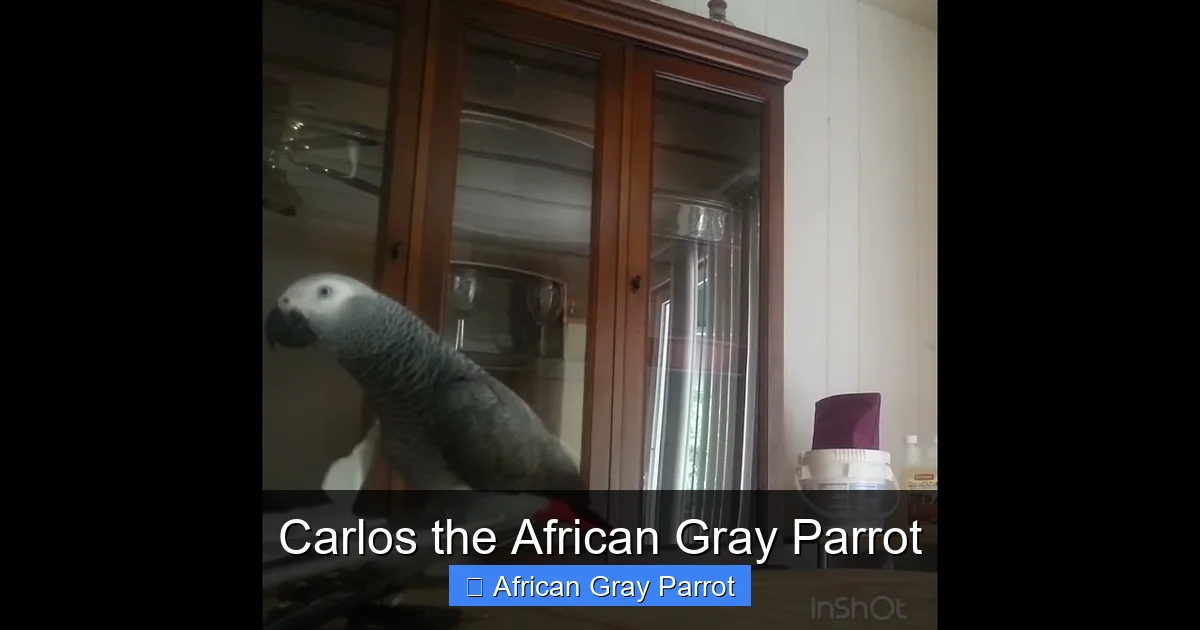
Carlos the African Gray Parrot represents one of the most intelligent bird species on Earth, known for exceptional talking ability and emotional depth. These remarkable parrots require dedicated care, mental stimulation, and proper nutrition to thrive as lifelong companions.
Key Takeaways
- Exceptional Intelligence: African Gray Parrots possess cognitive abilities comparable to a 5-year-old child, making them the smartest talking birds.
- Lifelong Commitment: With lifespans of 50-60 years, adopting Carlos means planning for decades of daily care and interaction.
- Talking Superstars: These parrots don’t just mimic; they understand context, use words appropriately, and can learn hundreds of words.
- Complex Emotional Needs: African Grays form deep bonds and suffer from neglect, requiring several hours of daily social interaction.
- Specialized Diet Requirements: A pellet-based diet supplemented with fresh vegetables, fruits, and limited seeds ensures optimal health.
- Environmental Enrichment Critical: Puzzle toys, foraging opportunities, and training sessions prevent boredom and destructive behaviors.
- Health Monitoring Essential: Regular avian vet visits, weight checks, and observing droppings help catch issues early.
Quick Answers to Common Questions
How long does Carlos the African Gray Parrot live?
African Gray Parrots typically live 50-60 years in captivity with proper care, and some reach 70+ years. This makes them a multi-generational commitment requiring advance planning for their future care.
Can African Gray Parrots really understand what they’re saying?
Yes, research shows African Grays comprehend word meanings, use language contextually, combine words creatively, and understand concepts like colors, shapes, numbers, and categories – not just mimic sounds.
What’s the minimum cage size for an African Gray Parrot?
The absolute minimum cage size is 36″ wide x 24″ deep x 48″ tall with 3/4″ to 1″ bar spacing, but larger is always better. Horizontal space matters more than vertical for these active climbers.
Why is my African Gray Parrot plucking feathers?
Feather plucking has medical causes (parasites, allergies, pain, nutritional deficiencies) and behavioral causes (boredom, anxiety, hormonal issues, attention-seeking). A thorough avian vet exam is essential before assuming it’s behavioral.
Do African Gray Parrots need a companion bird?
Not necessarily. Most African Grays bond deeply with their human flock and may reject or become aggressive toward another bird. Only get a second bird if YOU want one, not for your parrot’s sake.
📑 Table of Contents
- Meet Carlos: Your Guide to the African Gray Parrot World
- The Remarkable Mind of Carlos the African Gray Parrot
- Bringing Carlos Home: The First Weeks and Months
- Feeding Carlos: Nutrition for a Brilliant Mind
- Training Carlos: Building Communication and Trust
- Health and Wellness: Keeping Carlos Thriving
- Enrichment: Giving Carlos a Life Worth Living
- Understanding Carlos’s Behavior: The Language of Feathers
- The Long Journey: Life Stages with Carlos
- Conclusion: The Gift of Carlos
Meet Carlos: Your Guide to the African Gray Parrot World
Picture this. You walk into your living room after a long day. A voice calls out, “Hello! How was work?” You look around. No one’s there. Then you see him. Carlos. Perched on his play stand. One dark eye fixed on you. His tail feathers fan slightly. He knows. He always knows.
This is life with an African Gray Parrot. Carlos isn’t just a pet. He’s a roommate with opinions. A comedian with timing. A philosopher in feathers. These birds have captivated humans for centuries. Ancient Romans kept them. Portuguese sailors brought them home from African coasts. Today, they remain the gold standard for avian intelligence. But Carlos the African Gray Parrot represents something more. He represents a commitment. A journey. A relationship unlike any other you’ll have with an animal.
Maybe you’re here because you’re considering bringing an African Gray into your life. Maybe you already share your home with one. Maybe you’re just fascinated by these remarkable creatures. Whatever brought you here, you’re about to discover everything you need to know about living with, caring for, and understanding one of nature’s most extraordinary minds.
The Remarkable Mind of Carlos the African Gray Parrot
Intelligence That Rivals Primates
Let’s start with the obvious. African Gray Parrots are smart. Really smart. Dr. Irene Pepperberg’s famous work with Alex the African Gray proved these birds understand concepts we once thought uniquely human. Alex could count. He understood “same” and “different.” He could identify colors, shapes, and materials. He even grasped the concept of zero. A concept that human children don’t typically understand until age three or four.
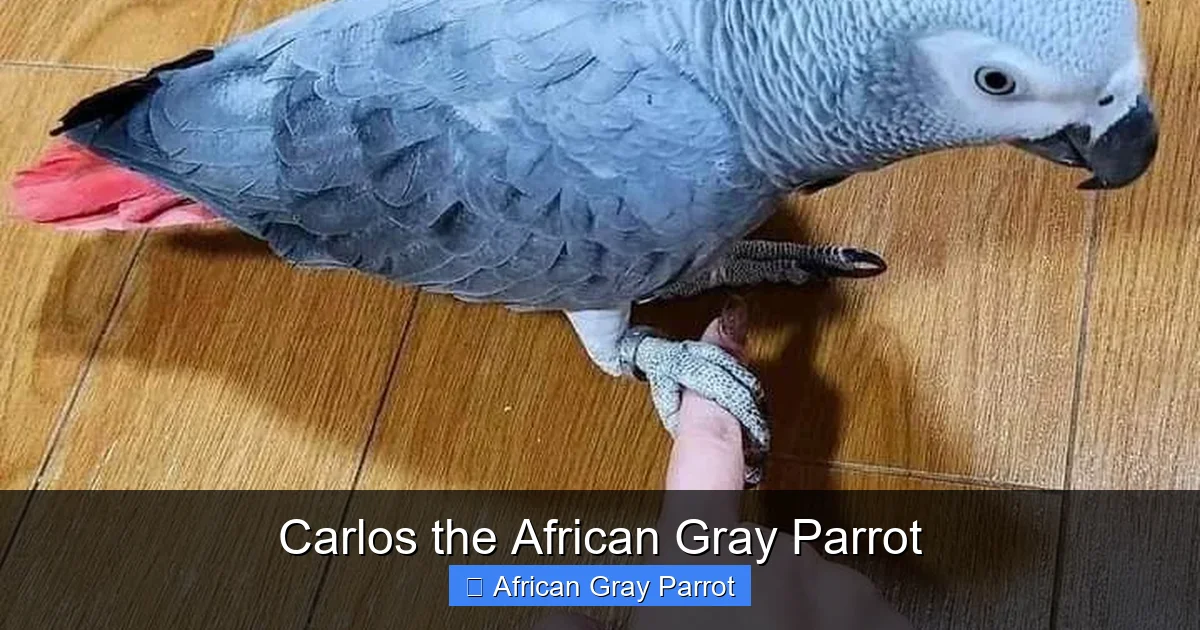
Visual guide about Carlos the African Gray Parrot
Image source: cdn.petzlover.com
Carlos the African Gray Parrot carries this same genetic potential. His brain, though small, is densely packed with neurons. More neurons per gram than many mammals. The pallium, the avian equivalent of our cerebral cortex, is highly developed. This isn’t just mimicry. This is cognition. Problem-solving. Reasoning.
Owners report their African Grays solving multi-step puzzles. Opening complex locks. Using tools. One famous case involved a parrot who learned to use a piece of straw to retrieve a peanut from a narrow tube. He modified the straw. Shortened it. Made it work. That’s engineering. That’s innovation.
Language Comprehension Beyond Mimicry
Here’s where Carlos really shines. African Grays don’t just repeat sounds. They attach meaning to words. They use language functionally. An African Gray might say “want nut” when hungry. “Go away” when annoyed. “I love you” during quiet moments. They understand context. Tone. Timing.
Some birds develop vocabularies of 500 to 1,000 words. But vocabulary size isn’t the measure. It’s usage. An African Gray might combine words creatively. “Banana cracker” for a banana chip. “Cork nut” for an almond. They create labels for things they don’t have names for. This suggests genuine linguistic processing.
Carlos the African Gray Parrot might greet you differently depending on the time of day. “Good morning” at dawn. “Hello” at noon. “Night night” at bedtime. He’s not parroting. He’s communicating.
Emotional Intelligence and Empathy
This surprises many people. African Grays read emotions. They respond to your mood. Had a bad day? Carlos might sit quietly beside you. Offer a gentle preen. Make a soft contact call. Excited? He’ll match your energy. Dance. Vocalize. Play.
They form deep attachments. Usually to one person. Sometimes to a couple. This bond resembles the pair bonds they form in the wild. It’s intense. Loyal. Sometimes possessive. Carlos might become jealous of other pets. Other people. Even your phone. He wants your attention. Your focus. Your presence.
This emotional depth means they suffer deeply from neglect. An ignored African Gray develops behavioral problems. Feather plucking. Screaming. Aggression. Depression. They need social interaction like they need air. Several hours daily. Minimum.
Bringing Carlos Home: The First Weeks and Months
Choosing Your African Gray Parrot
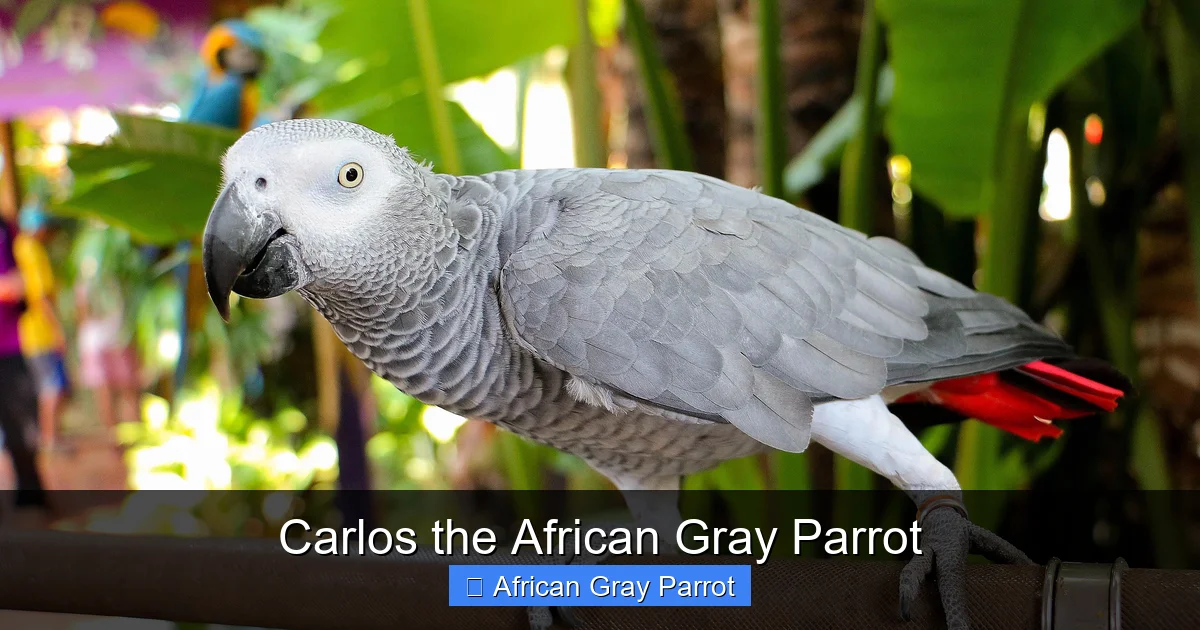
Two subspecies exist. The Congo African Gray. Larger. Bright red tail. Light gray feathers. The Timneh African Gray. Smaller. Darker charcoal feathers. Maroon tail. Upper mandible horn-colored. Both make exceptional companions. Timnehs often mature faster. Congos may talk more prolifically. But individual personality matters more than subspecies.
Visual guide about Carlos the African Gray Parrot
Image source: thesprucepets.com
Age matters too. Baby birds (just weaned, 3-6 months) bond easily. They’re adaptable. But you miss seeing their adult personality. Young adults (1-3 years) show their true colors. You know what you’re getting. Older birds need homes too. Rescue African Grays can make wonderful companions. They may come with baggage. But they also come with gratitude. And established vocabulary.
Source matters enormously. Reputable breeders. Avian specialty stores. Rescue organizations. Avoid pet stores that mass-produce birds. Avoid online sellers who ship without screening. A healthy, well-socialized start prevents lifetime issues.
Setting Up the Perfect Environment
Carlos needs space. Lots of it. Minimum cage size: 36 inches wide, 24 inches deep, 48 inches tall. Bigger is always better. Bar spacing: 3/4 to 1 inch. Horizontal bars for climbing. Multiple perches of varying diameters. Natural wood. Rope. Cement for nail maintenance. No sandpaper perches. They damage feet.
Place the cage against a wall. Not in front of a window. Not in a draft. Not in the kitchen. Teflon fumes kill birds. The cage should be in the family room. Where life happens. Carlos wants to be part of the flock. Your family is his flock.
Lighting is crucial. Full-spectrum UVB lighting for 10-12 hours daily. This enables vitamin D synthesis. Calcium absorption. Feather health. Mood regulation. Replace bulbs every 6-12 months. UVB degrades before visible light dims.
Temperature: 65-80 degrees Fahrenheit. Humidity: 40-60%. A humidifier helps in dry climates. African Grays come from humid forests. Dry air causes respiratory issues. Dry skin. Feather problems.
The Critical First 30 Days
Week one: Observation. Let Carlos adjust. Sit near the cage. Talk softly. Read aloud. Offer treats through bars. Don’t force interaction. Let him set the pace. Some birds settle in days. Others take weeks.
Week two: Hand feeding. Offer favorite treats from your hand. Millet spray works well. Sunflower seeds. Almond slivers. Let him come to you. No grabbing. No chasing. Trust builds slowly.
Week three: Step up training. Gentle pressure on lower chest. “Step up.” Reward immediately. Short sessions. 5 minutes. Twice daily. End on success.
Week four: Exploration. Supervised out-of-cage time. Bird-proofed room. Cover windows. Remove toxic plants. Hide electrical cords. Let him explore. Return to cage for meals and sleep.
Throughout: Veterinary checkup. Within first week. Establish baseline weight. Check for parasites. Test for Psittacosis, PBFD, Polyomavirus. Discuss diet. Vaccination schedule. Emergency plan.
Feeding Carlos: Nutrition for a Brilliant Mind
The Foundation: High-Quality Pellets
Forget the seed-only diet. Seeds are junk food for parrots. High fat. Low nutrition. Deficient in vitamin A, calcium, and essential amino acids. An all-seed diet shortens lifespan dramatically. Causes fatty liver disease. Feather plucking. Poor immune function.
Pellets should comprise 60-70% of Carlos’s diet. Look for brands formulated specifically for African Grays. Harrison’s. Roudybush. TOPS. Zupreem Natural. No artificial colors. No sugar. No preservatives. Cold-pressed or extruded. Both work. Offer multiple brands. Prevents brand fixation.
Transition slowly. Mix pellets with current diet. Increase pellet ratio weekly. Monitor weight daily during transition. African Grays can starve themselves rather than eat new food. Patience. Persistence. Creativity.
Fresh Foods: The Daily Rainbow
Vegetables: 20-25% of diet. Daily variety. Dark leafy greens: kale, collards, mustard greens, swiss chard. Orange vegetables: sweet potato, carrot, pumpkin, butternut squash. Cruciferous: broccoli, cauliflower, Brussels sprouts. Others: bell peppers, snap peas, green beans, zucchini.
Fruits: 5-10% of diet. Higher sugar. Treat status. Berries: blueberries, raspberries, blackberries, strawberries. Tropical: papaya, mango, kiwi, pomegranate. Citrus: orange, tangerine (small amounts). Apple, pear, melon. Remove pits and seeds. Apple seeds contain cyanide.
Presentation matters. Chop finely. Mix colors. Hang skewers. Stuff into foraging toys. Make it fun. Carlos eats with his eyes first. A boring bowl gets ignored. A foraging challenge gets devoured.
Healthy Fats and Protein Sources
Nuts: Essential for African Grays. Higher fat requirement than many parrots. Walnuts, almonds, pecans, pistachios, Brazil nuts, macadamia. Raw. Unsalted. In shell for enrichment. 2-4 nuts daily depending on size and activity.
Seeds: Treat only. Training rewards. Foraging filler. Safflower, sunflower, pumpkin, flax, chia, hemp. Sprouted seeds are nutritional powerhouses. Easy to grow. Birds love them.
Protein: Cooked egg (with shell crushed), lean cooked chicken, legumes, quinoa. 1-2 times weekly. Especially during molt. Breeding season. Recovery from illness.
Foods That Kill: The Absolute No List
Avocado. Chocolate. Caffeine. Alcohol. Onions. Garlic. Mushrooms. Tomato leaves. Potato leaves. Rhubarb. Fruit pits. Apple seeds. Salt. Sugar. Artificial sweeteners. Xylitol. Processed human foods. Dairy (birds lack lactase). Meat with seasoning. Anything moldy. Anything questionable.
When in doubt, leave it out. One mistake can cost Carlos his life. African Grays are curious. They’ll sample anything. Bird-proof your kitchen. Your dining table. Your snack bowl.
Water and Supplements
Fresh water. Always. Changed twice daily. More if soiled. Bowls and bottles. Some birds prefer one. Offer both. Clean daily with vinegar solution. Rinse thoroughly.
Supplements: Generally unnecessary with proper diet. Calcium supplement during egg-laying (even without male). Probiotics after antibiotics. Vitamin D3 if no UVB lighting. Consult your avian vet. Over-supplementation causes organ damage.
Training Carlos: Building Communication and Trust
The Philosophy: Positive Reinforcement Only
African Grays respond to one thing: positive reinforcement. Reward desired behavior. Ignore undesired behavior. Never punish. Never yell. Never spray water. Never hit. Never shake. These destroy trust. Create fear. Trigger aggression. Carlos remembers. He holds grudges. He may never fully forgive.
Clicker training works beautifully. Click marks the exact moment of correct behavior. Treat follows. The click becomes a bridge. A promise. “You did it right. Reward coming.” Start with targeting. Touch stick. Click. Treat. Build from there.
Essential Skills Every Carlos Should Learn
Step up. Step down. Recall (fly to you). Station (stay on perch). Target. Drop it. Leave it. Go into carrier. Allow nail trim. Allow wing check. Allow medication. These aren’t tricks. They’re life skills. Safety skills. Medical cooperation skills.
Teach “gentle” for beak pressure. African Grays explore with beaks. They don’t know human skin is fragile. When beak pressure hurts, say “gentle” calmly. Withdraw attention briefly. Return. Repeat. Consistency teaches bite inhibition.
Teach “quiet” or “enough” for excessive vocalization. Not all noise. African Grays vocalize. It’s natural. But screaming for attention can be shaped. Reward quiet moments. Ignore screaming. Hard. Necessary.
Harness Training for Safe Adventures
Outdoor time is enriching. Fresh air. Sunshine. New sights. Sounds. Smells. But never unrestrained. Even clipped wings catch wind. A harness saves lives. Aviator Harness. Flight Suit. Train indoors first. Weeks of desensitization. Positive associations. Never force. If Carlos fights, stop. Try tomorrow.
Once trained, short outings. 10 minutes. Gradually increase. Watch for stress signs. Fluffed feathers. Rapid breathing. Wide eyes. Frozen posture. Return indoors immediately. Safety first. Always.
Trick Training for Mental Stimulation
Carlos needs a job. Trick training provides one. Wave. Turn around. Retrieve. Ring toss. Basketball. Puzzle solving. Color identification. Shape sorting. The possibilities are endless. Sessions: 5-10 minutes. 2-3 times daily. End before boredom. End on success.
Teach names of objects. “Ball.” “Block.” “Ring.” “Cup.” Ask him to choose. “Where’s the ball?” He touches correct item. Click. Treat. This builds receptive language. Cognitive flexibility. It’s also incredibly fun for both of you.
Health and Wellness: Keeping Carlos Thriving
Finding the Right Avian Veterinarian
Not all vets treat birds. Not all bird vets specialize in parrots. You need an avian specialist. Board-certified if possible. Association of Avian Veterinarians membership. Experience with African Grays specifically. Ask about their patient load. Emergency availability. Hospitalization facilities. Anesthesia protocols.
Schedule wellness exams annually. Twice yearly for seniors (over 40). Baseline blood work. Fecal exam. Gram stain. Weight tracking. Beak and nail assessment. Feather condition. Oral exam. Discuss diet. Behavior. Environment. Prevention beats treatment every time.
Common Health Issues in African Grays
Calcium deficiency. Hypocalcemia. African Grays have higher calcium needs. Seizures. Weakness. Egg binding. Feather plucking. Provide calcium-rich foods. Cuttlebone. Calcium perch. UVB lighting. Vet-prescribed supplements if needed.
Respiratory infections. Aspergillosis (fungal). Chlamydiosis (bacterial). Vitamin A deficiency weakens respiratory epithelium. Watch for: tail bobbing. Open-mouth breathing. Wheezing. Clicking. Nasal discharge. Voice change. Lethargy. Emergency vet visit.
Psittacine Beak and Feather Disease (PBFD). Viral. Fatal. No cure. Feather abnormalities. Beak deformities. Immune suppression. Test before purchase. Quarantine new birds 45-90 days. Test again before introduction.
Proventricular Dilatation Disease (PDD). Bornavirus. Digestive and neurological symptoms. Weight loss despite eating. Undigested food in droppings. Regurgitation. Ataxia. Seizures. Supportive care only. Quarantine prevents spread.
Feather destructive behavior. Plucking. Barbing. Shredding. Medical causes first: parasites, allergies, hormonal, pain, nutritional. Then behavioral: boredom, anxiety, trauma, attention-seeking. Complex. Requires systematic approach. Vet. Behaviorist. Patience.
Daily Health Monitoring
Weigh Carlos weekly. Same time. Same scale. Empty crop. 5-10% weight loss = vet visit. 10%+ = emergency. Keep a log. Trends matter more than single readings.
Observe droppings daily. Three components: feces (green/brown), urates (white), urine (clear). Changes in color, consistency, volume, frequency signal problems. Black droppings = internal bleeding. Red = fresh blood. Yellow urates = liver issues. Bubbles = infection.
Watch behavior. Appetite. Water consumption. Activity level. Vocalization. Sleep posture. Preening. Social interaction. You know Carlos best. Subtle changes matter. Trust your instincts. Call the vet.
Grooming: Beaks, Nails, Feathers, Bathing
Beaks: Usually self-maintain with proper toys and diet. Overgrowth indicates health issues. Liver disease. Mites. Nutritional deficiency. Don’t trim yourself. Vet only.
Nails: Trim when sharp. When they catch on fabric. When perching becomes awkward. Concrete perch helps. Learn from vet. Have styptic powder ready. Quick bleeds. African Grays have long quicks.
Feathers: Preening is daily self-care. You assist with pin feathers. Gently roll between fingers. Only if loose. Never pull. Bathing: 2-3 times weekly minimum. Misting. Shower perch. Shallow bowl. Kitchen sink. Some love it. Some hate it. Offer options. Never force. Wet bird = cold bird. Warm room. No drafts.
Enrichment: Giving Carlos a Life Worth Living
Foraging: The Most Important Activity
Wild parrots spend 6-8 hours daily foraging. Captive parrots spend 30 minutes eating from a bowl. This mismatch causes boredom. Frustration. Stereotypies. Foraging fixes this. Make Carlos work for every meal.
Start simple. Cover bowl with paper. Poke holes. Progress to: wrapped food in paper cups. Hidden in cardboard tubes. Buried in shredded paper. Stuffed in pine cones. Frozen in ice cubes. Commercial foraging toys. DIY creations. Rotate daily. Novelty drives engagement.
Whole foods are foraging opportunities. Corn on cob. Pomegranate halves. Coconut chunks. Sugar snap peas in pod. Edible flowers. Branches with buds. Safe outdoor plants. Supervise. Know your plants.
Toy Rotation and Variety
Carlos needs 10-15 toys minimum. Rotate weekly. Categories: shredding (wood, paper, palm, balsa), chewing (harder woods, acrylic, vegetable-tanned leather), puzzle (commercial foraging toys), foot toys (small manipulable objects), noise makers (bells, rattles, stainless steel), preening (rope, fleece, cotton), climbing (ropes, ladders, nets).
Size matters. African Gray toys. Not budgie toys. Not macaw toys. Appropriate durability. Safety: no lead, zinc, loose threads, small swallowable parts, frayed rope (entanglement), split rings (beak traps). Inspect daily. Discard damaged.
DIY toys save money. Phone books. Paper towel rolls. Egg cartons. Coffee filters. Dixie cups. Popsicle sticks. Balsa wood. Vine balls. Willow branches. Creativity costs little. Carlos doesn’t care about price tags.
Social Enrichment: You Are the Flock
No toy replaces you. Carlos needs you. Hours daily. Not just same-room presence. Active interaction. Training. Talking. Playing. Preening. Shoulder time. Meal sharing (safe foods). Reading aloud. Singing. Dancing.
Include him in routines. Morning coffee. Evening dishes. TV time. He learns your schedule. Anticipates events. “Dinner” means kitchen sounds. “Bedtime” means dimming lights. Routine provides security. Predictability reduces anxiety.
Consider a second bird? Only if YOU want another bird. Not for Carlos’s sake. African Grays often prefer humans. May reject avian companion. May bond with new bird and exclude you. Double work. Double cost. Double noise. Separate cages. Separate quarantine. Separate vet funds. Think carefully.
Audio and Visual Enrichment
Music. African Grays have rhythm. They dance. They sing along. Classical. Jazz. Pop. Your playlist. Observe preferences. Carlos the African Gray Parrot might love Queen. Hate heavy metal. Adore show tunes.
Videos for parrots. YouTube channels. “Parrot TV.” Nature sounds. Other parrots talking. Some birds engage. Some ignore. Try it. Free enrichment.
Window time. Secure screen. Supervised. Bird feeder outside. Squirrels. Butterflies. Clouds. Rain. Neighborhood life. Visual stimulation. 30 minutes daily. Not all day. Overstimulation causes stress.
Understanding Carlos’s Behavior: The Language of Feathers
Body Language Basics
Eyes: Pinning (rapid pupil dilation/contraction) = excitement, aggression, or fear. Context tells which. Soft eyes = relaxed. Hard stare = warning.
Feathers: Sleek = relaxed. Fluffed = cold, sick, or sleeping. Ruffled head/neck only = preening invitation. Flat against body = fear or aggression.
Wings: Drooped = tired, hot, or sick. Slight lift = about to fly. Quivering = excitement. Held out = territorial display.
Tail: Fanned = excitement or aggression. Bobbing with breathing = respiratory distress. Wagging = happiness (like a dog).
Posture: Tall, feathers sleek = confident. Crouched, feathers flat = fear. Leaning forward, beak open = aggression. Upside down = play.
Beak: Grinding = contentment (usually before sleep). Clicking = greeting or warning. Wiping = cleaning or displacement behavior.
Vocalizations and What They Mean
Contact calls: “Where are you?” “I’m here!” Essential for flock cohesion. Answer them. “I’m in the kitchen!” Reduces screaming.
Alarm calls: Loud. Harsh. Repeated. Something’s wrong. Hawk outside. Stranger at door. New object. Investigate. Reassure. Remove threat.
Happy sounds: Whistling. Singing. Muttering. Soft chatter. Purring (soft grinding). Mimicry. These are good. Encourage them.
Screaming: Persistent. Loud. Attention-seeking. Boredom. Loneliness. Hormonal. Don’t reinforce. Don’t yell back (that’s flock calling). Wait for pause. Reward quiet. Address root cause.
Growling: Low. Throaty. “Back off.” Respect it. Give space. Identify trigger. Hands? New toy? Other pet? Hormones?
Hormonal Behavior: The Seasonal Challenge
Spring brings hormones. Increased daylight triggers breeding mode. Carlos may become: territorial, aggressive, nesty, regurgitative, masturbatory, egg-laying (females), louder, clingier, or withdrawn.
Manage with: 10-12 hours darkness nightly. No shadowy spaces (boxes, tents, under furniture). No back-petting (sexual stimulation). Limit warm mushy foods. Increase exercise. Redirect energy. Training. Foraging. Flight.
Never punish hormonal behavior. It’s biology. Not badness. Ride the wave. Spring passes. Behavior normalizes.
Fear and Phobias
African Grays develop phobias. New objects. Colors. Shapes. Sounds. People. Hats. Glasses. Beards. Sticks. Brooms. Vacuums. Balloons. The list is endless. Onset can be sudden. A bird who loved blue toys panics at a blue bowl.
Desensitization works. Distance. Duration. Positive association. Treat at threshold. Gradually closer. Gradually longer. Never flood (force exposure). Flooding creates trauma. Worsens fear. Destroys trust.
The Long Journey: Life Stages with Carlos
Babyhood: The Sponge Phase (0-1 Year)
Everything is new. Everything is learned. Weaning. Fledging. Socialization. Vocabulary foundation. Handling tolerance. Diet acceptance. This window closes. What Carlos learns now shapes his life. Expose widely. Positively. People. Sounds. Objects. Places. Textures. Foods. Carriers. Vets. Harnesses. Nail trims. Wing checks. Medication practice (juice from syringe).
Sleep: 12-14 hours. Growth demands rest. Quiet. Dark. Consistent.
Clumsiness is normal. Falling. Missed landings. Crashing. Pad floors. Lower perches. Patience. He’s growing into his body.
Adolescence: The Teenage Years (1-4 Years)
Hormones hit. Personality solidifies. Testing boundaries. Mood swings. Selective hearing. “I know step up but I don’t wanna.” Regression in training. New fears. Increased destruction. Vocal experimentation. This is normal. Stay consistent. Stay patient. Stay positive.
Reinforce training daily. Short sessions. High value rewards. Don’t take behavior personally. He’s not giving you a hard time. He’s having a hard time.
Adulthood: The Prime Years (4-25 Years)
Settled personality. Established routine. Peak vocabulary. Peak physical condition. Deep bond. This is the payoff. The years of investment blossom. Carlos anticipates your needs. Comforts your sorrows. Shares your joys. He’s family. Truly.
Maintain health vigilance. Annual blood work. Weight monitoring. Diet quality. Exercise. Enrichment evolution. Prevent boredom. Novelty prevents cognitive decline.
Senior Years: The Golden Time (25+ Years)
Gradual changes. Less activity. More sleep. Arthritis possible. Cataracts possible. Kidney changes. Liver changes. Heart changes. Cognitive changes. Adapt environment. Lower perches. Softer perches. Ramp access. Heated perch. Night light. More frequent vet visits. Every 6 months.
Diet adjustments. Easier chewing. More digestible. Supplements as prescribed. Patience with slower responses. Gentler handling. Extra love. These years are precious. Honor them.
Planning for Carlos’s Future
Uncomfortable topic. Essential topic. African Grays outlive owners. Plan now. Written instructions. Designated caregiver. Backup caregiver. Financial provision. Trust. Will. Detailed care guide: diet, meds, vet, routine, preferences, vocabulary, fears, contacts. Update annually. Discuss with family. With caregiver. Peace of mind for you. Security for Carlos.
Conclusion: The Gift of Carlos
Living with Carlos the African Gray Parrot changes you. He teaches patience. Presence. Observation. He teaches that intelligence wears feathers. That love has no species barrier. That communication transcends words. That commitment means showing up. Every day. For decades.
Yes, it’s work. Expensive work. Messy work. Loud work. Emotional work. But ask any African Gray guardian. They’ll tell you. The work is the gift. The mess is the memory. The noise is the music. The decades are the privilege.
Carlos isn’t just a bird. He’s a mirror. Reflecting your consistency. Your kindness. Your growth. He’s a teacher. Showing you the world through ancient eyes. He’s a companion. Choosing you. Daily. From all the perches in all the rooms. He chooses your shoulder.
If you’re ready. Truly ready. For the bite. The scream. The mess. The expense. The worry. The wonder. The laughter. The love. Then welcome to the flock. Carlos is waiting. He has been for a long time.
Your life will never be the same. And you’ll thank him for it. Every single day.
Frequently Asked Questions
What is the best diet for an African Gray Parrot?
A high-quality pellet diet (60-70%) supplemented with fresh vegetables (20-25%), fruits (5-10%), healthy nuts (2-4 daily), and occasional protein sources. Seeds should be treats only. Fresh water changed twice daily. Avoid avocado, chocolate, caffeine, alcohol, onions, and fruit pits.
How much daily interaction does an African Gray Parrot need?
African Gray Parrots need a minimum of 3-4 hours of direct, interactive engagement daily, plus several more hours of ambient flock presence. This includes training, talking, playing, preening, and shared activities. Chronic under-stimulation leads to screaming, plucking, and aggression.
At what age do African Gray Parrots start talking?
Most African Grays begin mimicking sounds around 6-12 months, with clear words emerging between 12-18 months. However, some start earlier or later. Consistent verbal interaction from day one builds the foundation. Not all individuals become prolific talkers, but most learn some words.
Are African Gray Parrots good for first-time bird owners?
Generally no. Their extreme intelligence, emotional sensitivity, long lifespan, and complex needs make them challenging for beginners. They require experienced handling, consistent training, and deep commitment. Cockatiels, budgies, or conures are better starter birds.
How do I stop my African Gray from screaming?
Identify the cause: contact calling, boredom, fear, hormonal, or learned attention-seeking. Never reinforce screaming with any response. Reward quiet moments. Ensure adequate sleep (12 hours), foraging enrichment, exercise, and social interaction. Teach a “quiet” cue. Consult an avian behaviorist if persistent.
What are signs my African Gray Parrot is sick?
Weight loss, fluffed feathers, tail bobbing, open-mouth breathing, changed droppings, decreased appetite, lethargy, voice change, sneezing, nasal discharge, vomiting, balance issues, or personality changes. Birds hide illness instinctively. Any change warrants immediate avian vet consultation. Weekly weighing catches problems early.